The Ultimate Guide to Black Friday Portable Power Station Deals: Deep Discounts from Bluetti, Anker, EcoFlow, and Jackery

The holiday retail calendar has officially shifted into its highest
gear, and with it has come a massive wave of deep-discount electronics sales across major e-commerce platforms. Among the most aggressively discounted categories this season are portable power stations and solar generators, with Amazon rolling out price cuts ranging from under $100 to over $2,000 on high-end energy storage systems. Top-tier manufacturers such as Bluetti, Anker SOLIX, EcoFlow, and Jackery have slashed prices on units designed for everything from weekend backcountry camping to multi-day residential grid failures.
For consumers navigating the overwhelming array of promotional offers, industry experts emphasize that understanding two primary metrics is essential to making a cost-effective and practical purchase. Capacity, measured in watt-hours (Wh), determines the total amount of energy a battery can store, directly dictating how long a device will run on a single charge. Continuous output, measured in watts (W), dictates the maximum electrical load the internal inverter can handle at any given moment, establishing which household appliances, electronics, or tools the unit can safely power simultaneously.
Current Market Landscape and Standout Deals
The current promotional landscape reflects a maturing energy storage market, where LiFePO4 (lithium iron phosphate) battery chemistry has become the industry standard. Unlike older lithium-ion variants, LiFePO4 cells offer significantly extended lifespans, frequently rated for thousands of charge cycles while maintaining high thermal and chemical stability.
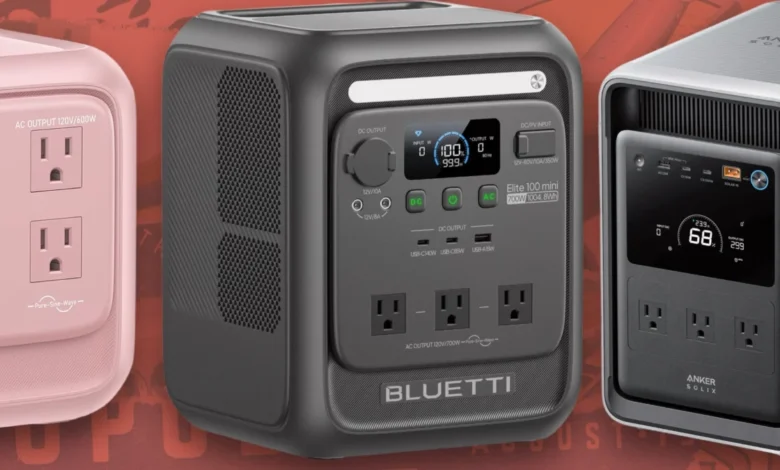
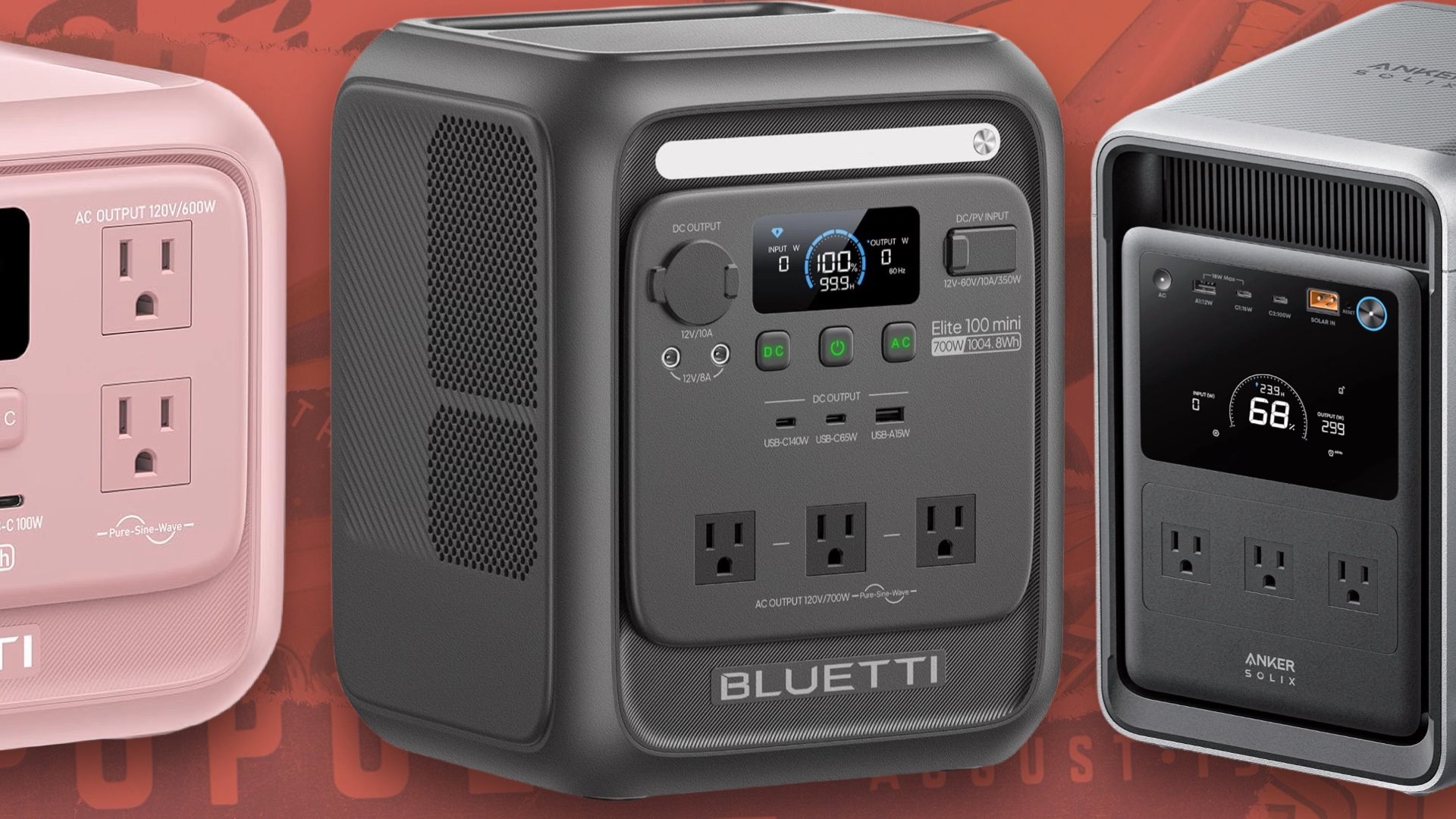
Among the most notable price adjustments in the current sales cycle is the Bluetti Elite 100 mini Portable Power Station. Currently marked down to $379.99 from its standard retail price of $799, the unit represents one of the most cost-effective entries into a full kilowatt-hour of LiFePO4 storage. Weighing 23.6 pounds and boasting a capacity of 1,004.8Wh, the Elite 100 mini is engineered for portability. However, prospective buyers must account for its 700-watt continuous inverter output, which makes it ideal for running sensitive electronics, laptops, Wi-Fi routers, medical devices like CPAP machines, and 12-volt refrigerators, rather than heavy resistive kitchen appliances.
For users requiring higher capacity without a proportional increase in bulk, the Anker SOLIX S2000 has seen a significant reduction, dropping to $649.97 from $1,199. The S2000 features a 2,010Wh storage capacity paired with a robust 1,500-watt continuous inverter—capable of a 3,000-watt surge—while tipping the scales at a relatively modest 35.7 pounds. Anker rates the integrated cells for an impressive 10,000 cycles, providing a versatile mid-tier solution equipped with eight output ports and a 400-watt solar input capacity.
At the upper end of the consumer market, heavy-duty home backup and recreational vehicle (RV) solutions have also seen major price corrections. The Bluetti Elite 300, which offers 3,014Wh of capacity and a 2,400-watt continuous output, is currently available for $1,098.99, down from $1,699. Weighing 58 pounds and featuring a dedicated 30-amp TT-30 port designed for direct RV hookups, this class of power station is built for stationary emergency preparedness or long-term off-grid living.
Chronology and Evolution of the Portable Power Market
The surge in demand for high-capacity portable power stations is not a sudden market anomaly but rather the culmination of a decade-long technological and infrastructural evolution. A decade ago, the portable power market was dominated by noisy, gasoline-powered combustion generators that required regular mechanical maintenance, produced hazardous carbon monoxide emissions, and were restricted primarily to remote job sites or extreme emergency situations.
The pivot toward lithium-based energy storage began accelerating in the late 2010s, driven by rapid advancements in electric vehicle battery technology and declining manufacturing costs for lithium cells. By 2020, as remote work expanded and outdoor recreation surged during global public health restrictions, consumer interest in silent, indoor-safe power stations spiked dramatically.
The subsequent years exposed vulnerabilities in regional power grids across North America and Europe, driven by increasingly volatile weather events, severe winter storms, and aging infrastructure. Events such as the 2021 Texas winter storm Uri and recurrent seasonal grid failures in California and the U.S. Northeast transformed portable power stations from niche outdoor accessories into mainstream household preparedness essentials. Manufacturers responded by transitioning away from standard lithium-ion chemistries to safer, longer-lasting LiFePO4 formulations, while simultaneously integrating smart-home connectivity, high-speed solar recharging, and modular expansion capabilities.
Technical Analysis: Sizing Your Energy Needs
Selecting the correct power station requires a methodical approach to electrical load calculation. Consumers frequently fall into the trap of evaluating capacity alone, ignoring the critical limitation imposed by the internal inverter’s continuous wattage rating.
To determine the appropriate tier, energy storage products are generally categorized into three distinct brackets:
- Compact Power Stations (Under 500Wh): Typically weighing under 10 pounds and featuring inverters ranging from 300W to 600W, these units are designed for day trips, mobile professionals, and short-duration power blips. They easily manage smartphones, DSLR cameras, satellite internet terminals like the Starlink Mini, and laptop charging.
- Midsize Power Stations (1kWh to 2kWh): Representing the sweet spot for weekend camping and overnight emergency response, these systems can sustain a full-size residential refrigerator, a household Wi-Fi network, and home office equipment for multiple hours. Their higher-wattage inverters can also accommodate moderate heating elements or power tools.
- Heavy-Duty Home Backup and RV Systems (3kWh to 5kWh and above): Engineered for multi-day outages, these high-capacity units—often paired with expansion batteries and home transfer switches—can run critical medical equipment, sump pumps, and heavy appliances. Due to their substantial weight, they are typically stationed permanently in utility rooms, garages, or dedicated transport vehicles.
Broader Implications and Economic Impact
The aggressive discounting observed during the current retail cycle highlights a broader economic strategy among major energy tech brands. As supply chains stabilize and manufacturing capacities reach new economies of scale, brands like Bluetti, Anker, EcoFlow, and Jackery are fiercely competing for market share in an increasingly crowded consumer landscape.
Furthermore, the widespread adoption of solar-compatible power stations aligns with shifting consumer preferences toward decentralized energy independence. With federal and regional tax incentives for renewable energy installations continuing to stimulate consumer interest in green technology, portable solar generators serve as an accessible entry point for households looking to reduce their reliance on fossil fuels during emergencies.
Ultimately, while promotional pricing events drive high seasonal sales volumes, the sustained growth of the portable power sector underscores a permanent shift in consumer behavior. Energy resilience has transitioned from an institutional concern to a consumer-managed utility, ensuring that innovations in battery chemistry, solar integration, and power management will remain central to consumer electronics development for the foreseeable future.
Related posts: