For over five centuries, Michelangelo’s David has stood as the quintessential icon of Renaissance art, a towering marble testament to human anatomy, ambition, and the sheer audacity of artistic genius. Housed within the hallowed walls of the Accademia Gallery in Florence, Italy, the statue has remained a constant, seemingly unchanging presence—until now. As Italy emerges from the shadow of the global pandemic, a major technological and aesthetic overhaul has fundamentally altered the visitor experience, casting a literal and figurative new light on one of the most famous works of art in human history.
The recent renovation project, which culminated in the late months of 2022, represents more than a simple aesthetic refresh. It is a comprehensive modernization effort designed to address the evolving needs of 21st-century conservation while rectifying longstanding issues of visibility and visitor flow. By integrating advanced LED lighting systems and re-curating the surrounding exhibition spaces, the Accademia has successfully shifted the focus from a singular obsession with the David to a more holistic appreciation of the museum’s broader collection.
The Science of Light and the Art of Perception
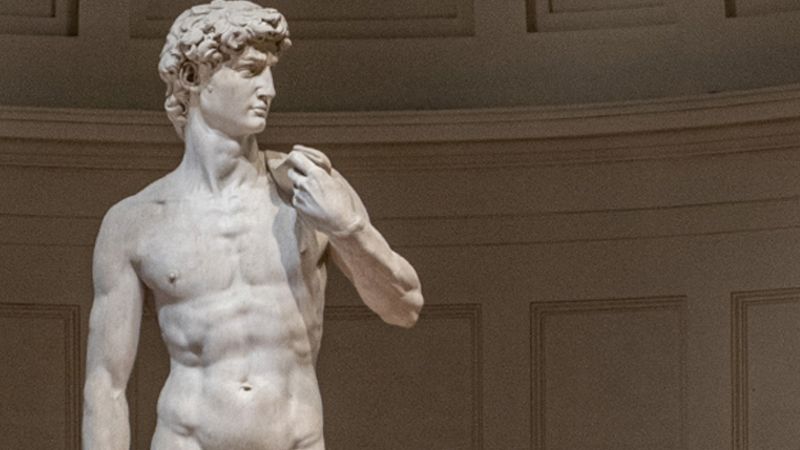
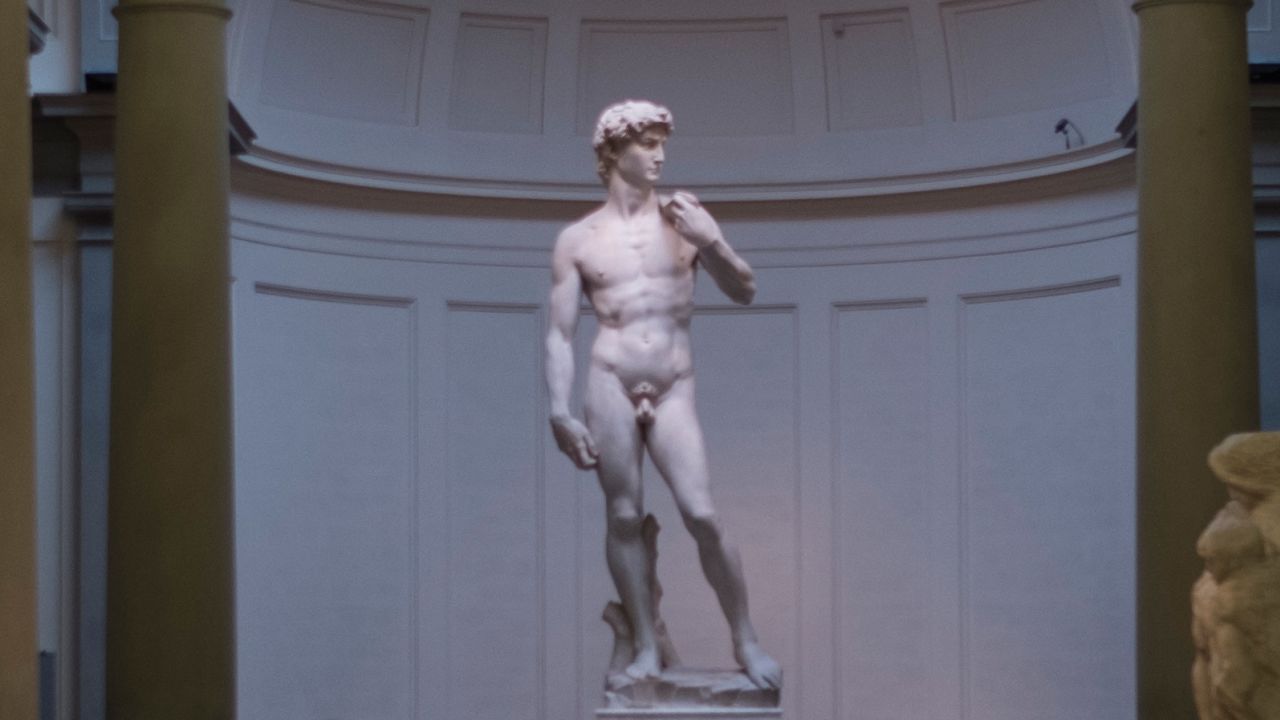
The most significant change at the Accademia is the implementation of a cutting-edge, energy-efficient LED lighting system. For years, the Tribuna—the domed architectural space specifically designed to house the David—relied on lighting that, while functional, lacked the precision and dynamic range required to reveal the intricate details of Michelangelo’s work. The previous system often created flat, static illumination that failed to highlight the master’s subtle chisel marks or the complex musculature of the figure.
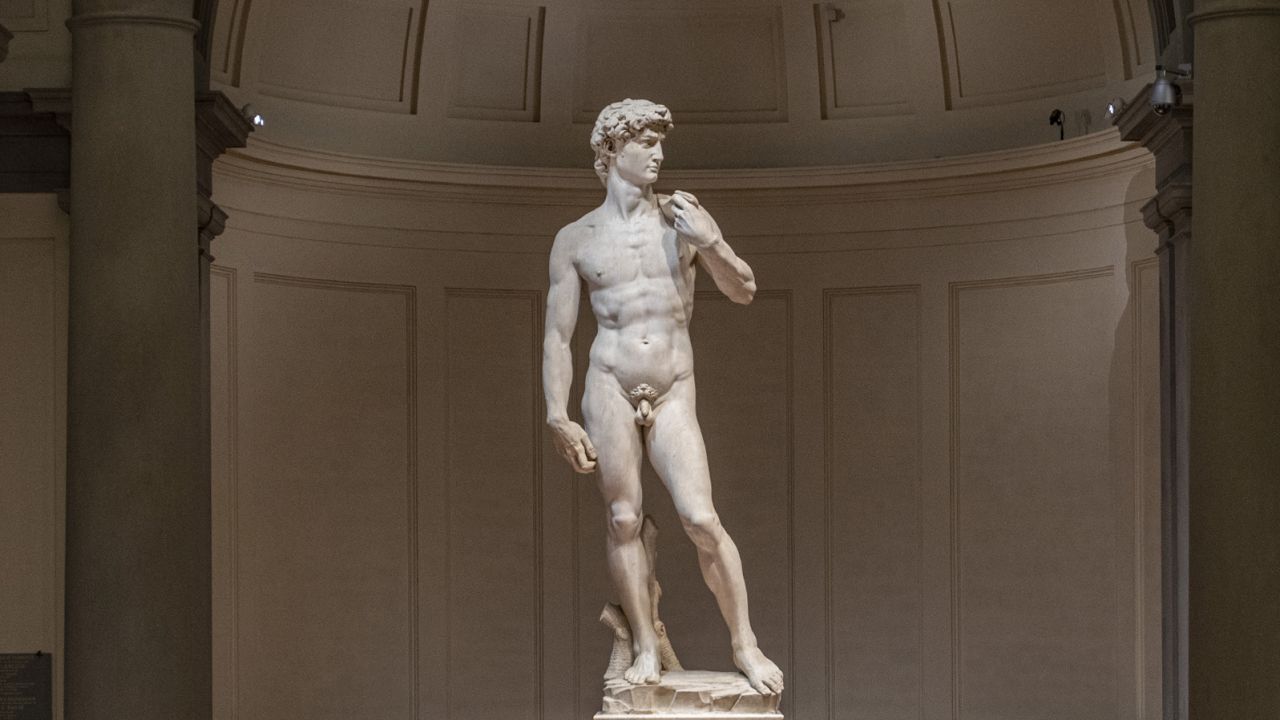
The new configuration, completed in September, introduces a circular array of high-definition LED spotlights suspended above the statue. These lights are engineered to mimic the natural, shifting qualities of sunlight. By modulating color temperatures throughout the day, the system creates a sense of "dynamism" that follows the natural light cycle of the room’s domed skylight.
This change has been transformative. Art historians and tour guides who frequent the gallery report that they are now observing anatomical details—the tension in the neck, the vascularity of the hands, and the intricate texture of the marble—that were previously obscured by shadows or washed out by harsh, uniform light. The lighting is designed to envelop the statue completely, allowing the figure to emerge from the background, effectively "lifting" the sculpture into a heightened state of visual prominence.
A Chronology of Change: From Pandemic Pause to Renewal
The decision to renovate the Accademia was not a sudden pivot but a strategic response to the challenges brought about by the 2019 global health crisis. When Italy’s museums were forced to shutter their doors due to the pandemic, it provided an unprecedented window of opportunity for the Accademia’s administration to initiate long-delayed repairs and updates.
In 2019, the Accademia held the distinction of being the second most visited museum in Italy, a status that often led to extreme overcrowding and a "bottleneck" effect. Tourists would routinely rush past other masterpieces, eager only to capture a photo of the David before exiting.
The renovation project proceeded in several phases:
- 2020-2021: During the lockdown periods, administrative staff and curators focused on structural repairs and initial testing of the climate control systems.
- Early 2022: The installation of the new LED lighting system began, requiring careful calibration to ensure that the light did not damage the delicate marble surface over time.
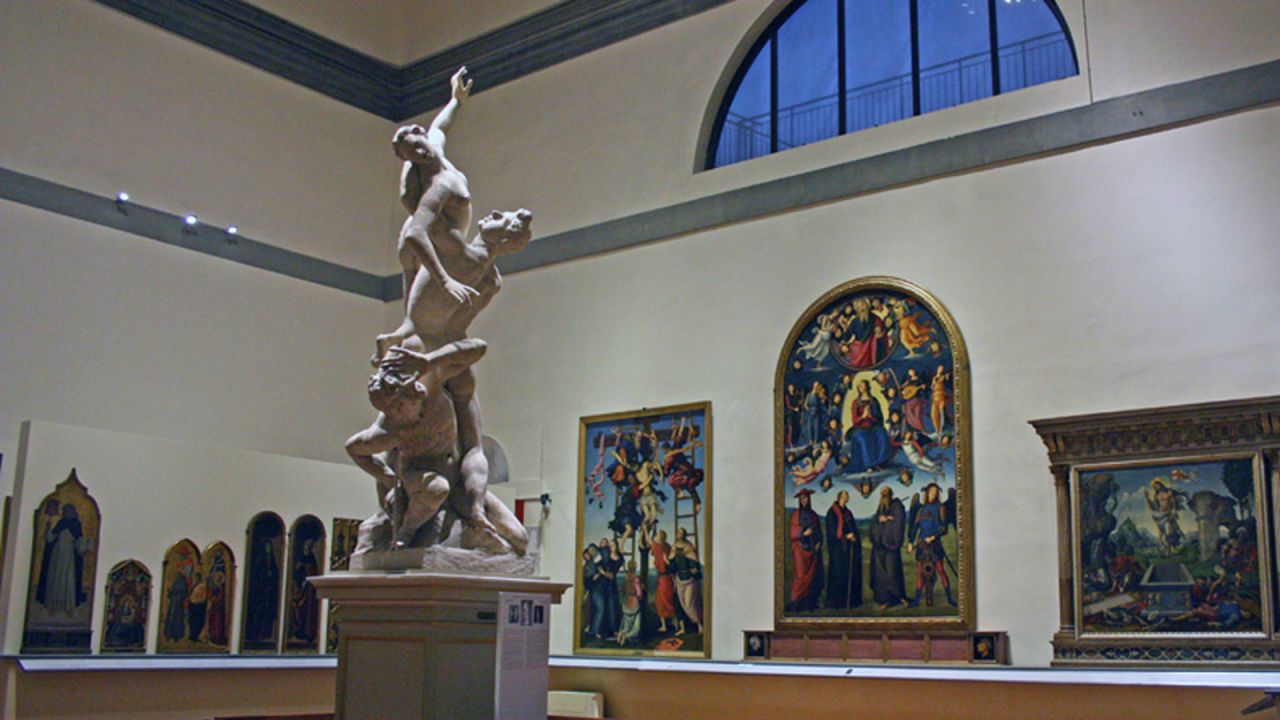
- Late 2022: The final stage involved the complete redesign of the Gipsoteca (the plaster cast gallery) and the implementation of new color schemes for the museum’s secondary rooms.
- Post-Renovation: The museum officially unveiled these changes, marking a new chapter in the institution’s management strategy.
Expanding the Horizon: Beyond the David
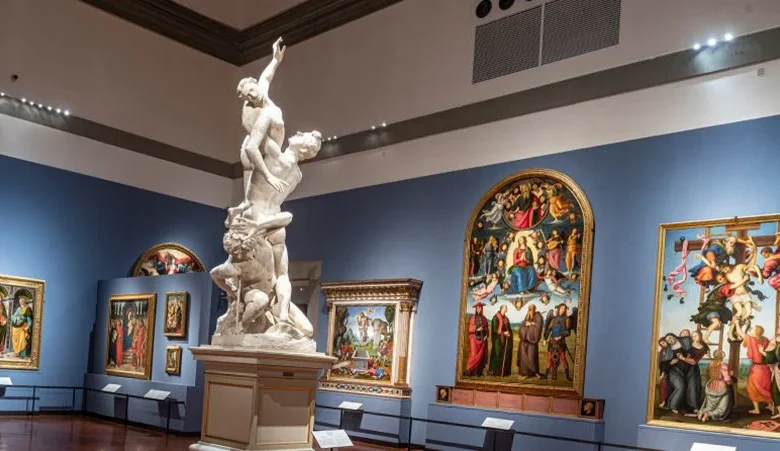
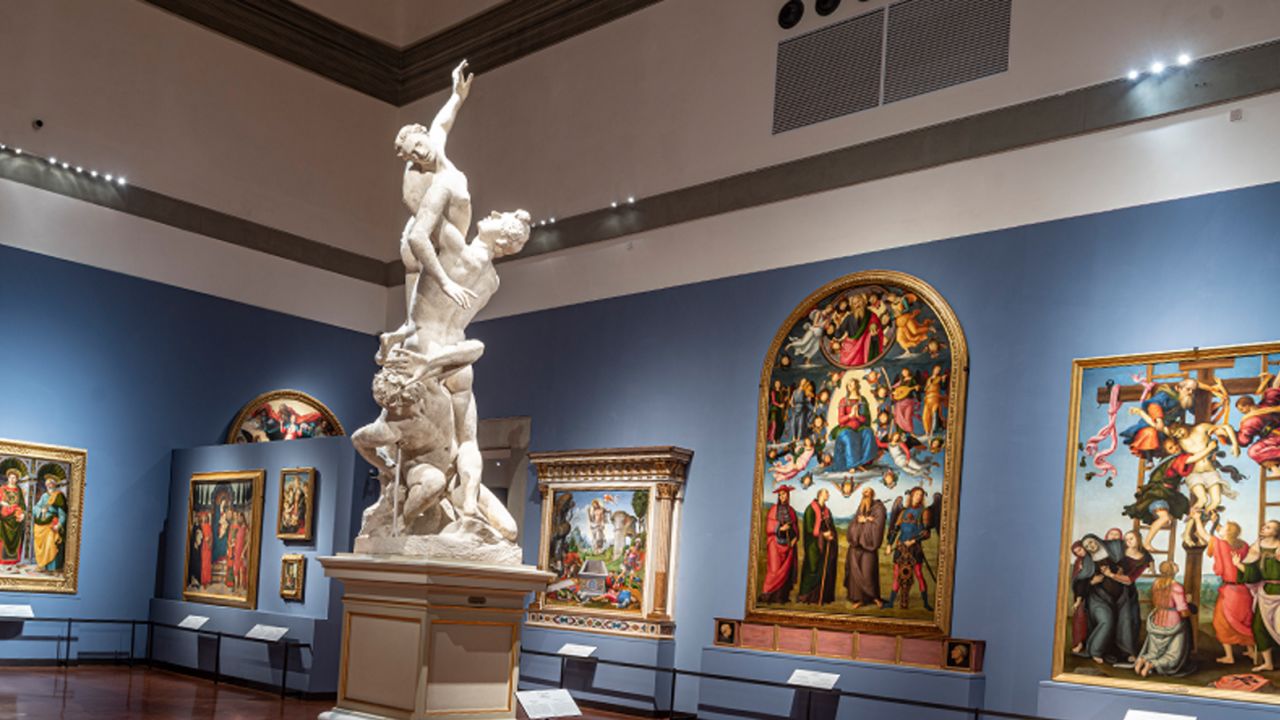
While the David remains the primary attraction, the Accademia’s leadership, under Director Cecilie Hollberg, was determined to ensure that the rest of the collection received the attention it deserved. For decades, many of the museum’s secondary galleries were painted in a nondescript, "museum-standard" beige. Critics and curators have long argued that this neutral backdrop had a flattening effect on the paintings, particularly those from the 13th and 14th centuries that rely on vibrant gold leaf and deep pigments to convey their narrative.
The revitalization effort introduced bold new colors to these spaces. The Sala del Colosso, the gallery’s entryway, has been transformed with a striking blue, which serves to make the large-scale works housed within pop with renewed intensity. Similarly, the rooms containing medieval paintings have been painted a soft, pale green, a choice specifically made to complement the luminosity of the gold leaf used in the period’s religious art.
This color-coordination strategy has had an immediate impact on visitor behavior. Reports from the gallery floor indicate that visitors are now lingering in rooms they previously traversed in seconds. By providing better lighting and a more evocative environment, the museum has successfully "redistributed" the crowds, mitigating the pressure on the Tribuna and fostering a more meaningful engagement with the secondary works.

The Gipsoteca and the "Prisoners" Corridor
The renovation also extended to the Galleria dei Prigioni (the "prisoners corridor") and the Gipsoteca. The former houses Michelangelo’s four "Prisoners"—unfinished, semi-sculptural figures that seem to struggle to emerge from the rough-hewn stone. Previously, poor lighting rendered these figures somewhat indistinct, often casting a yellow hue that obscured the artist’s process.
Today, targeted spotlights on each of the four sculptures reveal the raw power of Michelangelo’s chisel marks. According to Director Hollberg, the ability to see the physical labor involved in the carving process is now unparalleled. "It used to be that the prisoners looked yellow, and David was white," she noted. "Now they are the same color, and you can see every single chisel mark."
The Gipsoteca, which houses 414 plaster casts—primarily by the sculptor Lorenzo Bartolini—underwent an equally significant transformation. Once a space that suffered from poor air circulation, necessitating its closure during hot summer months, it has been fitted with modern climate control. With its new, sophisticated layout and improved environment, the Gipsoteca has been repositioned as a destination in its own right, rather than a secondary hallway.
Economic and Environmental Implications
Beyond the aesthetic benefits, the modernization project has clear environmental and economic dividends. The shift to LED technology has resulted in an estimated 80% reduction in electricity consumption for the gallery’s lighting systems. This aligns with broader European initiatives to reduce the carbon footprint of public cultural institutions.
Furthermore, the "redistribution" of visitor flow has operational benefits. By making the entire museum experience more engaging, the gallery can better manage capacity and reduce the wear and tear caused by concentrated foot traffic in the main hall. This is a critical development for a major tourist hub like Florence, which is frequently cited in global debates regarding the sustainability of mass tourism in historic city centers.
Official Responses and Future Outlook
The Italian Ministry of Culture has lauded the project as a model for how heritage sites can modernize without losing their historical character. Dario Franceschini, Italy’s former minister of culture, remarked that the project represents an "important step" in bringing a 19th-century institution into the 21st century.
Local response has been equally positive. The Accademia has made concerted efforts to engage the local Florentine population, who had previously viewed the museum as a tourist trap. Through the introduction of concert series and curated events in the renovated spaces, the museum is seeing a resurgence in local attendance.
The successful implementation of these upgrades serves as a case study for museums worldwide. It demonstrates that technological intervention, when handled with sensitivity to the original intent of the artworks, can revitalize historical collections. As visitors return to Florence in record numbers, the Accademia stands as a testament to the idea that even the most famous icons in the world can be seen in a new light, provided we are willing to look at them differently.
The future of the Accademia now looks brighter—literally and figuratively—than it has in generations. By honoring the past while embracing the efficiency and precision of the present, the gallery has ensured that Michelangelo’s legacy will continue to inspire and intrigue, not just through the monumental figure of the David, but through every detail, shadow, and color contained within its halls.
Related posts: