Toto Wolff declares pride as Mercedes secures 2026 Formula 1 Constructors Championship in historic comeback

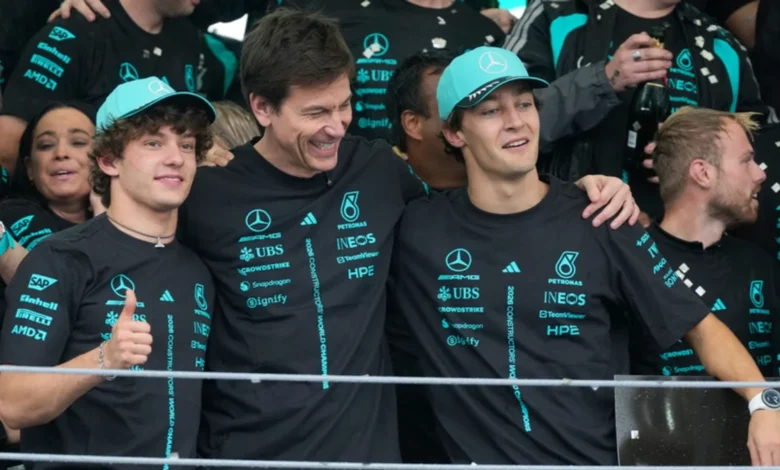
The Mercedes-AMG PETRONAS Formula One Team has officially reclaimed its position at the pinnacle of motorsport, clinching the 2026 FIA Formula 1 Constructors’ Championship at the Sao Paulo Grand Prix. This triumph marks the ninth title for the Brackley-based outfit, ending a five-year hiatus from the top of the constructors’ standings and signaling a definitive end to the period of relative struggle that followed the team’s historic eight-year championship streak. By securing the title, Mercedes now sits level with Williams Racing in the all-time list, trailing only McLaren, with 10 titles, and Ferrari, with 16.
The Arc of Recovery: From Dominance to Rebuilding
The journey back to the summit has been one of the most scrutinized narratives in modern sporting history. Following the massive technical regulation overhaul in 2022, which introduced the "ground effect" era of aerodynamic design, Mercedes struggled significantly to replicate the performance levels that had made them the undisputed kings of the hybrid era. Between 2014 and 2021, Mercedes redefined dominance, winning every Constructors’ Championship available.
However, the shift in 2022 exposed flaws in the team’s philosophy regarding car concepts—most notably the "zeropod" design—which hindered their ability to compete with rivals like Red Bull Racing. The subsequent years were characterized by a difficult cycle of trial and error. The team faced the paradox of having a high-budget, high-expertise workforce while struggling to unlock the potential of their machinery. Throughout 2022, 2023, and 2024, the team experienced periods of confusion, oscillating between promising upgrades and persistent aerodynamic instability. Despite these setbacks, the team maintained a level of competitive consistency that is rarely seen in struggling organizations; they continued to secure podiums and race victories, ensuring they never drifted too far from the front-running pack.
A Timeline of the 2026 Campaign
The 2026 season represented a fresh start, with further technical adjustments and internal restructuring finally yielding the desired results. The chronology of the season suggests a team that hit the ground running:
- Pre-Season: Mercedes demonstrated newfound stability in their wind tunnel and simulator data, moving away from the volatile performance characteristics of their previous chassis.
- Early Season: Kimi Antonelli, in his breakout years, displayed remarkable maturity. His early-season form allowed him to build a points buffer that eventually secured the Drivers’ Championship, a feat achieved earlier in the month.
- Mid-Season: The Brackley and Brixworth factories accelerated development, successfully resolving the final cooling and downforce efficiency issues that had plagued their 2025 campaign.
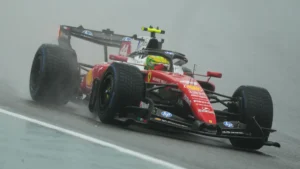
- Sao Paulo GP: Entering the penultimate phase of the season, Mercedes needed to finalize the Constructors’ title. While the race itself was chaotic and dominated by Lando Norris in changing weather conditions, the team secured enough points through George Russell and Antonelli to mathematically put the championship beyond reach.
Toto Wolff on the Philosophy of Resilience
Team Principal Toto Wolff has been the primary architect of this recovery. Speaking after the race in Brazil, Wolff reflected on the psychological and organizational weight of the past four years. "The thing is when you are in these difficult moments, like we all are sometimes in our lives, it’s not that easy to keep going," Wolff stated.
Wolff emphasized that the "back and forth" nature of the team’s engineering process was a necessary, albeit painful, education. "Looking back in retrospect, you’re saying, ‘we needed these tough moments in order to grow as people or to grow as an organisation’. But when you’re down, that is quite difficult to feel," he added. He highlighted that while the statistics from the four-year drought—finishing second, second, third, and fourth—do not reflect a "losing" team, the internal perception was one of dissatisfaction because the team’s standard for success is inherently tied to winning.
The 2,500-Strong Engine Room
A central theme of the 2026 championship celebration has been the emphasis on the broader workforce. While the drivers, George Russell and Kimi Antonelli, are the faces of the success, Wolff has consistently redirected the praise to the 2,500 employees across the Brackley chassis factory and the Brixworth High-Performance Powertrains (HPP) facility.
"I always say there are not two superstars, the drivers, but there are 2,500 superstars, all of them delivering a great job," Wolff noted. This sentiment is echoed by the drivers themselves. George Russell, who joined the team during the thick of their recovery period in 2022, expressed a profound sense of relief. "When I joined Mercedes in 2022, we hoped we’d be fighting for championships regularly, so to have gone through that journey and now get back to the top is something we should all be incredibly proud of," Russell said.
Kimi Antonelli, representing the new generation of talent at Mercedes, added that the team’s work ethic is what makes the title special. "They have done an incredible year and it’s an amazing group of people, who push every day to do their best and give us the best opportunity to fight for wins and championships," the Italian driver remarked.
Statistical Context and Historical Significance
To understand the magnitude of this achievement, one must look at the rarity of such a rebound in professional sports. Most dynasties in Formula 1 have struggled to return to the top once the technical landscape shifts or key personnel depart. Mercedes’ ability to navigate the transition, manage the exit of long-term staff, and integrate new talent—all while maintaining the infrastructure required to design and build a championship-winning power unit and chassis—is a testament to their operational depth.
With nine constructors’ titles now to their name, Mercedes has distanced itself from the midfield pack and is firmly established as a "Big Three" team alongside Ferrari and McLaren. The 2026 season also marks a generational shift. With Antonelli securing the Drivers’ Championship, the team has proven that their transition to a new lead driver has been seamless, mitigating the risks that often come with changing a team’s primary focal point.
Implications for the Future
The implications of this title go beyond the trophy. It serves as a validation of the team’s leadership structure under Wolff and proves that the current technical regulations are well-suited to the engineering methodologies established at Brackley. For rivals, the message is clear: Mercedes has regained the ability to iterate and improve their car throughout the season, a hallmark of their previous championship-winning years.
Furthermore, the stability of the 2026 technical regulations means that the momentum gained this year is likely to carry over into 2027. The team has successfully moved past the "ground effect" learning curve that hindered them for the better part of four years. By mastering the current aero-elasticity and power unit demands, Mercedes has created a platform that is not only fast but also reliable, which is essential for mounting a long-term title defense.
Looking Toward Las Vegas
While the championships are secured, the season is not yet over. The F1 paddock now turns its attention to the iconic Las Vegas Strip for the penultimate round of the 2026 season. For Mercedes, the race serves as a victory lap of sorts, though the team maintains a professional focus on finishing the season with the same performance metrics that earned them the title.
As the team prepares for the spectacle in Nevada, the narrative remains focused on the "resilience" that Wolff highlighted. The ability to endure a four-year period of public struggle, internal soul-searching, and intense competition from rivals like Red Bull, Ferrari, and McLaren, only to emerge as the dominant force, is a case study in organizational endurance. Mercedes has successfully navigated the valley of the "tough years" and returned to the summit of the Constructors’ Championship, proving that their infrastructure, culture, and expertise remain the gold standard in modern Formula 1.