The Shrinking Colorado River Forces Unprecedented Reckoning Over the Future of Glen Canyon Dam and Lake Powell

The American Southwest is currently grappling with a climate-induced crisis that threatens the viability of its most vital water artery. A historic 27-year-long dry period—recognized by scientists as the region’s most severe megadrought in 1,200 years—has drastically diminished the flow of the Colorado River. This lifeline sustains nearly 40 million people, irrigates millions of acres of agricultural land, and powers vast sectors of the regional economy across seven U.S. states and northern Mexico.
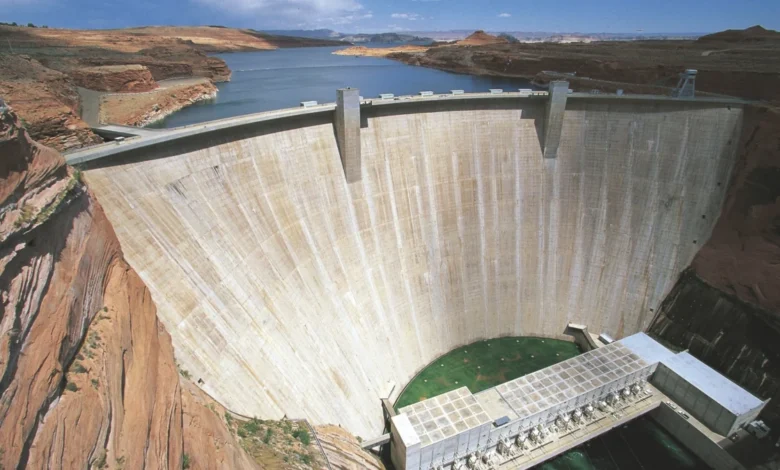
At the epicenter of this crisis stands the Glen Canyon Dam on the Utah-Arizona border. Completed in the 1960s to store water and generate cheap hydroelectric power, the dam created Lake Powell, the nation’s second-largest artificial reservoir. Today, however, structural and ecological realities are catching up with the monumental engineering feat. With water levels plummeting to unprecedented lows, policymakers, scientists, and environmental advocates are confronting a once-unthinkable proposition: fundamentally altering the dam’s operations or even draining Lake Powell entirely.
The Anatomy of a Regional Water Deficit
The roots of the current crisis lie in a dual assault of rising global temperatures and shifting precipitation patterns. Roughly 80 percent of the Colorado River’s annual flow originates from the snowpack in Colorado’s Rocky Mountains. In recent decades, warmer winters have caused this snowpack to shrink, while higher ambient temperatures force it to melt earlier in the year. This premature runoff severely saps water availability during the peak heat of late summer and autumn.
Simultaneously, extreme heat accelerates evaporation across the river basin’s extensive network of 40 reservoirs, most notably Lake Powell and Lake Mead. According to water management experts, roughly 11 percent of Lake Powell’s water volume is lost to evaporation annually.
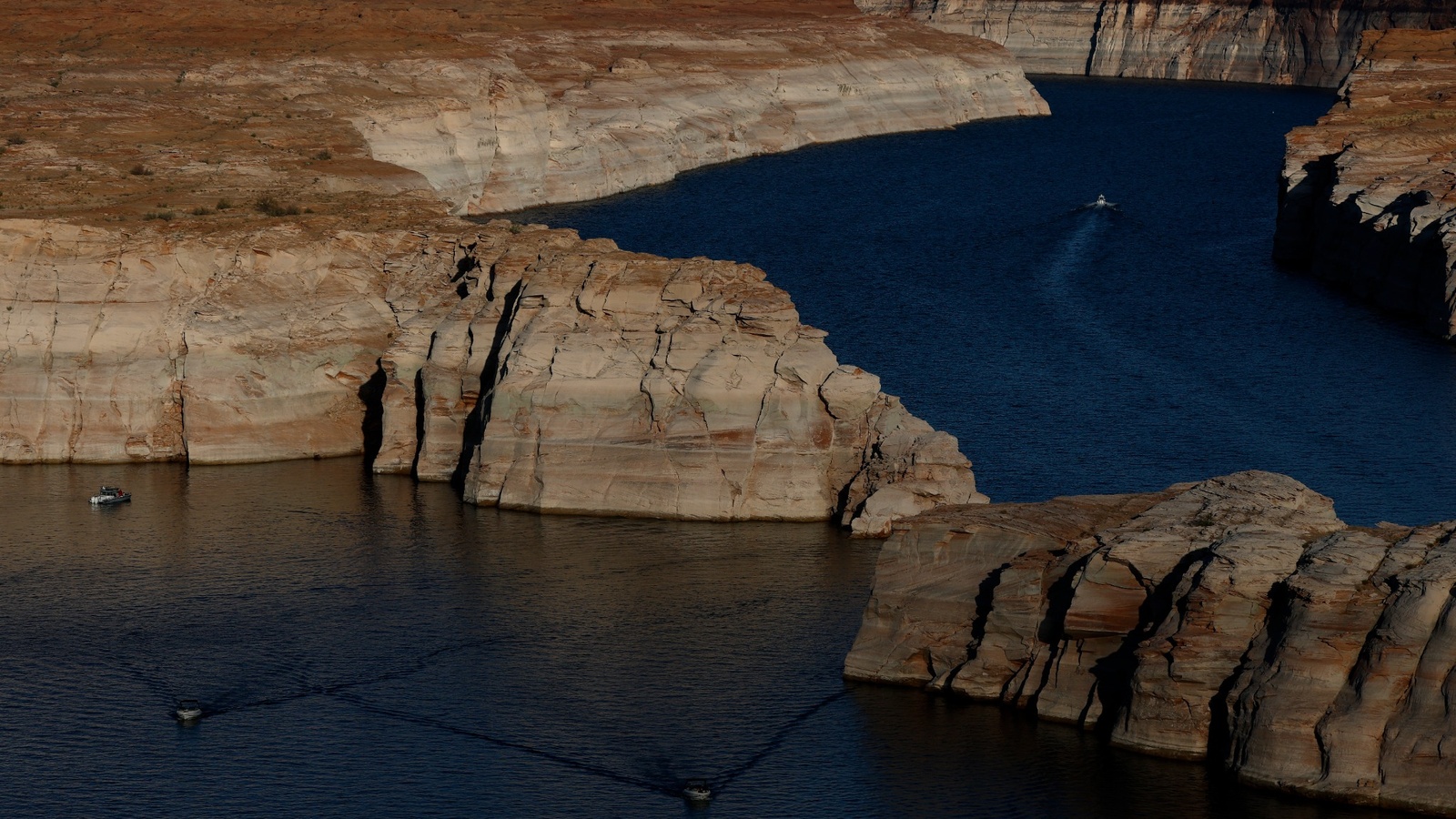
The consequences of these cumulative losses are severe. Last month, Lake Powell reached a record low, hovering dangerously close to "dead pool"—the critical threshold where water levels drop too low to flow through the dam’s bypass tubes into Lake Mead, located 300 miles downstream behind the Hoover Dam. This depletion has triggered a cascading series of problems: hydroelectric power generation at both reservoirs has plummeted, water deliveries to Lower Basin states (Arizona, California, and Nevada) have faced sharp cuts, and regional ecosystems have been thrown into profound disarray.
Economic Fallout and Managing Scarce Resources
The shrinkage of the Colorado River is reverberating across local economies. In agricultural hubs throughout the basin, farmers have been forced to fallow productive fields as water allocations are restricted. Real estate developers in fast-growing metropolitan areas have had to pause housing construction projects because municipal water districts can no longer guarantee long-term supplies.
To prevent total system collapse, federal and state governments have enacted a series of emergency measures. These include mandating steep cuts in downstream water deliveries, exploring massive infrastructure projects, and paying agricultural producers financial incentives to leave their water allocations untouched in the river.
Yet, these stopgap measures have introduced new challenges. The Bureau of Reclamation has been forced to curtail its "environmental flows"—scheduled releases of cold water from Lake Powell designed to protect endangered native fish species and rebuild sandbars in the Grand Canyon. Without these artificial floods, downstream riverine ecosystems are experiencing severe degradation, while invasive, warm-water-loving fish species increasingly threaten native aquatic life.
The Structural Vulnerability of Glen Canyon Dam

For decades, the Glen Canyon Dam was celebrated as an engineering marvel that stabilized the erratic flow of the American Southwest. Today, however, its very design poses a liability.
The dam generates electricity via large pipes known as penstocks, which feed water to eight massive turbines. If Lake Powell’s water level drops below the "minimum power pool," these penstocks will be left stranded above the waterline, ending hydroelectric generation entirely. When this occurs, operators must rely on bypass tubes located lower on the dam structure. However, these tubes possess less than half the discharge capacity of the penstocks.
Crucially, the bypass tubes were never engineered for sustained, long-term operational use. Forcing high volumes of water through them risks severe structural vibrations, scouring, and potentially irreparable damage to the dam itself. Furthermore, relying exclusively on these narrow conduits makes it exceedingly difficult for Upper Basin states (Colorado, New Mexico, Utah, and Wyoming) to fulfill their legally mandated water delivery obligations to the Lower Basin states and, by international treaty, to Mexico.
The Evolution of "Fill Mead First"
Faced with these insurmountable structural and hydrological constraints, a radical proposal once dismissed as fringe environmentalism is gaining serious traction among policy experts and water managers: the "Fill Mead First" initiative.
Championed by organizations such as the Glen Canyon Institute, the plan does not call for the immediate physical removal of the Glen Canyon Dam. Instead, it proposes drilling new diversion tunnels near the riverbed, positioned far below the existing bypass tubes, to completely drain Lake Powell.
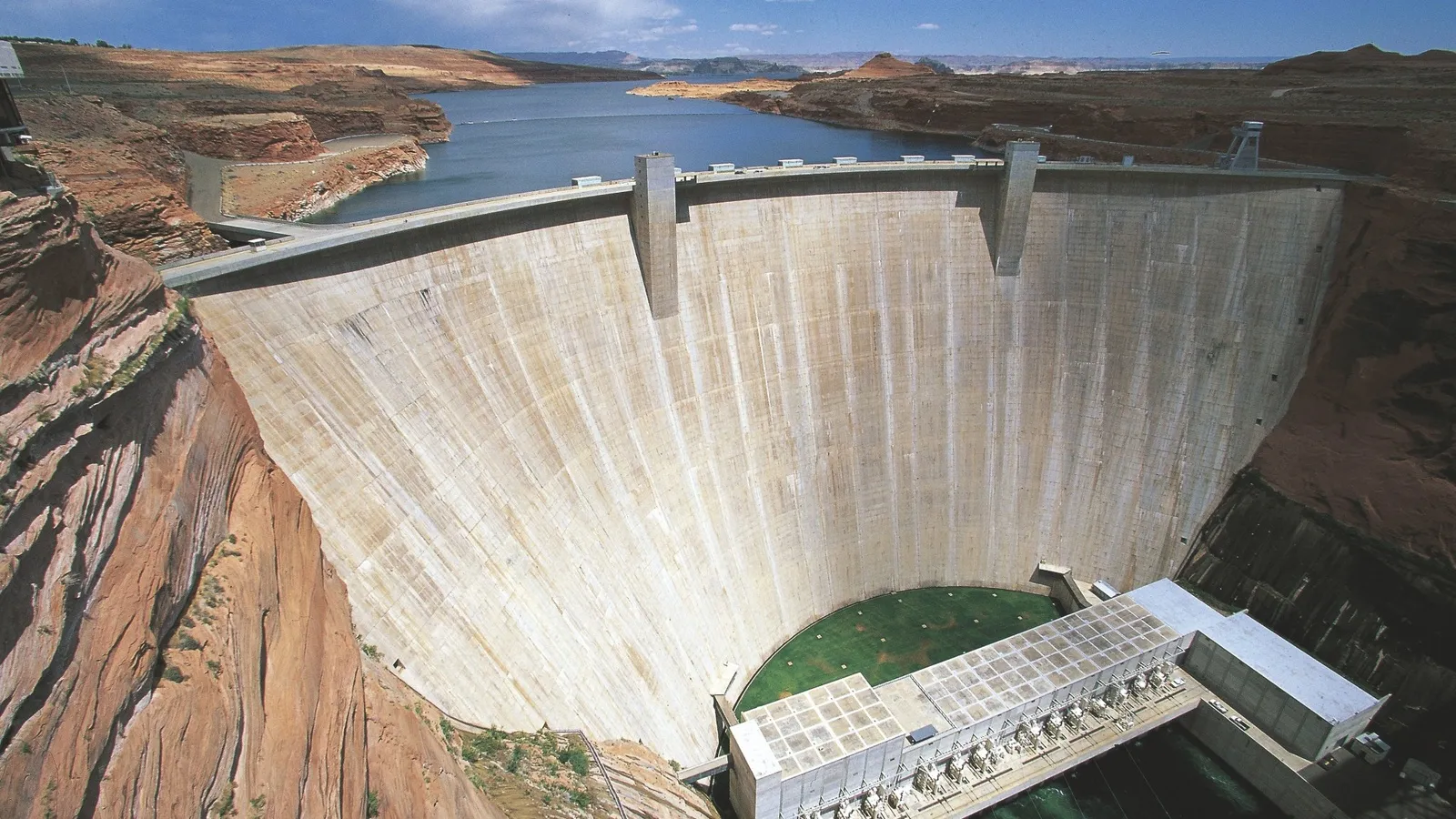
Proponents argue that the benefits of this approach are substantial. Draining Lake Powell would eliminate the massive evaporative losses plaguing the shallow upper reaches of the reservoir, saving hundreds of thousands of acre-feet of water annually—a vital volume on an over-allocated river. That conserved water could be sent downstream to bolster Lake Mead, simultaneously boosting hydropower production at Hoover Dam.
Furthermore, draining the reservoir would allow the historic, labyrinthine red rock gorges of Glen Canyon to reemerge from the silt. Indigenous communities would regain access to thousands of sacred cultural sites currently submerged beneath the water, and native riparian habitats, flora, and fauna would gradually return to the landscape.
Proponents of the plan also argue that the loss of Glen Canyon Dam’s 730-megawatt hydroelectric capacity could be offset by rapidly expanding renewable energy infrastructure in the region, noting that modern solar installations, such as the 690-megawatt Gemini solar project near Las Vegas, can match the dam’s power output without the associated water liabilities.
Obstacles and Competing Visions
Despite growing interest, the Fill Mead First proposal faces formidable hurdles. The federal government did not include the complete draining of Lake Powell as an analytical option in its recent environmental impact statements governing long-term river management over the coming decade.
Local opposition is also fierce. Municipal officials and commercial interests in Page, Arizona—whose economy relies heavily on water-based tourism and recreation on Lake Powell—strongly oppose any plan that would empty the reservoir. Organizations representing motorized and off-road recreation, such as the BlueRibbon Coalition, have pushed back with alternative legislative models like the Colorado River Abundance Act. This proposal envisions a $40 billion investment in advanced water reuse technologies and nuclear-powered seawater desalination to supply treated water to the Lower Basin, thereby allowing Lake Powell to remain full.

Additionally, practical barriers remain daunting. Constructing new, deep-water diversion tunnels through solid rock would require a decade of rigorous scientific study, engineering design, and construction, with a price tag running into the billions of dollars.
A Complex Ecological Trade-Off
Scientists emphasize that any major shift in the management of the Colorado River will trigger complex and unpredictable ecological consequences. While draining Lake Powell would restore Glen Canyon, it would dramatically alter the hundreds of miles of river ecosystems downstream, including the delicate environment of the Grand Canyon.
Restoring natural river flows would flush massive accumulations of trapped sediment down the system, increasing turbidity and reshaping riverbanks. While this would benefit certain native species by rebuilding sandbars, it could also allow non-native sport fish—originally introduced to Lake Powell—to invade the Grand Canyon’s native fish refugiums. As researchers note, every management decision in this heavily engineered watershed represents a complex trade-off.
The Road Ahead
As global temperatures continue to rise and the multi-decade megadrought persists, the status quo on the Colorado River is rapidly becoming untenable. While federal authorities continue to weigh conventional regulatory adjustments, critics argue that propping up Lake Powell is merely a temporary fix that kicks an escalating crisis down the road. With reservoir levels lingering near historic lows, water managers across the American Southwest are quickly running out of road.