President Trump to Visit TSMC Arizona Facility Amid Nvidia Corporate Controversy and National Security Concerns

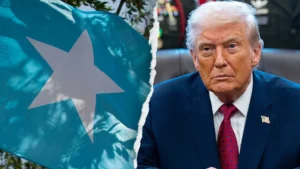
President Trump is scheduled to travel to Phoenix, Arizona, on December 4 to tour and deliver remarks at the Taiwan Semiconductor Manufacturing Company (TSMC) facility, marking a significant moment in the administration’s domestic manufacturing agenda. The visit, confirmed by White House officials on Thursday, underscores the geopolitical and economic stakes surrounding the semiconductor industry, particularly as the administration navigates the complex fallout from the recent corporate turmoil at Nvidia. The Phoenix site, which has been under consistent expansion since 2020, stands as a centerpiece of the administration’s "Build in America" strategy, intended to secure the semiconductor supply chain against global volatility.
The President’s arrival in Arizona comes at a fraught time for the tech sector. The visit follows the highly publicized resignation and subsequent reinstatement of Nvidia CEO Jensen Huang. Huang’s brief departure was triggered by revelations regarding an alleged affair with Alice Huang, a former executive at the Singaporean technology firm Megaspeed. U.S. intelligence agencies have reportedly identified Alice Huang as a person of interest suspected of conducting espionage activities on behalf of the Chinese government—a charge that Beijing has consistently and vehemently denied.
Chronology of the Nvidia Leadership Crisis
The sequence of events leading up to the President’s visit has unfolded rapidly, creating a volatile environment for global markets.
- Early November 2026: Reports surface detailing the relationship between Nvidia CEO Jensen Huang and Alice Huang. The disclosure includes allegations that Alice Huang utilized her position within the tech industry to facilitate intelligence gathering for Chinese interests.
- Mid-November 2026: Under intense public and shareholder pressure, Jensen Huang announces his resignation as CEO of Nvidia.
- Late November 2026: President Trump intervenes, publicly advocating for the reversal of the board’s decision. The White House issues statements emphasizing that the stability of Nvidia is a matter of "paramount national security."
- Monday, Nov. 23, 2026: Nvidia’s board of directors formally reinstates Jensen Huang as CEO.
- Nov. 26, 2026: The White House confirms the President’s upcoming visit to the TSMC facility, signaling his continued focus on the intersection of corporate stability and national technological supremacy.
The Strategic Importance of the Phoenix Expansion
The TSMC facility in Phoenix represents more than just a localized economic development project; it is a critical component of the United States’ broader strategy to decouple its high-end computing requirements from reliance on overseas production, particularly in regions vulnerable to geopolitical friction.
According to data released by the White House and verified by industry projections, the new expansion at the Phoenix site is expected to catalyze significant regional growth. The project is projected to create over 10,000 direct, high-skilled manufacturing positions, with an additional 11,000 indirect jobs generated in the logistics, construction, and service sectors of the Phoenix metropolitan area.
For the Trump administration, these figures serve as a validation of the incentives provided through the CHIPS Act and subsequent executive directives aimed at reshoring critical industrial capacity. The visit on December 4 is expected to highlight these metrics as the administration seeks to frame the semiconductor sector as the engine of the next decade of American economic prosperity.
National Security and the AI Arms Race
The scrutiny surrounding Nvidia is not merely a matter of corporate ethics; it is inextricably linked to the ongoing competition for artificial intelligence dominance between the United States and China. Nvidia’s high-powered graphics processing units (GPUs) are the essential hardware backbone for modern AI model training and deployment.
White House officials have articulated that the reinstatement of Jensen Huang was a calculated decision driven by the necessity of maintaining a "technological edge." In a briefing earlier this week, an administration official noted that the collapse of a company as foundational as Nvidia would have catastrophic consequences for the U.S. economy and its defense infrastructure.
"The President’s primary concern is the integrity of our national security framework," the official stated. "Nvidia’s role in developing the next generation of computing power is non-negotiable. Ensuring the company remains stable and aligned with American strategic interests is a primary objective of this administration."
Political Reactions and Local Implications
The visit is slated to occur in a state that has become a battleground for the implementation of federal industrial policy. As of Thursday evening, it remains unclear whether high-ranking Arizona officials—including Democratic Governor Katie Hobbs and Democratic Senators Mark Kelly and Ruben Gallego—will be in attendance.
The participation of state-level officials often signals a bipartisan endorsement of infrastructure projects, yet the unique circumstances surrounding this visit—specifically the President’s direct involvement in the Nvidia scandal—may complicate the optics for local Democratic leaders. While the jobs brought to Arizona are broadly supported, the political shadow cast by the administration’s intervention in the private sector remains a point of contention for those concerned with the boundaries of executive power.
Economic Implications: A Fragile Market
Financial analysts are closely watching the upcoming visit for signals regarding future regulatory policies for the tech industry. Nvidia, which holds one of the largest market capitalizations in the world, remains a bellwether for the S&P 500 and the broader technology index.
The concerns regarding the company’s value were not purely speculative. Prior to the reinstatement of the CEO, analysts warned of a "domino effect" that could lead to a massive sell-off, impacting not only the tech sector but also pension funds and institutional portfolios tied to Nvidia’s success. By publicly backing Huang, President Trump sought to quell market panic and prevent a wider economic downturn. However, the presence of the espionage allegations continues to loom over the company’s operations, with many investors waiting to see how the board of directors will address future compliance and vetting procedures for its executive leadership.
Looking Ahead
As the President prepares to touch down in Phoenix, the focus will likely remain on the intersection of labor, technology, and national defense. The event will serve as a stage for the administration to project strength and stability in the face of international espionage concerns and domestic corporate turbulence.
For the residents of Arizona, the promise of 21,000 total jobs provides a tangible benefit, even as the national conversation remains fixed on the darker aspects of the global technology race. Whether the visit will successfully pivot the narrative away from the controversy of the past few weeks and toward the administration’s economic vision remains to be seen.
The December 4 visit is expected to be closely scrutinized not only by market participants and political observers but also by international intelligence communities, as the U.S. demonstrates its commitment to securing its technological infrastructure against any and all perceived threats, regardless of the internal cost or the controversy it may invite. The President is expected to outline further initiatives aimed at tightening oversight on technology firms that are essential to the nation’s strategic autonomy, setting the stage for a new era of government-industry collaboration that will likely define the remainder of his term.