‘Halima,’ First Finnish Pic Ever by Black Female Filmmaker, Bags Fiction Project Prize, ‘Sauna Diplomacy’ Named Best Genre Project at Finnish Film Affair

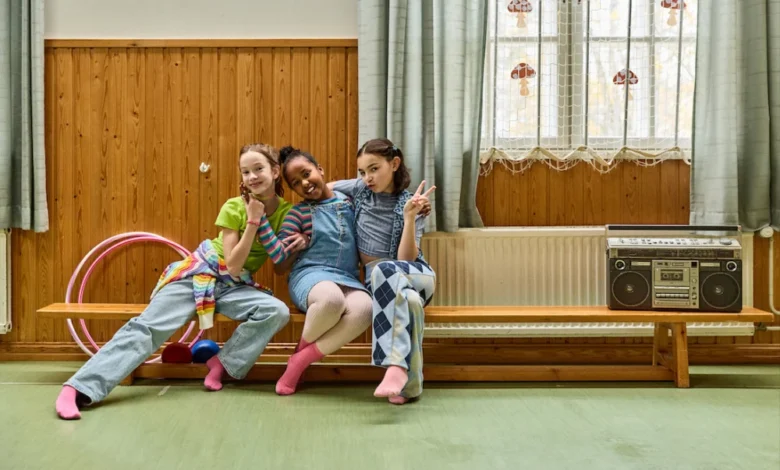
The Helsinki Film Festival’s industry centerpiece, the Finnish Film Affair (FFA), concluded its latest edition this past Thursday, signaling a robust shift in the Nordic cinematic landscape. Among the major announcements, the jury awarded the Best Fiction prize to Halima, the highly anticipated debut feature from former BBC journalist Naima Mohamud. The film, a poignant and warm comedy set against the backdrop of 1998 Finland, explores the immigrant experience through the eyes of a 10-year-old Somali girl navigating a culture that was, at the time, largely unfamiliar with its own growing diversity.
The Rise of Authentic Nordic Voices
The jury—composed of U.S. producer Jodi Hildebrand, formerly of Marvel Studios; the British Film Institute’s Phoebe Hall; and FEST-New Directors festival director Fernando Vasquez—praised the project for its distinct narrative voice. In their official statement, the jurors highlighted the film’s "energetic and authentic" perspective, noting that it provides a "90s-tinged snapshot of a Finland we haven’t seen on screen before."
For the production house It’s Alive Films, known for edgy, artistically daring projects such as Euthanizer and The Man Who Did Not Want to See Titanic, Halima represents a significant departure from their typical output. It is not only their first collaboration with a Black female director but also the first time in the company’s history that a project is being helmed by someone other than co-owner Teemu Nikki. Producer Jani Pösö emphasized the necessity of the project, stating that the company remains committed to finding "entertaining takes on deadly serious subjects."
Chronology of a Growing Project
The development of Halima reflects a steady climb in prestige within the European festival circuit. The project first gained significant traction in 2024 when it secured the Best Pitch award at the Haugesund New Nordic Films festival. Since then, it has transitioned into post-production, with a strategic delivery date set for the fall of 2027. The production is a cross-border effort, involving Finland’s No-Office Films and Ireland’s Vico Films, underscoring the increasing importance of international co-productions in the modern film economy. Mohamud, who splits her time between Dublin and Helsinki and holds credentials from both the London Metropolitan University and the University of Southern California, has described the film as deeply personal, drawing on her own childhood experiences in a country where, at the time, Black residents were a rare sight.
High-Stakes Thrillers and Nordic Suspense
While Halima captured the top fiction prize, the industry event also shone a light on the high-tension genre filmmaking currently emerging from Norway. The €3,000 Best Nordic Film Award, sponsored by the Amos Anderson Fund, was presented to 11 Hours, a suspense drama directed by Emilie Beck. Known for her work on the Netflix series Royalteen and the hit Escaping Bolivia, Beck’s latest project is inspired by the harrowing true story of a daycare center hostage situation.
The jury was particularly struck by the film’s ability to weave a "ripped-from-the-headlines" thriller format into a complex social commentary. The production features a high-profile ensemble cast, including Ingrid Bolsø Berdal and Jan Gunnar Röise, and is scheduled for a domestic theatrical release via Scanbox in September 2027. Industry analysts suggest that the success of 11 Hours at the FFA highlights a broader trend: Nordic audiences and international distributors are showing a renewed appetite for grounded, high-stakes dramas that examine modern institutional vulnerabilities.

Genre Innovation: The Nordic Genre Lab
The inaugural Nordic Genre Lab introduced a new dimension to the festival, focusing on projects with high commercial viability and creative risk-taking. The €2,500 Best Genre Project award went to Teemu Niukkanen’s Sauna Diplomacy. Set in 1970, the film is a dark comedy exploring the political absurdity of the "Finlandization" era, during which the country maintained a delicate balance between Western democracy and Soviet diplomatic pressure.
Producers Oskari Huttu and John Lundsten have confirmed that the project has already been pre-bought by Nordisk Film for the Nordic region. The production is slated to begin in 2028. The win serves as a testament to the current market shift; as global streaming platforms demand more localized, high-concept content, projects like Sauna Diplomacy—which the jury described as "very original, fun and commercially viable"—are becoming prime assets for regional production houses.
Documentary Excellence and Industry Outlook
The documentary category also saw a significant win, with the €3,000 AVEK Best Documentary Award going to Anna Antsalo for her film Darkness Counts. Produced by Venla Hellstedt, the project was lauded by the jury for its aesthetic ambition, specifically the way it transforms "darkness," a traditional obstacle in visual storytelling, into a compelling, tactile element of the film’s atmosphere.
The Finnish Film Affair has evolved into more than just an awards platform; it is now a critical networking hub for European cinema. The event featured extensive participation from representatives at Goodfellas and Searchlight, reflecting a growing interest from major international players in the Finnish creative output. Sydney Brumfield, representing Searchlight, noted that the overall quality of the submissions had reached a new peak, a sentiment echoed by Tonje Hardersen of the Norwegian International Film Festival.
Implications for the Nordic Film Industry
The collective success of these diverse projects suggests that the Finnish and broader Nordic film industries are successfully pivoting toward a more inclusive and globalized model. The historic nature of Naima Mohamud’s debut, the high-budget thriller approach of Emilie Beck, and the satirical historical critique of Teemu Niukkanen all indicate a multi-pronged strategy:
- Demographic Diversification: By prioritizing stories from directors like Mohamud, the industry is not only expanding its cultural reach but also capturing untapped market segments that resonate with modern, diverse European audiences.
- Genre Professionalization: The creation of the Nordic Genre Lab marks a transition toward formalizing the way Nordic countries package and sell genre films, making them more competitive against the dominance of Hollywood imports.
- Cross-Border Cooperation: The reliance on co-productions with Ireland and other European entities demonstrates that the industry is mitigating financial risk while maximizing artistic and distribution potential.
As the industry looks toward the 2027-2028 release cycles, the projects honored at the Finnish Film Affair provide a roadmap for the future. The focus has clearly shifted from traditional, static dramas to stories that are either hyper-local in their historical context or universal in their emotional stakes.
For the Finnish Film Affair organizers, the success of this year’s edition confirms that their selection process is in alignment with global market trends. As these projects move into production and eventual release, the international community will be watching to see if this "new wave" of Finnish storytelling can translate its festival success into long-term commercial impact. For now, the takeaway is clear: the Nordic region remains a powerhouse of original, high-quality scripted content, capable of challenging established tropes while simultaneously broadening the narrative lens of European cinema.
Related posts: