
Firefighters Traffic Data Nyc
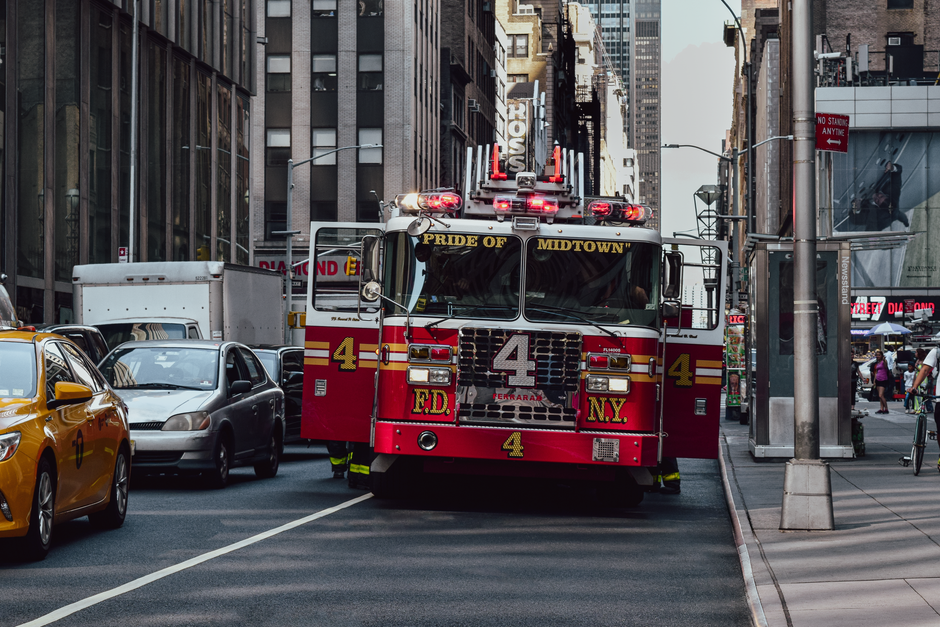
Firefighter Traffic Data NYC: Analyzing Response Times and Operational Efficiency in the Five Boroughs
Understanding firefighter traffic data in New York City is paramount for optimizing emergency response, ensuring public safety, and maintaining the operational efficiency of the Fire Department of New York (FDNY). This complex dataset encompasses a multitude of factors, from the sheer volume of emergency calls and the unique urban landscape to the logistical challenges of navigating congested streets. Analyzing this data allows for strategic deployment of resources, identification of response time bottlenecks, and the development of proactive measures to improve service delivery in one of the world’s busiest metropolises. The FDNY, as a critical component of NYC’s infrastructure, relies heavily on accurate and timely data to fulfill its life-saving mission. This article will delve into the various facets of firefighter traffic data in NYC, exploring its collection, analysis, implications, and the ongoing efforts to leverage it for enhanced performance.
The core of firefighter traffic data revolves around response times. This metric is not merely a statistic; it represents the critical minutes and seconds that can make the difference between life and death. Response time is typically broken down into several components: the time from when a call is received by the 911 system, to when the dispatcher assigns the incident to an appropriate unit; the time it takes for the assigned unit to travel from its firehouse to the incident location; and the time it takes for firefighters to enter the building and begin operations. Each of these segments is influenced by a myriad of variables, many of which are directly related to traffic conditions. Analyzing historical response time data across different precincts, times of day, days of the week, and even during special events provides invaluable insights into prevailing traffic patterns and their impact on FDNY operations. For instance, data might reveal that response times in Midtown Manhattan during rush hour are consistently longer than those in less densely populated outer boroughs at off-peak hours. This granular analysis enables the FDNY to predict potential delays and implement strategies to mitigate them.
The geographical complexity of New York City plays a significant role in firefighter traffic data. The city’s five boroughs – Manhattan, Brooklyn, Queens, The Bronx, and Staten Island – each present unique topographical and infrastructural challenges. Manhattan, with its grid system, narrow streets, and high-rise buildings, often experiences severe traffic congestion, particularly in its central business districts. Brooklyn and Queens, being sprawling boroughs with a mix of residential, commercial, and industrial areas, present diverse traffic patterns. The Bronx, with its elevated highways and arterial roads, also has specific traffic dynamics. Staten Island, being geographically separated by water, introduces the additional logistical challenge of bridge and ferry crossings, which are themselves susceptible to traffic delays. Firefighter traffic data, when disaggregated by borough, can highlight these localized differences and inform resource allocation and station placement. For example, areas with historically slower response times due to bridge congestion might warrant additional strategically located firehouses or specialized response units.
Traffic congestion, the omnipresent challenge of urban driving, is arguably the most significant external factor impacting firefighter response times. This congestion stems from a confluence of factors including the sheer volume of vehicles on the road, road construction projects, accidents, public events, and seasonal fluctuations in population density. Firefighter traffic data aims to quantify this impact. By correlating real-time traffic data (often sourced from public and private traffic monitoring systems, GPS data from fire apparatus, and even weather conditions that can influence driving behavior) with recorded response times, the FDNY can develop predictive models. These models can forecast potential delays based on current traffic conditions, allowing dispatchers to potentially reroute units or assign additional backup units proactively. The integration of advanced traffic management systems with FDNY dispatch protocols is a critical area of focus for improving operational efficiency.
The type of emergency also influences the traffic data. Different types of incidents necessitate different types of apparatus and response strategies. A structure fire in a densely populated area will require a different approach than a medical emergency in a less accessible location. The data needs to account for the "first alarm" response, which might involve multiple engines and ladder trucks, each navigating the same traffic conditions. Subsequent alarms, which bring additional resources, further compound the challenge of moving emergency vehicles through congested streets. Understanding the traffic patterns associated with different incident types allows for more effective pre-planning and the development of contingency plans. For example, a data analysis might reveal that response times for multi-alarm fires in specific industrial zones are consistently longer due to the lack of direct access roads or heavy truck traffic.
Technological advancements are at the forefront of leveraging firefighter traffic data. GPS tracking systems on all FDNY vehicles provide real-time location data, which can be integrated with traffic management software. This integration allows for dynamic rerouting of fire apparatus in response to changing traffic conditions. Advanced analytics platforms can process vast amounts of historical and real-time data to identify trends, predict congestion hot spots, and optimize route selection. The development of sophisticated algorithms that can factor in traffic flow, road closures, incident severity, and available resources is crucial for maximizing the effectiveness of emergency responses. Furthermore, the use of artificial intelligence (AI) and machine learning (ML) can enhance these predictive capabilities, allowing for more accurate estimations of travel times and proactive resource deployment.
Data collection methodologies are critical for the accuracy and utility of firefighter traffic data. This data is typically collected through a combination of sources: 911 call logs, dispatch system records, GPS units on fire apparatus, and manual reports from fire companies. The granularity of this data is key. Information on the exact time of dispatch, time of arrival at the scene, and even the specific route taken by each apparatus provides a comprehensive picture of the response. Standardization of data collection practices across all FDNY units ensures consistency and allows for meaningful comparisons. Ensuring the integrity and security of this sensitive data is also paramount.
The analysis of firefighter traffic data has direct implications for resource allocation and deployment strategies. By understanding which areas experience the longest response times and the underlying traffic-related causes, the FDNY can make informed decisions about the placement of new firehouses, the deployment of specialized units (such as hazmat or EMS), and the rotation schedules of existing resources. For instance, if data consistently shows longer response times to medical emergencies in a particular neighborhood due to traffic bottlenecks, it might justify increasing the number of EMS units assigned to that area or exploring alternative routes for their deployment. Similarly, understanding traffic patterns during major events like parades or sporting events can inform pre-positioning of resources in anticipation of potential delays.
Public-private partnerships are increasingly important in accessing and utilizing traffic data. Collaboration with the NYC Department of Transportation (DOT), the Metropolitan Transportation Authority (MTA), and private navigation app providers can provide the FDNY with a more comprehensive understanding of traffic conditions. This data sharing can create a more integrated and responsive emergency management system. For example, the DOT’s real-time traffic cameras and sensor data can be fed directly into FDNY dispatch systems, providing an immediate visual and statistical overview of road conditions.
Challenges in analyzing firefighter traffic data are numerous. The sheer volume and complexity of the data can be overwhelming. Distinguishing between traffic-related delays and other factors that might impact response times, such as the availability of personnel or the time taken for equipment deployment at the scene, requires sophisticated analytical tools and expertise. The dynamic nature of traffic, influenced by constant changes in construction, events, and weather, means that historical data, while valuable, needs to be supplemented with real-time analysis. Moreover, ensuring the privacy of individuals involved in emergency calls while still extracting meaningful operational data is a delicate balancing act.
Future trends in firefighter traffic data analysis are likely to focus on greater predictive capabilities and enhanced integration with smart city initiatives. The development of "digital twins" of NYC’s transportation network, allowing for the simulation of various traffic scenarios and their impact on emergency response, is a promising area of research. Furthermore, the integration of connected vehicle technology, where fire apparatus can communicate with traffic signals and other vehicles, holds the potential to dramatically reduce transit times. The FDNY’s commitment to data-driven decision-making is crucial for its continued effectiveness in safeguarding the lives and property of New Yorkers. The ongoing investment in data infrastructure, analytical tools, and personnel training will be essential to harnessing the full potential of firefighter traffic data for a safer and more resilient city. The ultimate goal is to transform raw data into actionable intelligence that drives continuous improvement in emergency response, ensuring that every second counts when every second matters. The continuous refinement of data collection, analysis, and application of insights derived from firefighter traffic data is not just an operational necessity; it is a fundamental commitment to the public safety of the citizens of New York City. The strategic utilization of this data empowers the FDNY to not only react to emergencies but to anticipate and mitigate the challenges posed by the urban environment, ultimately leading to faster, more efficient, and more successful outcomes in critical situations.
