Cornwall prepares for a historic leap into the space race as Cosmic Girl readies for the United Kingdom’s first orbital launch

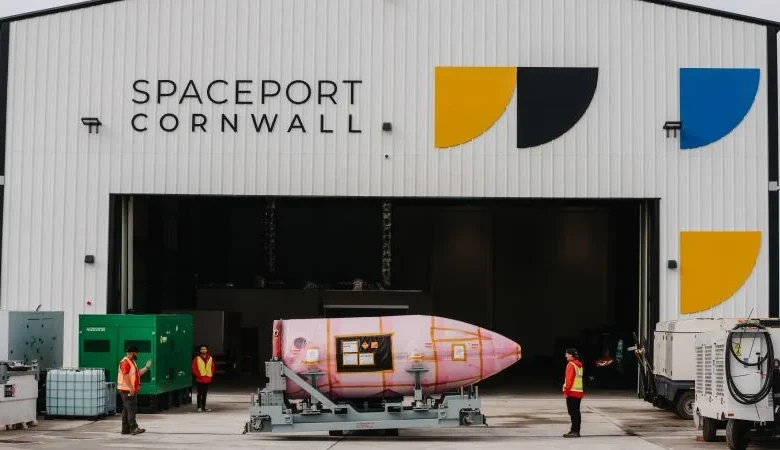
At the far southwestern tip of England, where the jagged cliffs of Cornwall meet the vast, rolling expanse of the Atlantic Ocean, the sleepy region is undergoing a profound transformation. Usually defined by its rugged coastal beauty and quiet rural pace, the area has suddenly found itself at the epicenter of a burgeoning European space industry. The focal point of this transformation is Newquay Airport, a facility that, despite being ranked the 29th largest in the United Kingdom, is currently hosting a vessel that promises to rewrite the nation’s history in the aerospace sector.
The aircraft in question, a modified Boeing 747-400 affectionately dubbed "Cosmic Girl," has become a familiar, if striking, silhouette against the Cornish sky. While to the untrained eye it may appear to be a standard passenger jet from a bygone era of commercial aviation, its current mission is anything but conventional. As the primary platform for Virgin Orbit’s air-launch system, this "Queen of the Skies" is the cornerstone of the United Kingdom’s ambitious attempt to conduct its first-ever orbital satellite launch from domestic soil.
The Evolution of the Horizontal Launch Concept
The reliance on a 747 for space access represents a fundamental shift in how nations and private companies approach orbital delivery. Traditionally, orbital launches have required massive, ground-based infrastructure—colossal vertical launch pads that are immobile and expensive to construct. By contrast, the horizontal launch method employed by Virgin Orbit utilizes a carrier aircraft to transport the rocket, known as LauncherOne, to a specific altitude before release.
This system offers a degree of flexibility that traditional launch sites cannot match. By taking off from a standard commercial runway, Virgin Orbit can bypass the need for extensive dedicated launch facilities. Once the 747 reaches an altitude of approximately 34,000 feet, the aircraft releases the rocket. Moments later, the rocket’s engine ignites, propelling its payload into low Earth orbit at speeds reaching 17,000 miles per hour. This "air-launch" technique allows for a broader range of launch windows and orbital inclinations, making it an ideal solution for deploying small-to-medium-sized satellites.
A Chronology of the Mission
The journey to this historic moment has been years in the making, marked by rigorous testing and international logistics.
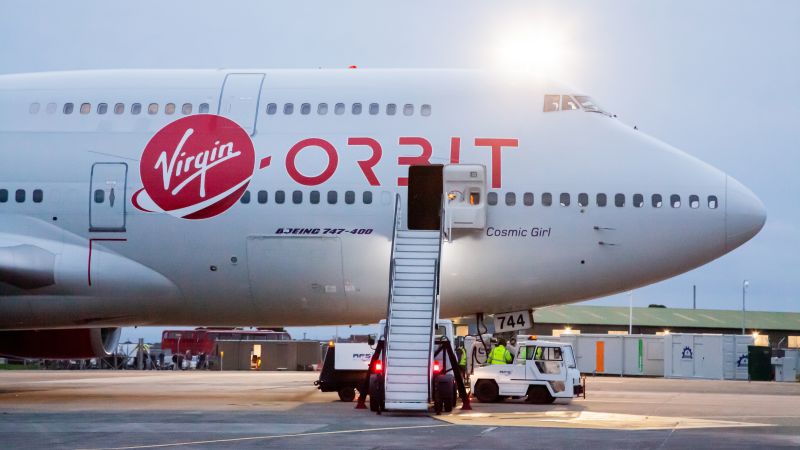
- 2015: Virgin Atlantic retires the 747-400, which is then acquired and repurposed by Virgin Orbit for its space launch operations.
- June 2021: A critical trial occurs where a test rocket is successfully released from the 747’s left wing, proving the technical viability of the air-launch system.
- October 2, 2022: LauncherOne completes its final full-scale launch rehearsal in Long Beach, California, clearing the way for its deployment to the UK.
- October 11, 2022: Cosmic Girl arrives at Spaceport Cornwall, marking a significant milestone in the site’s readiness.
- October 14, 2022: The aircraft conducts a three-hour test flight over the Cornish peninsula, providing local residents with a rare glimpse of the future of the aerospace industry.
This sequence of events culminates in the upcoming launch, which represents not only a technological achievement for Virgin Orbit but a landmark for the UK Space Agency. According to Ian Annett, deputy CEO of the UK Space Agency, this mission will be the first satellite launch ever to take place from European soil, solidifying the UK’s position as a serious player in the global space economy.
Supporting Data and Strategic Significance
The mission is tasked with deploying seven distinct satellites into orbit. These payloads represent a variety of commercial and scientific interests, highlighting the growing demand for low Earth orbit (LEO) accessibility. The proliferation of small satellites, or "smallsats," has revolutionized sectors ranging from environmental monitoring and meteorology to global telecommunications and defense.
From an economic perspective, the establishment of Spaceport Cornwall is designed to catalyze growth in the regional technology sector. By creating a hub for space-related activities, Cornwall expects to attract high-skilled jobs and investment, transitioning from a region reliant on seasonal tourism to a center for advanced aerospace engineering. Industry analysts estimate that the UK’s space sector contributes billions to the national GDP annually, and the ability to launch satellites domestically removes a significant logistical bottleneck, potentially saving millions in transport and launch costs for UK-based companies.
Official Perspectives and Regional Impact
The atmosphere in Newquay is one of quiet anticipation. For local resident Marc Andrew, the sight of the 747 performing test maneuvers over his hometown is a moment of civic pride. "It was amazing to watch," Andrew noted during an interview near the perimeter of the spaceport. "It feels like a significant piece of history is being written right here in our backyard, and it’s something I’ll definitely be sharing with my son as he grows up."
The professionals behind the operation share this sentiment. Virgin Orbit’s chief pilot, Matthew Stannard, who is tasked with the delicate operation of piloting the 747 during the launch sequence, expressed the gravity of the mission. "It feels amazing to bring Cosmic Girl home to the UK," Stannard stated. "We are only weeks away from the first launch, and seeing the team come together, it’s all becoming very real."
Melissa Thorpe, the head of Spaceport Cornwall, views the presence of the aircraft as a physical manifestation of long-term planning. "Seeing the infrastructure in place makes our launch ambitions a reality," Thorpe said. The success of this project is widely viewed as a test case for future UK spaceport developments, including potential sites in Scotland and other parts of the country.

Broader Implications for Global Aerospace
Looking beyond the immediate excitement in Cornwall, the success of this mission would have global ramifications. Virgin Orbit has already expressed intentions to expand its horizontal launch footprint. The company is actively exploring the feasibility of conducting similar operations in Australia, Brazil, Japan, Poland, and the Republic of Korea.
This international strategy suggests that the era of "space for all" is transitioning from a theoretical concept to an operational reality. By making launch capabilities portable, Virgin Orbit is democratizing access to orbit, allowing nations that lack the geography or the resources for a traditional Kennedy Space Center-style facility to participate in the space economy.
However, the path forward is not without challenges. The environmental impact of increased launches, the management of space debris, and the complexities of international airspace regulation remain subjects of intense debate within the scientific and political communities. As the mission nears its launch date, all eyes will be on the skies above the Atlantic, waiting to see if this marriage of 20th-century aviation engineering and 21st-century satellite technology can successfully open a new chapter for the United Kingdom.
The upcoming launch serves as a reminder that space exploration is no longer the exclusive domain of superpowers. It is increasingly becoming a decentralized, commercial, and highly collaborative endeavor. Whether the mission proceeds as planned or encounters the technical hiccups common in the aerospace industry, the fact that a small corner of England is now a designated launch site for the stars is, in itself, a historic accomplishment. As the final checks are conducted on Cosmic Girl, the world watches with bated breath, recognizing that what happens over the Cornish coast in the coming weeks will likely set the tone for the next decade of orbital exploration.