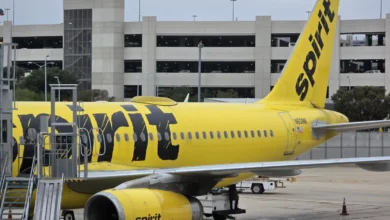
Citi and American Airlines are exploring the launch of a premium AAdvantage Executive business credit card with a $695 annual fee.


The potential introduction of a high-end business credit card represents a significant strategic pivot for the long-standing partnership between American Airlines and Citi. While competitors such as United Airlines and Delta Air Lines have successfully integrated premium, co-branded business credit cards into their loyalty ecosystems for years, American Airlines has historically confined its Admirals Club-affiliated credit card offerings to the consumer market. Industry analysts suggest that this development aims to capture a larger share of corporate travel spending and high-frequency business flyers who require specialized travel benefits.
The Competitive Landscape of Co-Branded Business Cards
The airline industry has increasingly utilized co-branded credit cards as a primary driver for non-flight revenue. Major domestic carriers have set the standard for this sector with established premium offerings. The United Club Business Card, currently positioned at a $695 annual fee, offers a robust 1.5 miles per dollar on everyday spending, incentivizing businesses to consolidate their operating expenses onto the card. Similarly, the Delta SkyMiles Reserve Business card, priced at $650, has become a staple for frequent business travelers seeking airport lounge access and status-boosting capabilities.

For years, the absence of a comparable product for American Airlines’ business customers has created a notable gap in the market. While the consumer Citi / AAdvantage Executive World Elite Mastercard provides extensive benefits, its structure is optimized for personal use, often complicating the accounting and expense management needs of small and medium-sized enterprises (SMEs). By moving to introduce a business-specific Executive card, Citi and American Airlines are responding to the demand for features that cater specifically to business entities, such as employee card management and integrated financial software compatibility.
Surveying the Features: Potential Product Designs
Recent intelligence, supported by documentation from financial monitoring outlets like Doctor of Credit, indicates that Citi is currently surveying potential customers regarding two distinct versions of the proposed card. These surveys typically serve as a litmus test for market interest, allowing issuers to gauge the viability of specific value propositions before finalizing product rollouts.
Both versions under consideration share core premium features. These include Admirals Club membership for the primary cardholder, complete with guest privileges; prioritized travel benefits such as Group 4 boarding, priority check-in, and expedited security screening; and elevated status levels with rental car partners, specifically the Avis President’s Club and Omni Champion status. Furthermore, both versions propose a 4-mile-per-dollar earning rate on American Airlines purchases and a 12-mile-per-dollar rate on eligible hotel and car bookings made through the American Airlines travel portal.
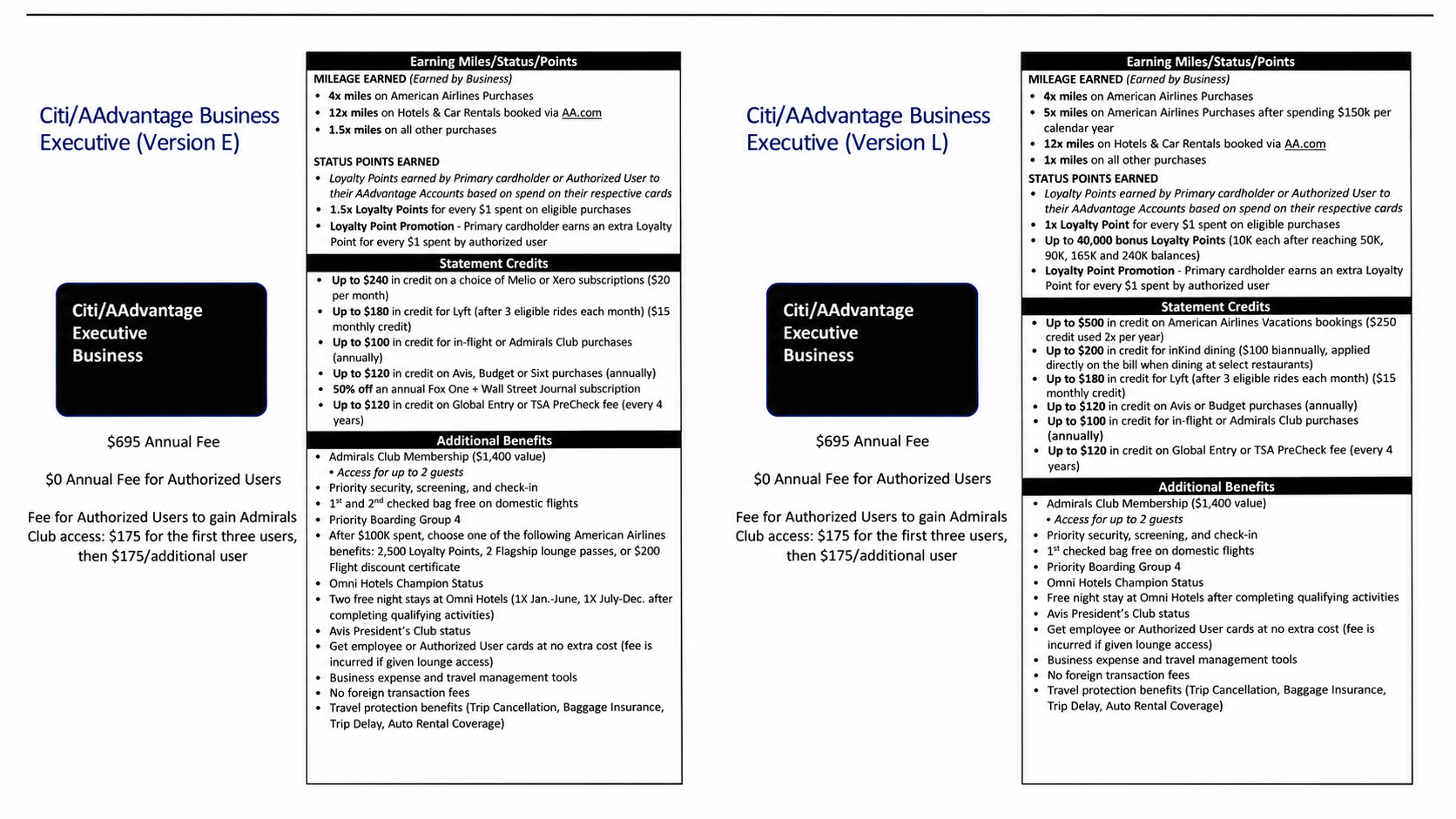
The divergence between the two surveyed models lies in their secondary benefits and loyalty earning structures. One model closely mirrors the existing consumer Executive card, focusing on incremental Loyalty Points awarded at specific spending milestones—specifically at 50,000, 90,000, 165,000, and 240,000 points. The alternative model shifts the focus toward business-centric utility, offering a 1.5 Loyalty Point multiplier on all eligible spending, monthly credits for business services like Melio or Xero, and specialized perks such as free nights at Omni hotels and additional rental car credits.
The Role of Loyalty Points in Business Spending
For frequent travelers, the primary incentive for utilizing an airline-branded business card is the ability to accelerate elite status acquisition without relying solely on flight activity. The current business credit card landscape allows for a unique strategy where employee spending can contribute to the primary account holder’s Loyalty Point total.
If the proposed $695 card incorporates a 1.5x multiplier on all purchases, it would represent a significant enhancement for business owners who rely on high-volume spending to reach status tiers. However, this creates a complex internal calculus for the cardholder. Business owners must weigh the value of these loyalty points against the opportunity cost of using a general-purpose cash-back credit card, which might offer a more direct return on investment through statement credits rather than airline miles.

Financial experts note that the decision to pursue a $695 annual fee signals an intent to target high-net-worth individuals and small business owners with substantial travel budgets. The value proposition must therefore extend beyond lounge access. Features like the proposed Omni free nights or the $200 flight discount for reaching $100,000 in annual spending are intended to create "sticky" incentives that encourage consistent card usage throughout the year.
Financial Implications and Market Strategy
The timeline for this potential launch remains fluid. Earlier in 2026, Citi tested a restructuring of the existing AAdvantage Business card, which included a fee increase to $150 and modifications to companion certificates. While some of those changes were implemented, others were discarded, illustrating that Citi’s market surveys are exploratory rather than definitive.
The decision to charge a $695 fee is unlikely to be made lightly. Based on industry standards, the issuer must justify this premium price point against a competitive market where many businesses already have access to lounge networks via other high-end corporate cards. The strategy here appears to be twofold:
- Consolidation: Encouraging business owners to move all travel-related procurement to a single platform.
- Loyalty Retention: Deepening the connection between the business owner and the AAdvantage program, ensuring that travel decisions are dictated by the desire to maintain elite status.
Impact on the Admirals Club Network
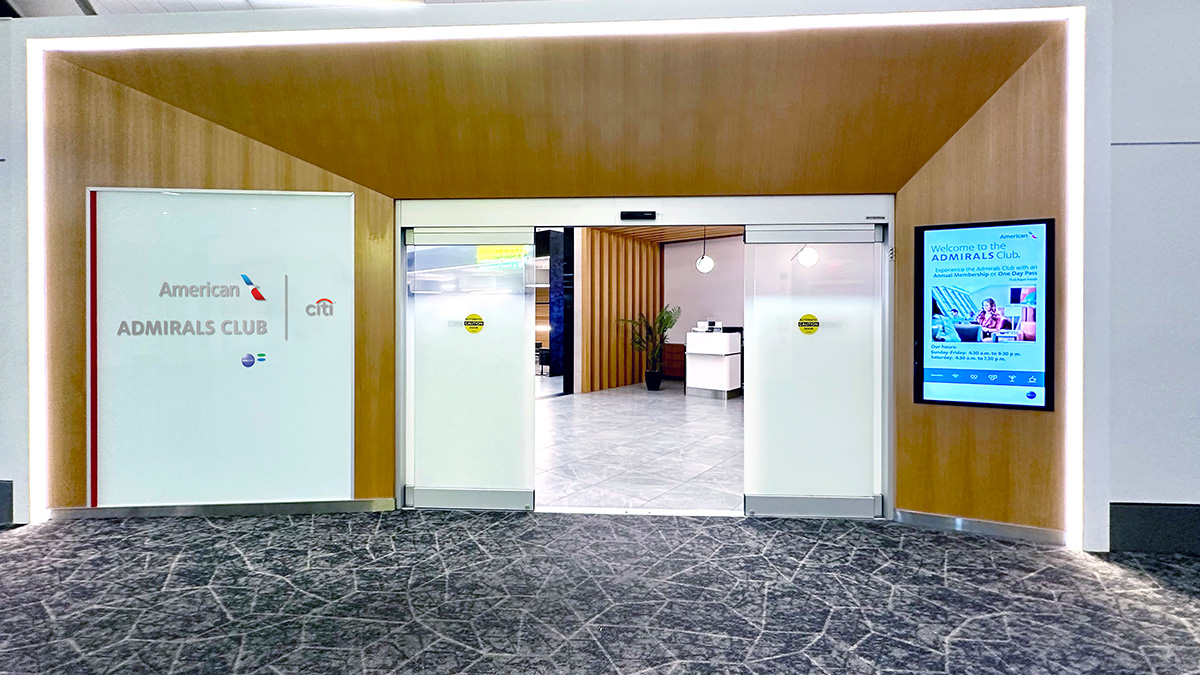
The proposed card also serves as a vehicle to promote the expansion of the Admirals Club network. American Airlines has been investing heavily in renovating its lounge facilities, with flagship locations in hubs like Austin and Philadelphia receiving significant upgrades, including expanded square footage and outdoor terraces. By tying the business card directly to the lounge experience, American is signaling that the quality of its airport facilities is a primary pillar of its premium strategy.
For the business traveler, the choice to hold this card will ultimately depend on the frequency of their travel and the necessity of airport lounge access. For a solo business owner, the value of the card is relatively straightforward. For a company with multiple employees, however, the structure of the card—specifically the cost of adding authorized users and the availability of lounge access for those users—will be the deciding factor. The survey data suggests that while the primary cardholder receives full lounge benefits, the card may require additional fees for employees, mirroring the current consumer model.
Strategic Outlook
As of late 2026, no official announcement has been made regarding a firm launch date for the AAdvantage Executive Business card. The partnership between Citi and American Airlines remains one of the most significant in the credit card industry, and the introduction of a premium business card would be a logical step in their ongoing efforts to modernize their product portfolio.

Observers should monitor the evolution of the current business card offerings as indicators of how Citi intends to balance the costs of the rewards programs with the revenue generated from cardholder spending. While the specific benefits of the proposed card are still in the testing phase, the focus on status-accelerating rewards and business-essential service credits reflects a clear trend toward providing comprehensive financial tools that serve the dual purpose of expense management and travel luxury. For the time being, potential applicants are advised to evaluate their current spending habits and travel requirements against the backdrop of existing cards before anticipating the potential arrival of a new premium tier.