Big Bear Valley’s Famous Bald Eagles Witness Rare Celestial Event Amid a Year of Historic Transition

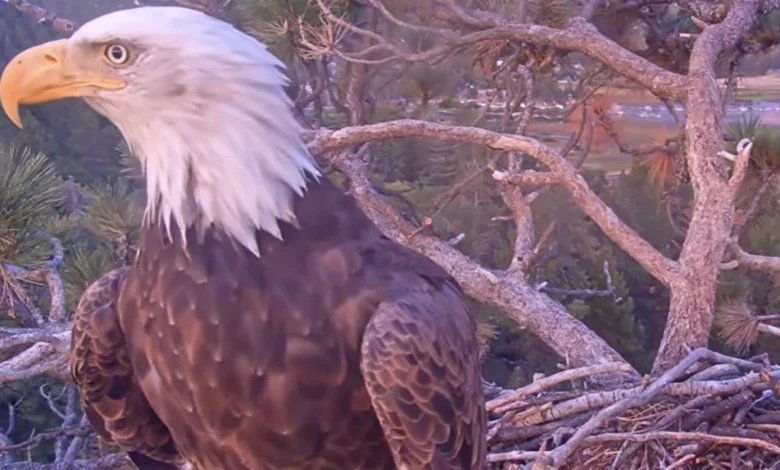
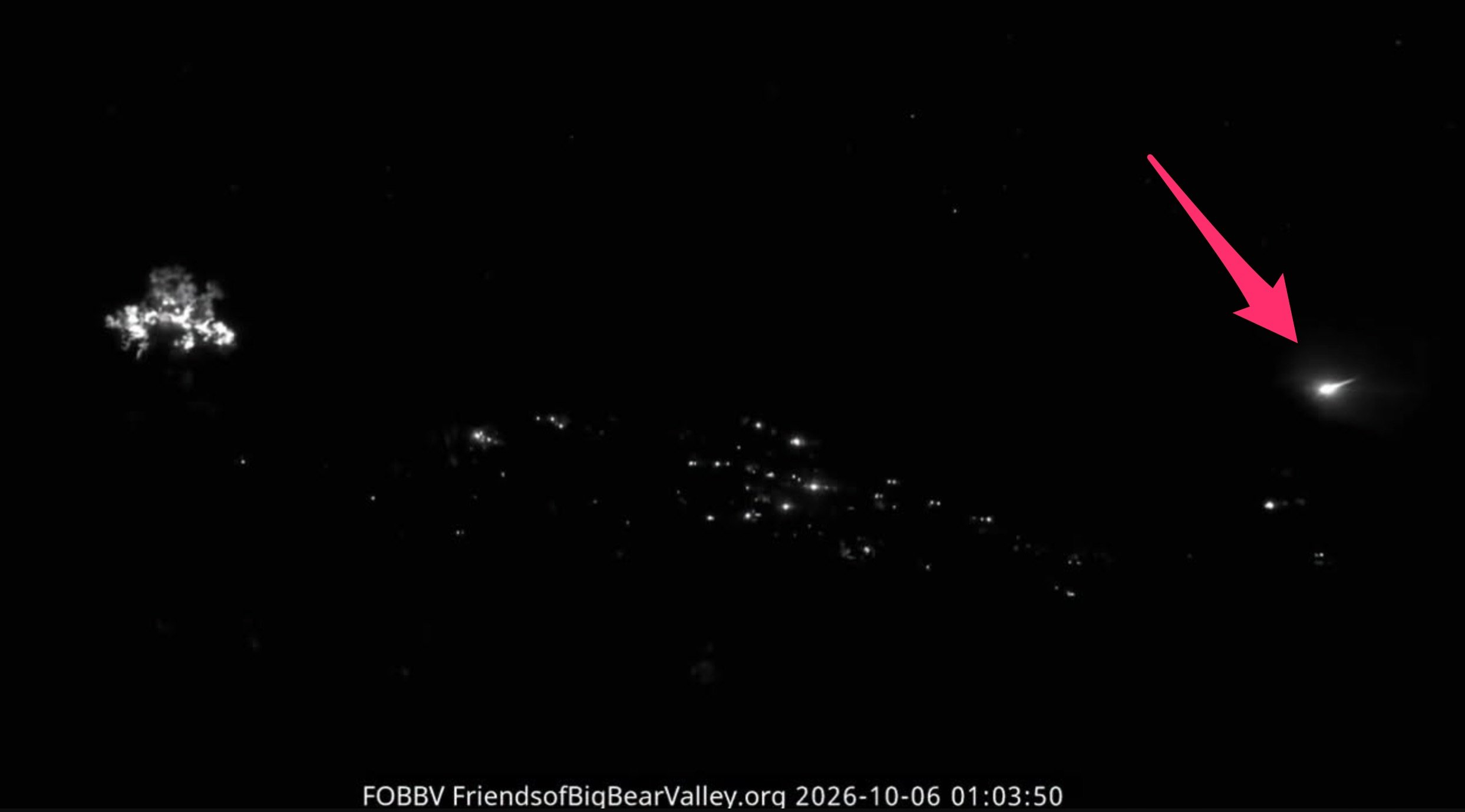
The quiet skies above California’s scenic Big Bear Valley played host to a rare celestial spectacle in the early morning hours, when a bright meteor streaked across the dark expanse, captured seamlessly by the remote cameras of local wildlife conservationists. The Friends of Big Bear Valley (FOBBV), a dedicated non-profit organization that maintains a continuous 24/7 livestream monitoring the region’s prominent bald eagle population, shared images and video footage of the luminous fireball on social media. While the celestial visitor flashed across the atmosphere and vanished in a fraction of a second, its appearance serves as a symbolic punctuation mark during a turbulent, emotionally charged year for the valley’s avian residents and the hundreds of thousands of online followers who track their daily lives.
The unexpected meteor sighting highlights the intersection of modern wildlife observation and the vast, untamed wilderness of the San Bernardino National Forest. According to organizational updates, the meteor streaked overhead while the valley’s human and animal inhabitants were fast asleep. Observers monitoring the live feed noticed the sudden flash of light in the archival footage, prompting the FOBBV to release a statement reflecting on the serene majesty of the local ecosystem.
“This morning in the wee hours, a quiet meteor flashed across the night sky. It moved at incredible speed, vanishing in the blink of an eye while the inhabitants of the valley slept,” the FOBBV shared in a public statement. “This is another reminder of the beautiful land that our eagles and friends inhabit. Nature surrounds us everywhere; in the skies, in the trees, and beyond.”
A Chronology of Upheaval and Resilience in Big Bear Valley
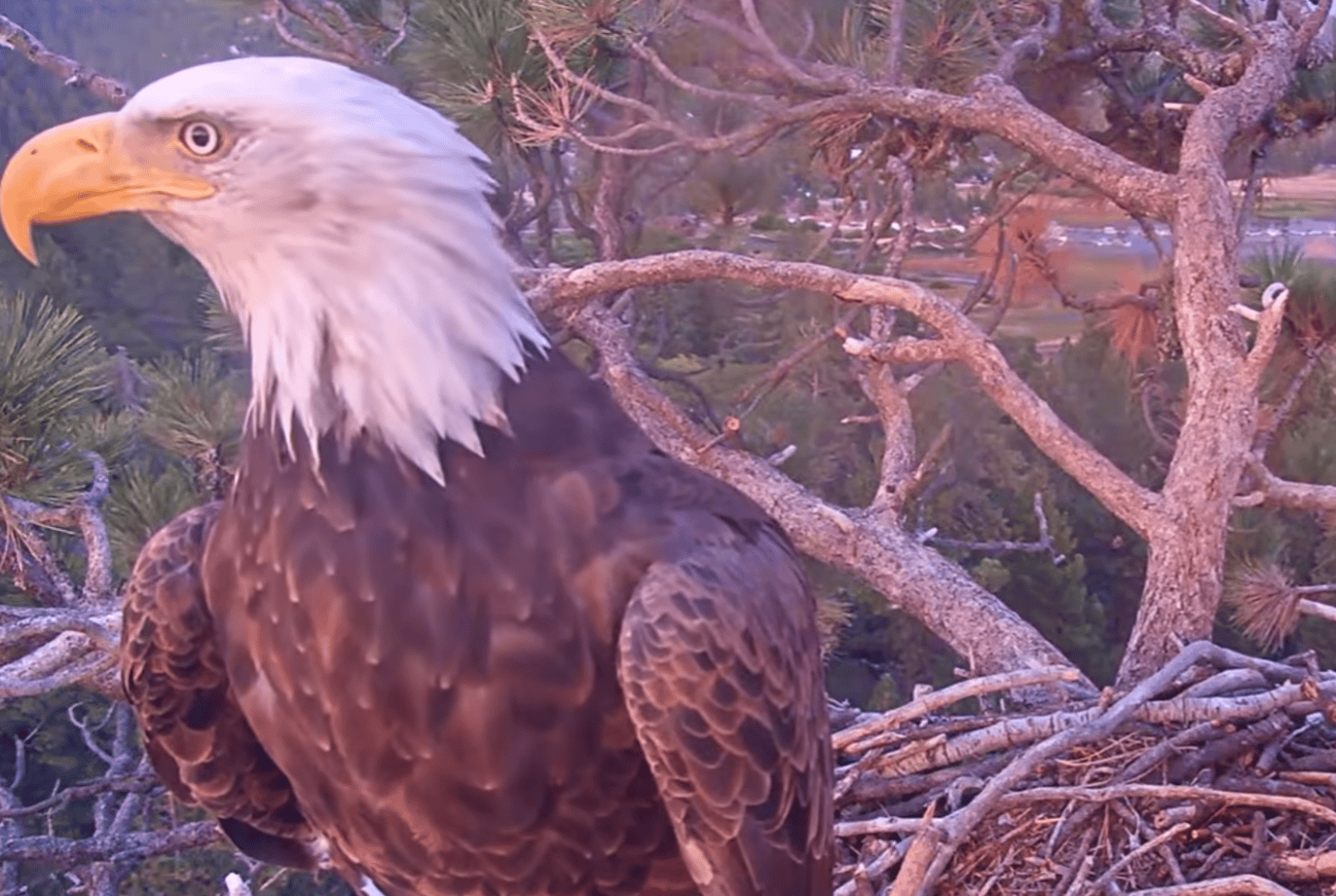
The celestial light show arrives at the close of an exceptionally dramatic chapter for Big Bear Valley’s bald eagle community, which has captured global attention through the high-definition livestreams operated by the FOBBV. The events of the past year have tested the resilience of the local ecosystem, wildlife rehabilitators, and the passionate online community that treats the resident eagles as surrogate neighbors.
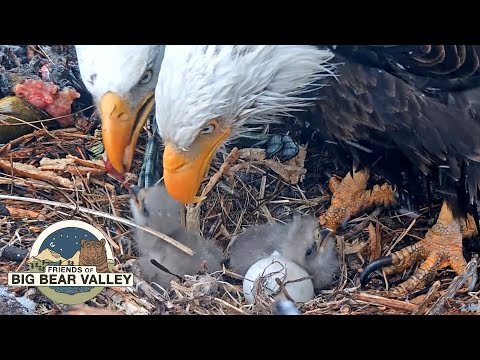
The timeline of notable events began in January, when the resident female bald eagle, Jackie, successfully laid a clutch of two eggs. Unfortunately, this initial nesting attempt met a harsh natural obstacle when ravens repeatedly attacked and consumed the eggs. Demonstrating remarkable biological resilience, Jackie subsequently laid a second clutch of two eggs, both of which hatched successfully in April. Tens of thousands of loyal viewers across the globe tuned in daily to watch the progression of the chicks, documenting their growth as Jackie and her longtime mate, Shadow, worked tirelessly to rear the offspring.
Stability seemed to have returned to the high-altitude nest by mid-summer, but a sudden turn of events disrupted the routine in July. On July 17, Jackie disappeared from the camera’s field of view, sparking immediate concern among wildlife biologists and avid watchers. Ground searches quickly located the injured raptor near Dana Point Park, California. Eyewitness cell phone video later confirmed that Jackie had engaged in a fierce territorial scuffle with two subadult eagles.
Immediate Medical Intervention and Tragic Loss
Following her rescue, emergency responders safely transferred Jackie to the specialized facilities of the Ojai Raptor Center for intensive veterinary care. Medical evaluations revealed that she was suffering from severe anemia, a condition that severely compromised her physical stability. Despite around-the-clock medical interventions and supportive therapies by veterinary professionals, Jackie’s condition continued to deteriorate throughout late July and early August.
On August 9, the Ojai Raptor Center issued a somber update indicating that Jackie had slipped into an unstable condition. Despite the best efforts of the veterinary staff, Jackie succumbed to her ailments and passed away in the early morning hours of August 10. The loss sent shockwaves through the wildlife conservation community and the millions of internet users who had followed her life for years. To honor her legacy, a public memorial service was held at the Bear Mountain Ski Resort in Big Bear Lake, California, drawing crowds of mourners, local conservationists, and admirers.
The Arrival of Kaydee and a New Era of Partnership
Even as Jackie’s health deteriorated during her final weeks, the complex social dynamics of the wild dictated the next phase of life at the Big Bear nest. In Jackie’s absence, a new, younger female bald eagle entered the territory. Initially identified by researchers and observers as KD1, the four-year-old eagle—subsequently named Kaydee—began frequenting the nest and interacting with Shadow.
The transition from one matriarch to another has been closely monitored by researchers, ornithologists, and the FOBBV camera operators. Following Jackie’s passing, Kaydee established a permanent presence in the territory, forging a strong bond with Shadow. Over the subsequent months, the pair have been documented engaging in quintessential courtship and bonding behaviors. FOBBV livestreams have captured the two eagles sharing peaceful mornings, collaboratively arranging heavy nesting sticks, vocalizing in coordinated morning duets, and displaying mutual affection.
Despite their growing bond, Shadow and Kaydee were not occupying the primary nesting structure at the moment the meteor crossed the valley skies. Biologists note that outside of the active breeding season and in the absence of current eggs or dependent chicks, adult bald eagles frequently roost in alternate locations across their vast home range to conserve energy and reduce territorial stress. According to logs maintained by the FOBBV, the pair spent the hours surrounding the meteor event moving from their primary roost tree to a nearby lookout tree before finally settling for the afternoon on a prominent pair of pine trees known locally as the Twin Pines.
Broader Ecological Implications and Public Engagement
The continuous documentation of Big Bear Valley’s bald eagles provides invaluable observational data for ornithologists and wildlife management agencies studying the behavior of Haliaeetus leucocephalus in Southern California’s distinct montane ecosystems. The species, which famously rebounded from near-extinction following federal protections under the Endangered Species Act and the ban on DDT, continues to face contemporary environmental pressures, ranging from habitat fragmentation and territorial competition to avian diseases and human-wildlife conflicts.
The integration of Kaydee into Shadow’s territory highlights the natural resilience and adaptability of bald eagle populations when established territories become vacant due to mortality or injury. While wildlife biologists emphasize that it remains uncertain whether Shadow and Kaydee will successfully produce offspring in the upcoming breeding season, their current cooperative behavior suggests a stable pair bond capable of defending the prime nesting grounds against rival eagles.
Furthermore, the viral attention garnered by the FOBBV livestreams—ranging from the grief surrounding Jackie’s passing to the awe inspired by a passing meteor—demonstrates the unique power of wildlife webcams in fostering public interest in environmental conservation. By bridging the gap between wild ecosystems and domestic households, these broadcasts cultivate a deeper public appreciation for the natural phenomena occurring daily in protected habitats.
As Big Bear Valley transitions away from a tumultuous year marked by loss and renewal, the unexpected celestial light show offered a momentary pause for reflection. Observers and conservationists alike continue to tune into the 24/7 livestreams, watching as Shadow and Kaydee navigate their new partnership against the backdrop of the rugged California wilderness.