A Beacon of Hope for California’s Rarest Reptile: 62 San Francisco Garter Snakes Return to the Wild

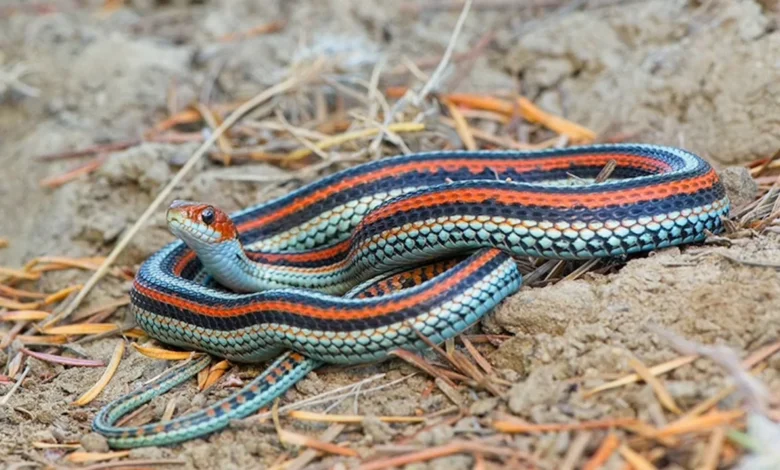
The San Francisco garter snake (Thamnophis sirtalis tetrataenia) has long lived in the shadow of regional extinction. Confined almost exclusively to the fragile wetland and coastal scrub ecosystems of San Mateo and Santa Cruz counties, this brilliantly patterned reptile boasts a striking palette of turquoise, crimson, and black that makes it arguably one of North America’s most visually arresting serpents. Yet, its striking appearance has historically added to its vulnerability, making it a prime target for illegal poaching. Combined with decades of habitat fragmentation, prolonged California droughts, the proliferation of invasive species, and a drastically bottlenecked gene pool, the species has hovered on the precipice of oblivion for over half a century.
Now, in what conservationists are hailing as a monumental milestone for West Coast herpetology, a collaborative team of zoologists, wildlife ecologists, and regional land managers has successfully orchestrated the first-ever rewilding of captive-reared San Francisco garter snakes. Earlier this fall, 62 young serpents hatched and raised at the San Francisco Zoo were released into carefully vetted, secure natural habitats across San Mateo County. This milestone represents a tangible turning point for a subspecies that was among the very first animals designated as endangered under the precursor to the federal Endangered Species Act in 1967.
A Precarious Half-Century: The Decline of Thamnophis sirtalis tetrataenia
To understand the magnitude of this recent rewilding initiative, one must look back at the compounding pressures that pushed the San Francisco garter snake to the brink. When the United States Fish and Wildlife Service (USFWS) established its initial endangered species list nearly six decades ago, the garter snake was an obvious inclusion due to the rapid urbanization of the San Francisco Bay Area.
As housing developments, agricultural expansion, and infrastructure projects paved over the coastal wetlands and marshlands that the species relied upon, populations became isolated islands. The garter snake’s primary food source—the similarly imperiled California red-legged frog—also suffered catastrophic declines, leaving the snakes with dwindling nutritional resources. Furthermore, the introduction of invasive species, such as bullfrogs and non
-native fish, further disrupted the delicate food web.
Over the decades, environmental stressors compounded. Severe, multi-year droughts drastically reduced available standing water, shrinking the micro-habitats essential for the snakes and their amphibian prey. Genetic drift and inbreeding depression began to take a heavy toll on the remaining wild populations. Biologists estimate that fewer than a few thousand mature San Francisco garter snakes remain in the wild today, scattered across fragmented pockets of protected and private lands.
The Head-Starting Strategy: Science Meets Conservation
Recognizing that passive protection of remaining habitats would not be enough to rescue the species from demographic collapse, regional conservation partners devised an active intervention strategy known as "head-starting."
Head-starting is a specialized conservation technique designed to protect animals during the life stages where they are most vulnerable to predation and environmental hazards—typically the embryonic and neonatal phases. In the wild, juvenile garter snakes face staggering mortality rates due to predators like birds of prey, larger mammals, and even introduced bullfrogs. By intercepting this vulnerable phase, conservationists can significantly boost the number of individuals reaching maturity.
The path to the autumn release began in earnest in 2025. During field operations, wildlife specialists from the Midpeninsula Regional Open Space District (Midpen) and partner agencies collected several pregnant female garter snakes from a robust, healthy reserve within the Midpeninsula. These females were temporarily housed under optimal conditions until they gave birth. True to the ethos of responsible wild-population management, the adult mothers were promptly returned to their exact home ranges in the wild, ensuring that the local ecosystem was not depleted of its breeding-age adults.
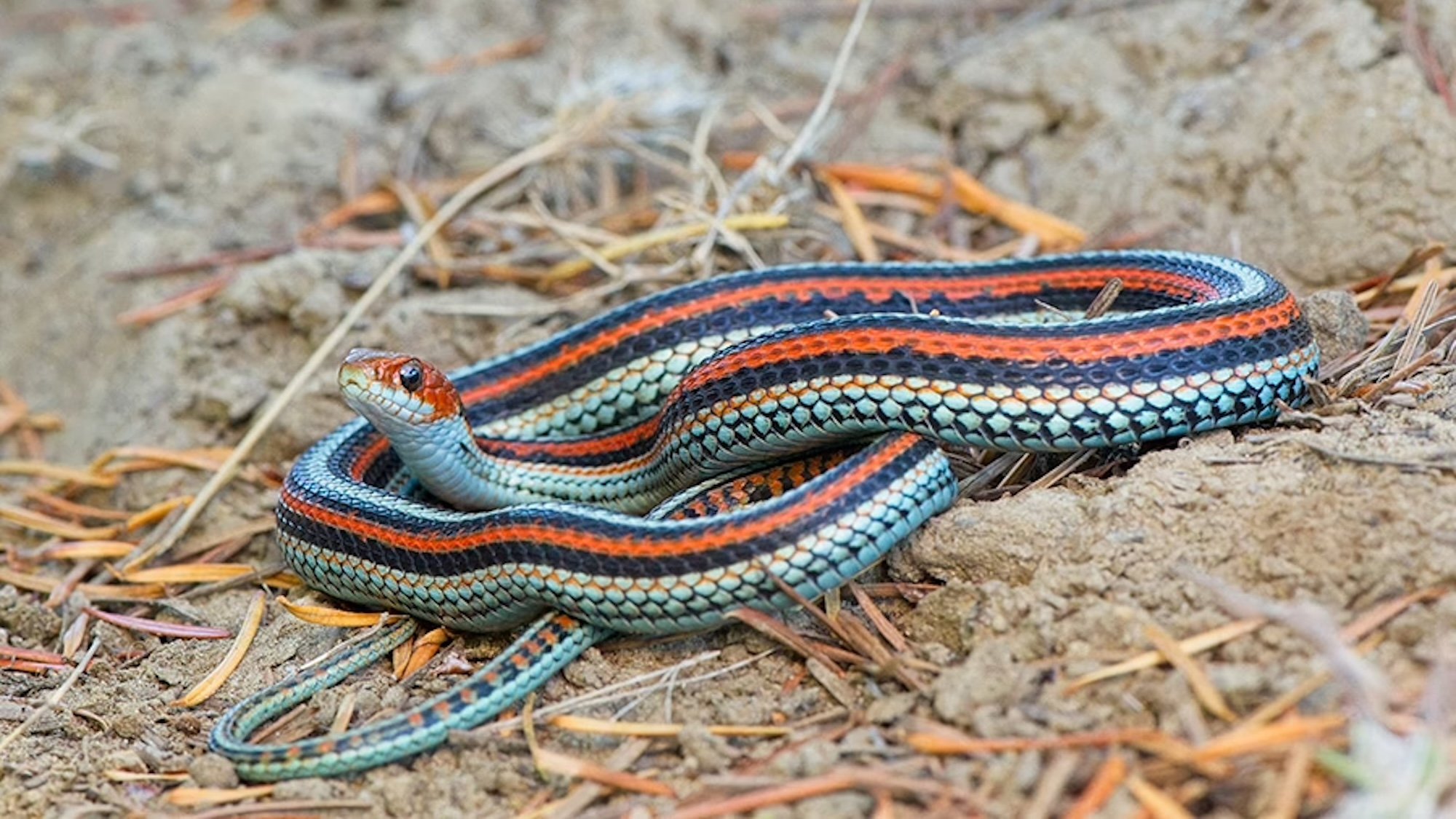
The newborn snakes, however, remained under the specialized care of zoologists at the San Francisco Zoo. Over the course of their time in a controlled environment, the young reptiles were fed a specialized diet, monitored for health issues, and subjected to rigorous genetic testing. This genetic profiling was critical: by mapping the DNA of each individual, researchers could determine precisely where each snake should be released to maximize genetic diversity and prevent inbreeding depression in wild colonies.
The Release: A Blueprint for Future Restorations
In September and October, the fruits of this meticulous labor materialized. Sixty-two healthy, resilient young garter snakes were transported to selected release sites in San Mateo County.
The placement strategy was deliberate and scientifically calculated. Approximately one-third of the captive-born juveniles were returned to the exact watershed areas where their mothers had been collected the previous year, reinforcing the local baseline population. The remaining two-thirds were introduced to strategic locations identified by ecologists as critical zones in need of genetic rescue—areas where isolated wild populations were suffering from low genetic variance.
"Seeing these young snakes returning to the wild represents years of research, collaboration, habitat restoration, and careful conservation work," said Karine Tokatlian, a biologist with the Midpeninsula Regional Open Space District, in a formal statement. "This first release is an important step toward building healthy, resilient populations that can sustain themselves over the long term."
Despite their delicate conservation status, the biology of the San Francisco garter snake is uniquely fascinating. Slender and graceful, adults can grow anywhere from 18 to 55 inches in length. They are distinguished from other garter snake species by their disproportionately large eyes, an evolutionary adaptation that supports their diurnal (daytime) hunting habits. While they possess mildly toxic saliva that is potent enough to subdue their preferred prey—such as small amphibians and reptiles—they are entirely harmless to humans, possessing no fangs and posing no lethal threat to people.
Expanding the Pipeline: The Road Ahead
Even as biologists closely monitor the newly released cohort in the wild to assess their survival rates, adaptation, and eventual integration into local breeding pools, the conservation pipeline is already yielding results for the next wave of rewilding.
According to data released by project coordinators, more than 130 additional garter snakes have been successfully born at the San Francisco Zoo this year alone. These juveniles are currently undergoing the same rigorous head-starting protocols, with conservationists eyeing a prospective release window in 2027.
The success of the San Francisco garter snake project carries implications that extend far beyond the borders of San Mateo and Santa Cruz counties. Herpetologists and wildlife managers across North America are watching the initiative closely, viewing it as a potential blueprint for recovering other imperiled, range-restricted reptile and amphibian species facing similar pressures from habitat loss and climate change.
"This species is special in many ways, but unfortunately its critical status is not unique," noted Ariel Starr, a wildlife ecologist with Midpen. "The success of this project and the associated research will not only benefit the San Francisco garter snake, but will also hopefully inform the recovery of many imperiled reptile species."
As climate volatility continues to strain fragile ecosystems across California, the return of these 62 brightly colored serpents to their ancestral marshlands offers a rare and powerful counter-narrative—proving that targeted scientific intervention, inter-agency collaboration, and dedicated conservation funding can pull a species back from the brink of extinction.
Related posts: