TSA Seeks Public Volunteers to Serve as Explosive Detection K9 Decoys in High-Stakes Airport Training Program

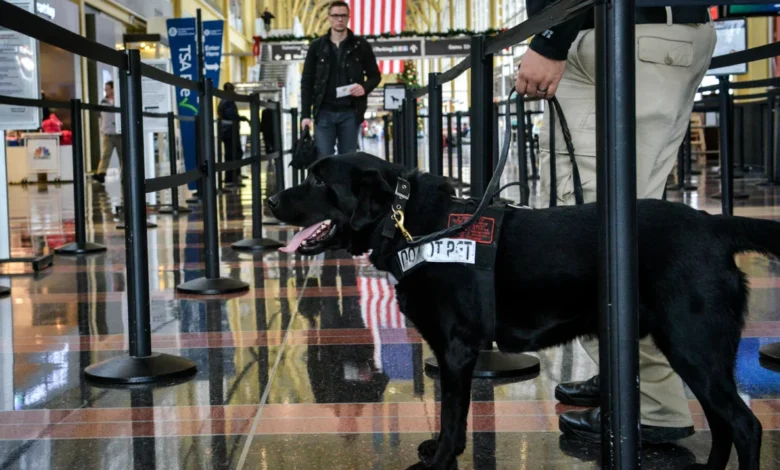
The Transportation Security Administration has officially issued a nationwide call for civilian volunteers to participate in its specialized Canine Decoy Program. Designed to maintain the operational readiness and razor-sharp detection skills of airport security dogs, the initiative invites members of the public to step into the terminals as covert role players. While the prospect of interacting with highly trained working dogs may sound appealing to animal lovers, the agency stresses that the program is a rigorous, vital component of national aviation security infrastructure, simulating real-world threats to ensure canine teams remain prepared for active duty.
Background Context of the TSA Canine Program
The use of working dogs in aviation security is far from a modern novelty, but the sophistication of canine detection programs has evolved dramatically over the last two decades. Following the events of September 11, 2001, and the subsequent formation of the TSA, federal security protocols expanded exponentially to incorporate specialized explosive detection canine teams across United States airports.
These K9 units are among the most visible and effective deterrents in modern transportation security. Unlike traditional static screening equipment, dogs offer a mobile, dynamic layer of defense capable of screening large crowds of moving passengers in bustling ticketing lobbies and baggage claim areas before individuals even reach the security checkpoint.
However, maintaining the proficiency of these animals requires continuous, realistic training. Dogs cannot simply be trained once and deployed indefinitely; they must constantly practice detecting various explosive scents in unpredictable environments. To prevent the animals from becoming conditioned to standard security personnel or predictable training routines, the TSA relies on civilian volunteers—known as decoys—to act as dynamic variables in crowded airport settings.
What Does a TSA K9 Decoy Do?
For participants, a shift as a TSA explosive detection K9 decoy often feels like a high-stakes game of hide-and-seek, but the underlying methodology is strictly calculated. Volunteers are assigned a covert role, frequently tasked with carrying a specialized training aid that emits trace scents mimicking explosive materials.
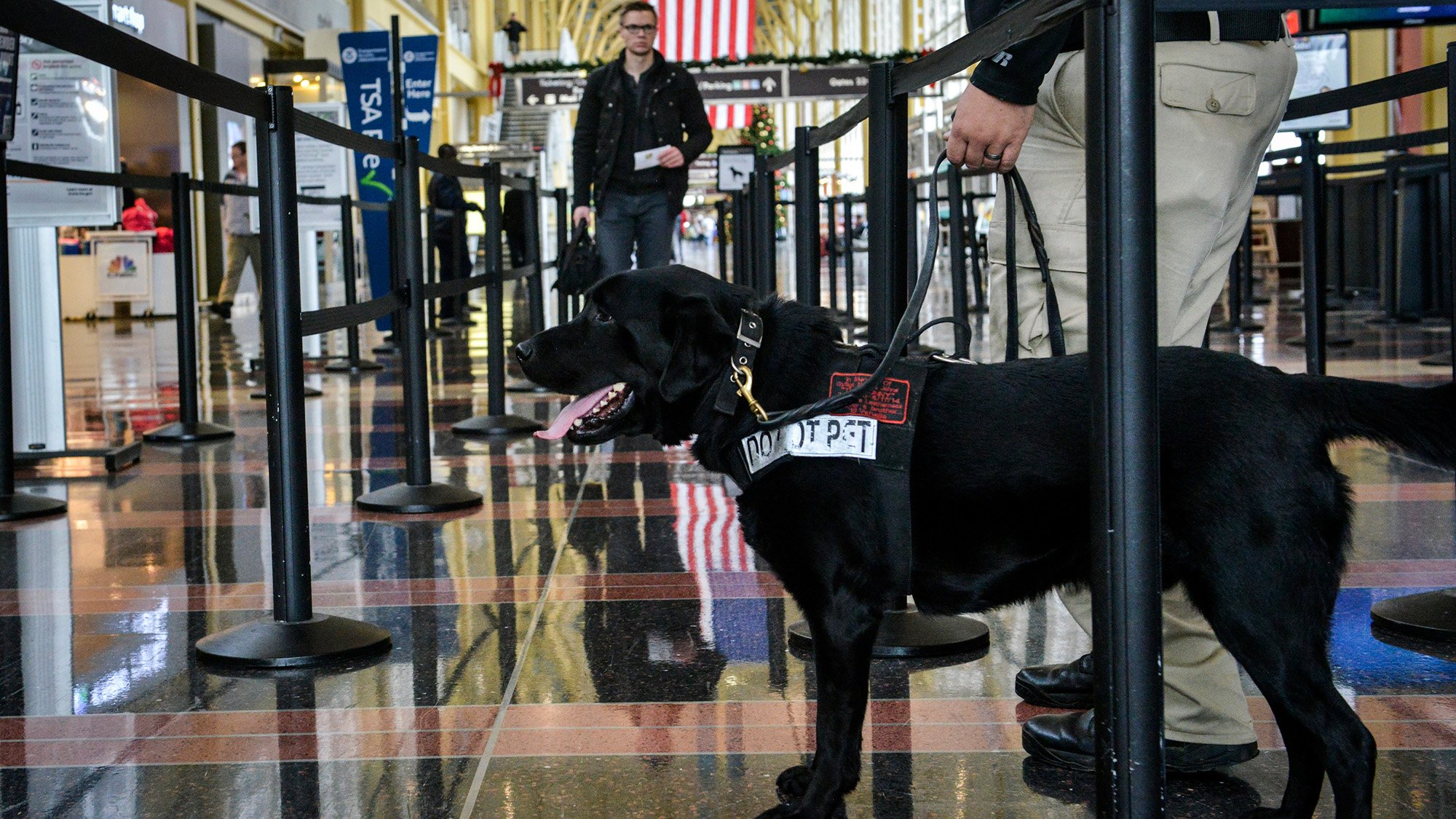
Once equipped, volunteers blend into the everyday foot traffic of an active airport terminal. They might wander through ticketing lobbies, stand in baggage claim areas, or simulate passengers waiting for boarding calls. The objective is to behave as naturally as possible, allowing the canine handlers and their dogs to navigate through crowds, identify the target scent, and successfully locate the decoy.
This simulation exposes the dogs to the sensory overload of a real airport environment—including loud noises, dense crowds of moving travelers, and various distractions—thereby testing the animal’s focus, obedience, and scent-tracking capabilities under pressure.
Time Commitment and Participation Requirements
The operational footprint required of volunteers is designed to be accessible while maintaining strict scheduling protocols. A typical volunteer shift lasts between two and three hours, during which participants receive a comprehensive briefing from TSA handlers regarding safety procedures, movement guidelines, and expected behaviors within the terminal.
Eligibility requirements for the program are intentionally broad to encourage diverse community participation. Volunteers must be at least 18 years of age to participate independently. Minors are permitted to join the program only when accompanied by a legal guardian or adult companion, though their involvement may be restricted to specific, controlled scenarios.
Physically, participants must be comfortable sitting, walking, and navigating through busy airport terminals for the duration of the two-to-three-hour shift. Recognizing the importance of accessibility, the TSA confirms that individuals who utilize wheelchairs or mobility scooters are welcome to participate, as diverse passenger profiles and mobility aids help replicate the realistic demographic variety of a public airport.
The Selection and Training of TSA Working Dogs
The dogs selected for the TSA’s explosive detection program undergo months of intensive training before ever setting foot in a public airport. The agency primarily utilizes breeds known for their stamina, intelligence, and high drive, including German Shorthaired Pointers, Labrador Retrievers, German Shepherds, and Belgian Malinois.
These canines are bred or procured and subsequently sent to the TSA Canine Training Center located at Joint Base San Antonio-Lackland in Texas. There, handlers and dogs undergo rigorous joint training programs that can last up to 12 weeks. The curriculum focuses heavily on scent recognition, obedience, and environmental socialization.
Even after graduation and deployment to airports nationwide, working dogs participate in daily and weekly maintenance training. Civilian decoy programs serve as an indispensable bridge between controlled training facilities and the chaotic, unpredictable nature of commercial aviation hubs.
Public Engagement and Recognition
While the decoy program offers a behind-the-scenes look at how federal security teams operate, the TSA also engages the public through more lighthearted avenues to foster appreciation for its working animals. Among these initiatives is the annual TSA Cutest Canine Contest, a popular public-voting campaign that highlights the friendly, approachable side of these dedicated working dogs when they are off duty.
For instance, a German Shorthaired Pointer named Bolt captured public attention by winning the 2026 Cutest Canine Contest, earning a featured spot on the agency’s official 2027 calendar. These outreach efforts help demystify the K9 units, reminding travelers that while these dogs are elite security assets, they are also beloved companions to their handlers.
Broader Impact and Implications of Civilian Volunteer Programs
The reliance on public volunteers underscores a broader shift toward community-integrated security models. By inviting everyday citizens to participate in training exercises, the TSA not only fulfills its operational requirements but also fosters a sense of shared responsibility for aviation security.
Experts in transportation security note that public participation helps demystify federal operations, building trust and transparency between travelers and law enforcement agencies. Furthermore, routine testing via diverse decoy profiles ensures that security dogs remain adaptable to changing concealment methods, evolving travel demographics, and complex crowd dynamics.
For individuals interested in participating, the TSA routinely updates its official website with regional scheduling information and application portals. While the work requires patience, stamina, and adherence to strict protocols, it offers a rare opportunity to support national security infrastructure while gaining a profound appreciation for the remarkable capabilities of working canine teams.
Related posts: