Frontier Airlines Flight 3566 Declares Mayday Following Mid-Flight Cabin Flooding Incident

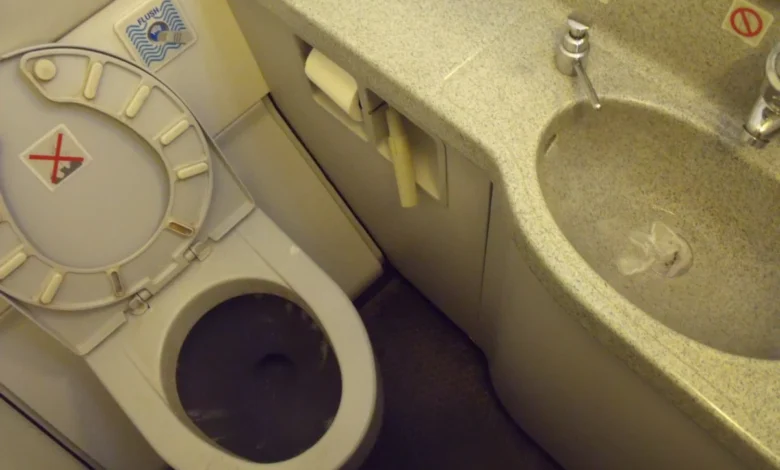
A routine domestic flight operated by Frontier Airlines encountered an extraordinary technical failure on November 11, 2026, when a catastrophic plumbing breach forced an emergency diversion. Flight 3566, an Airbus A321neo identified by registration N688FR, was en route from Denver, Colorado, to Detroit, Michigan, when the forward lavatory sink system suffered a severe mechanical failure. The resulting deluge of water into the cabin prompted the flight crew to declare an emergency, citing significant concerns regarding the integrity of the aircraft’s onboard electronics and critical systems.
Chronology of the Emergency
The incident began while the aircraft was cruising at altitude. Shortly after the initial leak was detected, the volume of water escaping the lavatory basin exceeded the capacity of the drainage and containment systems, causing the fluid to spill into the main cabin aisles. Recognizing the rapid escalation of the situation, the flight crew took immediate action to prioritize the safety of the passengers and the structural integrity of the aircraft.
Communications between the flight deck and Air Traffic Control (ATC) revealed the gravity of the situation. The pilot explicitly transmitted, "Mayday, Mayday, Mayday," an international distress signal indicating an imminent threat to the safety of the flight. The pilot informed controllers, "Our forward lav sink has sprung a leak and it’s spraying so much water, it’s flooding, uh, the cabin area in the back. We’re worried about electronics. We’d like to divert to Chicago O’Hare."
Following the emergency declaration, the crew received expedited clearance to descend. ATC provided vectors for an immediate diversion to Chicago O’Hare International Airport (ORD). During the descent, the crew managed the aircraft’s flight path while simultaneously preparing the cabin for an emergency landing. The flight landed safely in Chicago, where it was met by ground support personnel to assess the damage. No injuries were reported among the passengers or crew, and the aircraft was promptly removed from service for a comprehensive engineering inspection.
Technical Implications of In-Flight Flooding
While a bathroom leak might appear to be a minor nuisance to the average passenger, in the context of aviation, water intrusion is a serious mechanical hazard. Modern commercial aircraft are highly integrated systems; the floorboards of the cabin are situated directly above sensitive avionics bays, cable runs, and control linkages.
The primary concern for the flight crew was the potential for water to migrate into these critical areas. If water were to permeate the floor structure and come into contact with electrical busses or flight control computers, it could trigger short circuits, intermittent sensor failures, or total system shutdowns.
The industry is well-aware of the risks associated with fluid leaks. Historical data from the National Transportation Safety Board (NTSB) underscores the potential danger of moisture in aircraft systems. In previous investigations—such as those involving Delta Air Lines Boeing 767 operations—leaking water that transitioned into ice at high altitudes caused the freezing of flight control components, notably limiting the pilot’s ability to manipulate ailerons. While the Frontier incident involved fresh water rather than pressurized sewage, the physics of the risk remains the same: fluid movement during turbulence or descent can lead to unpredictable electrical behavior.
Comparative Industry Incidents
The Frontier Airlines event is the latest in a series of similar plumbing-related disruptions that have challenged airline operations. In June 2026, a separate Delta Air Lines flight approaching San Francisco faced a similar cabin flooding scenario. In that instance, the severity of the water ingress was such that cabin crew instructed passengers to hold their luggage on their laps to prevent personal items from being damaged by the spreading water on the floor.
Furthermore, an Alaska Airlines flight traveling from Honolulu to Anchorage was forced to return to its origin earlier in the decade after a sink overflow resulted in several inches of standing water in the cabin aisle. During that incident, cabin crew attempted to mitigate the flooding using paper towels and galley supplies, highlighting the limitations of onboard remedial equipment when faced with a high-pressure plumbing failure.
These recurring events have sparked discussions regarding the maintenance cycles for lavatory systems in newer aircraft, such as the Airbus A321neo. While aircraft are designed with redundancy and drainage paths intended to channel moisture away from sensitive electronics, the rapid failure of a plumbing line can overwhelm these passive safeguards.
Analysis of the Airbus A321neo Platform
The aircraft involved, N688FR, is an Airbus A321neo, one of the most widely used narrow-body aircraft in the world. The "neo" (New Engine Option) features advanced materials and fuel-efficient systems. However, the plumbing infrastructure remains a mechanical component subject to vibration, pressure fluctuations, and material fatigue.
Aviation safety experts note that while the aircraft performed as intended by allowing the crew to make a controlled landing, the incident serves as a reminder of the "human-machine" interface. Passengers often view lavatories as simple facilities, but they are interconnected with the aircraft’s pressurized water system, which operates at significant pressure to ensure consistent flow during flight. A rupture in this system, if not immediately mitigated by a shut-off valve, will continue to spray until the tank is depleted or the system is manually isolated.
Official Response and Regulatory Oversight
Frontier Airlines has not yet released a detailed public statement regarding the specific root cause of the leak on Flight 3566. Typically, such incidents undergo a rigorous internal review, and if a design flaw or specific maintenance lapse is identified, the airline works in conjunction with the manufacturer—in this case, Airbus—to implement fleet-wide bulletins.
If the NTSB or the Federal Aviation Administration (FAA) determines that the leak resulted from a systemic issue rather than a localized wear-and-tear event, they may issue an Airworthiness Directive (AD). An AD would mandate that all operators of similar aircraft inspect or replace the faulty components within a specified timeframe to prevent future occurrences. As of this report, there have been no fleet-wide groundings related to this specific event, suggesting it is viewed as an isolated mechanical failure.
Passenger Safety and Ongoing Operational Challenges
For the passengers on board Flight 3566, the experience was undoubtedly stressful. The declaration of a "Mayday" is the most urgent distress signal an aircraft can transmit, and hearing such a call from the cockpit naturally causes significant alarm in the cabin. However, the safe landing in Chicago serves as a testament to the efficacy of current pilot training protocols regarding emergency diversions.
The incident also brings to light the ongoing challenge of maintaining cabin cleanliness and safety standards. Passengers are frequently reminded to wear footwear in lavatories for hygienic reasons, but events like these highlight the physical risk of walking through a cabin with standing water, which presents a slip-and-fall hazard in addition to the underlying electrical risks.
As airlines continue to push for higher utilization rates for their fleets, the pressure on maintenance teams to perform rapid turnarounds is significant. Ensuring that plumbing systems—which are often hidden behind panels and out of sight—remain in peak condition is a critical component of aviation safety that rarely receives public attention until a malfunction occurs.
Moving forward, the aviation industry will likely scrutinize the maintenance logs of the affected aircraft to determine if the leak was preventable. For Frontier Airlines, the successful diversion and safe landing have effectively mitigated the immediate safety risks, but the company must now contend with the operational and reputational fallout of an incident that saw a flight diverted due to a sink. The focus for the coming weeks will be on the technical report, which will offer definitive answers on why a modern passenger aircraft’s plumbing system failed so catastrophically in mid-air.