Eco-Friendly Burials: Why Natural Burial Remains the Greenest Choice for Our Final Rest

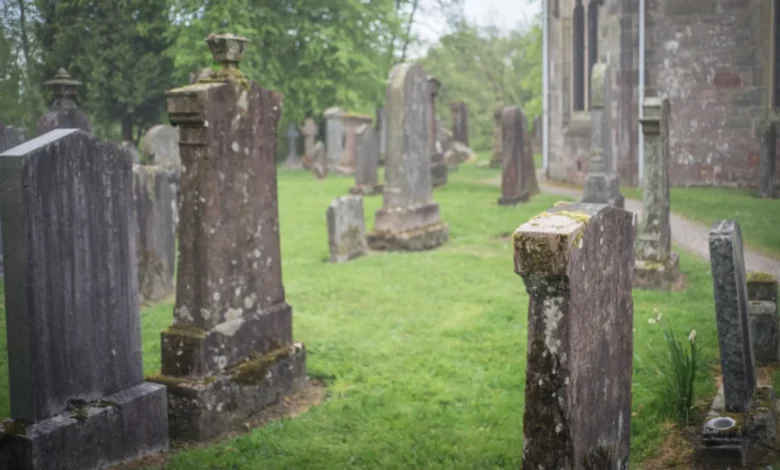
The environmental impact of death has become an increasingly pressing topic of discussion as modern consumers look to minimize their ecological footprints even in their final moments. While contemporary death care has long relied on resource-intensive methods such as traditional caskets, concrete vaults, and energy-heavy flame cremation, a growing body of research indicates that the most sustainable option is also the simplest: natural, or green, burial.
In recent evaluations by environmental scientists and green burial advocates, traditional practices have come under scrutiny for their high carbon emissions and resource consumption. As a result, alternative technologies like alkaline hydrolysis and human composting have gained traction, prompting a broader conversation about how society handles mortal remains.
The Environmental Toll of Conventional Practices
To understand why natural burial stands out as the most ecologically sound choice, it is necessary to examine the heavy toll exacted by conventional funeral practices. Traditional underground burials typically require a polished hardwood or metal casket, a reinforced concrete vault, and embalming fluids containing toxic chemicals such as formaldehyde.
The manufacturing process for these materials requires significant industrial mining, extensive refinement, and long-distance transportation. Once buried, the concrete vaults and chemical preservatives impede the natural decomposition process, locking resources away and preventing the body from returning nutrients to the surrounding ecosystem. Furthermore, embalming chemicals can potentially leach into surrounding soils and groundwater tables over extended periods.
Flame cremation, long viewed by the public as a simpler and cleaner alternative, carries its own distinct environmental drawbacks. Operating furnaces at temperatures ranging between 1,400 and 1,900 degrees Fahrenheit requires a massive expenditure of fossil fuels. This intensive energy use generates substantial carbon dioxide emissions.
Additionally, flame cremation releases mercury vapor from dental amalgams into the atmosphere. According to industry experts and environmental studies, flame cremation accounts for roughly 14 percent of all mercury contamination found in United States waterways. Open-air cremation pyres, common in various cultural traditions around the world, present similar challenges, consuming hundreds of pounds of wood fuel and releasing significant quantities of greenhouse gases per body.
Rise of Alternative Technologies: Aquamation and Human Composting
In response to the ecological shortcomings of conventional burials and flame cremations, innovators have developed alternative methods designed to reduce environmental impact.
Alkaline hydrolysis, commonly known as aquamation, utilizes heated water mixed with an alkaline solution—primarily lye—to break down soft tissues over a roughly 12-hour period. While this process reduces carbon emissions by approximately 20 percent compared to traditional flame cremation, it is not entirely impact-free. Aquamation leaves behind between 100 and 300 gallons of liquid byproduct that must be processed through municipal wastewater treatment systems.
Another emerging technology is natural organic reduction, or human composting. This method places a body inside a specialized vessel surrounded by organic materials such as wood chips, alfalfa, and straw. Over a period of about 60 days, microbes naturally break down the soft tissues. Because bones do not fully disintegrate during this timeframe, they are mechanically refined and blended back into the mixture, leaving families with roughly 250 pounds of nutrient-rich material.
While human composting avoids the high energy demands of flame cremation, it does present logistical and supply-chain complexities. Some input materials, such as alfalfa, are cultivated in water-stressed agricultural regions and transported over considerable distances, adding to the overall carbon footprint of the process.
The Case for Natural Burial
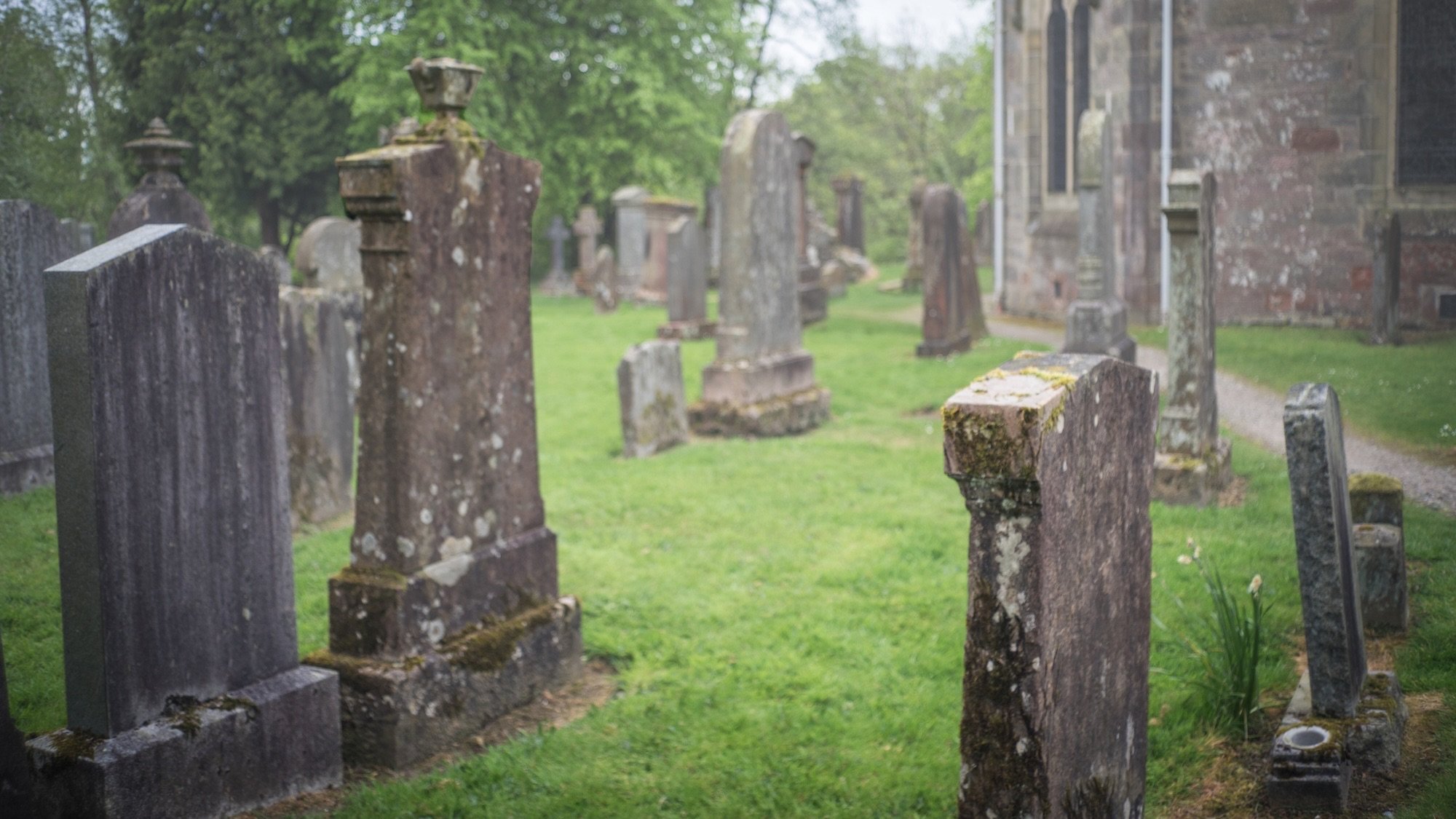
Amid these technological innovations, advocates emphasize that returning to traditional, unhindered decomposition remains the gold standard for environmental sustainability. Natural burial eliminates embalming, metal hardware, concrete vaults, and synthetic caskets entirely. Instead, the body is placed directly into the earth—typically at a shallow depth of three to four feet where microbial activity and soil insects are most active—enclosed only in a biodegradable shroud or a simple wooden box.
A landmark 2017 lifecycle assessment comparing various disposition methods found that natural burials consistently yield the lowest overall environmental cost. Because the process relies entirely on biological systems, it generates no chemical runoff, requires no heavy machinery-driven emissions during the decomposition phase, and leaves behind no synthetic waste.
Furthermore, natural burial sites frequently double as dedicated conservation lands. Pioneering facilities like the Ramsey Creek Preserve, established in 1996 along the foothills of the Appalachian Mountains in North Carolina, demonstrate how cemeteries can function as protected forest habitats. Rather than consuming valuable land resources or requiring continuous landscape maintenance, natural burial grounds help preserve native flora and fauna, turning a final resting place into an active agent of habitat restoration.
Cultural Traditions and Global Perspectives
While ecological metrics heavily favor natural burial, global death care encompasses a wide array of cultural, religious, and practical traditions. In regions with dense populations, rocky terrain, or scarce fuel resources, communities have historically developed sustainable solutions tailored to their environments.
For instance, sky burials practiced in parts of Tibet, Bhutan, and Mongolia involve placing deceased individuals on elevated mountaintops to be consumed by scavengers such as vultures. Rooted in Buddhist principles of impermanence and altruism, this practice serves a practical function where frozen or rocky ground prevents traditional digging and fuel scarcity limits cremation.
In parts of Europe, historic ossuaries serve a space-efficient purpose by temporarily burying bodies before relocating cleaned bones to communal resting places to accommodate subsequent generations. While such practices may not be legally or culturally feasible in every jurisdiction, they underscore humanity’s long-standing effort to balance mortal remains with the needs of the living environment.
Implications for the Future of Death Care
As public awareness regarding climate change and environmental degradation grows, consumer preferences are shifting. Industry analysts note an increasing demand for green alternatives, driving cemeteries and funeral homes to expand their offerings.
However, experts caution that consumers must look past marketing terminology to evaluate the true environmental cost of emerging disposition methods. Just as the term "organic" requires scrutiny in the food industry, green claims in the death care sector must be weighed against lifecycle assessments, resource consumption, and land-use impacts.
For now, industry consensus points to a minimalist approach as the most effective strategy. By eschewing chemical preservation and heavy manufacturing in favor of direct biological return, natural burial offers individuals an opportunity to ensure their final act on Earth contributes positively to environmental preservation and ecological health.