Fat Bear Week 2026 Officially Kicks Off With 16 Competitors Vying for the Ultimate Crown

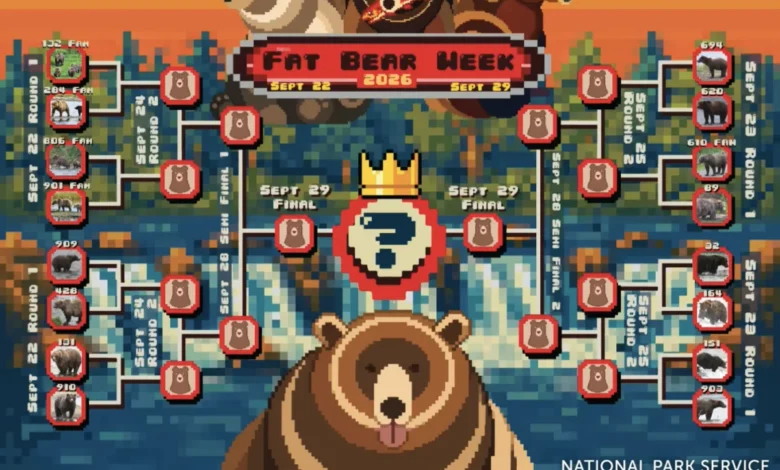
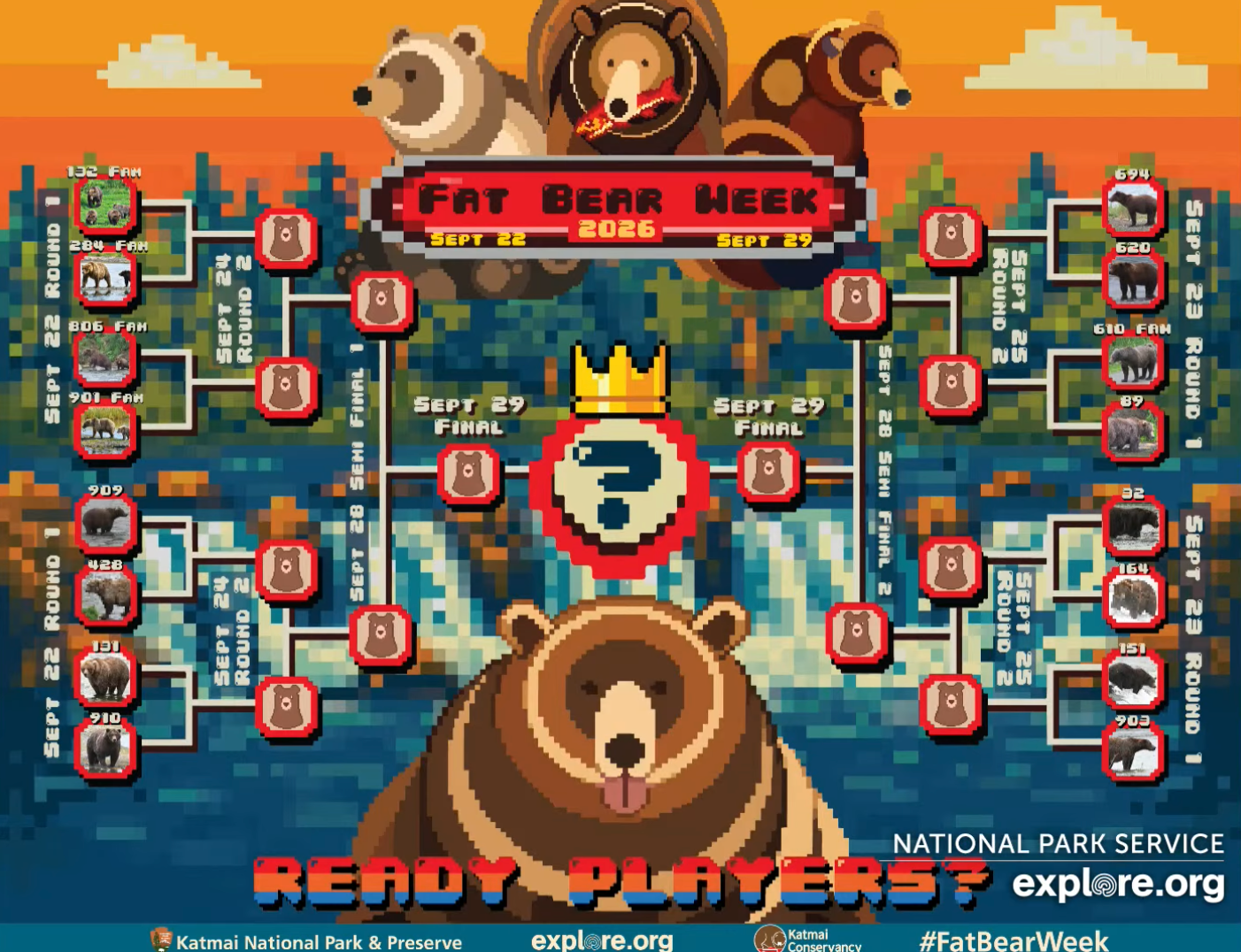
The wilderness of Alaska is once again bracing for the internet’s most anticipated wildlife showdown as the official bracket for Fat Bear Week 2026 is unveiled. Sixteen of Katmai National Park and Preserve’s most formidable brown bears (Ursus arctos) are set to face off in a single-elimination online tournament designed to celebrate wildlife resilience, natural ecology, and massive caloric intake. Running from September 22 through September 29, the tournament captures the culmination of months of intense foraging along the Brooks River, where the park’s resident brown bears reach peak physical condition ahead of their winter hibernation.
According to Katmai National Park and Preserve naturalist Mike Fitz, more than 100 individual bears were identified along the Brooks River this summer, presenting a robust population of potential contenders. The selection committee ultimately narrowed the field to 16 elite competitors. Park officials specifically chose bears that appeared early in the summer season and remained observable later in the year, ensuring clear, dramatic before-and-after photographic documentation. These visual records showcase the staggering transformation of bears packing on hundreds of pounds of fat while feasting on the rich, nutrient-dense salmon runs of Alaska.
The tournament bracket is strategically divided into four distinct categories to ensure balanced representation across demographics: mother bears, single adult females, sub-adults, and behemoth adult males. Within this lineup, Bear #151 and Bear #903 have already established themselves as fierce real-life competitors, frequently vying for access to the same prime fishing locations along the river. As digital contestants, they now invite millions of global voters to decide their fate.
The Evolution and Mechanics of Fat Bear Week
What began in 2014 as a modest, one-day local event generating a mere 1,700 votes has exploded into a global phenomenon. Organized in collaboration between Katmai National Park, the Katmai Conservancy, and explore.org, the 2025 competition drew an astounding 1.2 million votes from more than 100 countries. Modelled after traditional sports tournaments like March Madness—albeit without the basketballs and with significantly more mammalian biomass—Fat Bear Week relies on public engagement to highlight the triumphs and struggles of wild brown bears.
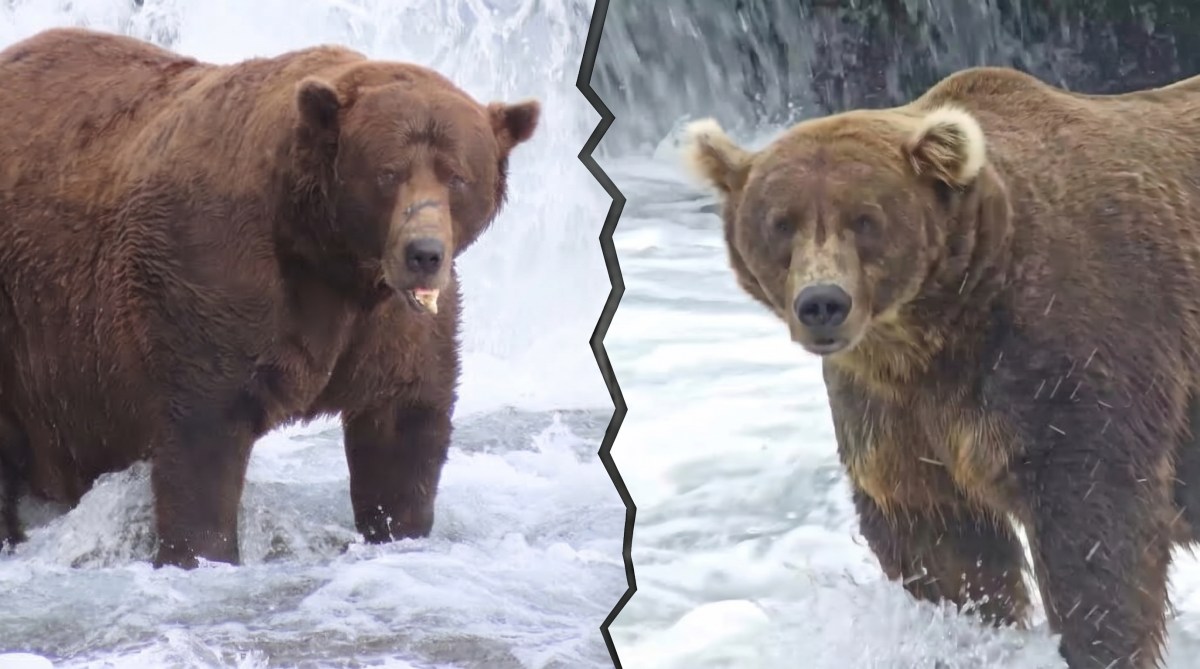
Voting takes place daily from 12 p.m. to 9 p.m. EDT at fatbearweek.org. Participants examine side-by-side photographic evidence illustrating each bear’s physical expansion over the summer months. An adult male brown bear typically transitions from roughly 700 pounds in the early summer months to over 1,200 pounds by the onset of autumn. Voters are also encouraged to review each bear’s unique life history, ecological challenges, and survival strategies before casting their ballots.
The Biological Necessity of Hyperphagia and Torpor
The driving force behind this seasonal transformation is hyperphagia, a biological state of extreme hunger where bears consume massive quantities of food to build up fat reserves. Brown bears return to Brooks Falls in late June to coincide with the annual salmon migration, utilizing the rushing waters to catch leaping fish. By late summer, the spawning salmon begin to die, shifting the bears’ feeding patterns to the lower Brooks River in September and October, where they scavenge along the river’s mouth.
Accumulating this substantial fat mass is not merely a matter of aesthetic heft; it is a strict biological imperative for winter survival. Despite cultural misconceptions regarding deep hibernation, bears do not enter the profound, low-temperature metabolic stasis seen in smaller mammals like bats, chipmunks, or ground squirrels. Instead, brown bears enter torpor—an involuntary physiological state primarily triggered by seasonal food scarcity.
During torpor, bears rely entirely on their accumulated lipid reserves for energy. All eating, drinking, and waste elimination cease as the animal’s metabolism processes the fat stored during the summer months. Consequently, the bears that achieve the greatest mass entering the den face a significantly higher statistical probability of surviving the harsh, resource-depleted winter months and emerging successfully in the spring.
A Look Back at Past Champions and Recent Rivalries
The tournament’s history is punctuated by legendary competitors, dramatic victories, and intense interspecies conflicts. In 2025, Bear #32, affectionately known as Chunk, secured the championship crown despite entering the salmon season with a freshly fractured jaw—an injury likely sustained during a territorial dispute over a potential mate. Despite this physical disadvantage, Chunk successfully dominated the river, leveraging his massive size, prominent brow ridge, dark fur, and distinctive muzzle scar to catch ample fish and reclaim the spotlight.
Chunk’s victory followed a contentious period in bear politics. In 2024, Chunk fell short of the title, losing to the formidable matriarch Grazer. The rivalry between Chunk and Grazer captured international attention earlier that season after a dramatic incident at the waterfall where Chunk attacked two of Grazer’s cubs. Grazer fiercely defended her offspring, though the encounter resulted in the tragic loss of one cub, underscoring the raw, unfiltered realities of apex predator behavior in the wild.
In a notable structural shift for the 2026 tournament, organizers eliminated the separate "Fat Bear Week Junior" bracket. Instead, young cubs are integrated directly into the adult bracket as part of family units, allowing voters to evaluate entire maternal lineages and the unique pressures faced by mother bears raising offspring in a competitive environment.
Wild Realities Captured on the Live Cams
The explore.org livestream network, which broadcasts the Brooks River ecosystem 24 hours a day, has offered viewers an unvarnished window into the complex and often brutal dynamics of nature. The 2026 season was marked by several intense wildlife events that challenged romanticized views of animal behavior.
On July 28, live cameras documented a rare event when a young spring brown bear cub, born to a 10-year-old female known as Bear #909, was killed and consumed by an unrelated adult female, Bear #806. Bear #909 began the season with two spring cubs and ultimately lost both. Days later, on August 2, another tragic incident occurred when a cub belonging to Bear #335 (Jolly) was fatally attacked by an unrelated mother bear after following other cubs up a tree.

Park naturalists, including Mike Fitz, Christine Loberg, and Sarah Bruce, noted that these incidents represent some of the first fully documented cases of infanticide by unrelated females along the Brooks River corridor. While the precise drivers of such behavior remain complex, wildlife biologists suggest that factors including resource competition, territorial dominance, and attempts to eliminate future genetic rivals may contribute.
Despite these harsh realities, the summer also brought moments of levity, wonder, and unique behavioral adaptations. Stream watchers tracked the progress of a cub with striking silver-hued fur, observed another young bear learning a painful lesson regarding porcupine quill safety, marvelled at the innovative fishing techniques of Bear #164 (Bucky Dent), and watched in awe as Bear #284’s (Electra) offspring seemingly mastered the art of navigating fast-moving currents.
Conservation Support and Broader Ecological Implications
Beyond entertainment, Fat Bear Week serves as an essential educational vehicle for the National Park Service and the Katmai Conservancy, drawing global attention to the health of pristine wilderness habitats and the delicate balance of Pacific salmon ecosystems.
Conservationists emphasize that the abundance of bears at Brooks River is a direct indicator of a healthy, functioning watershed capable of supporting one of the largest concentrations of brown bears on Earth. Supporters looking to contribute to the preservation of Katmai’s ecosystem can donate to the Katmai Conservancy’s Otis Fund—named in honor of Bear #480 (Otis), a legendary four-time champion who passed away in 2024. In an effort to bolster conservation initiatives, explore.org has announced it will match all donations made to the Otis Fund between September 22 and October 3.
As the bracket launches and millions prepare to cast their votes, Fat Bear Week 2026 reaffirms its status as a unique intersection of wildlife science, digital community engagement, and public conservation advocacy, reminding audiences worldwide of the beauty, power, and resilience of Alaska’s natural heritage.