U.S. Inbound Tourism Plummets Further in August as Summer Season Concludes with Steep Double-Digit Declines

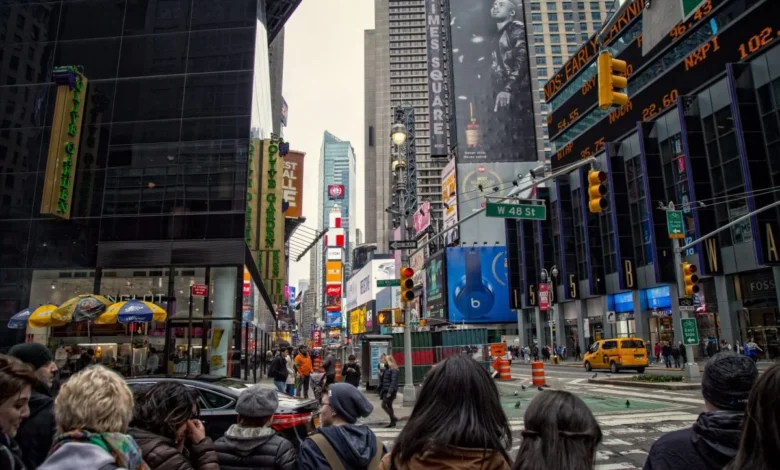
The United States travel and tourism sector has officially closed the book on what industry analysts are describing as a surprisingly lackluster summer season, punctuated by a deepening slump in international visitor arrivals. According to the latest data released on Thursday by the National Travel and Tourism Office (NTTO), the U.S. welcomed approximately 3.1 million international visitors in August. This figure represents a sharp 11.8% decline compared to the same month in the previous year, extending a worrying downward trajectory that has alarmed hospitality executives, airline officials, and local tourism boards across the country.
The steep drop in August compounds an already difficult summer for the American travel economy. Earlier in the season, tourism stakeholders had projected a robust, banner period for inbound travel, fueled by the resumption of global flight routes, pent-up travel demand, and a slate of high-profile international sporting events. However, these optimistic forecasts began to unravel midway through the season. In July, the U.S. experienced a 7% year-over-year decrease in inbound tourism. Rather than rebounding as the summer peak drew to a close, the market contracted further in August, catching economists and destination marketing organizations off guard.
Geographic Breakdown of the Decline
The contraction in August was neither isolated nor limited to specific geographic corridors; rather, the NTTO data reveals a widespread, systemic downturn affecting arrivals from virtually every corner of the globe. No single continent or major travel market was spared from the pull-back.
When categorized by region of origin, the steepest percentage drops were registered by travelers arriving from Africa, which plummeted by 25.5% compared to August of the previous year. Central America followed closely behind with a 20.6% reduction in visitor volume, while Western Europe—historically one of the most lucrative and reliable source markets for transatlantic tourism—saw a dramatic 14.8% decrease in arrivals.
While the data for other global regions such as Asia, South America, and the Middle East varied in magnitude, the overarching narrative remained consistent: international consumers are increasingly bypassing the United States in favor of alternative destinations. Industry analysts point to a combination of persistent macroeconomic headwinds, including persistent inflation, unfavorable foreign exchange rates against the strengthening U.S. dollar, and lingering friction regarding the U.S. visa processing ecosystem, as primary catalysts for the broad-based retreat.
Chronology of a Disappointing Summer Season
To fully understand the severity of the August data, industry observers must look back at the progression of the 2024 travel calendar, which began with high hopes but steadily accumulated headwinds.
In the early spring months, forward-looking bookings to major U.S. metropolitan areas showed signs of healthy recovery. Travel executives anticipated that the summer months would fully bridge the remaining gap to pre-pandemic inbound volume levels. A central pillar of this optimism was the hosting of several major international sporting events, most notably matches associated with global soccer tournaments. Tourism boards in host cities invested heavily in marketing campaigns designed to capture an influx of international sports enthusiasts.
However, as June transitioned into July, early indicators suggested that visitor numbers were falling short of expectations. The anticipated influx of international fans for summer soccer fixtures did not materialize at the scale projected by tourism boards. By mid-July, official NTTO figures confirmed a 7% year-over-year drop in total arrivals, shattering the narrative of a seamless summer recovery.
As August arrived—typically a prime travel window for European families taking extended summer holidays—the market conditions deteriorated further. Instead of the anticipated late-summer surge, the drop accelerated to an 11.8% contraction, effectively sealing the summer season as a missed opportunity for the American tourism economy.
The Visa Processing Bottleneck and Economic Factors
Beyond immediate economic pressures, tourism advocacy groups have pointed to structural impediments that continue to handicap the U.S. competitive edge in the global travel market. Chief among these complaints is the ongoing backlog and protracted wait times for U.S. visitor visas in key emerging markets.
In countries where a visa is mandatory for entry, prospective travelers have routinely faced interview wait times stretching into hundreds of days at U.S. embassies and consulates. Industry leaders argue that these administrative bottlenecks act as a severe deterrent, actively pushing potential tourists to choose destinations in Europe, Asia, or Latin America where entry procedures are significantly more streamlined.
Furthermore, the strength of the U.S. dollar has made travel to the United States markedly more expensive for international visitors. When combined with elevated domestic prices for accommodation, dining, and transportation—driven by years of post-pandemic inflation—the cost-benefit proposition of a U.S. vacation has become less attractive for middle-class families abroad.
Industry Reactions and Stakeholder Concerns
The consecutive monthly drops in inbound tourism have triggered mounting anxiety within the travel trade ecosystem. Major trade organizations, including the U.S. Travel Association, have repeatedly called upon federal policymakers to take decisive action to modernize the visitor entry process and enhance promotional efforts abroad.
While domestic travel within the United States has remained relatively resilient, fueled by steady domestic leisure and business road trips, industry stakeholders emphasize that domestic spending alone cannot fully compensate for the absence of high-spending international tourists. International visitors traditionally stay longer, book higher-end accommodations, and spend significantly more per capita than their domestic counterparts, making them a vital engine for local economies, particularly in gateway cities like New York, Los Angeles, Miami, and Orlando.
Airlines and hospitality brands that heavily rely on long-haul international routes are now recalibrating their capacity and marketing strategies for the upcoming autumn and winter seasons. Several carriers have noted that while transatlantic and transpacific demand remains profitable in specific premium cabins, economy-class load factors from international origins have softened in response to broader economic uncertainties.
Broader Impact and Economic Implications
The implications of a protracted slump in inbound tourism extend far beyond airline balance sheets and hotel occupancy rates. Tourism is a powerful cross-sector economic driver that supports millions of American jobs in retail, food service, entertainment, and cultural attractions.
A persistent decline in international arrivals translates directly into reduced tax revenues for state and local governments that rely on tourism taxes to fund public services and infrastructure projects. Small and medium-sized enterprises located near major tourist attractions—businesses that depend heavily on the summer peak to generate the cash reserves necessary to survive slower winter months—are feeling the squeeze of diminished foot traffic.
Moreover, the ongoing shortfall in international visitors damages the United States’ standing in the highly competitive global tourism market. As competitor nations invest heavily in tourism infrastructure, visa-free travel agreements, and targeted global marketing campaigns, the U.S. risks ceding permanent market share.
As the industry looks ahead to the remainder of the year, tourism economists stress that reversing this downward trend will require a coordinated effort between the federal government and private sector stakeholders. Addressing administrative hurdles such as visa processing delays, combined with strategic international promotional campaigns, will be critical if the United States hopes to restore its position as a premier global destination and avoid a prolonged stagnation in inbound visitor numbers.
Related posts: