Miami Republican Rep. María Elvira Salazar Splits With President Trump Over Immigration Policy in Heated Midterm Campaign Ad


Representative María Elvira Salazar, a prominent Republican lawmaker representing a reliably conservative district in Miami, Florida, has publicly broken ranks with President Donald Trump on the contentious issue of immigration. As the political temperature rises ahead of the 2026 midterm elections, Salazar released a high-profile campaign advertisement directly challenging the administration’s enforcement strategies and urging a more compassionate, legislative approach toward long-term noncitizens residing in the United States.
The move highlights deep-seated strategic debates within the Republican Party regarding how to sustain and expand the historic inroads the GOP has made among Hispanic voters. While Trump has maintained a hardline enforcement platform that defined both his initial 2016 rise and his 2024 campaign, Salazar is pressing for the advancement of the bipartisan Dignity Act, a legislative framework intended to couple stringent border security measures with earned legal status for millions of undocumented individuals.
A Direct Challenge on Campaign Airwaves
In her newly released campaign advertisement, Salazar addresses the president directly, cautioning that certain aspects of the administration’s immigration enforcement posture have overstepped acceptable bounds.
"Mr. President, some of your immigration enforcement efforts have gone too far," Salazar states in the video. "Be careful what your advisors are telling you about immigration policy. The same Hispanics who helped you get to the White House in 2024 feel betrayed today. You can be for immigration what Lincoln was for slavery and Reagan was for communism."
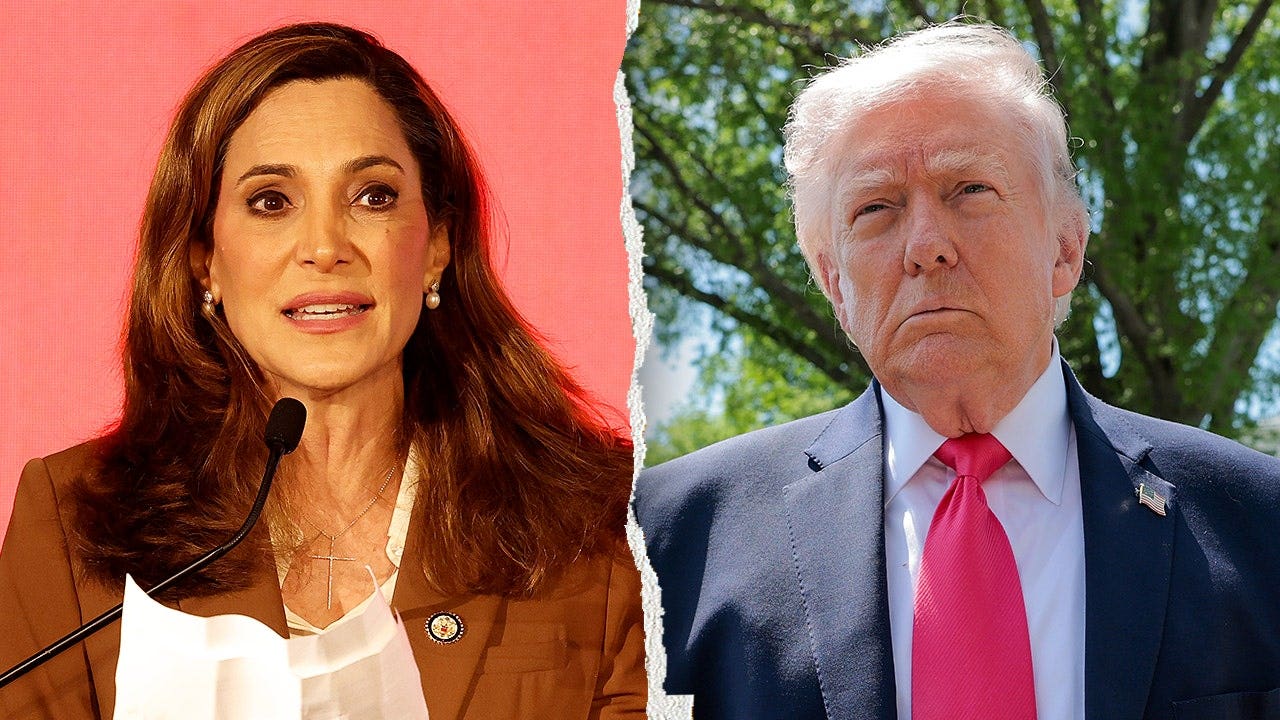
Salazar explicitly clarified that her vision for reform stops short of granting blanket amnesty, framing her proposal instead around the pursuit of stability and legality. "I’m not talking about giving them amnesty. I’m talking about giving them a dignified life in this promised land," she continued in the advertisement.
Despite this sharp policy divergence, the political relationship between the two figures remains complex. Notably, President Trump has endorsed Salazar’s current bid for reelection in her South Florida district, underscoring the Republican Party’s balancing act between vocal hardliners and moderate-leaning voices who appeal to crucial suburban and immigrant-heavy constituencies. The Salazar campaign did not respond to requests for comment from media outlets regarding the timing and reception of the advertisement.
Legislative Record: Between Border Security and Legal Reform
Salazar’s current critique of the administration is consistent with a legislative track record that attempts to balance aggressive border enforcement with targeted pathways to legal status. Throughout her tenure in Congress, the Miami representative has consistently backed measures designed to secure national boundaries while simultaneously promoting structural overhauls of the immigration system.
Her record reflects this dual approach. Salazar voted in favor of the 2023 Secure the Border Act, a comprehensive Republican-led bill that aimed to reinstate strict asylum restrictions, resume border wall construction, and increase the number of Border Patrol agents. Furthermore, she supported the 2025 Laken Riley Act, legislation that expanded federal immigration enforcement powers and mandated the detention of undocumented immigrants accused of larceny, burglary, or other criminal offenses.
At the same time, Salazar has championed the bipartisan Dignity Act. Introduced alongside congressional colleagues, the bill proposes a multi-pronged approach that includes immediate fortification of the southern border, mandatory workplace verification, and a structured, ten-year earned legal status program for long-term undocumented residents. Under the proposal, participants would be required to pay restitution, pass extensive background checks, and maintain continuous employment, bridging a divide that has long polarized lawmakers on both sides of the aisle.
Evolving Dynamics of the Hispanic Electorate
Salazar’s split with the White House underscores a broader strategic reality: the Hispanic vote is increasingly influential, highly diverse, and fiercely contested. Historically leaning toward the Democratic Party, Hispanic voters—particularly in critical regions like South Florida’s Miami-Dade County and along the Texas border—shifted significantly toward the Republican ticket during the 2020 and 2024 election cycles.
This rightward shift was largely fueled by economic concerns, traditional social values, and the resonance of anti-socialist messaging among Cuban, Venezuelan, and Nicaraguan American communities. However, political analysts note that while Hispanic voters strongly support border security and public safety, many also maintain close familial and social ties to immigrants lacking legal status. Consequently, overly punitive enforcement measures risk alienating the very demographic coalition that helped secure Republican victories in competitive regions.
The urgency of capturing and retaining this demographic is mirrored in national polling trends. A Fox News poll released Wednesday captured President Trump’s overall job approval rating at 39%, with 61% of registered voters expressing disapproval. Disaggregated by policy areas, public dissatisfaction with Trump’s performance on immigration stood at 56%—representing a comparatively better standing than his marks on the economy and foreign policy, but nonetheless highlighting a significant point of vulnerability as the midterm elections approach.
The Historical Context of Trump’s Immigration Agenda
Immigration has served as the bedrock of Donald Trump’s political identity since he descended the escalator at Trump Tower in June 2015 to announce his first presidential campaign. Emphasizing national sovereignty, border wall construction, and the mass deportation of undocumented individuals, Trump transformed immigration into a defining fault line in American politics.
During his second term, the administration pursued aggressive enforcement strategies, resulting in steep reductions in border crossings. Official figures from the administration highlight significant milestones, including months of zero border releases and drastic drops in migrant apprehensions. Proponents of the administration’s policies argue these metrics demonstrate unprecedented control over national borders and fulfill a fundamental mandate given by the American electorate.

However, the human and logistical realities of executing large-scale deportations and strict interior enforcement have reignited debate within conservative circles. While hardline conservatives argue that uncompromising enforcement is essential to restoring the rule of law, figures like Salazar contend that economic realities and humanitarian considerations necessitate a parallel track of legal integration for workers who have lived and paid taxes in the United States for years.
Broader Implications and Political Outlook
As the 2026 midterm cycle gains momentum, the public disagreement between Salazar and the White House illuminates the internal friction shaping the Republican platform. Control of Congress hinges on districts like Salazar’s, where suburban moderates and Hispanic voters hold substantial sway.
For Republican candidates running in competitive districts, the challenge lies in maintaining enthusiasm among the party’s base on security issues while addressing the nuanced views of immigrant communities on legal reform. Salazar’s gamble is that openly challenging the administration’s excesses on immigration while retaining her conservative credentials will insulate her from political backlash and position her as an authentic advocate for her constituents.
Whether the leadership in Washington will entertain a debate on comprehensive legislative solutions like the Dignity Act remains uncertain. With immigration remaining a central mobilizing issue for voters across the political spectrum, the outcome of Salazar’s campaign—and the broader legislative fate of her immigration proposals—will serve as a crucial bellwether for the future direction of the Republican Party’s coalition.