House Democrats Split as Vast Majority Joins Republicans to Defeat Rep. Al Green’s Impeachment Resolution Against President Trump

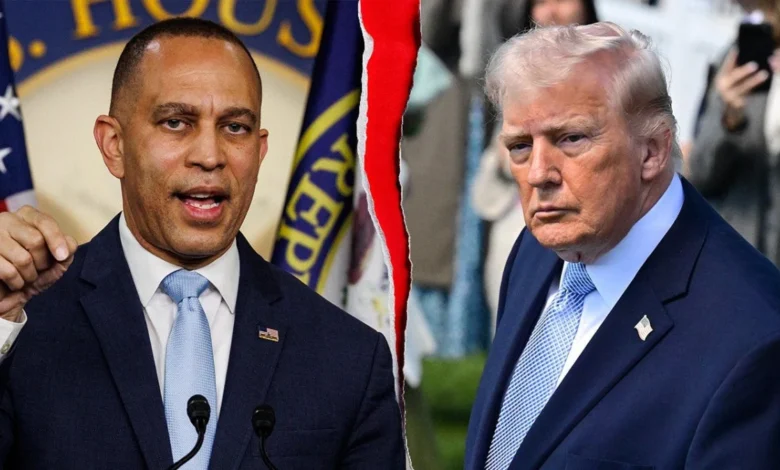
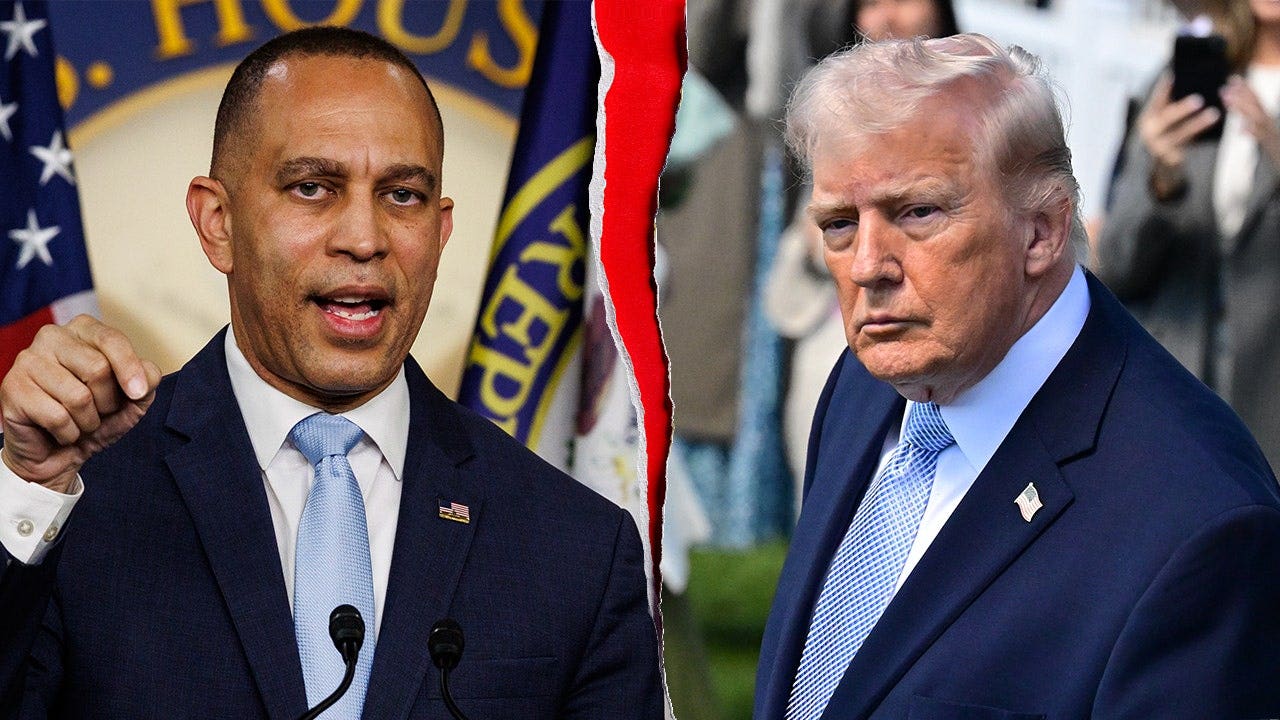
WASHINGTON — In a decisive procedural vote on Tuesday, the overwhelming majority of House Democrats joined forces with Republicans to successfully quash an eleventh-hour resolution aimed at impeaching President Donald Trump. The legislative maneuver, orchestrated by outgoing Representative Al Green, D-Texas, laid bare deep ideological fractures within the Democratic caucus as party leadership navigates a delicate tightrope ahead of the critical November midterm elections.
The vote to table the impeachment measure passed comfortably, reflecting a coordinated effort by establishment Democratic leadership to pivot public focus toward economic issues, such as inflation and the rising cost of living, rather than engaging in high-stakes, partisan impeachment battles that could alienate crucial moderate and independent voters.
The Catalyst and the Core Argument
The latest push for impeachment stemmed from a controversial incident earlier this year involving federal immigration officials. According to Green and his progressive allies, the killing of two U.S. citizens by immigration enforcement personnel constituted an abuse of executive power and a violation of civil liberties warranting the ultimate constitutional sanction of presidential removal.
Green brought the privileged resolution to the House floor, forcing a chamber-wide vote that bypassed the traditional committee markup process. In defending his actions, Green argued that the gravity of the situation demanded immediate legislative action, dismissing calls from his own party’s leadership to exercise patience and restraint.
"They will acknowledge that what the president is doing is impeachable, but they would have us wait. Well, the Constitution doesn’t have a wait clause in it," Green told reporters ahead of the vote. He further contended that voting to table the resolution or refer it to a committee effectively shielded the executive branch from accountability.
Leadership Response and the "Present" Vote Strategy
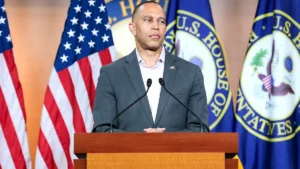
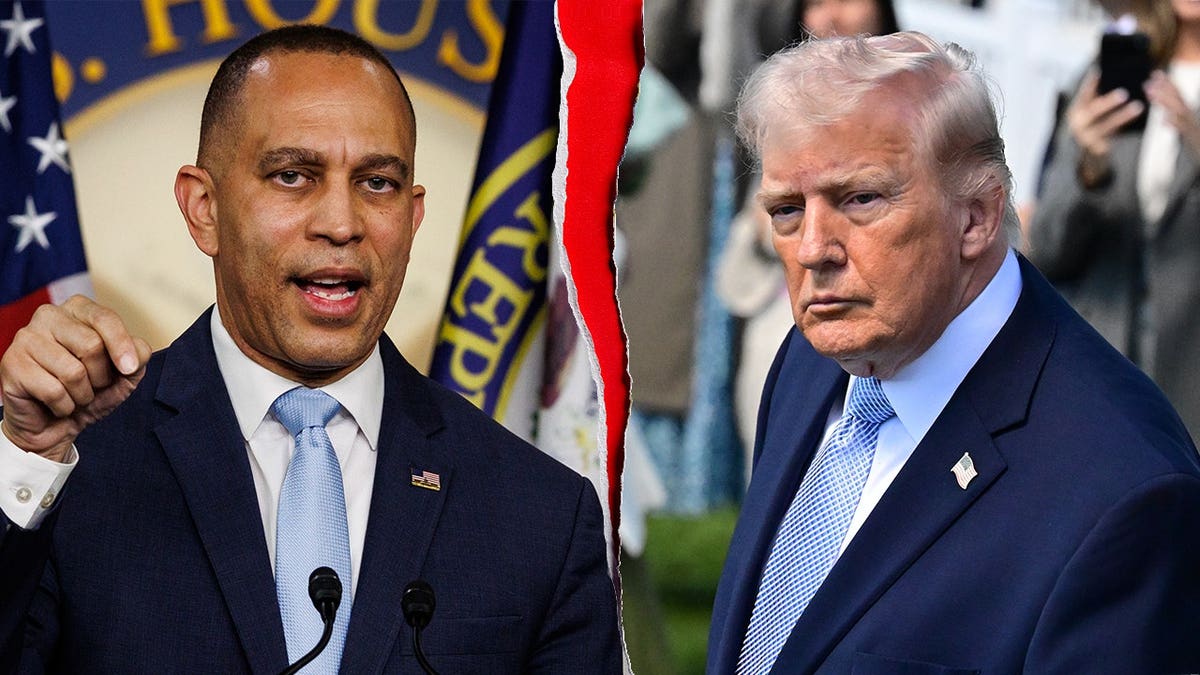
House Minority Leader Hakeem Jeffries, D-N.Y., alongside his top leadership deputies, adopted a strategic middle-ground approach by voting "present." This calculated maneuver allowed leadership to avoid taking a direct stance on the controversial merits of Green’s resolution while simultaneously facilitating its defeat alongside the Republican majority.
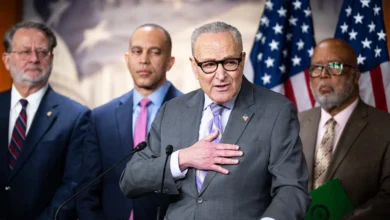
In a formal joint statement, senior Democratic leaders articulated their rationale for bypassing the impeachment effort at this juncture, emphasizing the procedural shortcomings of Green’s fast-tracked resolution.
"Impeachment traditionally requires a comprehensive investigative process, the collection and review of thousands of documents, an exacting scrutiny of the facts, the examination of dozens of key witnesses, congressional hearings, sustained public organizing, and the marshaling of the forces of democracy to build a broad national consensus," the leadership statement read.
Furthermore, the statement criticized the Republican majority for allegedly rubber-stamping the administration’s broader policy agenda, contrasting it with the Democratic Party’s primary platform. "None of that serious work has been done… Accordingly, we will again vote ‘present’ on the motion to table the impeachment resolution as we continue our fight to make life more affordable for everyday Americans, while committing to holding the crooks accountable using every tool available to us beginning on day one."
A History of Intracalparty Friction
Tuesday’s vote marks the second time in recent years that Green has forced a confrontation over presidential impeachment. In June 2025, Green initiated a nearly identical legislative showdown, which ended when 128 Democrats broke ranks to join Republicans in voting to table the resolution.
That ongoing friction highlights a persistent philosophical divide within the Democratic Party. While the progressive wing frequently advocates for aggressive oversight and direct confrontation with the executive branch using institutional tools, the moderate establishment favors a disciplined, message-driven campaign centered on domestic priorities to secure legislative majorities in Congress.
Political analysts note that the leadership’s cautious stance is deeply rooted in electoral strategy. With control of the House hanging in the balance ahead of the November midterms, moderate Democrats representing swing districts have consistently urged their colleagues to avoid actions that could characterize the party as overly fixated on personal grievances rather than kitchen-table economic concerns.
Political Implications for Outgoing Lawmakers
For Green, the vote carried added personal significance. As a veteran progressive lawmaker who was defeated in his primary race following a fierce challenge by insurgent left-wing voters, the floor vote may well represent his final major act on the floor of the U.S. House of Representatives. His exit, alongside other progressive primary casualties, underscores a broader turbulence within the Democratic base regarding the balance between ideological purity and pragmatic electoral strategy.
As Capitol Hill turns its attention back to scheduled legislative business, the fallout from the vote underscores the ongoing challenges facing House leadership. Balancing the demands of a passionate, activist-driven base with the pragmatic realities of winning competitive general election districts remains one of the central strategic hurdles for Democrats as they chart their path toward the midterm elections.
Related posts: