New photos show extensive damage to U.S. bases in Kuwait and Saudi Arabia following Iranian drone and missile attacks

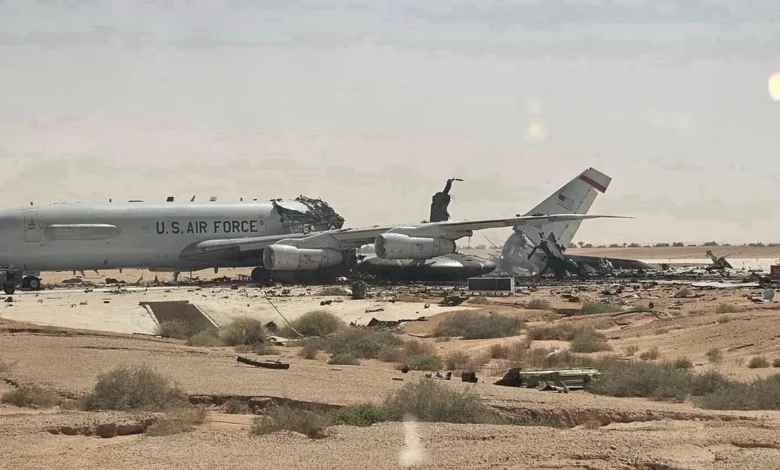
The geopolitical landscape of the Middle East has shifted dramatically in recent months, with new, exclusive photographic evidence provided to CBS News confirming the extent of the destruction sustained by United States military installations across the region. These images, captured by service members currently deployed in the theater, illustrate a scale of damage that stands in stark contrast to the narratives provided by official channels, highlighting the vulnerability of American assets to sustained, large-scale aerial offensives.
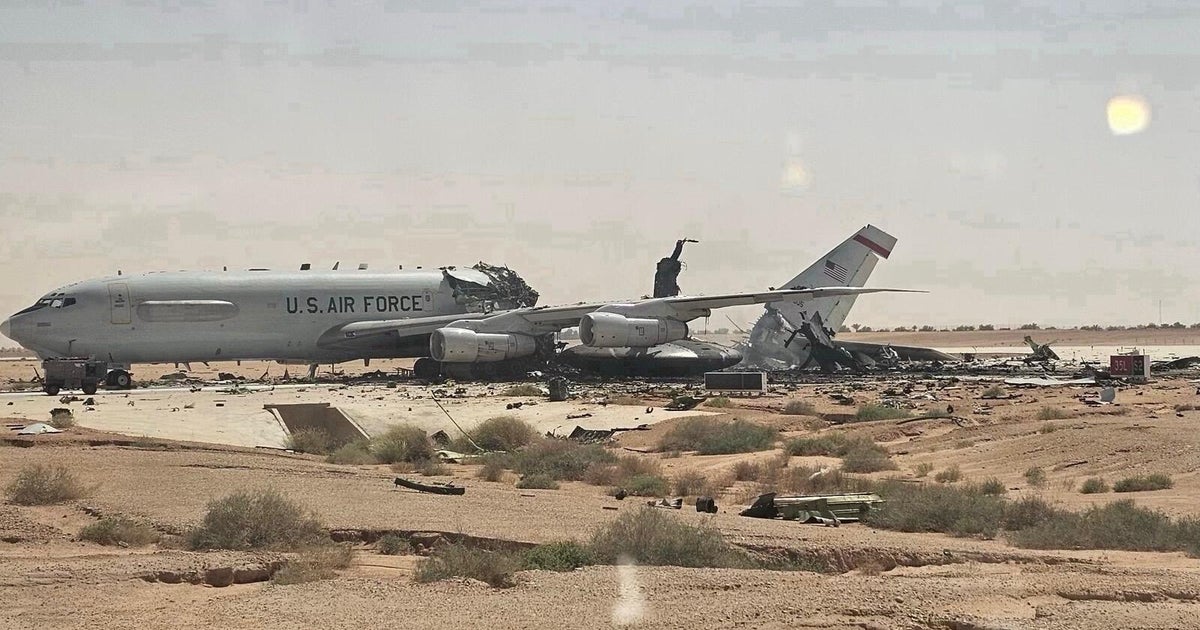
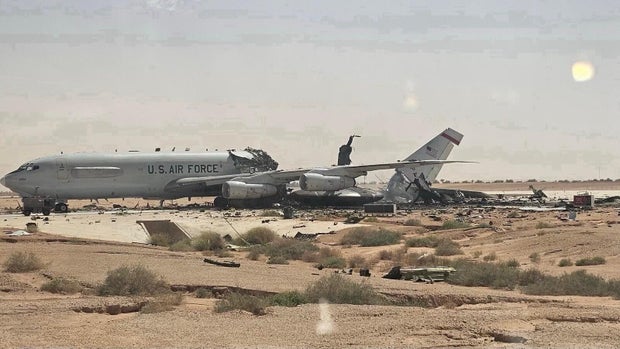
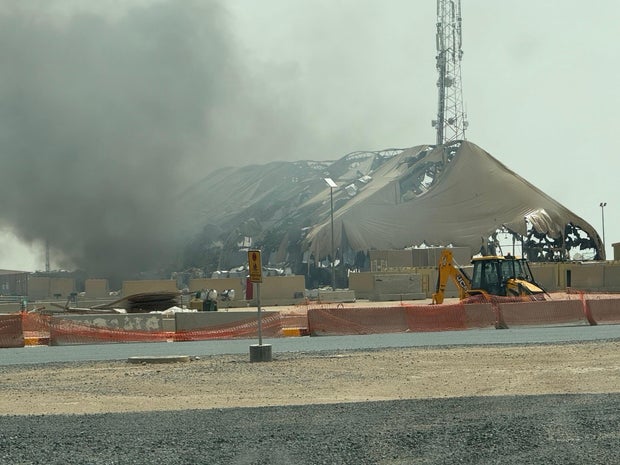
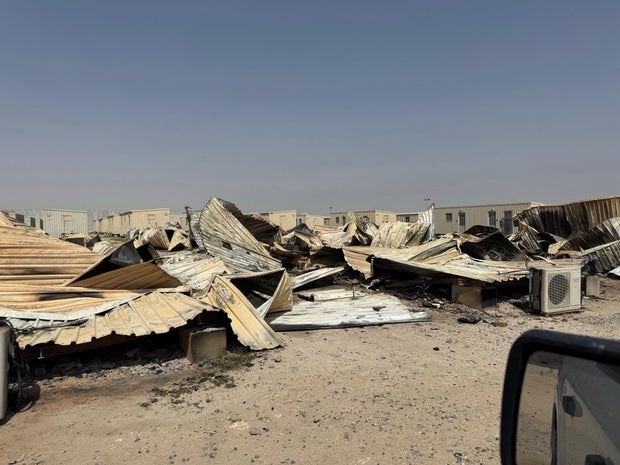
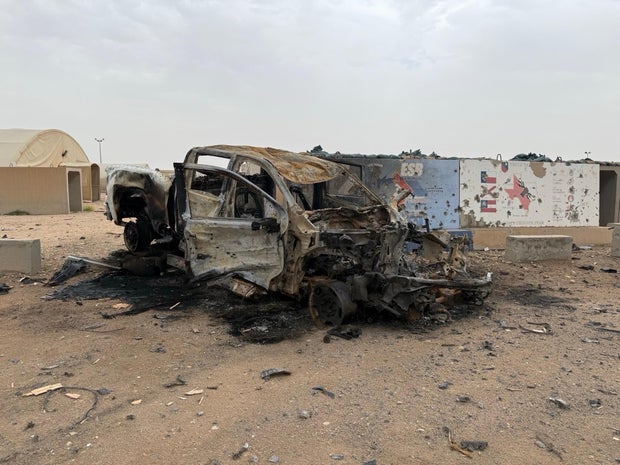
The visual evidence obtained by CBS News offers a rare, ground-level perspective on the aftermath of Iranian missile and drone strikes. At Prince Sultan Air Force Base in Saudi Arabia, one image depicts a Boeing E-3 Sentry airborne early warning and control aircraft with its tail section severed and the fuselage charred, a devastating blow to regional intelligence-gathering capabilities. Other images from the same location show buildings reduced to rubble, standing in silent testimony to the failure of traditional "T-wall" defensive barriers, which were originally designed to mitigate the impact of ground-based mortars and grenades rather than precision-guided aerial munitions. Similar scenes of wreckage were documented at Camp Buehring and Camp Arifjan in Kuwait, where imagery revealed destroyed motor pools, hollowed-out barracks, and incinerated support vehicles.
A Pattern of Escalation: The Chronology of Conflict
The current situation is the culmination of a protracted period of rising tensions that began in early 2026. While the conflict has seen various skirmishes, the intensity of the Iranian response has escalated significantly in both frequency and technological sophistication.

- March 1, 2026: A coordinated attack on the Port of Shuaiba in Kuwait resulted in the loss of six American lives. In the aftermath, defense officials characterized the event as a minor breach of security, with Secretary of Defense Pete Hegseth referring to the incoming munitions as "squirters," a term suggesting isolated projectiles rather than a systemic failure of air defense.
- April–June 2026: The frequency of drone and missile harassment increased, targeting logistics hubs across the Gulf Cooperation Council (GCC) states. These attacks appeared aimed at disrupting U.S. supply chains and testing the saturation limits of regional air defense systems.
- August 2026: The Defense Department’s inspector general commenced an audit of equipment losses. The subsequent report, released in mid-September, provided the first formal acknowledgment of the multi-billion-dollar toll the campaign has exacted on U.S. forces.
- September 15, 2026: Public release of photographic evidence by CBS News, corroborating reports of widespread damage and challenging the prevailing narrative of limited impact.
Economic and Strategic Impact: The $3.7 Billion Toll
The financial and operational implications of these attacks are staggering. According to a recently released report from the Office of the Inspector General (OIG), the U.S. military has suffered approximately $3.7 billion in equipment losses. Perhaps more concerning than the monetary figure is the loss of nearly 60 aircraft, many of which served as critical force multipliers for U.S. Central Command (CENTCOM).
The OIG report explicitly documents strikes against American positions in a broad swath of the Middle East, including Kuwait, Bahrain, Qatar, the United Arab Emirates, Saudi Arabia, Iraq, Oman, and Jordan. This geographic breadth indicates that Iran has moved beyond localized strikes to a theater-wide strategy, designed to overwhelm the layered defensive networks that have served as the cornerstone of U.S. regional strategy for decades.
Voices from the Front: The Disconnect in Reporting
The anonymous service members who provided these photographs cite a profound disconnect between the reality on the ground and the information being disseminated to the American public. One deployed member, speaking on the condition of anonymity due to strict media policies, described the experience as being left defenseless. "This is major damage to our bases that hasn’t been communicated to the American public," the source stated. "We’re standing there with our eyes closed getting punched in the face. We’re not defending these bases; we’re just watching them get destroyed."
This frustration is compounded by the perceived inefficacy of current defensive infrastructure. The "T-wall" fortifications, which provided comfort and security for troops during the height of the insurgent conflicts of the early 2000s, have proven to be essentially cosmetic when faced with modern, long-range drone technology and ballistic missiles. The failure of these structures to offer meaningful protection has led to low morale and questions regarding the strategic viability of maintaining large, static base footprints in an era of precision-guided warfare.
Official Response and Strategic Analysis
As of September 15, 2026, the Pentagon has declined to provide a detailed comment on the specific images or the broader questions regarding base security. This silence has fueled speculation within the defense policy community about the next steps for U.S. policy in the region.
Military analysts suggest that the vulnerability revealed by these photos marks the end of an era. For decades, the U.S. maintained air superiority and regional dominance through a combination of carrier strike groups and land-based air power. However, the proliferation of cost-effective Iranian drone technology has allowed Tehran to engage in "asymmetric attrition," where the cost of attacking a base is a fraction of the cost of the assets destroyed or the interceptor missiles required to defend them.
Furthermore, the destruction of specialized intelligence, surveillance, and reconnaissance (ISR) platforms—such as the E-3 Sentry mentioned in the reports—severely limits the ability of the U.S. to monitor regional movements. Without these eyes in the sky, the ability of commanders to predict or intercept incoming threats is significantly diminished, creating a feedback loop of vulnerability.
Looking Ahead: Strategic Realignments
The implications of this damage extend far beyond the immediate repair costs. The loss of equipment and the demonstration of vulnerabilities at major hubs like Camp Buehring raise critical questions about the current U.S. posture in the Middle East. Policymakers are now faced with a difficult dilemma: either invest in a complete overhaul of regional air defense systems—which could take years and billions of dollars—or pivot toward a more decentralized, mobile, and harder-to-target military posture.
As Congress prepares to hold hearings based on the OIG report, the pressure on the Department of Defense to provide transparency will likely intensify. The images provided by service members are not merely snapshots of damage; they are a catalyst for a national conversation regarding the cost of current commitments and the changing nature of modern warfare. As the conflict continues to evolve, the ability of the U.S. to maintain its strategic objectives while safeguarding its personnel and hardware remains the most pressing challenge for the current administration.
The silence from the Pentagon regarding these specific images and the broader security failures will likely be a point of contention in upcoming legislative sessions, as members of Congress seek to understand how such substantial losses were sustained without a corresponding public shift in the assessment of the conflict’s trajectory. The coming months will be critical in determining whether these events trigger a change in military doctrine or if the status quo, now clearly compromised, will continue to face the pressures of an increasingly capable and determined adversary.
Related posts: