Intense Debate Erupts Over U.S.-Israel Defense Integration in House-Passed NDAA, Drawing Accusations of Misrepresentation and Threats to Sovereignty

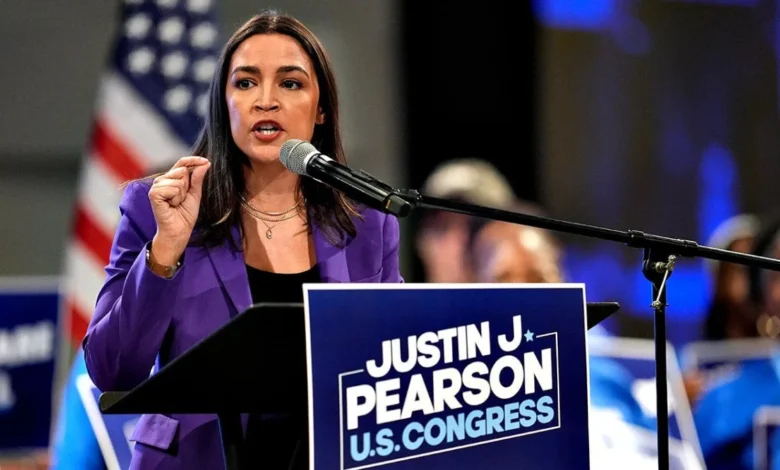
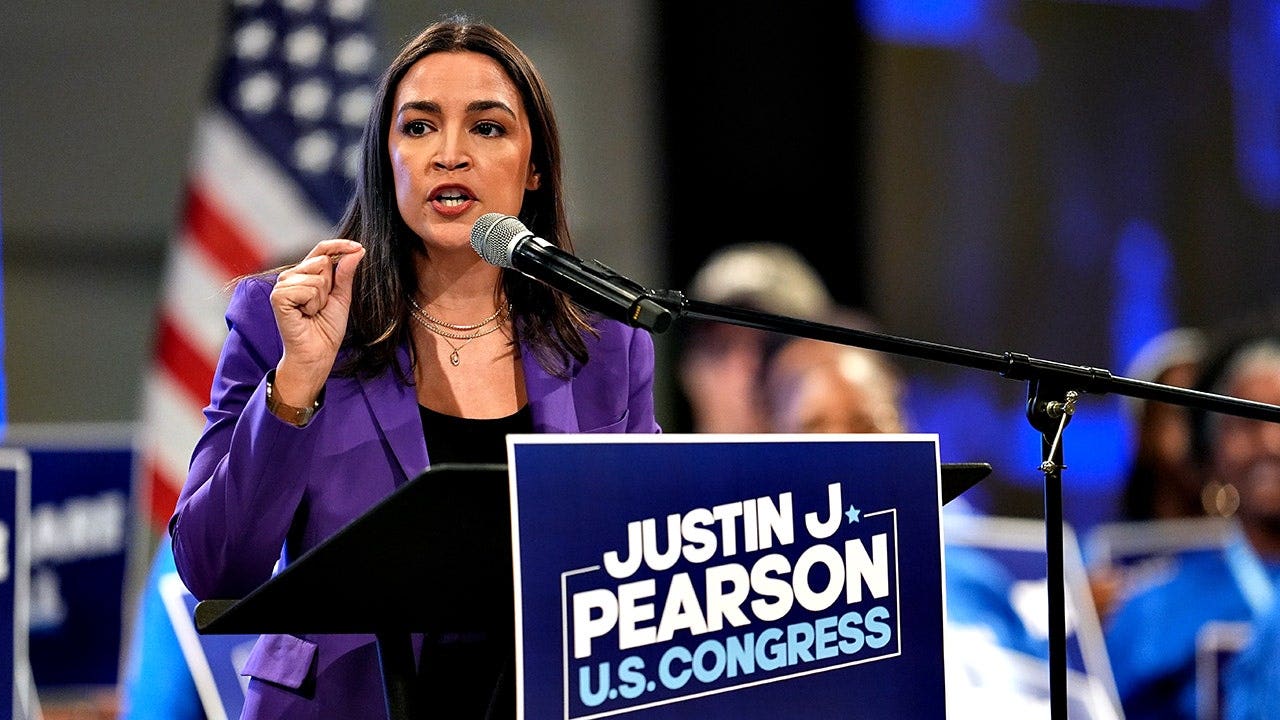
A significant political firestorm has ignited within the U.S. House of Representatives following the passage of the fiscal year 2027 National Defense Authorization Act (NDAA), specifically centered on Section 219, a provision aimed at deepening U.S.-Israel defense cooperation. The debate escalated dramatically after Representative Alexandria Ocasio-Cortez (D-N.Y.) asserted that the legislation would "merge parts of our military with the Israel Defense Forces," characterizing it as an "existential threat to American sovereignty and democracy." Her remarks swiftly drew vehement criticism from Republican lawmakers and former Trump administration officials, who accused her of distorting the bill’s intent and fueling misinformation. This controversy underscores the increasingly complex and often fraught discussions surrounding U.S. foreign policy, military alliances, and the enduring strategic partnership with Israel, particularly against a backdrop of heightened U.S.-Middle East tensions and pronounced ideological divides within Congress.
The National Defense Authorization Act and Section 219
The National Defense Authorization Act is one of the most critical pieces of legislation Congress passes annually, outlining the budget and expenditures for the U.S. Department of Defense and setting forth defense policy for the upcoming fiscal year. It is typically a bipartisan effort, yet the FY2027 iteration has become a flashpoint for ideological disagreements, particularly concerning international alliances and military engagement.
Section 219, the core of the current dispute, is a provision designed to foster greater defense integration between the United States and Israel. It specifically calls for expanded cooperation across several critical domains, including military technology development, the strengthening of supply chains, collaborative research initiatives, advancements in artificial intelligence, robust cybersecurity measures, and joint military exercises. Proponents of the section argue that these measures are essential for enhancing the interoperability of the two nations’ defense forces, leveraging shared expertise, and bolstering mutual security in a volatile region. They emphasize that such integration is a natural evolution of a long-standing strategic alliance, aimed at maximizing defensive capabilities against common threats, rather than dissolving national military structures. The House ultimately passed its version of the NDAA with Section 219 intact, by a vote of 219-206, reflecting a contentious but successful effort by its supporters.
The Genesis of the Controversy: Ocasio-Cortez’s Alarming Statements
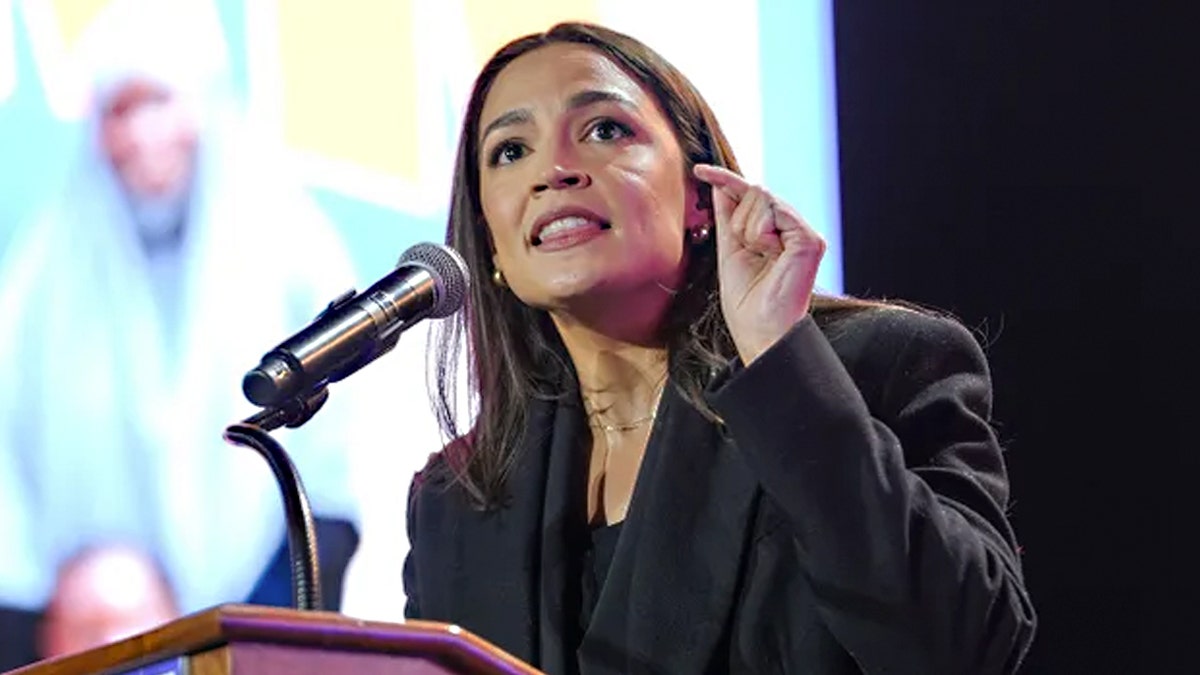
The immediate catalyst for the controversy was Representative Ocasio-Cortez’s post on the social media platform X, made shortly before the House vote. She wrote, "This amendment is an existential threat to American sovereignty and democracy. Every member of Congress must vote NO," referring to Section 219. Her claim that the NDAA would "merge parts of our military with the IDF" struck a particularly strong chord, implying a loss of distinct national military identity and operational control.
Ocasio-Cortez, a prominent figure in the progressive wing of the Democratic Party, has consistently advocated for a re-evaluation of U.S. foreign policy, often criticizing extensive military spending and foreign aid, particularly to Israel. Her stance is rooted in a broader progressive ideology that often questions the scope of American military intervention abroad and calls for a redirection of resources to domestic priorities. Her strong language regarding Section 219 aligns with this critical perspective, framing the defense integration as an erosion of U.S. independence. However, the specific wording of her claim – "merge parts of our military" – was interpreted by many as a significant mischaracterization, triggering immediate and widespread condemnation from those who view the provision differently.
Immediate Rebuttal and Fierce Political Backlash
The reaction to Ocasio-Cortez’s statement was swift and uncompromising, primarily from Republican circles. Lee Zeldin, the former Environmental Protection Agency Administrator and a vocal advocate for strong U.S.-Israel ties, publicly refuted her claim, labeling it "FALSE." He accused the congresswoman of intentionally misrepresenting the bill, using highly charged language to underscore his point: "Instead of merging the part of your brain that hates Jews with the part of your brain concocting your daily lies, you should try merging the part of your brain responsible for reading bill text with the part of your brain responsible for critical thinking." Zeldin’s comments highlight the deep partisan chasm and the intensity of the emotions surrounding discussions of Israel in American politics.
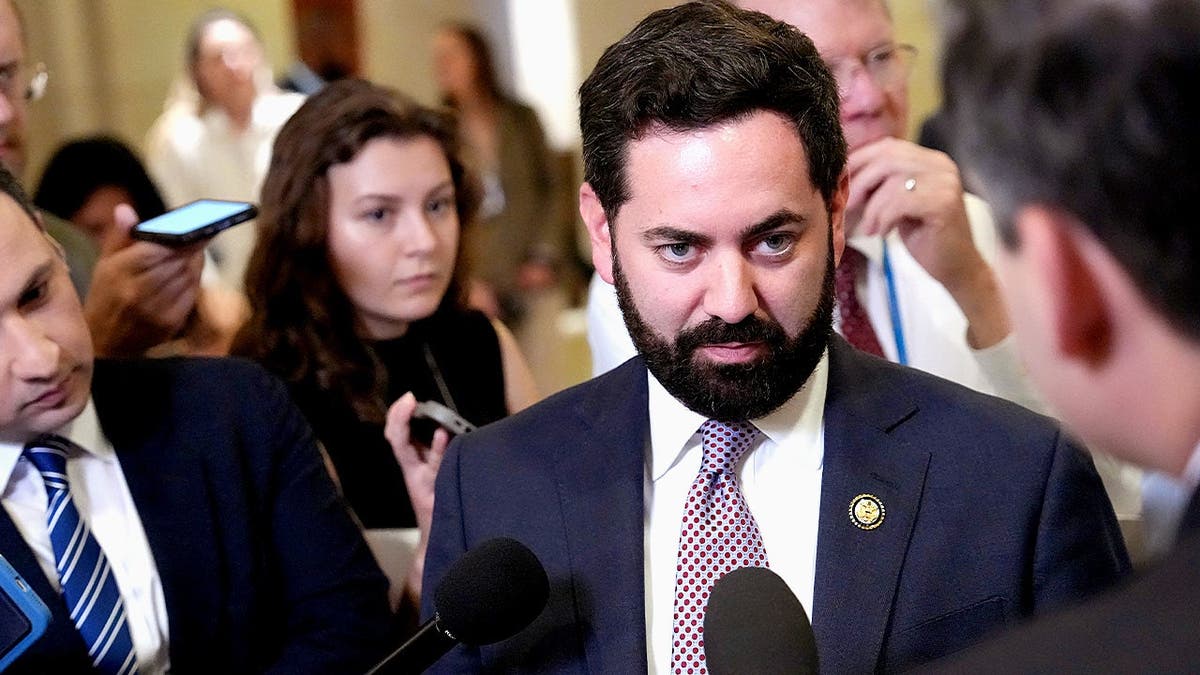
Similarly, Representative Mike Lawler (R-N.Y.) blasted Ocasio-Cortez, accusing her of "stoking Jew hatred" and unequivocally stating, "Good grief, you are either obtuse or intentionally lying. We are not merging our military with the IDF." Lawler further clarified that the provision merely expands upon existing forms of defense cooperation that the United States maintains with numerous close allies. He pointed to established practices such as intelligence sharing, joint military exercises, and collaborative weapons development as precedents for the type of integration envisioned by Section 219, arguing that these activities are standard components of international alliances, not a surrender of sovereignty. The chorus of Republican voices emphasized that Section 219 is about enhancing strategic collaboration, not creating a singular, combined military force.
The Broader Spectrum of Opposition: Massie and Khanna’s Concerns
While Ocasio-Cortez’s claims sparked outrage over alleged misrepresentation, another form of opposition to Section 219 emerged from a different ideological vantage point, led by Representative Thomas Massie (R-Ky.) and Representative Ro Khanna (D-Calif.). Their concerns, though aligned in opposition to the provision, were framed differently from Ocasio-Cortez’s more dramatic "merger" assertion. Massie, known for his libertarian-leaning views and skepticism towards extensive foreign entanglements, introduced an amendment specifically to strip Section 219 from the legislation. His argument centered on the scope of the integration and the potential for increased entanglement in foreign conflicts, rather than an outright "merger" of sovereign militaries.
However, Massie’s amendment was blocked from receiving a floor vote by House leadership, a procedural move that drew significant criticism from him and his allies. Following this setback, Massie announced his decision to oppose the entire defense bill, stating on X, "Unfortunately the Rule passed just now and no debate or vote was allowed on section 219, integration of US military technology and supply chains with Israel’s. The NDAA will receive a recorded vote tomorrow with section 219 in it. I’ll vote no."
Representative Ro Khanna, a progressive Democrat who partnered with Massie on the amendment, echoed this sentiment, criticizing House leadership for preventing a vote on their proposal to stop the "integration of our military with Israel’s." Khanna’s statement on X, "It is unconscionable to not even have a vote. We will be continuing on and will not be intimidated by the pro-Israel lobby," highlighted a frustration with the legislative process and alluded to the powerful influence of lobbying groups in shaping U.S. policy towards Israel. This unusual bipartisan alliance between a libertarian Republican and a progressive Democrat demonstrates the diverse motivations behind questioning the extent of U.S.-Israel defense ties, ranging from concerns about sovereignty and military entanglement to criticisms of foreign policy priorities and lobbying influence. Their opposition, while distinct from Ocasio-Cortez’s characterization, still points to a growing unease in some corners of Congress about the depth and nature of the U.S.-Israel military relationship.
Historical Context of U.S.-Israel Defense Cooperation
To fully understand the current debate, it is crucial to place Section 219 within the broader historical context of U.S.-Israel defense cooperation, which spans several decades and has consistently been a cornerstone of American foreign policy in the Middle East. Since Israel’s founding in 1948, and particularly after the 1967 Six-Day War, the United States has cultivated a robust strategic alliance with Israel, rooted in shared democratic values, mutual security interests, and a commitment to regional stability.
This cooperation has manifested in numerous forms:
- Military Aid: The U.S. has provided billions of dollars in military assistance to Israel, enabling it to maintain a qualitative military edge (QME) over potential adversaries. This aid has been crucial for Israel’s defense capabilities.
- Intelligence Sharing: Extensive intelligence cooperation has been a hallmark of the relationship, allowing both nations to counter terrorism and address regional threats more effectively.
- Joint Research and Development: Collaborative efforts have led to the development of advanced defense systems, most notably missile defense technologies like the Iron Dome, Arrow, and David’s Sling systems. These programs involve significant technological transfer and shared expertise.
- Joint Military Exercises: Regular joint exercises between the U.S. and Israeli armed forces enhance interoperability, tactical coordination, and readiness for various scenarios.
- Strategic Dialogue: High-level strategic dialogues and consultations between defense officials are common, ensuring alignment on regional security challenges.
From this historical perspective, Section 219 can be seen not as a radical departure towards a "merger," but rather as an intensification and formalization of existing, well-established patterns of cooperation. Proponents argue that in an era of rapidly evolving threats – from advanced cyber warfare to sophisticated missile technology and regional destabilization – deepening this integration is a pragmatic and necessary step to protect both nations’ interests. The provisions for expanded cooperation on military technology, supply chains, AI, and cybersecurity are framed as adaptations to modern warfare requirements, ensuring that the alliance remains robust and effective.
Implications and Analysis
The controversy surrounding Section 219 of the NDAA carries significant implications across domestic politics, U.S. national security, and broader foreign policy.
Domestic Political Divide: The debate highlights the widening ideological chasm within the Democratic Party regarding Israel. While traditional Democratic leadership, including figures like House Minority Leader Hakeem Jeffries, generally maintains a pro-Israel stance, a growing progressive wing, epitomized by Ocasio-Cortez and Khanna, is increasingly vocal in its criticism of Israeli policies and the extent of U.S. support. This internal party struggle reflects a broader generational and ideological shift, where younger and more diverse voters often express greater skepticism about the alliance. The public nature of this disagreement, often amplified by social media, further complicates party unity and provides fodder for partisan attacks from Republicans. The bipartisan alliance between Massie and Khanna, albeit tactical, also underscores that opposition to certain aspects of U.S.-Israel relations is not solely a progressive phenomenon but can also stem from libertarian or anti-interventionist viewpoints.
U.S. National Security: From a national security perspective, proponents argue that Section 219 enhances the capabilities of both the U.S. and Israel, allowing for more effective responses to shared threats from state and non-state actors in the Middle East. Deeper integration in areas like cybersecurity and AI could create a more resilient defense against sophisticated attacks. Conversely, critics like Ocasio-Cortez contend that such integration could excessively entangle the U.S. military in regional conflicts, potentially drawing American forces into engagements that do not directly serve core U.S. interests or that bypass congressional oversight. While the claim of an "existential threat to American sovereignty" may be an overstatement to many, it taps into legitimate concerns about the balance between alliance obligations and national self-determination.
U.S. Foreign Policy and Regional Stability: The perception of U.S.-Israel defense integration in the Middle East is also a critical factor. For Israel and its Arab allies (especially those who have normalized relations through the Abraham Accords), stronger U.S. security commitments are viewed as a deterrent against adversaries like Iran and its proxies. It signals unwavering American support. However, for nations and groups hostile to Israel, increased integration could be seen as further evidence of U.S. complicity in Israeli actions, potentially fueling anti-American sentiment and exacerbating regional tensions. The U.S. must carefully navigate this perception, balancing its strategic interests with broader diplomatic objectives in a highly sensitive geopolitical landscape.
Legislative Process and Misinformation: The blocking of amendments, as experienced by Massie and Khanna, raises questions about the transparency and fairness of the legislative process in Congress, particularly when powerful lobbying interests are perceived to be at play. Furthermore, the fervent debate underscores the pervasive challenge of misinformation and mischaracterization of legislative text in the digital age. Lawmakers’ use of social media to disseminate interpretations of complex bills can quickly escalate into contentious public discourse, often overshadowing nuanced policy discussions with simplified, and sometimes misleading, narratives. This phenomenon impacts public understanding and trust in democratic institutions.
Looking Ahead
As the House-passed NDAA moves to the Senate for consideration, the debate surrounding U.S.-Israel defense integration is far from over. Senators will likely scrutinize Section 219, and similar discussions, if not direct amendments, can be anticipated. The Senate’s version of the NDAA will undergo its own process, potentially leading to further modifications or challenges to the provision. The final version of the bill will then require reconciliation between the two chambers.
The ongoing controversy serves as a potent reminder of the enduring complexities of the U.S.-Israel strategic alliance and the evolving dynamics of American foreign policy. It highlights the growing internal divisions within political parties on issues of international engagement, military spending, and the role of the United States in a changing global order. The debate over Section 219 is not merely about a technical defense provision; it is a reflection of deeper ideological battles over America’s identity, its commitments abroad, and the very nature of its sovereignty in an interconnected world. The outcome will undoubtedly shape not only the future of U.S.-Israel defense cooperation but also the broader trajectory of American foreign policy in the Middle East for years to come.