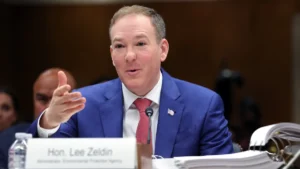
EPA Administrator Lee Zeldin Announces Rollback of Power Plant Carbon Standards Amidst New Water Quality Inquiry

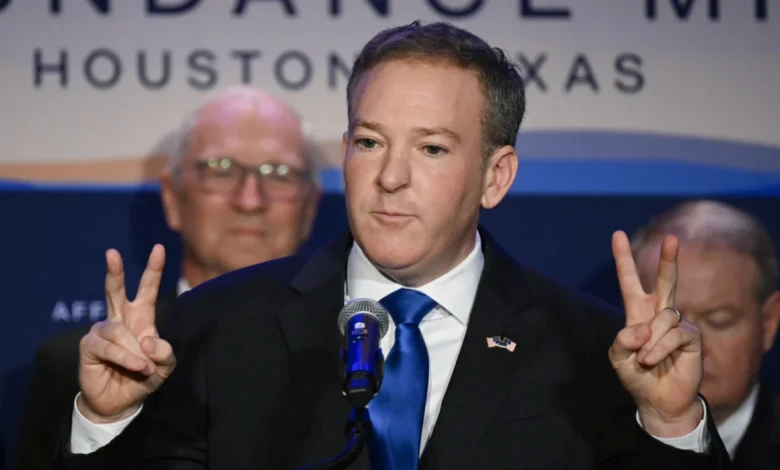
Environmental Protection Agency (EPA) Administrator Lee Zeldin announced a sweeping reversal of federal climate policy on September 14, 2026, signaling the formal end of carbon emission standards for fossil fuel-fired power plants. Speaking at the G20 Ministerial meeting on Energy Abundance in Houston, Texas, Zeldin framed the move as a necessary correction to what he described as a long-standing federal campaign against the American energy sector. This development arrives in tandem with a controversial, newly launched EPA scientific study tasked with auditing the nation’s drinking water for traces of pharmaceutical compounds, including medications used for abortion and gender-affirming care.
The dual nature of these announcements underscores a fundamental pivot in the EPA’s mandate under the current administration, shifting the agency’s focus away from systemic climate mitigation and toward an agenda centered on industrial deregulation and the intersection of environmental monitoring with social policy.
The Rescission of Power Plant Regulations
The repeal of existing carbon pollution standards marks a significant milestone in the administration’s "energy dominance" strategy. According to official EPA documentation released in Houston, the agency intends to dismantle the regulatory framework established during the previous administration, which sought to curb emissions from coal and natural gas-fired power plants.
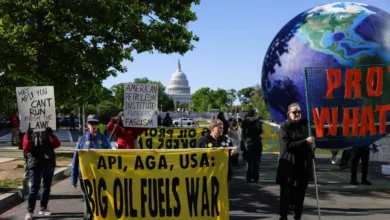
Zeldin’s address in Houston emphasized economic relief, stating, “For over 15 years, the Obama and Biden administrations implemented a war on coal to destroy reliable and affordable energy. The Trump administration has come in to protect American energy and to make sure you can afford to keep the lights on.”
From an analytical standpoint, the implications of this rollback are profound. The Biden-era standards were projected to reduce carbon emissions by approximately 1.38 billion metric tons by 2047. By rescinding these rules, the EPA has effectively removed a central pillar of federal climate strategy. Furthermore, the action follows a series of deregulatory maneuvers throughout 2025 and 2026, including the rescission of vehicle emission standards and the 2009 endangerment finding, which had previously provided the legal foundation for the EPA to regulate greenhouse gases as a threat to public health.
Energy analysts note that this shift provides immediate relief to the fossil fuel industry, removing the compliance costs associated with carbon capture and sequestration technologies that were becoming increasingly required for aging power plants. However, environmental advocacy groups contend that the move ignores the long-term economic costs of climate change, including increased disaster relief spending and infrastructure damage caused by extreme weather events.
Investigating the Water Supply: A New Regulatory Front
Days before the Houston announcement, the EPA unveiled a broad-spectrum water quality study that has drawn immediate scrutiny from both scientific and political circles. The study, which aims to detect over 1,000 chemicals and medications, explicitly includes mifepristone and misoprostol—the two-drug regimen for medication abortion—as well as various hormones associated with gender-affirming care.
The inclusion of these specific compounds has been championed by anti-abortion organizations, most notably Students for Life. Kristan Hawkins, the group’s leader, characterized the study as a victory for the "Pro-Life Generation," suggesting that the presence of such medications in public water supplies constitutes a significant environmental and moral failure.
The narrative surrounding the testing centers on the concern that pharmaceutical runoff—specifically from abortion pills—may be infiltrating the public water supply. However, the scientific community has raised questions regarding the intent and necessity of this specific focus.
Nathan Donley, the environmental health science director at the Center for Biological Diversity, has noted that mifepristone is typically administered as a one-time dose by a relatively small fraction of the population. In the context of pharmaceutical pollution, common substances like antidepressants, antibiotics, and endocrine-disrupting chemicals from birth control are significantly more prevalent. Donley argues that prioritizing abortion medication in a nationwide water survey is a distraction from more pressing, scientifically verified threats to water safety, such as PFAS (per- and polyfluoroalkyl substances) and lead contamination.
A Chronology of Policy Shifts
To understand the current trajectory of the EPA, one must look at the systematic dismantling of the agency’s previous climate and environmental posture:
- 2009: The EPA issues the "Endangerment Finding," formally recognizing that greenhouse gases threaten human health and welfare.
- 2024: The EPA finalizes strict carbon emission standards for power plants, aiming for significant reductions by 2047.
- February 2026: The EPA formally rescinds vehicle emission standards and the 2009 endangerment finding, removing the federal legal basis for broad climate regulation.
- June 2026: Republican lawmakers intensify pressure on the EPA to investigate the presence of abortion medication in the water supply.
- September 2026: The EPA launches the nationwide water quality study and announces the total repeal of power plant carbon limits.
Analysis of Implications
The dual strategy of deregulating energy production while simultaneously utilizing the EPA to investigate reproductive healthcare highlights a significant shift in the weaponization of federal agencies.
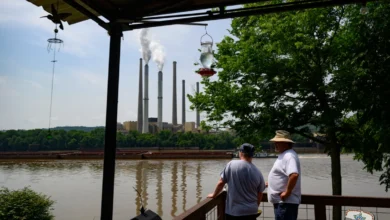
For the energy sector, the regulatory environment has shifted from one of constraint to one of expansion. The removal of carbon limits allows for the extended operation of older, higher-polluting coal plants that were slated for retirement. While this may provide short-term price stability for electricity, it likely locks in higher greenhouse gas emissions for the coming decades, undermining international climate commitments.
For the water quality study, the implications are primarily legal and political. Former EPA career scientist Betsy Southerland has expressed alarm, noting that if the study produces even trace results of these medications, the findings will likely be used to fuel state-level litigation against reproductive healthcare providers. The concern among pro-choice activists, including writer Jessica Valenti, is that the data will be used to create a "fear-based" narrative, suggesting that the public water supply is being "poisoned" by abortion access. This, in turn, could lead to new legislative hurdles for pharmaceutical access under the guise of environmental safety.
Official Responses and Public Reaction
The backlash to these dual announcements has been swift. Industry groups in the energy sector have largely lauded the move as a return to "energy independence," while environmental organizations have condemned the administration’s actions as a dereliction of duty.
Holly Bender, chief program officer for the Sierra Club, stated, “The Trump administration is handing the fossil fuel industry a license to keep polluting. This is full-throated climate denial while the climate crisis happens in real time and a shocking betrayal of the American public.”
Conversely, Secretary of Health and Human Services Robert F. Kennedy, Jr. has supported the administration’s focus on water quality, framing it as a transparency initiative. In various statements, he has argued that Americans deserve to know the full chemical composition of their water, including the presence of synthetic substances that may have long-term impacts on public health.
As the EPA moves forward with its new agenda, the tension between these two tracks—the massive deregulation of industrial pollutants and the hyper-scrutiny of reproductive medications—reflects a broader national struggle over the role of federal science. Whether the water quality study serves as a genuine public health inquiry or as a vehicle for further restricting healthcare remains a focal point of intense legal and political debate. For now, the administrative actions taken in Houston represent a definitive departure from the policies of the previous decade, prioritizing industrial growth over traditional climate-focused regulatory standards.
Related posts: