Frontier Airlines Flight Disrupted After Service Dog Defecates in Cabin Causing Three Hour Delay

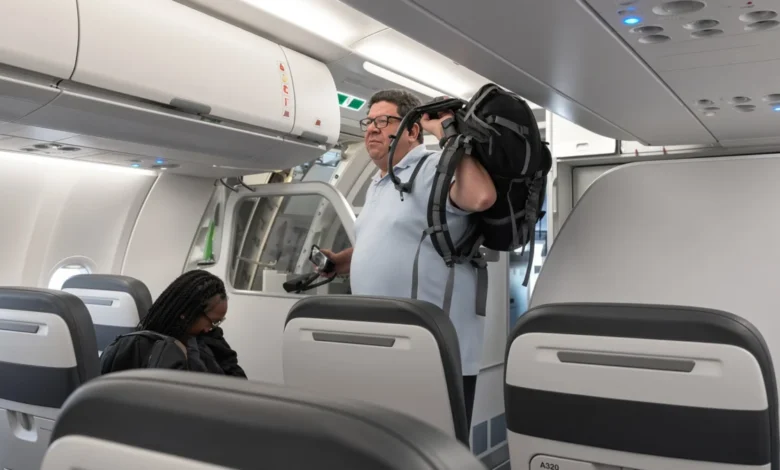
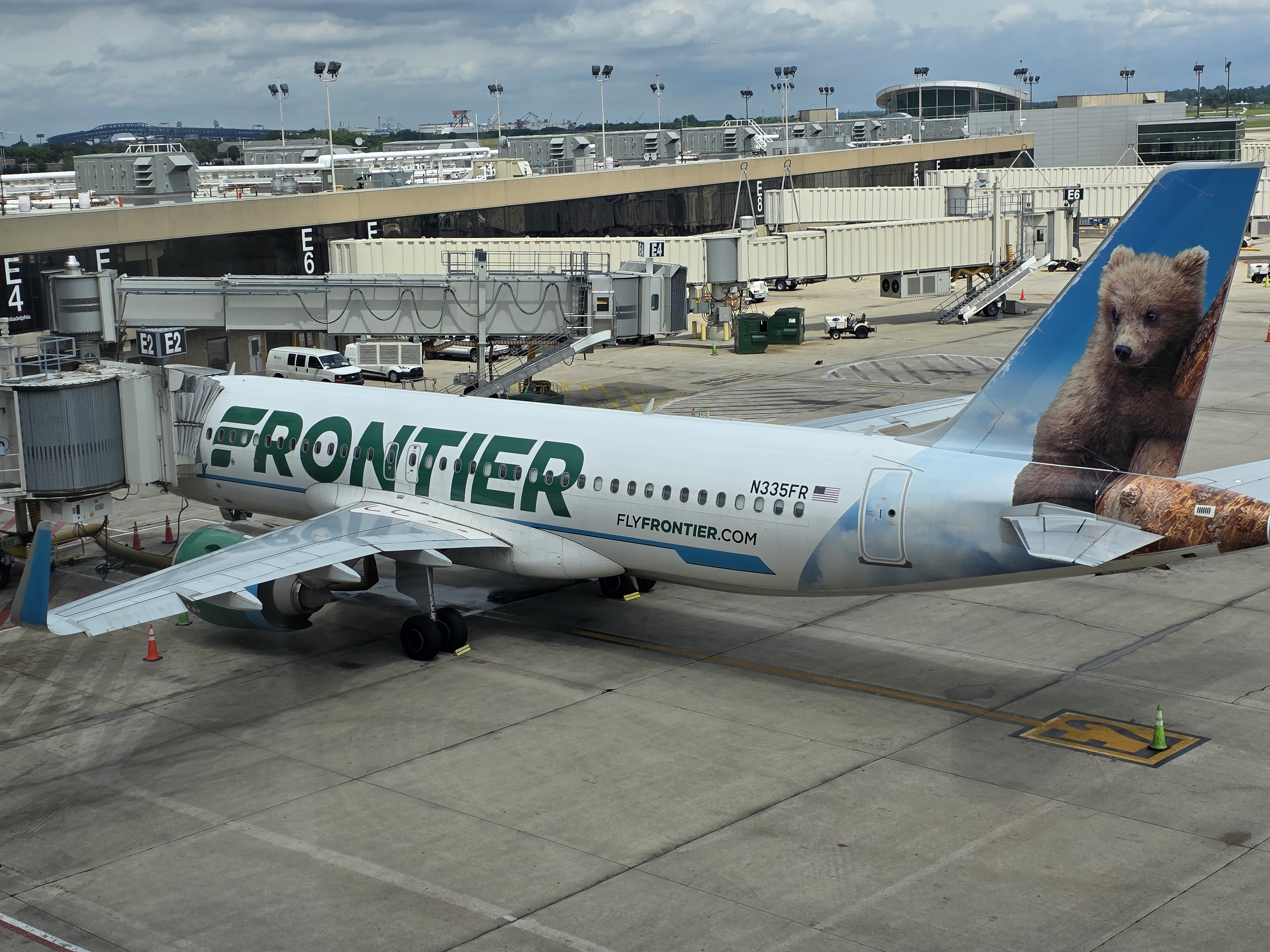
The tranquil environment of a commercial aircraft cabin was abruptly shattered on a recent Frontier Airlines flight departing from Dallas-Fort Worth International Airport (DFW) bound for Baltimore/Washington International Thurgood Marshall Airport (BWI). What was scheduled to be a routine morning departure devolved into a sanitation crisis when a large dog, reportedly traveling as a service animal, defecated on the floor of the cabin and allegedly onto the foot of a fellow passenger. The incident, which occurred shortly before the scheduled 9:25 a.m. departure, resulted in a cascading series of logistical hurdles that kept passengers grounded for more than three hours.
Chronology of the Incident
The disruption began shortly before the aircraft was slated for pushback. According to accounts shared on social media platforms, including an Instagram reel documented on August 14 and corroborated by reports within the Frontier GoWild! Pass Holders Facebook group, the canine—described by the owner as a service animal—relieved itself in the aisle of the cabin.
The immediate aftermath was captured in a viral video, which shows the dog’s handler gathering personal belongings and moving toward the front of the aircraft to disembark. Witnesses described a scene of confusion and mounting frustration as cabin crew assessed the situation. While the airline initially attempted to address the immediate cleanup, the scope of the contamination necessitated a professional response to ensure the aircraft met sanitation standards before continuing with its flight path. Passengers reported sitting on the tarmac for approximately 90 minutes while airline personnel coordinated the cleaning process, which ultimately extended the total ground delay to more than three hours.
Regulatory Framework and the Service Animal Debate
The incident highlights the ongoing complexities surrounding the transportation of animals in the cabin. Historically, the Department of Transportation (DOT) allowed for "emotional support animals" (ESAs), a category that saw widespread abuse by passengers seeking to bypass pet carrier requirements and associated baggage fees. In early 2021, the DOT finalized a rule that redefined service animals exclusively as dogs that are individually trained to do work or perform tasks for the benefit of a person with a disability.
This regulatory change was intended to mitigate the prevalence of untrained animals in the cabin. However, as evidenced by the Frontier incident, the "incentive gap" remains. Passengers may still be tempted to misrepresent pets as service animals to avoid the financial costs of shipping large animals as cargo or the logistical restrictions of requiring a pet to remain in an FAA-approved carrier for the duration of a flight.

Under current federal regulations, airlines are permitted to deny boarding to any service animal that exhibits disruptive behavior. This includes, but is not limited to, growling, biting, jumping on people, or, significantly, urinating or defecating in the cabin or gate area. Frontier Airlines’ own policy explicitly lists these behaviors as grounds for removal, a stance supported by the Department of Transportation’s current guidelines.
Analysis of Airline Response Protocols
The management of this specific incident raises questions regarding the consistency of airline responses to in-flight sanitation issues. While Frontier Airlines elected to address the situation through cleaning protocols—which, while time-consuming, prioritized cabin hygiene—the industry has faced criticism for inconsistent standards.
In past instances, passengers have reported being directed by flight crews to clean up animal waste themselves, a practice that has drawn significant public ire and raised concerns regarding health and safety. Furthermore, the handling of "sick" animals on aircraft has become a point of contention for frequent flyers. In cases where animals experience recurring digestive issues during a flight, the lack of a standardized cleanup protocol can lead to prolonged discomfort for passengers, with some airlines offering minimal compensation, such as a few thousand frequent flyer miles, which critics argue is insufficient given the nature of the inconvenience.
The Broader Impact on Aviation Operations
The economic and operational costs of such incidents are significant. A three-hour delay for a single narrow-body aircraft can have a ripple effect across an airline’s entire network. Beyond the immediate fuel costs of idling at the gate, airlines must contend with crew duty time limitations. Federal aviation regulations mandate strict limits on how many hours a flight crew can be on duty; if a delay persists, a flight may be forced to cancel entirely due to the crew "timing out," requiring the airline to provide hotel accommodations and rebooking services for all passengers on board.
Moreover, the incident places an undue burden on gate agents and flight attendants, who are often forced to act as arbiters in situations where the validity of a service animal is contested. While airline staff are permitted to ask two specific questions—whether the animal is a service animal required because of a disability and what work or task the animal has been trained to perform—they are generally prohibited from requiring medical documentation or a demonstration of the dog’s training. This limitation makes it difficult to effectively filter out animals that are not adequately prepared for the stressors of air travel.
Future Implications and Policy Considerations
The industry is currently facing a balancing act. On one hand, airlines must ensure accessibility for passengers with legitimate disabilities who rely on service animals for independence. On the other, they must maintain a safe, sanitary, and efficient environment for all passengers.
Industry analysts suggest that without more robust enforcement of the existing service animal rules, incidents of this nature are likely to persist. Some advocates for the airline industry have suggested the implementation of a national, digitized database for verified service animals, which would allow for easier identification. However, such a measure faces significant pushback from disability rights groups, who argue that it creates an unnecessary barrier to access and violates privacy.
For the time being, airlines like Frontier are left to rely on the "disruptive behavior" clause to manage the passenger experience. The incident at DFW serves as a stark reminder that the definition of a service animal carries profound implications for the operational stability of the commercial aviation sector.
As air travel continues to see record-breaking passenger numbers, the pressure on airlines to refine their policies regarding animals in the cabin will likely intensify. The incident on the Dallas-to-Baltimore flight serves as a case study in the intersection of passenger entitlement, regulatory ambiguity, and the logistical realities of high-volume air travel. While the flight eventually reached its destination, the event underscores a growing frustration among the traveling public, who increasingly call for stricter verification processes to ensure that the cabin environment remains suitable for all passengers, regardless of the presence of working animals.
Moving forward, stakeholders in the aviation industry—from federal regulators to airline executives—will need to evaluate whether current enforcement mechanisms are sufficient to prevent such incidents from occurring, or if a more comprehensive, centralized approach is required to protect both the rights of passengers with disabilities and the integrity of the in-flight experience.
Related posts: