Lifestyle Trends and Consumer Behavior Shifts in Summer 2026 Defined by Nostalgic Fashion and Specialty Beverage Cultures

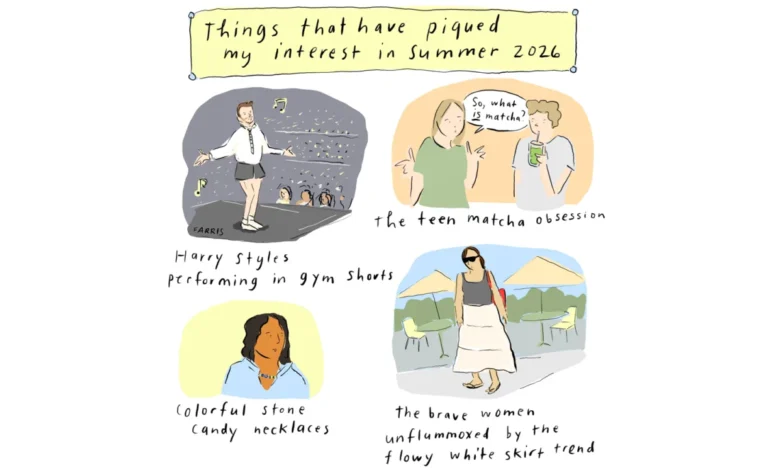
The summer of 2026 has emerged as a pivotal period for lifestyle trends, characterized by a complex intersection of Y2K nostalgia, a burgeoning "craft" beverage market, and a shift in parenting philosophies regarding fashion and caffeine consumption. As urban centers navigate the peak of the July heat, consumer data and social discourse indicate a resurgence of specific aesthetic choices that prioritize visual "freshness" despite practical challenges. From the ubiquitous presence of flowy white skirts to the sophisticated evolution of matcha-based drinks, the current cultural landscape reflects a consumer base that is increasingly "unflummoxed" by the maintenance required for high-maintenance aesthetics. This report examines the driving forces behind these trends, the demographic shifts propelling them, and the broader implications for the retail and service industries.
The Resurgence of Bohemian Minimalism: The White Skirt Phenomenon
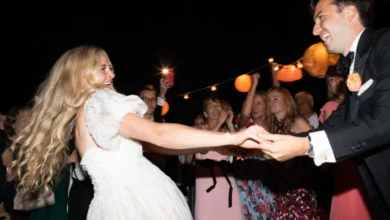
One of the most visible trends of the 2026 summer season is the dominance of the long, flowy white skirt. Originally popularized in the late 1990s and early 2000s, the garment has seen a significant revival, particularly among Gen Z and Millennial demographics. Market analysts note that the trend gained substantial momentum following high-profile cultural events, such as the 2025-2026 international tours of artists like Noah Kahan, where the "granola-chic" and "boho-revival" aesthetics were adopted by a majority of attendees.
However, the 2026 iteration of this trend is distinct due to its adoption by demographics previously considered "risk-averse" to white apparel, specifically parents of young children and educators. Social discourse highlights a growing sentiment of "fashion bravery," where the aesthetic value of white clothing is prioritized over the practical risks of stains from "sticky hands" or outdoor activities. This shift is supported by a robust secondary market for high-efficiency stain removal products. Consumers are increasingly investing in portable solutions such as Tide pens and specialized upholstery cleaners like the Bissell Little Green and Folex, which have seen a 15% uptick in summer sales compared to the previous year.
The psychological aspect of this trend cannot be overlooked. Experts suggest that wearing white in high-risk environments—such as playgrounds or during international travel—serves as a signal of "unflappable" composure. This "fearless white" movement also intersects with health-related discourse, particularly among perimenopausal women who are vocalizing the challenges of unpredictable menstrual cycles while maintaining high-fashion standards. The trend represents a broader cultural move toward transparency and the rejection of traditional "fashion rules" that once dictated white was impractical for certain life stages.
Nostalgia as a Craft: The DIY Jewelry Revival
Parallel to the apparel trend is the return of specific jewelry styles, most notably the "stone candy" necklace. This accessory, which mimics the appearance of beach stones or pastel confectioneries popular in the late 90s, has moved from a mass-produced item to a popular DIY (Do-It-Yourself) project. Retailers specializing in beads and artisanal jewelry components report a surge in demand for semi-precious stones that resemble "fun fair" candy.
The revival is driven largely by "international best friend" (BFF) culture and multi-generational crafting. Parents are increasingly looking for activities that bridge the gap between their own childhood nostalgia and their children’s current interests. The "stone candy" necklace serves this purpose, offering a tactile, creative outlet that results in a wearable piece of "kid-core" fashion. This trend is also reflective of a wider movement toward "slow fashion," where consumers prefer to create personalized items rather than purchasing fast-fashion alternatives.
Matcha 2.0: The Evolution of Specialty Tea Culture
The beverage industry in 2026 is currently dominated by the "Matcha 2.0" movement. While matcha has been a staple of the wellness industry for over a decade, the current season has seen a shift toward highly specialized, flavor-infused variations. Establishments such as Cafe Habibti have set a new standard with offerings like "Vanilla Fig Matcha" and "Sticky Date Matcha," which blend the earthy notes of high-grade ceremonial matcha with complex, dessert-like profiles.
Industry data suggests that matcha consumption has grown by 22% year-over-year, with teenagers becoming a primary driver of this growth. The "teen matcha" phenomenon is partly a response to the "clean energy" movement, as younger consumers move away from high-sugar energy drinks in favor of the L-theanine-supported caffeine boost provided by green tea. This has led to a noticeable shortage of premium matcha powder in certain regional markets, as domestic demand outstrips the supply chains primarily sourced from Japan’s Uji and Nishio regions.
The Caffeine Debate: Parenting in a High-Stimulant Environment
The rise of matcha and specialty teas among younger demographics has reignited the debate over caffeine consumption in children and adolescents. A survey of parents in the summer of 2026 reveals a wide spectrum of "caffeine milestones." While the American Academy of Pediatrics (AAP) continues to discourage caffeine for children under 12, many parents are adopting a more nuanced approach.
- Early Exposure (Ages 7–10): Most parents maintain a strict "no caffeine" policy, though exceptions are often made for "milky black tea" or occasional sodas during special events.
- The Transition (Ages 12–14): This age group is increasingly permitted to consume matcha-based drinks, with parents citing the "calmer" caffeine hit compared to coffee or energy drinks.
- The High School Shift (Ages 15+): Coffee and lattes become more common, often used as a social currency or a study aid.
The discourse also touches on the "Diet Coke" resurgence, where conflicting messaging about the health impacts of artificial sweeteners vs. natural sugars has left many parents "sighing" at the complexity of modern dietary choices. The "soda bribery" trick—offering children cash incentives to choose water over carbonated beverages—has emerged as a grassroots parenting hack to combat the ubiquity of fountain drinks in summer camps and restaurants.
Chronology of the Summer 2026 Trend Cycle
The current lifestyle landscape did not emerge in a vacuum. A timeline of the season’s developments provides context for how these trends converged:
- May 2026: Early adoption of "Boho-Revival" fashion on social media platforms; initial reports of a "premium matcha" supply tightening in metropolitan areas.
- June 2026: Peak graduation and concert season (notably the Noah Kahan tour) solidifies the white skirt as the "uniform of the summer." DIY jewelry tutorials for "stone necklaces" go viral.
- July 2026: Record-breaking temperatures lead to a surge in "iced specialty matcha" sales. Social media threads begin focusing on the "fearless" nature of wearing white while parenting, leading to a spike in sales for portable stain removers.
- Late July 2026: Public debate intensifies regarding caffeine levels in "teen-targeted" beverages, prompting several health advocacy groups to call for clearer labeling on matcha-based menu items.
Broader Economic and Social Implications
The convergence of these trends suggests several broader implications for the future of consumer behavior. First, the "Nostalgia Economy" continues to be a powerful force. Brands that can successfully tap into the childhood memories of Millennials while appealing to the aesthetic sensibilities of Gen Alpha are likely to see sustained success. The "stone candy" necklace is a prime example of a product that satisfies both demographics.
Second, the "Professionalization of the Home" continues to evolve. The reliance on industrial-strength cleaners like the Bissell Little Green to maintain a specific "high-maintenance" look (like white sofas or white skirts) indicates that consumers are willing to perform significant labor to uphold a specific visual standard. This creates a lucrative niche for home appliance and chemical cleaning companies.
Finally, the beverage industry must prepare for a more "sophisticated" younger consumer. The teenager of 2026 is not looking for a simple soda; they are looking for "Vanilla Fig Matcha" with specific health benefits and aesthetic appeal. This will likely lead to further innovation in the functional beverage space, with a focus on "clean" energy and complex flavor profiles.
In conclusion, the summer of 2026 is defined by a paradox: a desire for the "fresh" and "pure" look of white linen and green tea, maintained through the "bravery" of parents and the precision of modern cleaning technology. As the season progresses, these trends are expected to evolve into autumnal variations, with "long flowy dark skirts" already being noted in the Pacific Northwest as a transition piece. For now, the "fearless women in white" and the "matcha-sipping teenagers" remain the definitive icons of the current cultural moment.