Zinzi Edmundson Maine House Tour: A Case Study in Coastal Living and Domestic Design

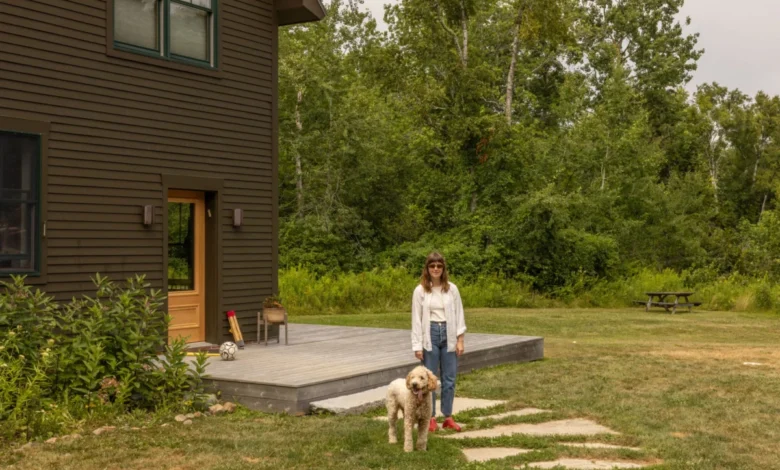
The coastal town of Owls Head, Maine, has increasingly become a focal point for families seeking a fusion of rural tranquility and functional, intentional design. Among those who have successfully navigated this transition is writer and creator Zinzi Edmundson, whose residence serves as a poignant example of how modern aesthetic sensibilities can coexist with the practical, rugged realities of life in New England. Edmundson, who resides in the home with her husband, Jesse, and their two sons, James and Russ, has cultivated an interior environment that prioritizes family interaction, DIY ingenuity, and a deep, rhythmic connection to the natural landscape.
A Study in Regional Integration
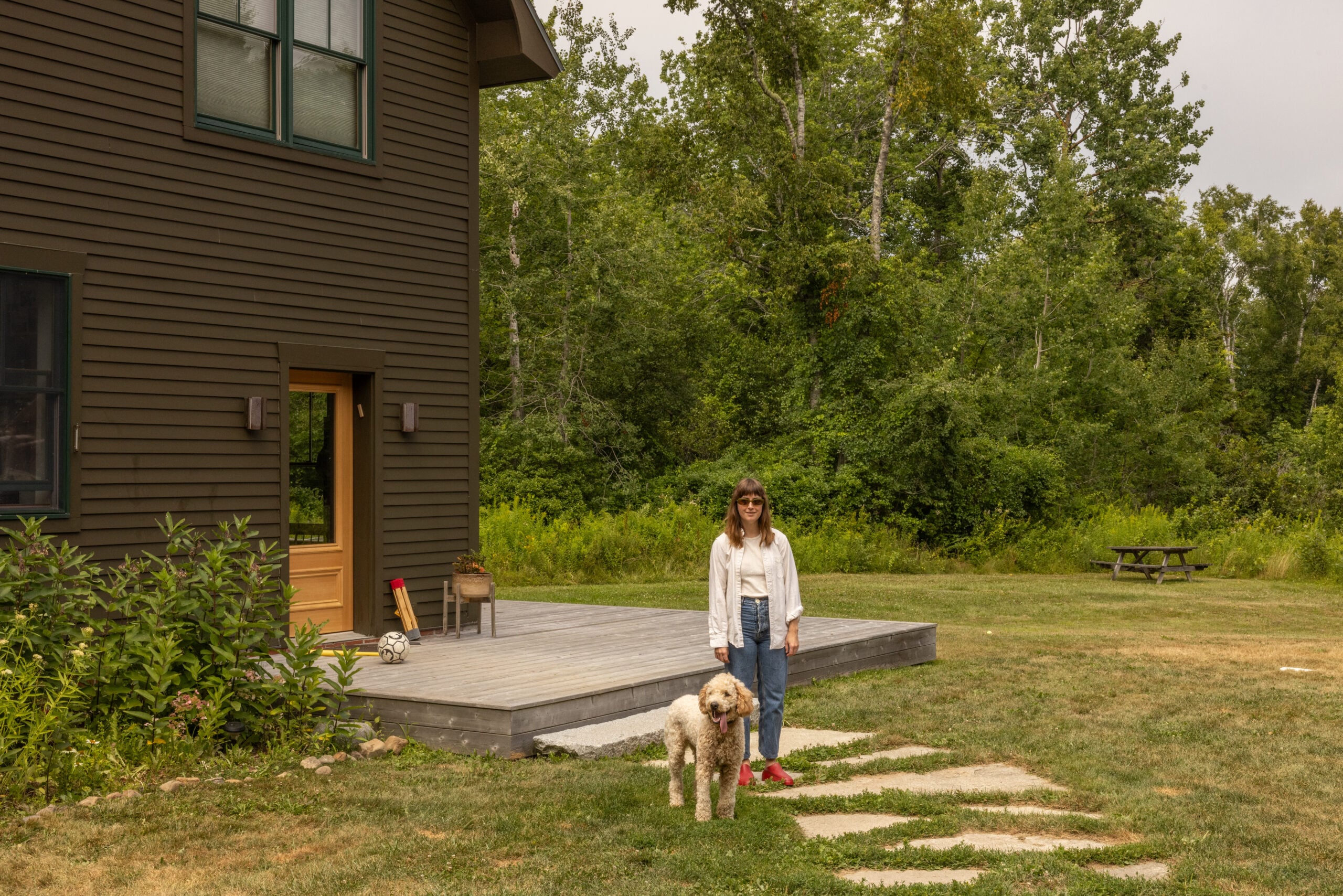
The architectural and design choices within the Edmundson household reflect a broader trend in Maine’s residential real estate, where homeowners are moving away from traditional, austere nautical themes toward more personalized, eclectic, and highly functional spaces. Situated just a five-minute drive from the shoreline, the property benefits from the unique environmental conditions of the region. Edmundson emphasizes the "minerality" and sensory experience of the Maine coast, noting that swimming remains a cornerstone of the family’s seasonal routine. This local engagement is not merely recreational; it informs the design of the home, which emphasizes indoor-outdoor flow and the use of natural light.

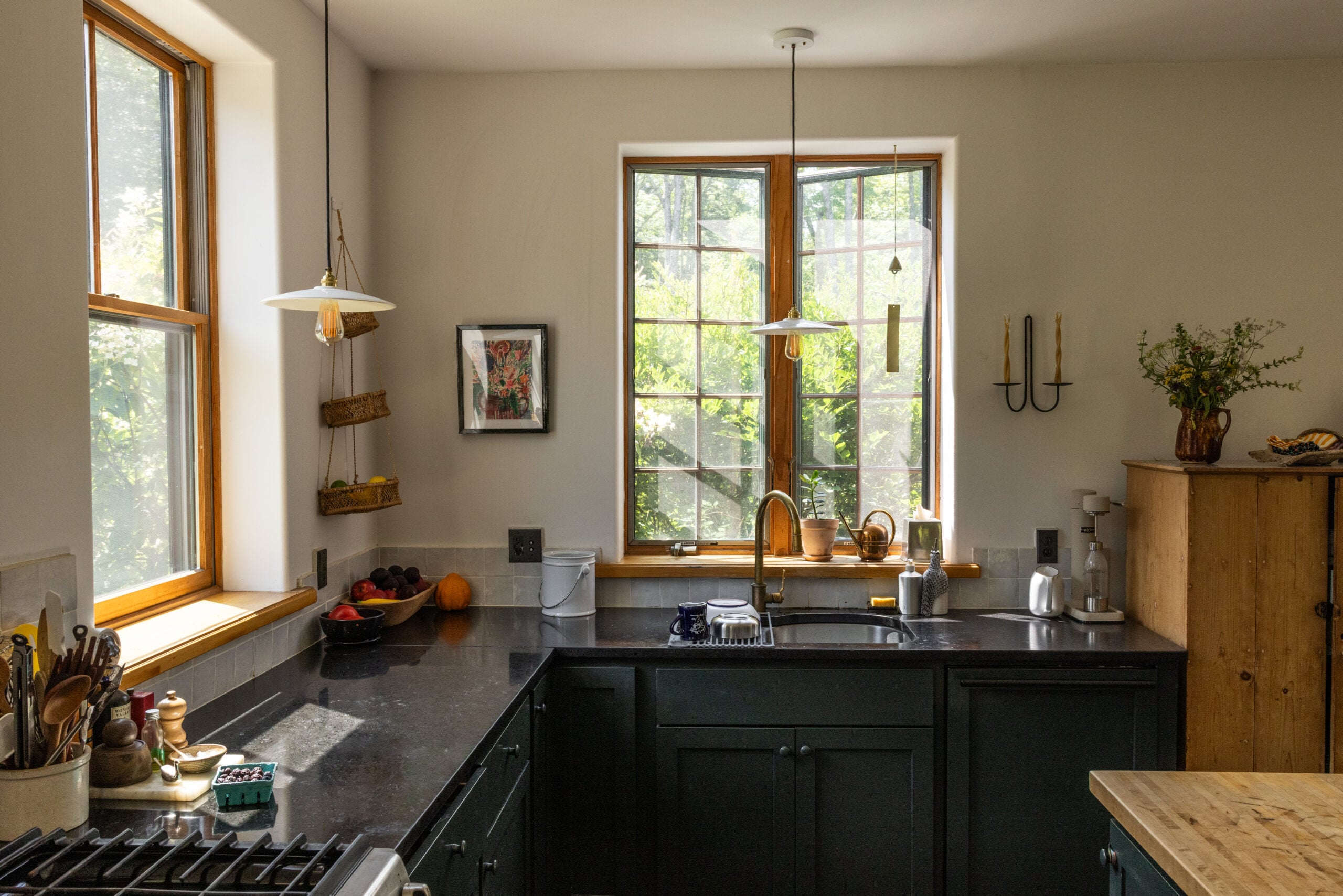
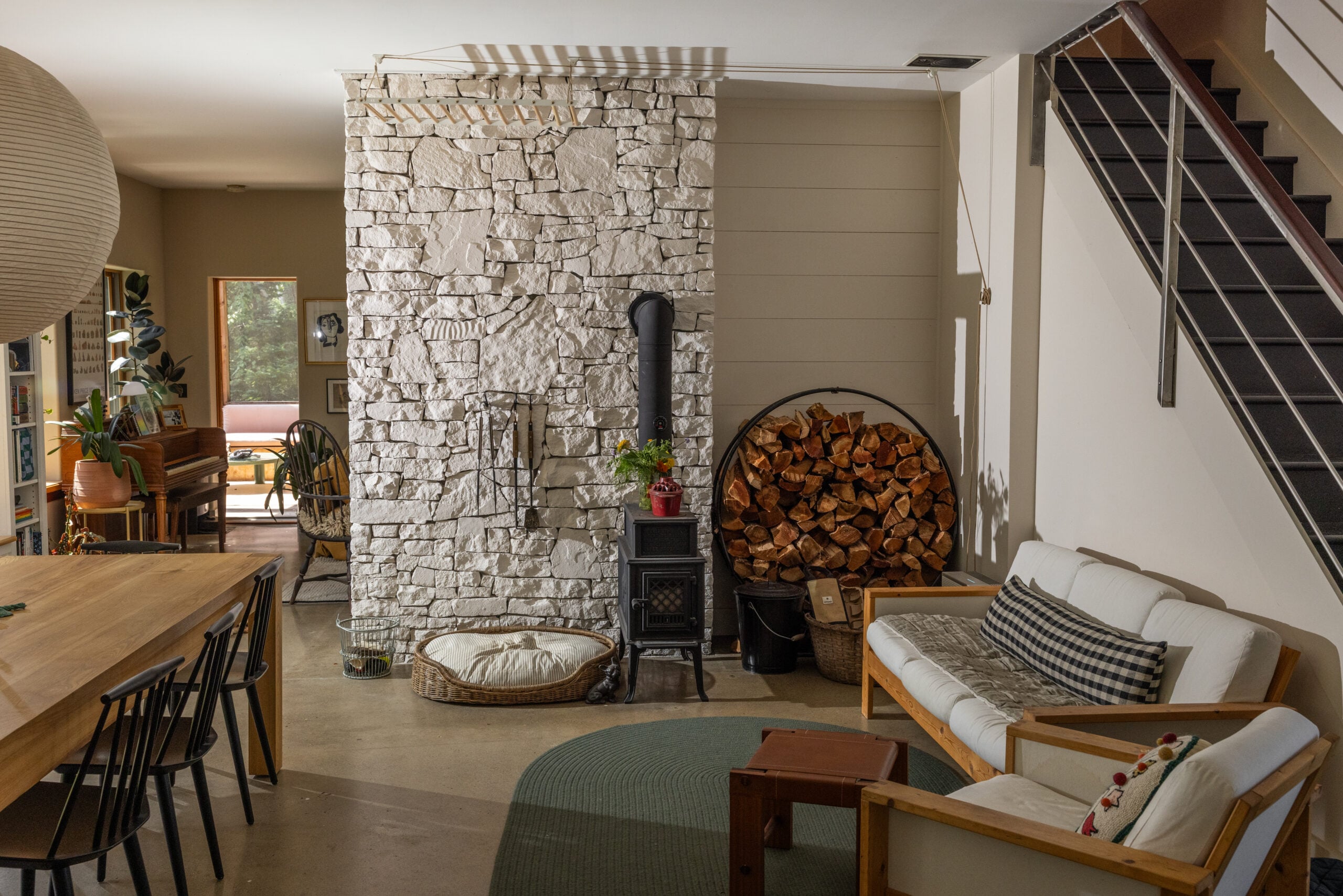
The residence is defined by a series of deliberate design choices, such as the application of Benjamin Moore’s Alabaster White on walls to capture the diffuse coastal light, contrasted with the deeper, grounding tones of Farrow & Ball’s Studio Green in the kitchen. This color palette acts as a visual anchor, creating a sense of cohesion across disparate living spaces.
The Philosophy of DIY and Regional Resilience
One of the most notable aspects of the Edmundson home is its reliance on a "do-it-yourself" ethos. In rural and semi-rural areas of Maine, the availability of a skilled, immediate workforce for home repairs can be limited. Consequently, many residents adopt a proactive approach to home maintenance. Edmundson’s experience with a broken drawer serves as a representative anecdote for this regional necessity: rather than outsourcing the repair, she undertook a systematic analysis of the furniture’s construction, disassembling an intact unit to understand the mechanical requirements for fixing the damaged one. This act of self-reliance, which she describes as "empowering," has become a defining characteristic of her management of the property.
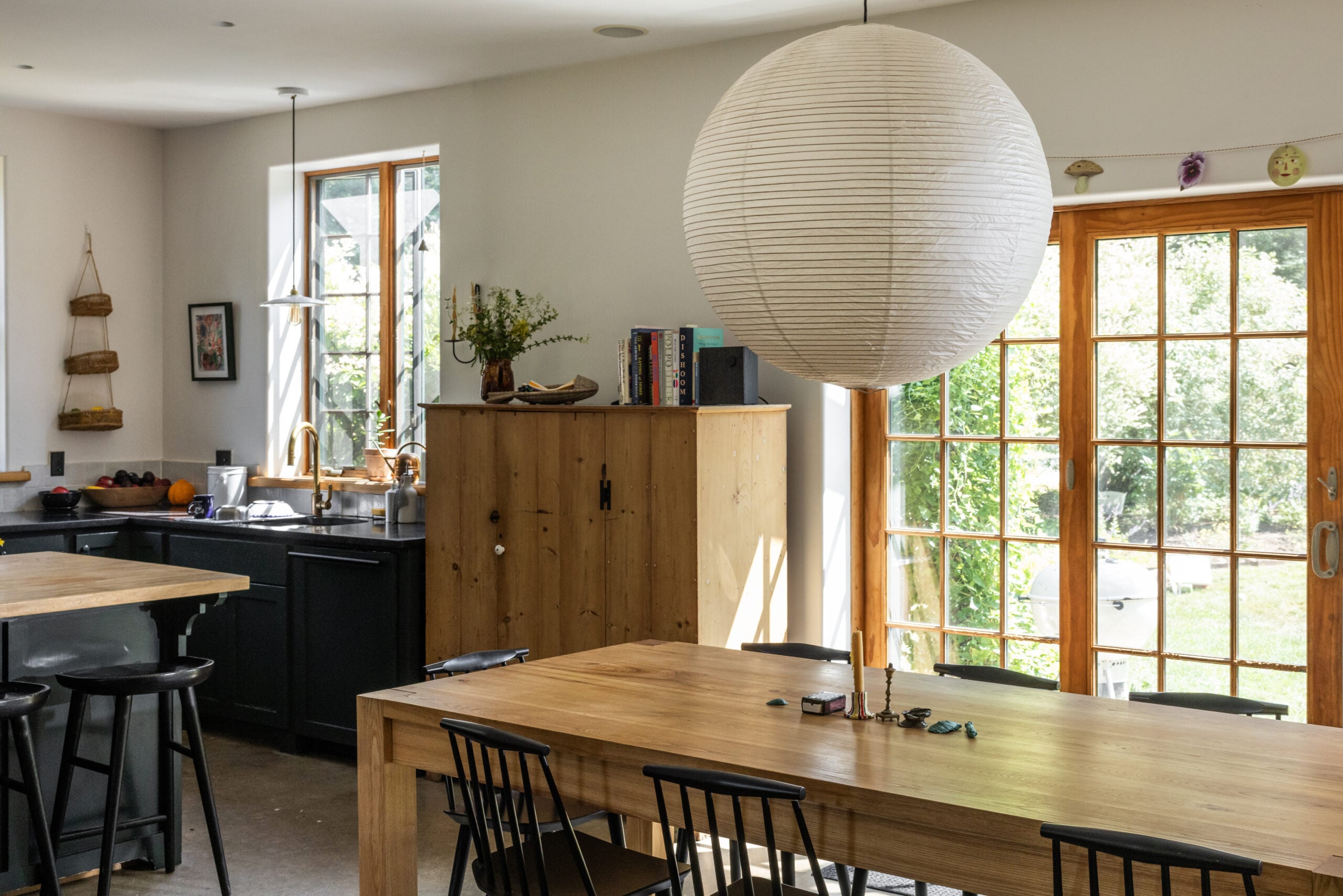
This mentality extends to the kitchen, where the family has adapted to the challenges of modern, kid-friendly cooking. By moving away from overly ambitious culinary projects toward high-efficiency, crowd-pleasing meals—such as poke bowls utilizing local fish market ingredients—the family demonstrates a pragmatic approach to daily life that balances health, nutrition, and time management.
Architectural Nuance and Memory
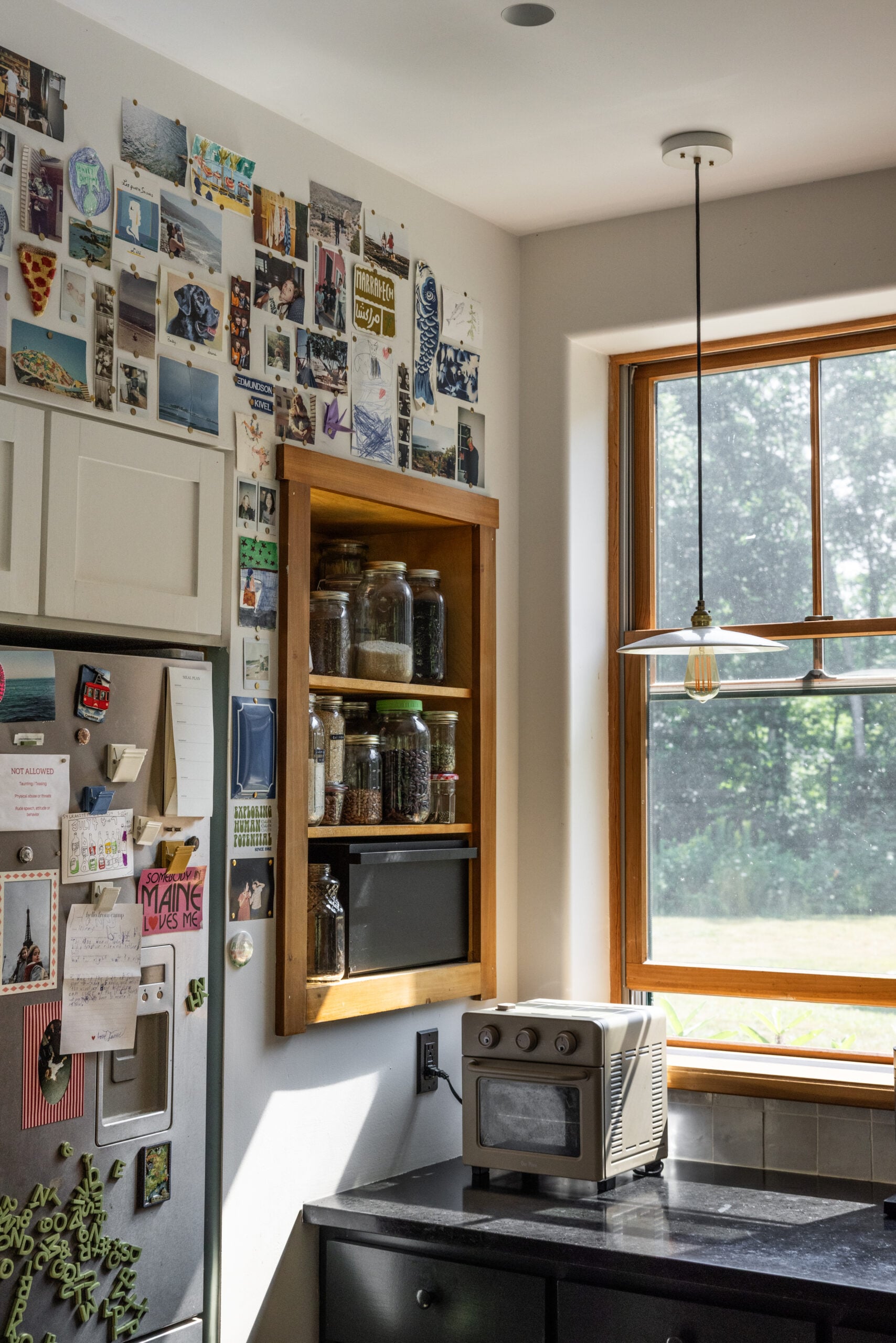
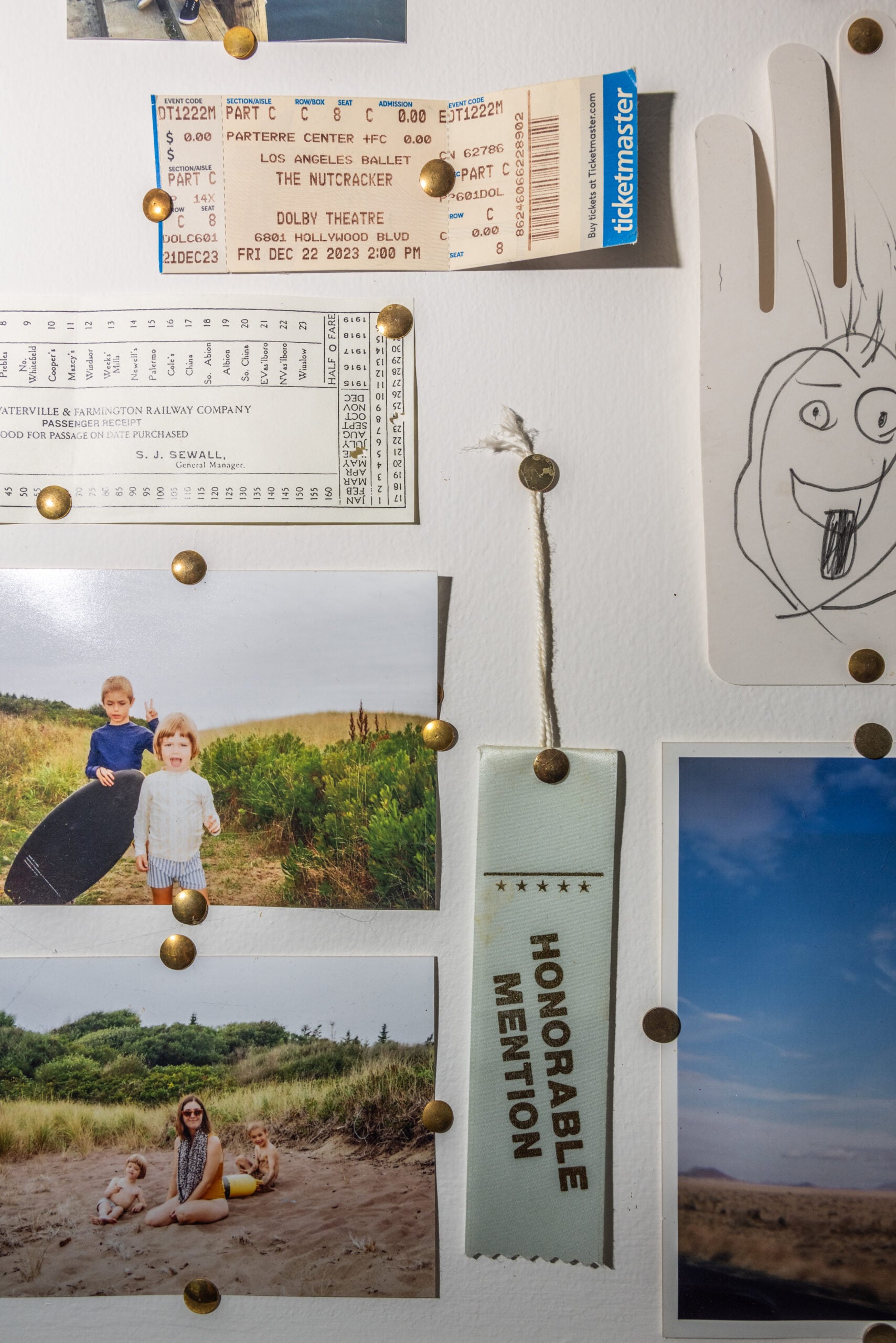
The home’s interior design is a layered narrative of the family’s history and personal values. The decision to move away from a "stark" accent wall toward a gallery-style arrangement of photos and ephemera highlights a movement toward maximalist storytelling in contemporary design. By integrating personal artifacts—ranging from childhood memories to tokens of professional achievements—the home functions as a physical archive of the family’s growth.
The primary bedroom, which underwent a significant renovation while Jesse was traveling for work, serves as a testament to the importance of self-care and relationship maintenance within a family unit. The selection of Farrow & Ball’s Setting Plaster, a warm, muted tone, reflects a design strategy focused on creating a sanctuary. This project was not merely aesthetic; it was an intentional investment in the couple’s shared space, signifying a prioritization of their partnership amidst the demands of parenting.
Parenting and the Evolution of the Domestic Space
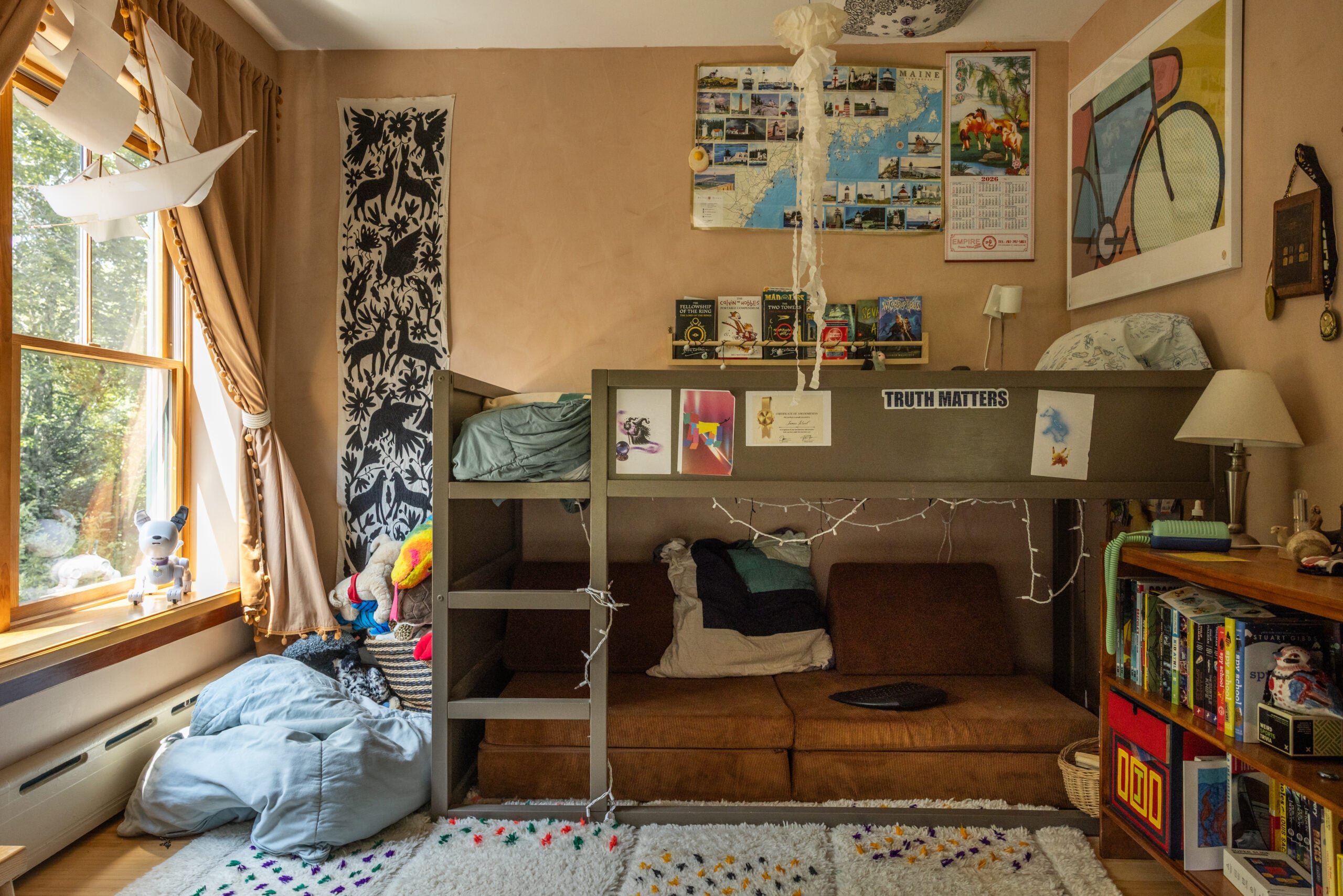
As the Edmundson children, James and Russ, move through different stages of development, the house has evolved to accommodate their changing needs. The transition from a shared bedroom, which proved impractical for the children’s sleep schedules, to a configuration where each child has their own space—including Russ’s utilization of a repurposed walk-in closet—illustrates the flexibility required in family housing.
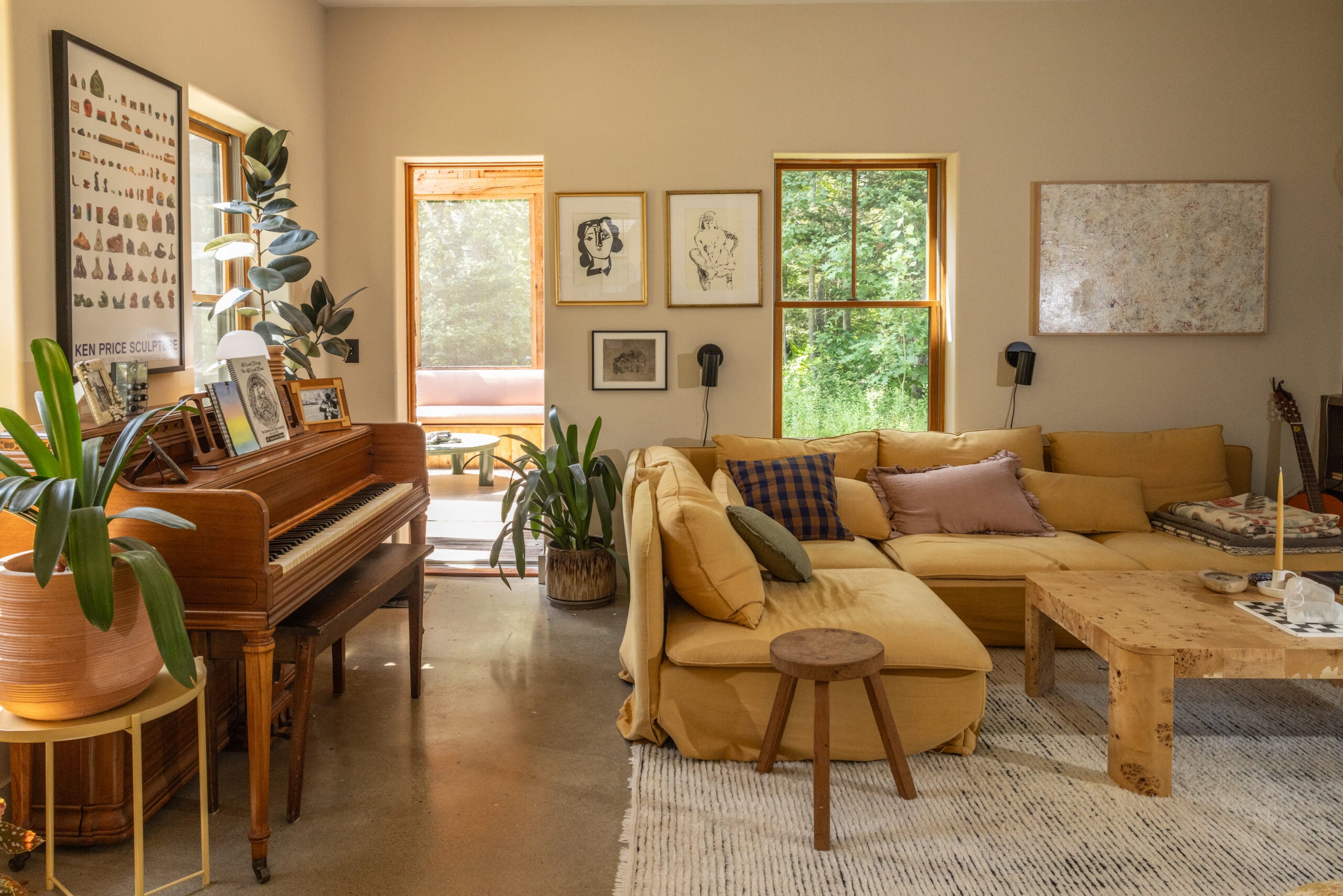
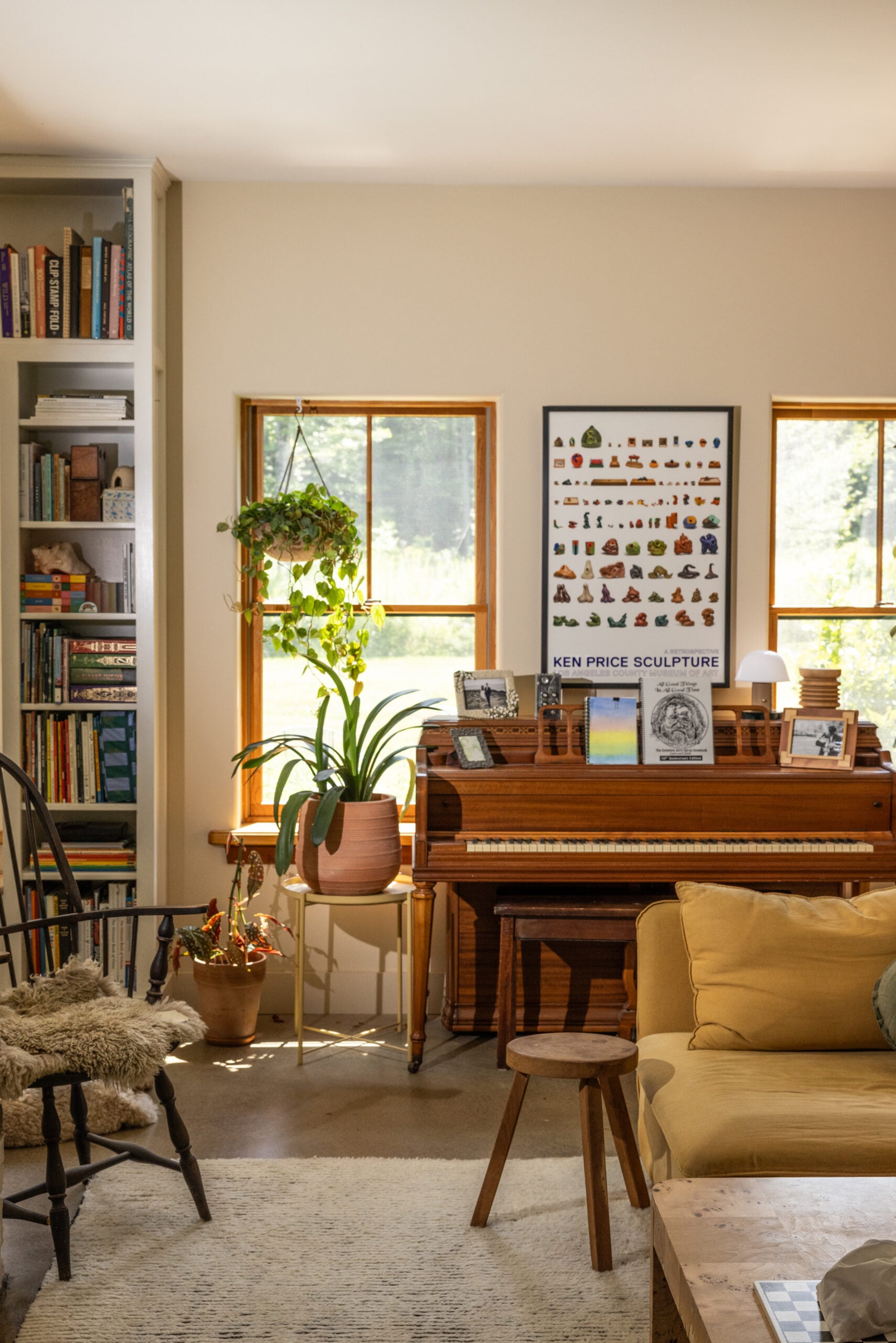
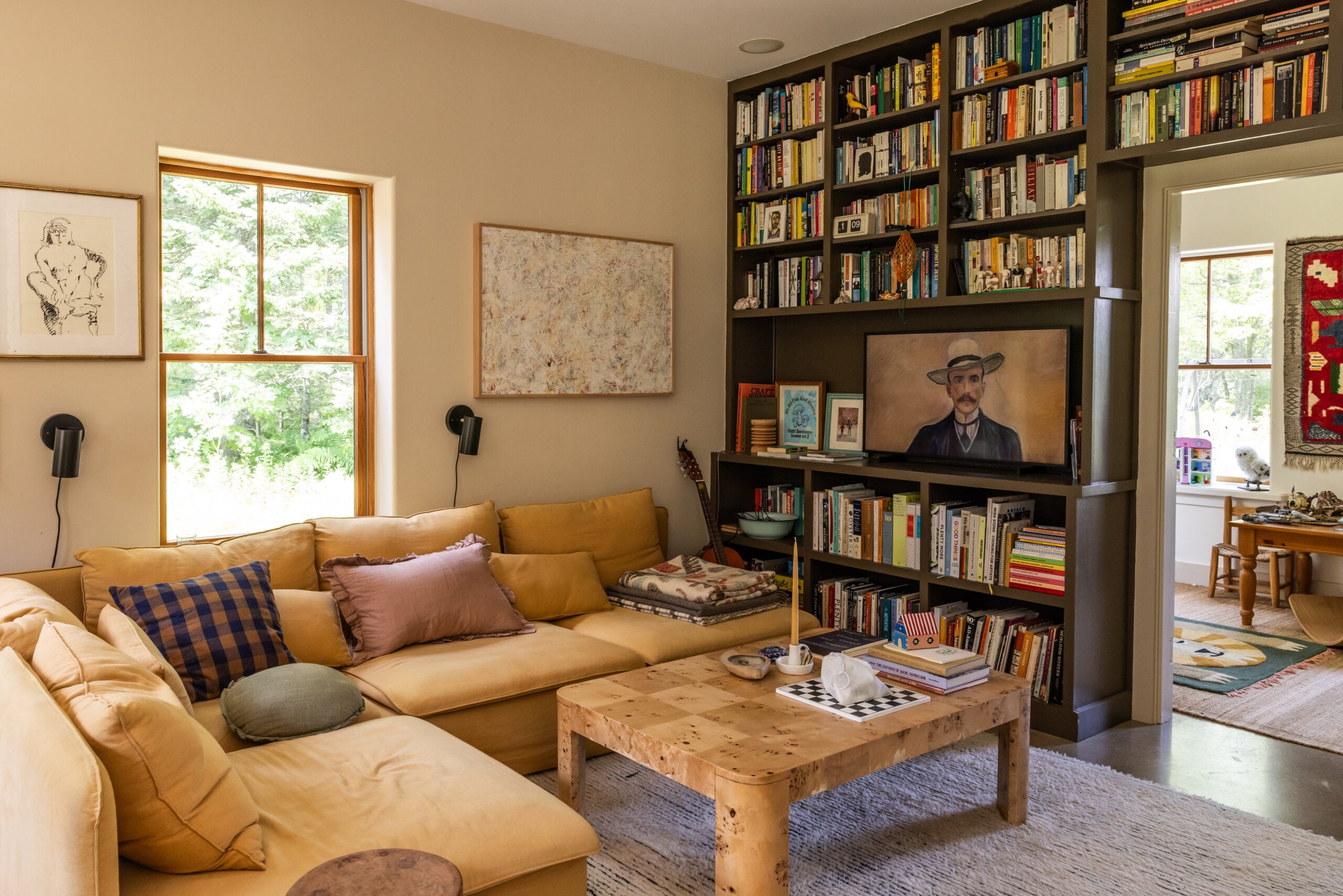
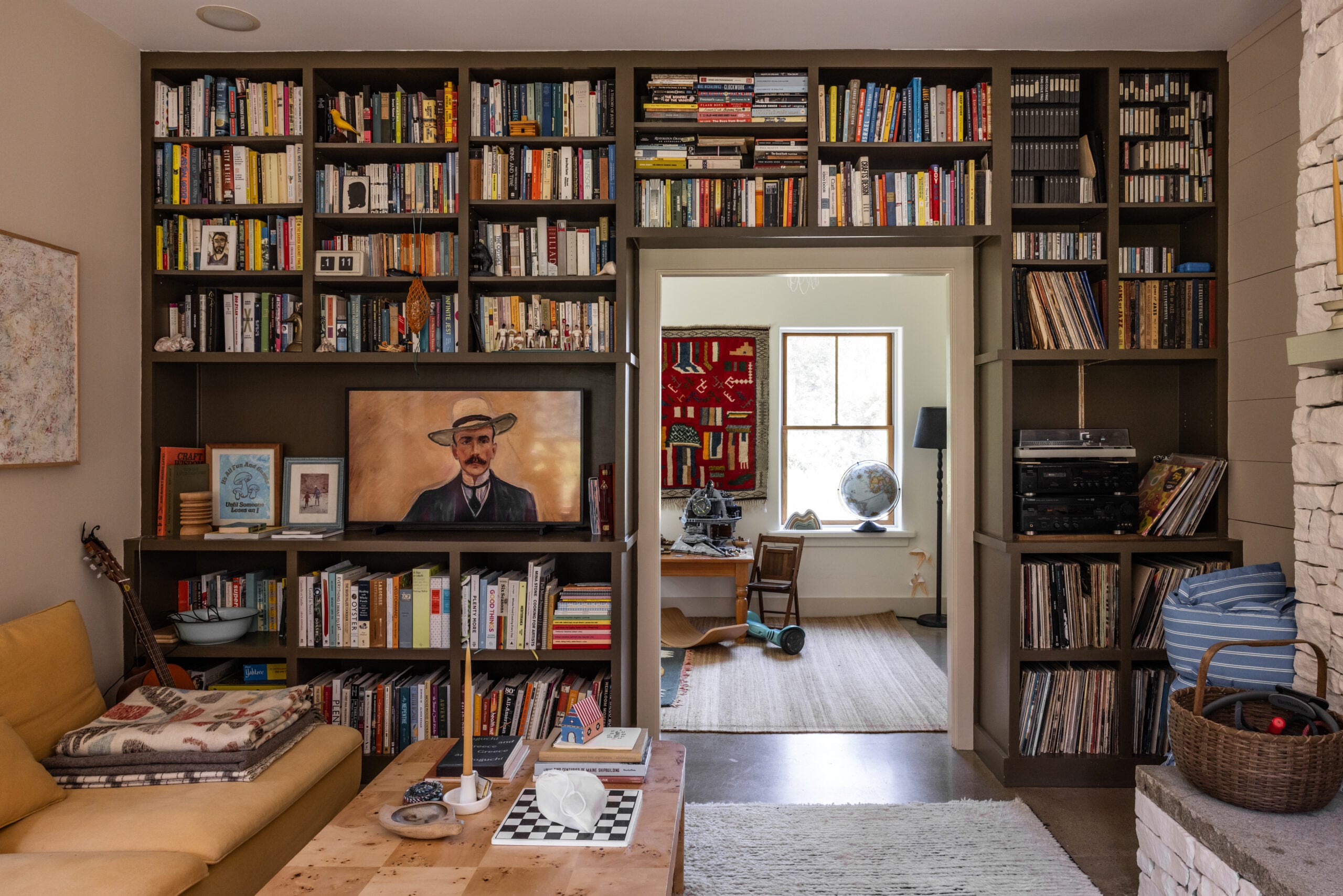
The role of technology and traditional pastimes is also in flux. While the children engage with modern hobbies like LEGO, they also show a marked interest in analog communication, such as the use of tin-can telephones. This balance is supported by the physical design of the home, which provides dedicated zones for both communal activity and individual quiet time, such as the sunroom and the library, which features floor-to-ceiling bookshelves built by Edmundson’s stepfather.
Broader Implications for Modern Coastal Living
The Edmundson home provides a broader lens through which to view contemporary migration patterns in the United States. As remote work and digital nomadism have decoupled employment from urban centers, families have flocked to regions like the mid-coast of Maine. This shift has necessitated a re-evaluation of what constitutes a "liveable" space. The focus on sustainability—evident in the family’s gardening practices, which incorporate edible flowers like nasturtiums into vegetable beds—and the emphasis on community exploration, such as day trips to neighboring towns like Belfast, suggest a move toward a more regionalized, slower pace of life.
The economic and social implications of this trend are significant. As more families adopt this lifestyle, the demand for local services and the pressure on local housing markets in Maine have increased. The Edmundson residence serves as a successful model for integrating into these communities without sacrificing the comfort and design standards associated with more urban environments.
Chronology of Domestic Development
The evolution of the Edmundson home is characterized by a phased approach to renovation and personalization:

- Initial Transition: The move to Owls Head, marked by a focus on basic functionality and immediate repairs (e.g., the "fish doormat" incident, which highlighted the importance of preserving the home’s existing character).
- The Mid-Phase: The installation of custom shelving and the conversion of the primary bedroom, reflecting a shift toward long-term residency and the desire to create a permanent, reflective space.
- Current State: A period of equilibrium where the home is no longer a "project" but a backdrop for the children’s development, characterized by the consistent care of the garden and the establishment of family rituals.
Data and Environmental Impact
The home’s environmental footprint is mitigated by the family’s focus on repurposing existing materials and prioritizing energy-efficient appliances, such as the air fryer, which the family uses for high-frequency cooking. This small-scale efficiency aligns with the broader goal of reducing household waste. Furthermore, the reliance on local land trusts for recreation and the support of local toy stores and fish markets demonstrate a localized economic model that supports the resilience of the Owls Head community.
Conclusion
The residence of Zinzi Edmundson is more than a curated space; it is a functional response to the realities of modern family life in a coastal, rural setting. By blending aesthetic intentionality with the practical necessities of DIY maintenance, the family has created a home that supports both their personal growth and their connection to the environment. As the family continues to navigate the complexities of raising children and maintaining a household, the lessons learned in this Maine home—about patience, the value of manual labor, and the importance of creating a space that reflects one’s own history—remain as relevant as ever in the ongoing discussion of what it means to build a home in the 21st century.