Washington Wrongful Death Case Sparks New Wave of Climate Litigation as Big Oil Mounts National Defense Strategy

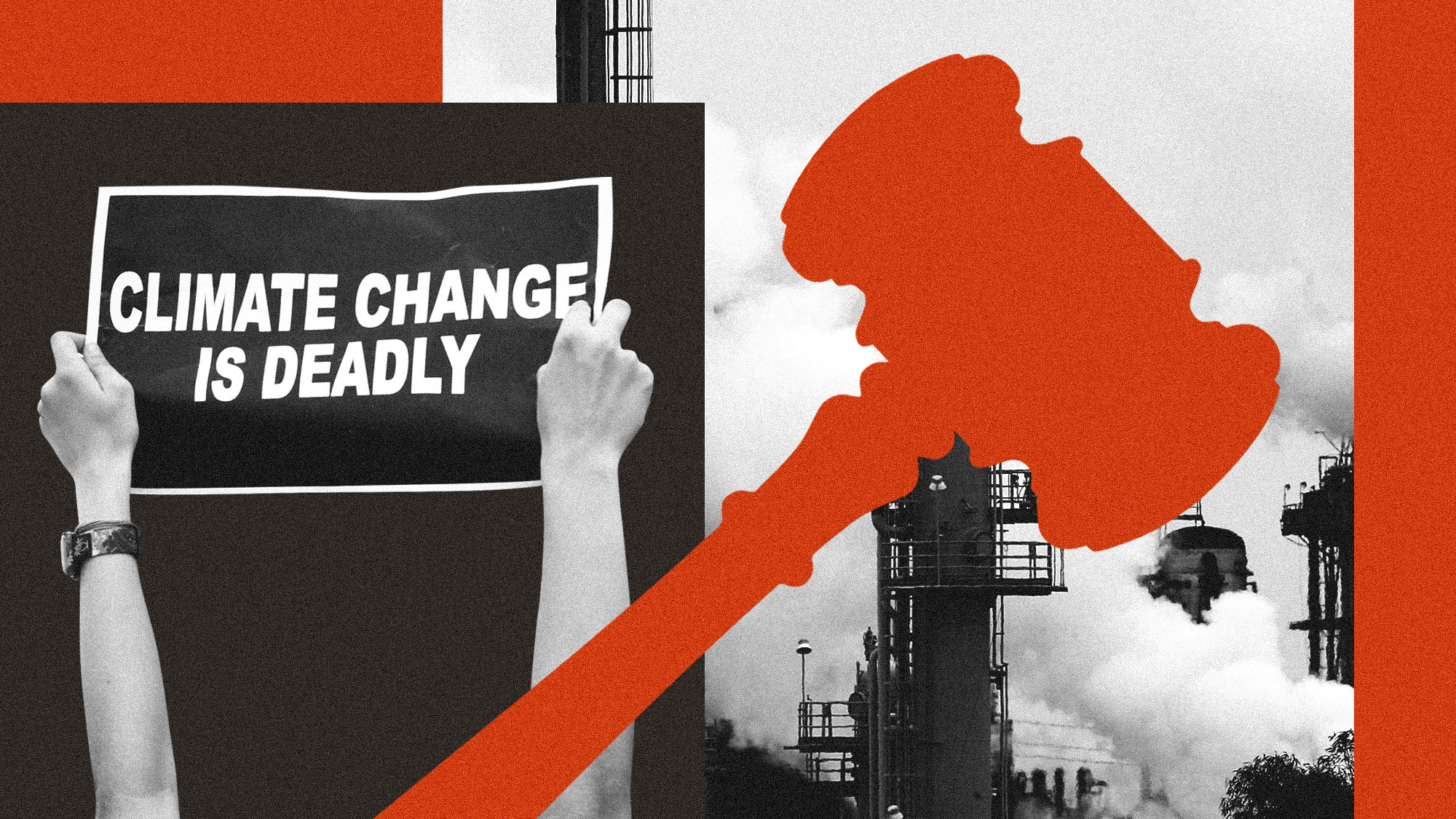
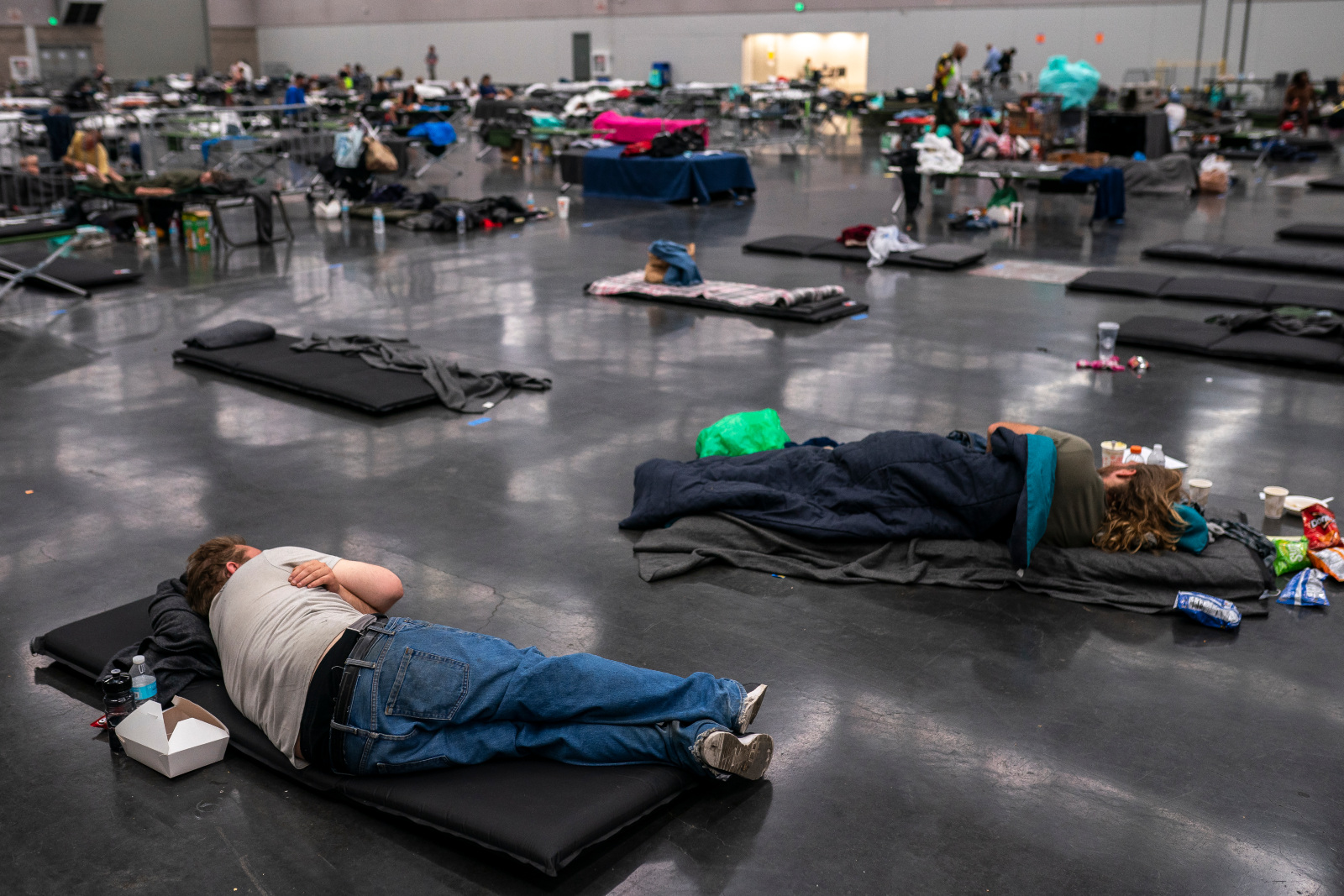
The legal landscape surrounding climate change shifted fundamentally when a King County judge in Washington state declined to dismiss a novel wrongful death lawsuit against the world’s largest fossil fuel corporations. At the center of the case is Misti Leon, whose mother died of hyperthermia during the historic June 2021 "heat dome" that saw temperatures in Washington soar to an unprecedented 108 degrees Fahrenheit. Leon’s lawsuit alleges that Exxon Mobil, BP, Chevron, and Shell are not merely participants in a changing climate but are legally liable for the specific weather extremes that claimed her mother’s life. By allowing the case to proceed toward trial, the court has signaled that the theory of corporate liability for individual climate-related deaths has sufficient legal merit to be tested in front of a jury.
The June 2021 heat dome was a meteorological event of such severity that scientists from the World Weather Attribution group concluded it would have been "virtually impossible" without the influence of human-caused greenhouse gas emissions. Over the course of a single week, an estimated 1,200 people perished across the Pacific Northwest. Leon’s legal team argues that these deaths were the foreseeable result of a decades-long campaign of public deception. They contend that oil majors knew as early as the 1970s that their products would lead to catastrophic global warming but chose to fund disinformation campaigns to delay regulatory action, thereby stripping the public of the opportunity to mitigate the risks that eventually led to the 2021 disaster.
The Evolution of Climate Accountability Litigation
The Washington case is the latest and perhaps most personal iteration of a legal movement that has been building for over a decade. The current wave of litigation traces its roots back to 2015, when investigative reports revealed internal Exxon Mobil documents confirming the company’s early scientific understanding of the link between fossil fuels and global warming. Since then, the nature of these lawsuits has evolved from broad environmental claims to specific allegations of consumer fraud, public nuisance, and now, wrongful death.
According to data maintained by the Sabin Center for Climate Change Law at Columbia Law School, there are currently nearly 40 climate liability cases pending across the United States. While the oil industry has successfully used procedural maneuvers to delay these cases for years, the "dam is beginning to break," according to legal analysts. At least five major lawsuits—filed by the states of Massachusetts, Vermont, Connecticut, the District of Columbia, and the city of Honolulu—have successfully moved into the discovery phase. This stage is critical, as it grants plaintiffs the power to subpoena internal corporate communications, potentially unearthing "smoking gun" documents that could mirror the internal memos that eventually brought down the tobacco industry in the 1990s.
The Science of Attribution: A New Forensic Frontier
One of the primary challenges in climate litigation has historically been the "causality gap"—the difficulty of proving that a specific company’s emissions caused a specific weather event. However, the field of "attribution science" has matured rapidly, providing the forensic backbone for cases like Leon’s. This scientific discipline allows researchers to quantify the extent to which climate change increased the probability or intensity of a specific heatwave, flood, or hurricane.
A recent report from the National Academies of Sciences, Engineering, and Medicine has further bolstered this position, concluding that the science linking climate change to extreme weather is increasingly robust. The report highlights that heatwaves, in particular, carry the strongest signal of human influence. This scientific consensus has turned the courtroom into a high-stakes arena for data interpretation. In response, the fossil fuel industry has launched a preemptive strike against the scientific community. Opposition research firms have begun requesting internal communications from the National Academies’ panel members, seeking to frame the scientific process as a coordinated effort between "activist" researchers and trial lawyers.
Carly Phillips, a senior scientist at the Union of Concerned Scientists’ climate litigation hub, notes that the industry’s focus has shifted from denying the science to attacking the scientists. "The science is sound, so they are targeting the process to discredit the evidence before it ever reaches a jury," Phillips said.
The Legislative Counter-Offensive and Liability Shields
As the threat of billion-dollar judgments looms, the fossil fuel industry has mobilized a sophisticated political and legislative defense strategy. Working through the American Petroleum Institute (API) and conservative policy groups like the American Legislative Exchange Council (ALEC), the industry has successfully lobbied for "liability shield" laws in several Republican-led states.
To date, Utah, Iowa, Tennessee, Oklahoma, and Louisiana have enacted statutes designed to protect fossil fuel companies from state-level lawsuits related to greenhouse gas emissions. These laws often redefine "public nuisance" or "consumer fraud" in narrow terms that exclude climate-related damages. In Montana and Utah, existing laws were reformed specifically to block local governments from seeking damages for climate-related infrastructure costs.
This effort has reached the federal level as well. In early 2026, Republican lawmakers in both the House and Senate introduced legislation that would grant the oil industry broad immunity from climate-related lawsuits nationwide. Proponents of these bills argue that climate policy should be set by Congress and federal agencies, not by "piecemeal" litigation in state courts. Critics, however, view these moves as an admission of legal vulnerability. Mike Meno, communications director at the Center for Climate Integrity, poses a rhetorical challenge to the industry: "If these companies have done nothing wrong, why are they lobbying Congress for immunity?"
Federal Intervention and the "Energy Dominance" Narrative
The legal battle has also become a focal point of executive branch policy. Following an executive order from the Trump administration directing the Department of Justice to prioritize blocking state-led climate lawsuits, the federal government has taken the unprecedented step of suing states that attempt to hold oil companies accountable.
In May 2026, the Justice Department filed a lawsuit against the state of Minnesota, arguing that the state’s climate litigation undermines "American energy dominance" and interferes with federal authority over interstate commerce and environmental regulation. This move effectively aligns the power of the federal government with the defense teams of Exxon Mobil and Chevron. The ideological shift within the DOJ was further signaled by the renaming of the "Environment and Natural Resources Division" to the "Energy and Natural Resources Division," and the appointment of former Exxon attorney Robert Levy to a high-ranking position within the department.
This federal intervention creates a complex jurisdictional conflict. While states argue they are exercising their traditional police powers to protect citizens from fraud and physical harm, the federal government maintains that the global nature of emissions makes climate change an exclusively federal—and international—concern.
Comparative Analysis: The Big Tobacco Parallel
The current legal struggle against the oil industry is frequently compared to the litigation against the tobacco industry in the late 20th century. In that instance, decades of denial regarding the health risks of smoking eventually collapsed when internal documents proved the industry had misled the public. The resulting Master Settlement Agreement in 1998 saw tobacco companies pay more than $200 billion to states to cover healthcare costs.
The fossil fuel industry is acutely aware of this precedent. Justin Anderson, a lawyer representing Exxon, noted in a recent legal forum that the industry’s strategy is one of total defense. Unlike plaintiffs, who only need to win one major case to set a nationwide precedent, the oil industry feels it must "win every time" to prevent a cascading series of settlements. The "wrongful death" angle in the Washington case is particularly threatening to the industry because it moves the conversation away from abstract infrastructure costs—like sea walls or cooling centers—and toward the visceral reality of human loss.
Future Implications for the American Legal System
The outcome of the Leon case and its counterparts will likely hinge on a looming Supreme Court decision regarding a lawsuit from Boulder, Colorado. The high court is expected to rule on whether climate cases belong in state or federal courts. A ruling in favor of the oil industry would likely see most cases dismissed, as federal courts have historically been more hesitant to allow common-law claims related to global warming. Conversely, a ruling that allows these cases to remain in state courts could open the floodgates for hundreds of similar lawsuits.
As 2026 progresses, the legal fight over climate change has evolved into a multi-front war involving state courts, federal agencies, legislative chambers, and scientific institutions. For families like the Leons, the goal is accountability for a preventable tragedy. For the fossil fuel industry, the stakes are existential, involving the potential for hundreds of billions of dollars in liabilities and a fundamental restructuring of how energy is produced and regulated in the United States.
The Washington ruling ensures that, for now, the question of whether the oil industry is responsible for the heat that killed Misti Leon’s mother will be decided not in the halls of Congress, but in a court of law. Regardless of the final verdict, the case has already succeeded in elevating the legal theory of climate-driven wrongful death from a fringe concept to a central pillar of American environmental jurisprudence.