Myanmar’s Poisoned Mountains: The Global Race for Rare Earths Fuels Conflict and Environmental Devastation

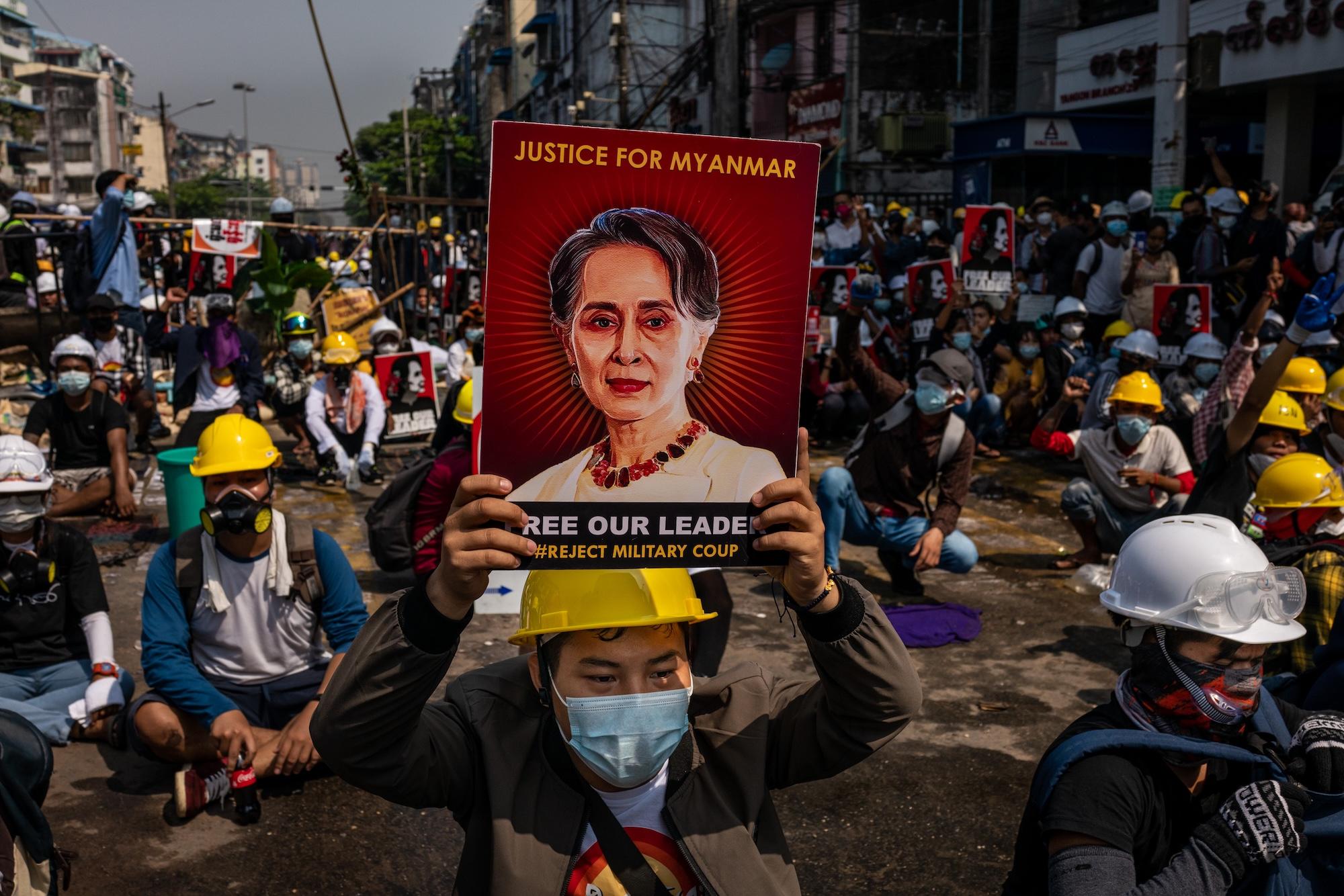
When a young man named Min left the arid plains of central Myanmar for the rugged, mountainous border with China, he was not seeking adventure, but survival. Following the 2021 military coup that toppled the democratically elected government, Myanmar’s formal economy collapsed, leaving millions in a state of desperation. In Min’s home region of Sagaing, an epicenter of the armed resistance against the military junta, airstrikes and retaliatory burnings had become a daily reality. By 2024, the military introduced mandatory conscription, forcing a mass exodus of youth toward the country’s lawless periphery.
Min and his younger brother paid a broker 2,000 Chinese yuan ($290) to secure positions at a rare earth mining site in an autonomous region controlled by a powerful ethnic militia. They were promised wages of 3,000 yuan ($430) a month—a fortune compared to what remained of the domestic economy. However, the wealth came at a lethal cost. Assigned to build roads on unstable, rain-soaked slopes, Min’s brother, who had no experience with heavy machinery, was buried alive in a landslide just weeks after arriving. His body could not be recovered. Despite the tragedy, Min remains at the site. In a country fractured by war and poverty, he explains that he has no other choice.
Min’s story is a microcosm of a much larger, global crisis. As the world pivots toward a "green" energy transition, the demand for rare earth elements—the 17 minerals essential for electric vehicle (EV) motors, wind turbines, and advanced weaponry—has turned Myanmar’s borderlands into a toxic sacrifice zone.
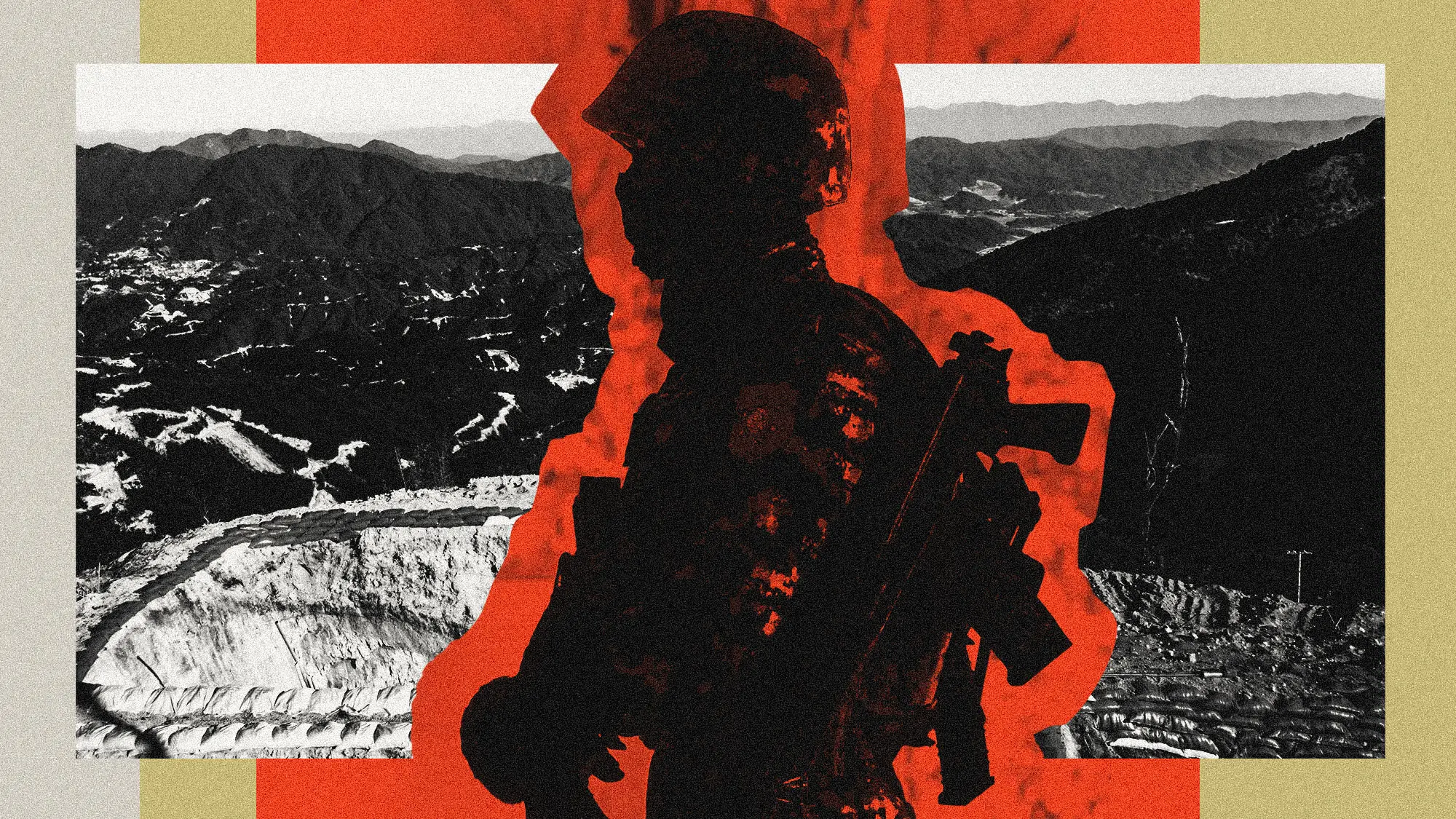
The Strategic Necessity of Heavy Rare Earths
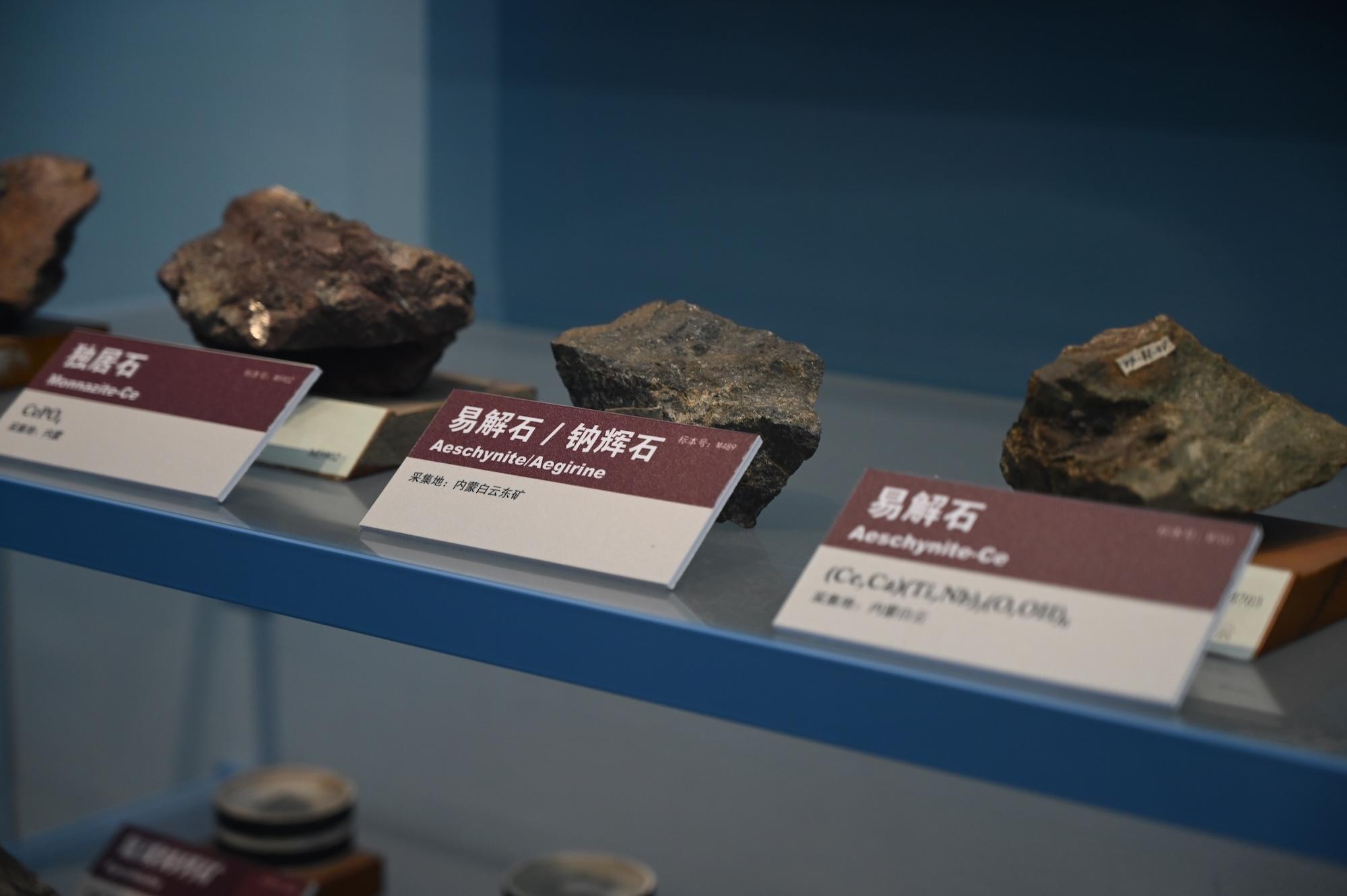
Rare earth elements are not necessarily "rare" in the Earth’s crust, but they are seldom found in concentrations high enough to make extraction economically viable. Myanmar has become the world’s primary source of "heavy" rare earths, specifically dysprosium and terbium. These elements are critical for the production of neodymium-iron-boron (NdFeB) magnets, which can withstand high temperatures and are vital for the drivetrain of electric vehicles and the generators of offshore wind turbines.
According to data from the U.S. Department of Energy, consumer electronics and industrial motors accounted for nearly 60% of global NdFeB magnet demand in 2020. However, if global net-zero targets are to be met, demand from the EV and wind sectors is projected to account for two-thirds of the market by 2030. This skyrocketing demand has created a gold-rush atmosphere in Myanmar’s Kachin and Shan States, where environmental regulations are non-existent and the rule of law has been replaced by the dictates of armed groups.
A Chronology of Extraction and Conflict
The history of mining in Myanmar is deeply intertwined with its decades-long civil war, the longest ongoing conflict in the world.
- Post-Independence (1948–1988): Ethnic groups like the Kachin sought autonomy from the central Burman-majority government. The military responded with the "four cuts" doctrine, designed to starve insurgents of food, funds, intelligence, and recruits.
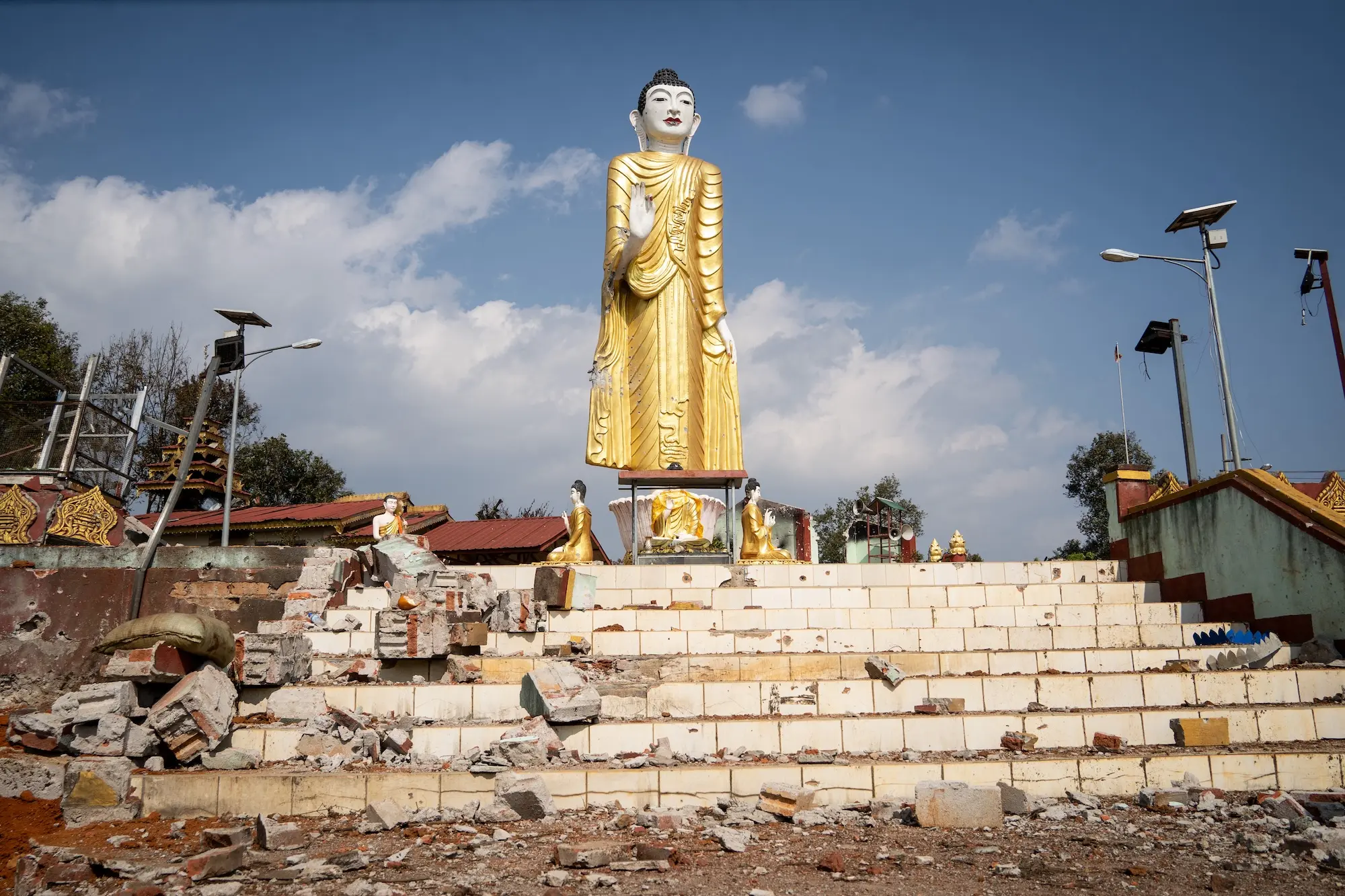
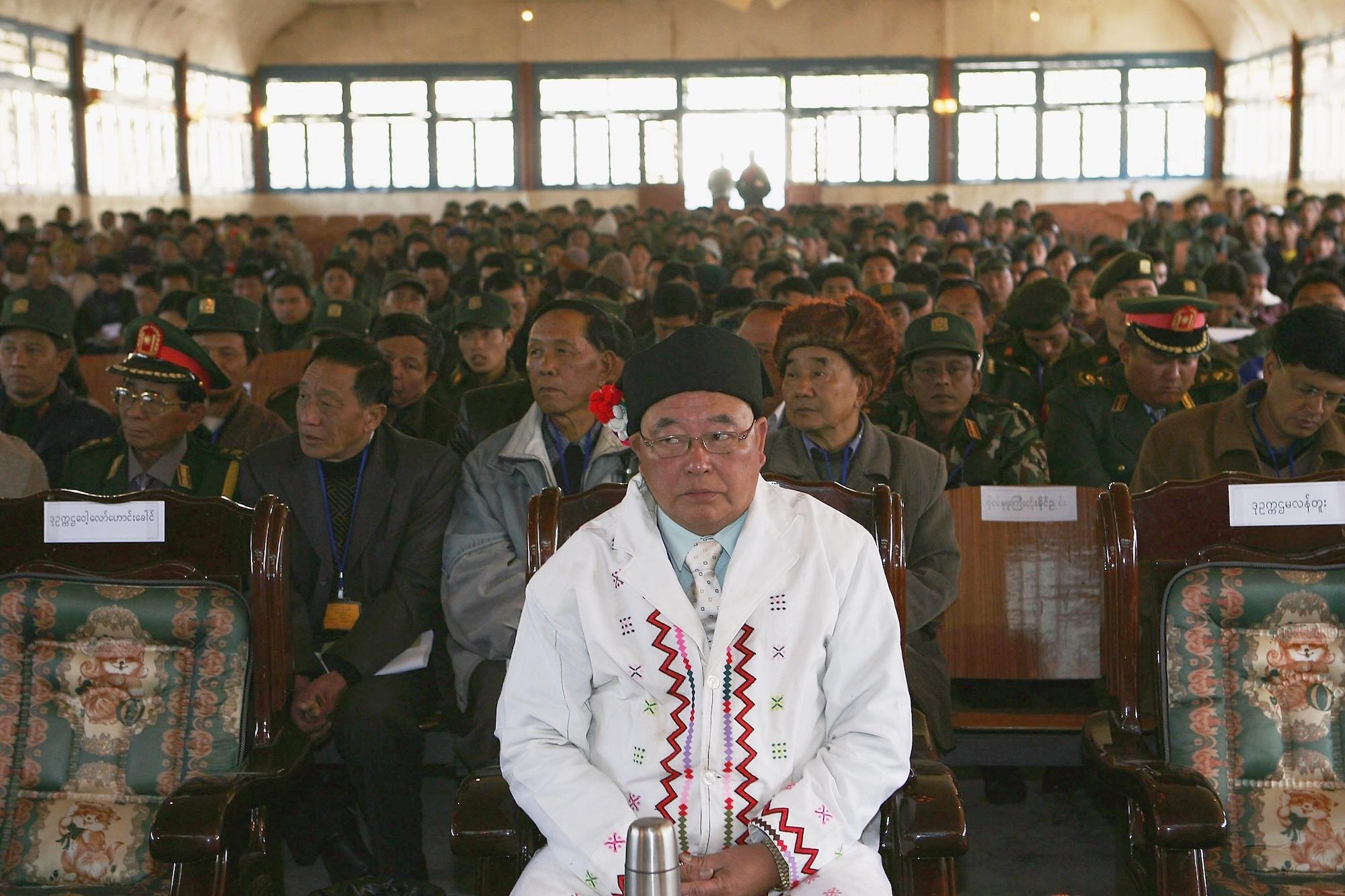
- The Rise of Ceasefire Capitalism (1989–2010): To stabilize border regions, the military government signed ceasefires with various ethnic militias. These groups were granted "Special Regions" with high levels of autonomy, allowing them to monetize natural resources like timber, jade, and eventually, rare earths. Warlords like Zahkung Ting Ying of the New Democratic Army-Kachin (NDA-K) turned their territories into hubs for Chinese-funded extraction.
- The Industrial Boom (2017–2021): As China tightened its own environmental regulations and closed domestic mines due to severe pollution, production shifted across the border into Myanmar. By 2021, Myanmar surpassed China as the world’s largest source of heavy rare earths.
- The Post-Coup Acceleration (2021–Present): Following the February 2021 coup, the military junta and various ethnic armed organizations (EAOs) became increasingly desperate for hard currency. Rare earth mining provided a perfect, secretive revenue stream. Between 2017 and 2024, China imported over 320,000 tons of rare earths from Myanmar, valued at billions of dollars.
Environmental Destruction and "In-Situ" Leaching
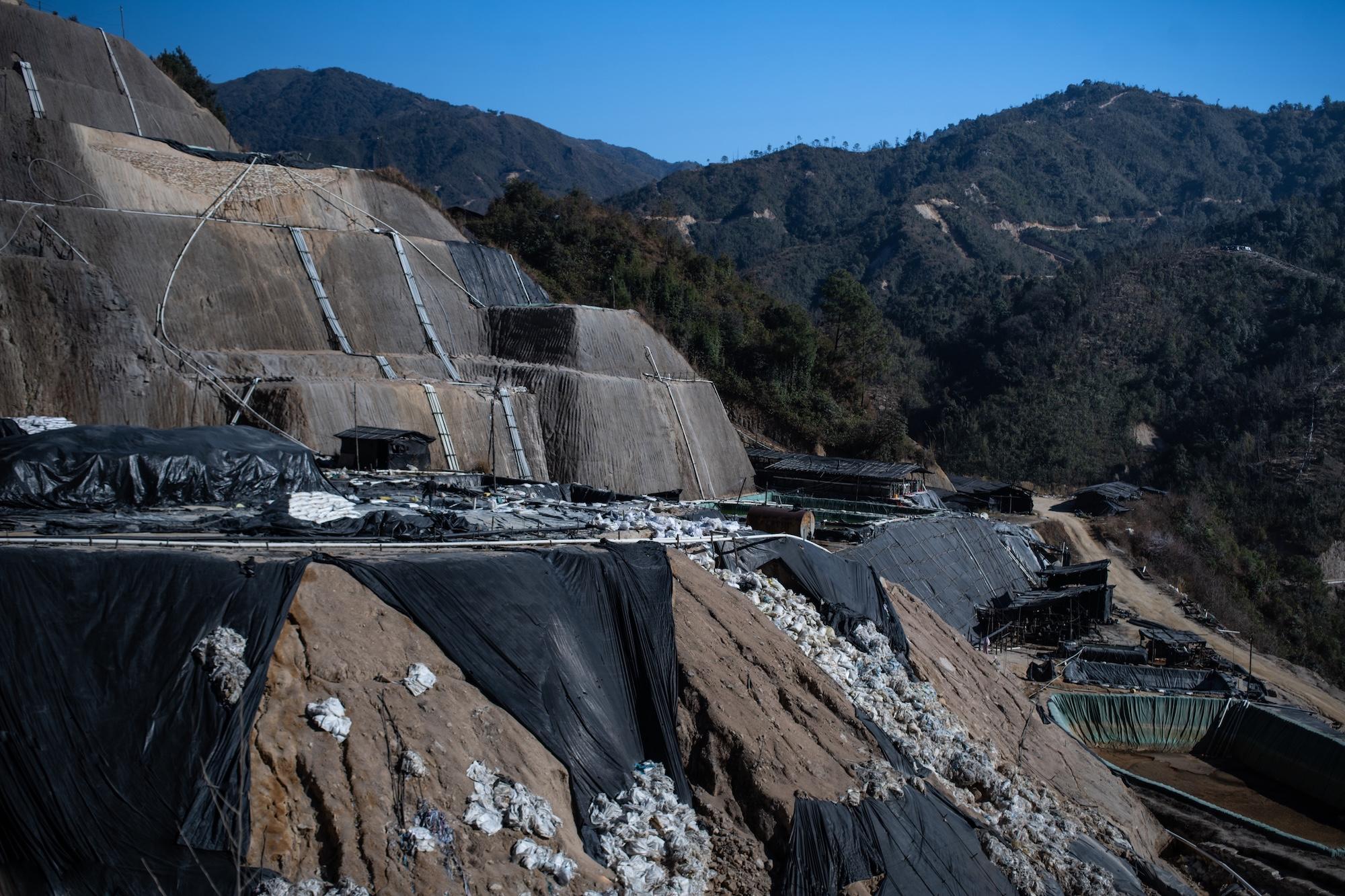
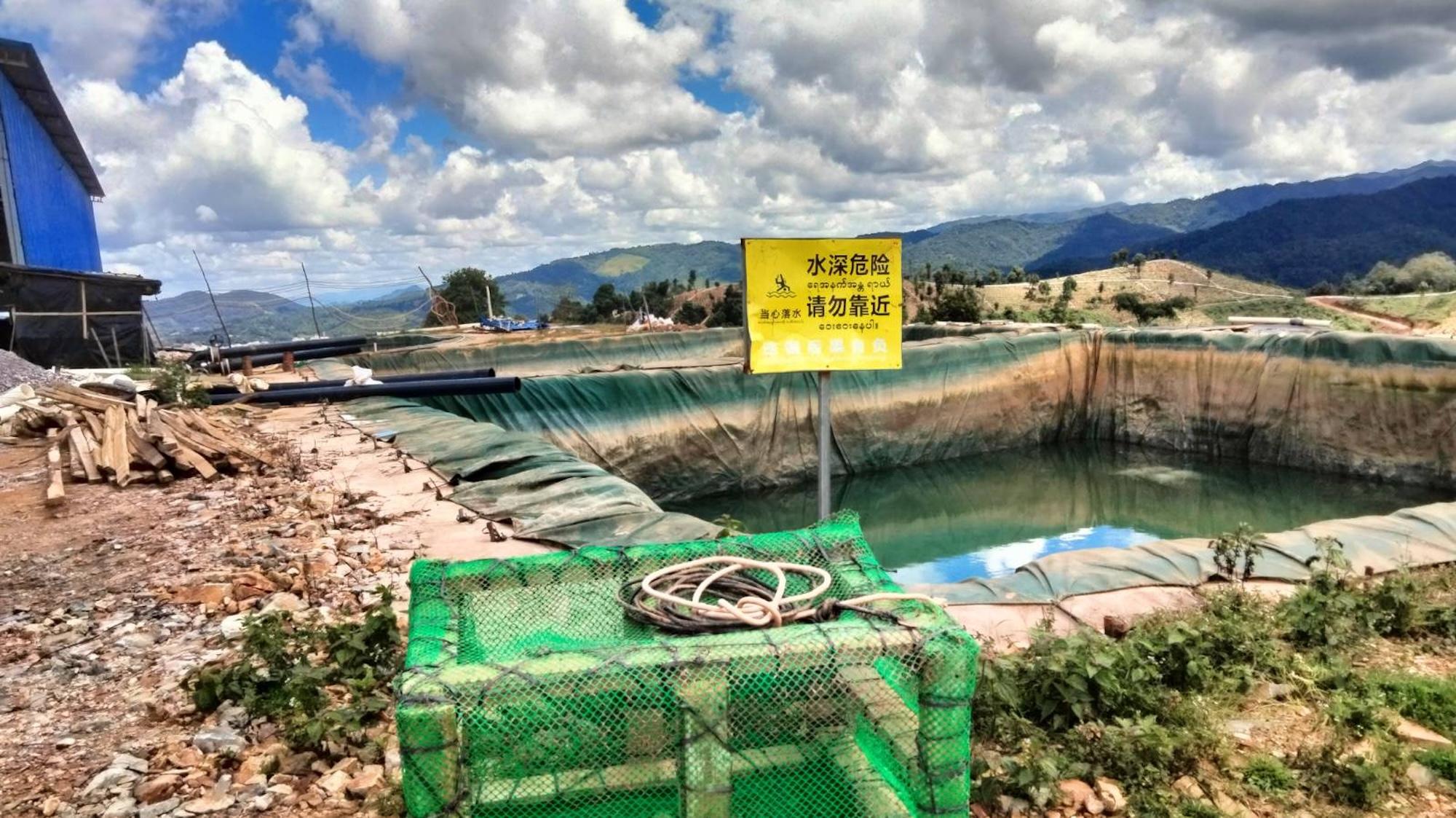
The method used to extract these minerals in Myanmar is a process known as in-situ leaching. Unlike traditional open-pit mining, this process involves drilling boreholes directly into the mountains and injecting a cocktail of ammonium sulfate and other acid solvents. These chemicals seep through the mountain, dissolving the rare earth elements, which are then collected in liquid form in plastic-lined pools at the base of the hills.
The environmental fallout is catastrophic. Research from Thailand’s Naresuan University indicates that water samples from mining areas in Kachin State contain levels of radioactive elements and heavy metals that "substantially exceed" international safety thresholds.
"The water is lifeless," says Kaung, a former site supervisor who worked in the industry for five years. "Plants and trees can no longer grow. Wild animals have lost their habitats." Workers and locals report that rivers have turned an opaque, chemical yellow, and the soil—once rich and reddish—has become pale and desert-like. There are also emerging reports of health crises, including respiratory issues, skin burns from acid contact, and suspected infertility among workers exposed to the furnaces where the minerals are processed.
Geopolitical Maneuvering: The US-China Rivalry
The crisis in Myanmar is further complicated by the intensifying trade war between the United States and China. China currently controls over 90% of the world’s rare earth processing capacity. In 2023, Beijing began restricting exports of heavy rare earths in response to U.S. tariffs on Chinese technology, prompting a global scramble for alternative supplies.
In an effort to bypass Chinese dominance, the United States has sought partnerships with India and other regional players. In May 2026, the Trump administration signed a critical minerals deal with India, aimed at securing supply chains. Ironically, this has led to a bizarre diplomatic dance where the sanctioned Myanmar military junta is attempting to lobby the U.S. government for legitimacy by dangling access to rare earth deposits—even though many of those deposits are currently located in territories they no longer control.

The Armed Conflict Location & Event Data (ACLED) project currently ranks Myanmar’s war as the second-most extreme on the planet. The fragmentation of the country into over 1,200 distinct armed groups has turned the rare earth trade into a primary driver of "nature crimes." These illegal extractions provide militias with off-the-books revenue that funds the purchase of weapons, further entrenching the cycle of violence.
Labor Exploitation and Human Rights Abuses
The human cost of this industry extends beyond environmental sickness. Reports from local human rights groups, including the Shan Human Rights Foundation, have documented cases of "slave labor" involving prisoners and human trafficking victims at Chinese-run mines in Shan State.
Even for "voluntary" workers like Min, the conditions are predatory. Chinese nationals typically hold all management positions, while Myanmar workers are relegated to the most dangerous tasks with no written contracts. "If a Myanmar worker dies, compensation is limited to about 80,000 yuan ($11,000)," explains Kaung. "If a Chinese national dies, the compensation can exceed 1 million yuan."
Female workers face additional risks, including sexual harassment and dismissal if they refuse the advances of supervisors. The lack of legal recourse in these autonomous zones means that workers who are injured or unpaid have no authority to turn to for justice.
Broader Implications: The Ethical Dilemma of the Transition
The situation in Myanmar presents a profound ethical challenge to the global community. While rare earths are indispensable for fighting climate change, their extraction in Myanmar is actively funding a brutal military dictatorship and polluting the very ecosystems the "green transition" is meant to protect.
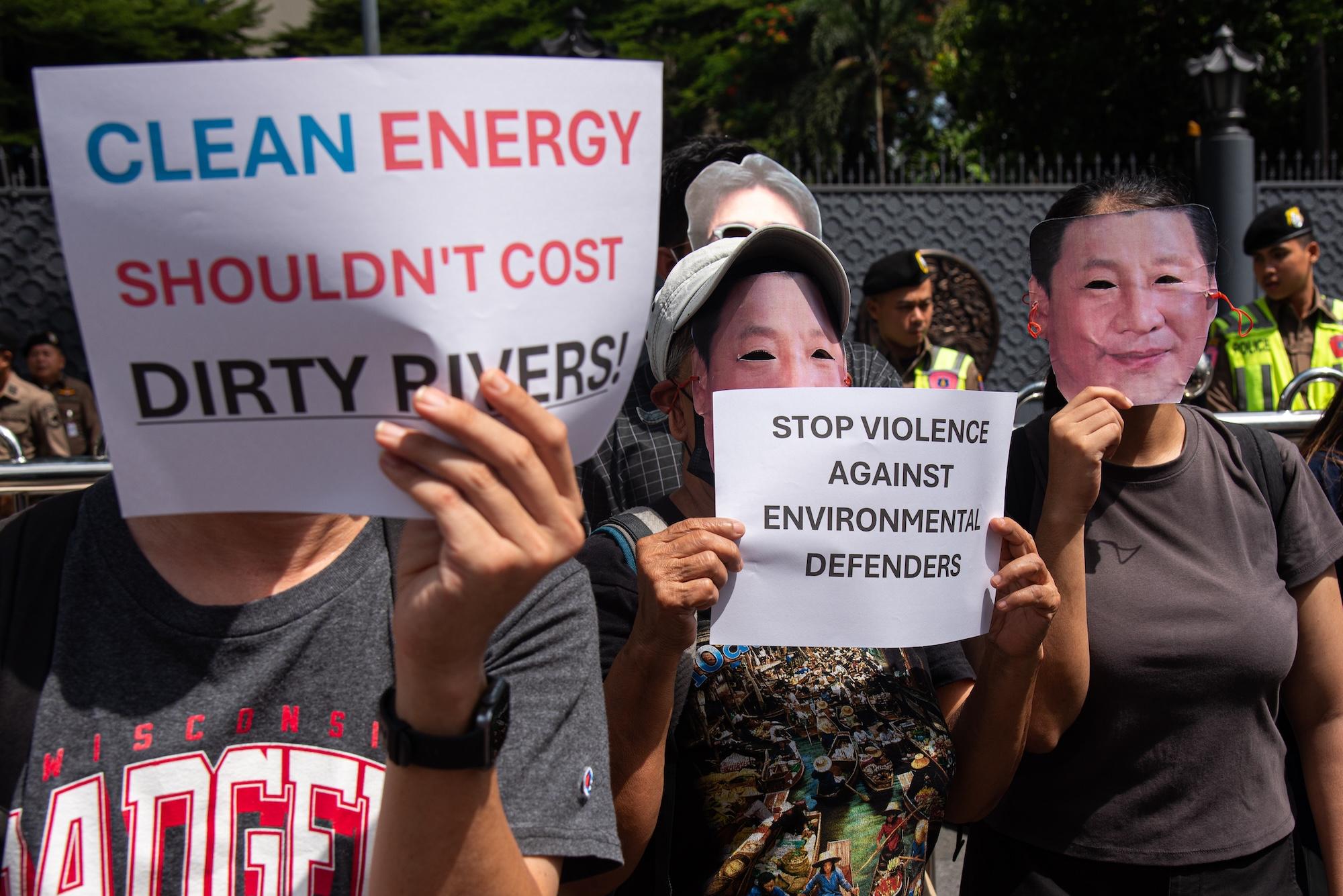
"I think companies are consistently using Myanmar as a sacrifice zone," says Ben Hardman, Mekong legal director at EarthRights International. He argues that global manufacturers of EVs and wind turbines can no longer plead ignorance. Because China blends Myanmar-sourced minerals with its own domestic supply during processing, it is statistically certain that almost every high-performance magnet produced in China contains elements tied to Myanmar’s conflict.
Experts warn that without strict, traceable supply chain regulations, the rush for critical minerals will replicate the "resource curse" that has plagued oil and diamond-rich nations for centuries. As Julie Michelle Klinger, a geographer at the University of Wisconsin-Madison, points out, much of the rare earth output is also being diverted to global rearmament and weapons manufacturing, casting doubt on the narrative that this destruction is a necessary evil for a cleaner planet.
For the people of Myanmar, the global appetite for high-tech magnets has brought only "slow, perpetual violence." As Nyi Tun, a village elder whose ancestral lands have been decimated by mining, puts it: "Some people call this development, but I don’t see it that way. I feel sad seeing our farms damaged. This was once a pleasant place to live; now, it is a graveyard for our future."
Related posts: