Devastating Wildfires Sweep Through Northern Ontario as Indigenous Communities Face Crisis of Recognition and Aid

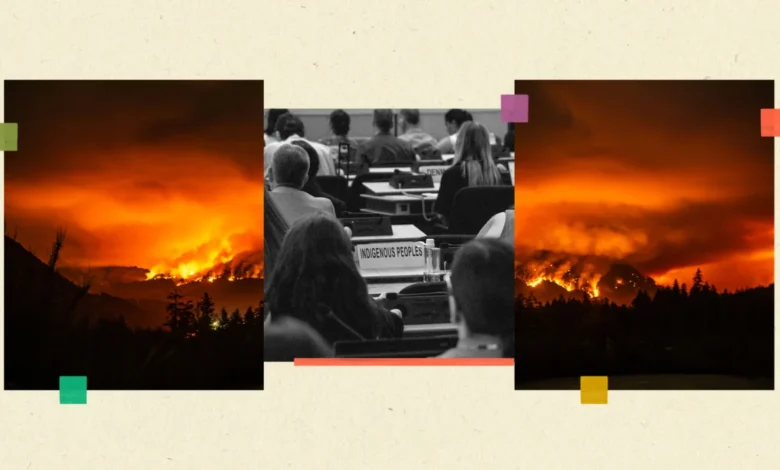
The Canadian wildfire season has reached a critical and catastrophic juncture as more than 900 wildfires continue to burn across the country, leaving a trail of destruction that has disproportionately affected Indigenous communities. As of the latest reports, 13 First Nations remain under mandatory evacuation orders, a situation that has displaced at least 2,182 individuals from their ancestral lands. While the crisis is national in scope, the most harrowing developments have emerged from Northern Ontario, where the Namaygoosisagagun (Collins) First Nation was virtually erased by a fast-moving inferno in less than sixty minutes.
The destruction of Namaygoosisagagun serves as a stark illustration of the escalating wildfire threat in Canada’s boreal forests and the systemic vulnerabilities faced by remote Indigenous settlements. On Wednesday, a wildfire advanced with such unprecedented speed that residents were forced to abandon their homes with only minutes of notice. With no road access to the community—located approximately 125 miles north of Thunder Bay—and no coordinated provincial evacuation effort in place at the time of the fire’s arrival, members of the Nation were forced to flee by boat. The harrowing escape saw more than two dozen people taking to the water as flames overtook community buildings and private residences.
A Community Lost: The Destruction of Namaygoosisagagun
The loss of Namaygoosisagagun is being characterized by Indigenous leadership as a total catastrophe. Anishinabek Nation Grand Council Chief Linda Debassige confirmed that while all community members have been accounted for, the physical infrastructure of the Nation has been devastated. "It is with heartfelt sadness that I share that our member First Nation, Namaygoosisagagun First Nation, has been devastated by an unexpected and fast-moving wildfire that advanced toward and through the community, causing extensive damage and destruction to homes and community buildings," Debassige stated.
The speed of the blaze prevented any formal emergency response from reaching the area before the damage was done. Reports from the ground indicate that the evacuation was entirely grassroots; community members went door-to-door to alert neighbors, acting as their own first responders in the absence of government warnings. This lack of advance notice has become a central point of contention between Indigenous leaders and federal and provincial authorities.
Statistical Overview of the National Wildfire Crisis
The scale of the current wildfire season is immense, challenging the resources of the Canadian Interagency Forest Fire Centre (CIFFC) and provincial fire services. As of Friday, the national situation remains volatile:
- Total Active Fires: 903 wildfires are currently burning across Canada.
- Status of Fires: 750 of these blazes are classified as "out of control," indicating that fire suppression efforts have not yet been able to contain their perimeter or spread.
- New Ignitions: 43 new fires were recorded within a single 24-hour window, driven by lightning strikes and persistent tinder-dry conditions.
- Regional Concentration: Ontario is currently the epicenter of the crisis, reporting 193 active fires.
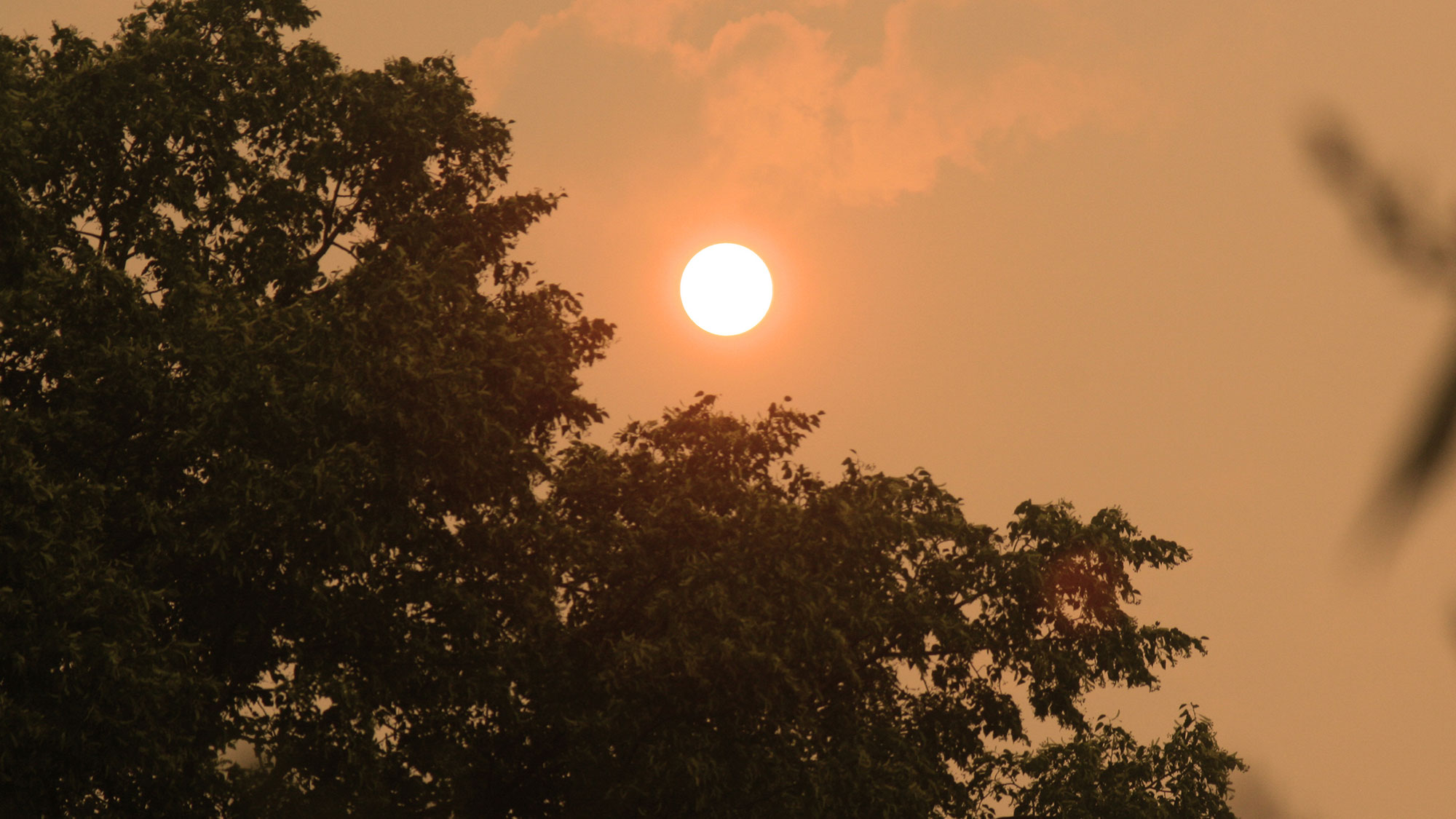
In Ontario, the impact on First Nations has been particularly severe. Seven Nations have been forced to fully evacuate. In addition to Namaygoosisagagun, communities such as Whitesand First Nation, Kiashke Zaaging Anishinaabek, and Animbiigoo Zaagi’igan Anishinaabek are currently operating under mandatory evacuation orders supported by the Ontario Provincial Police. The displacement extends beyond Indigenous territories, with dozens of non-Indigenous municipalities also facing evacuation orders as smoke and flames encroach on populated areas.
The Jurisdictional Dispute and the Aid Gap
Perhaps the most significant hurdle in the recovery of Namaygoosisagagun is a complex and long-standing jurisdictional dispute regarding the community’s legal status. While the residents of Collins are recognized as First Nations people under the federal Indian Act, the community itself lacks official recognition as a "First Nation" entity by the federal government.
This administrative technicality has led to reports that the community is being denied the emergency, recovery, and reconstruction support typically afforded to recognized First Nations. Meaghan Daniel, a lawyer representing the community, has engaged in urgent correspondence with Indigenous Services Minister Mandy Gull-Masty, seeking an immediate reversal of this stance.
"To be clear, if Namaygoosisagagun is denied access to the emergency and rebuilding supports available to recognized First Nations, it will not simply suffer a slower recovery," Daniel wrote in a formal letter. "It may lose forever the opportunity to rebuild the community its members spent decades creating. In those circumstances, the question is not merely whether recovery will be delayed. It is whether Namaygoosisagagun will have a future in the place it has called home since time immemorial."
The federal government, through Indigenous Services Canada (ISC), has responded to these allegations with a statement from spokesperson Eric Head, who noted that efforts are now underway to determine the community’s immediate needs and coordinate support. However, the delay in recognizing the community’s right to aid has already hampered initial relief efforts.
Chronology of the Crisis and Emergency Response
The timeline of the current emergency highlights a series of communication failures and bureaucratic hurdles:
- Mid-Week: Wildfire activity surged in Northern Ontario due to high winds and low humidity. Residents in remote areas reported seeing smoke plumes but received no official provincial alerts.
- Wednesday Morning: The fire reached the outskirts of Namaygoosisagagun. With no road escape, the "boat evacuation" commenced.
- Wednesday Afternoon: The Chiefs of Ontario held an emergency meeting in response to the rapidly deteriorating situation. Leaders expressed profound frustration with the "bureaucratic processes" required to access emergency services and the lack of clear communication from the government on how to declare a state of emergency.
- Thursday: During a national assembly in Ottawa, the Assembly of First Nations (AFN) passed emergency resolutions specifically aimed at providing support for Namaygoosisagagun and other impacted communities. The AFN called on the federal government to bypass traditional administrative delays to provide immediate humanitarian aid.
- Friday: Assessment teams began the difficult task of surveying the damage in Collins, while the number of out-of-control fires across the province continued to climb.
Leadership Reactions and Calls for Reform
The sentiment among Indigenous leadership is one of exhaustion and indignation. Ontario Regional Chief Abram Benedict emphasized that the focus on financial technicalities during a life-threatening crisis is unacceptable. "Jurisdictional disputes and administrative delays have immediate consequences and put lives at risk," Benedict said. "The priority of our leadership is to get people out as quickly and safely as possible. This needs to be everyone’s priority rather than financial discussions and technicalities."
Benedict’s comments highlight a broader issue: the "front-line" reality of climate change for Indigenous peoples. Because many First Nations are located in remote, fire-prone regions with limited infrastructure, they serve as the "canary in the coal mine" for environmental disasters that eventually have international impacts through smoke drift and ecological loss.
The Anishinabek Nation has called for a period of mourning and support for those who have lost everything. "We ask that you please keep Chief Paavola, the citizens of Namaygoosisagagun First Nation, and all those affected by these wildfires in your prayers," the Nation said in a statement. They also stressed the need for privacy and space as members navigate the "devastating loss of their entire community."
Analysis of Long-Term Implications
The destruction of an entire community like Namaygoosisagagun raises urgent questions about the future of remote Indigenous settlements in an era of increasing climate volatility. The reliance on a single mode of transport—in this case, boats—underscores the critical infrastructure deficit in Northern Canada. Without reliable road access or robust provincial fire-suppression infrastructure, these communities remain at the mercy of the elements.
Furthermore, the legal battle over recognition highlights the precarious nature of Indigenous rights in Canada. If a community can be denied disaster relief based on an administrative classification, it suggests that the current framework for emergency management is ill-equipped to handle the realities of the 21st-century wildfire season.
As the 2024 wildfire season continues, the focus remains on the immediate safety of the 2,182 displaced people. However, the long-term challenge will be the "reconstruction of the future." For the people of Namaygoosisagagun, the goal is not just to survive the fire, but to ensure that the government provides the necessary resources to return to the land they have occupied since time immemorial. The outcome of their struggle for aid will likely set a precedent for how Canada handles future climate-driven disasters in Indigenous territories.
Related posts: