Julie Coker Appointed President and CEO of Visit California to Lead State Tourism Through Critical Decade of International Events

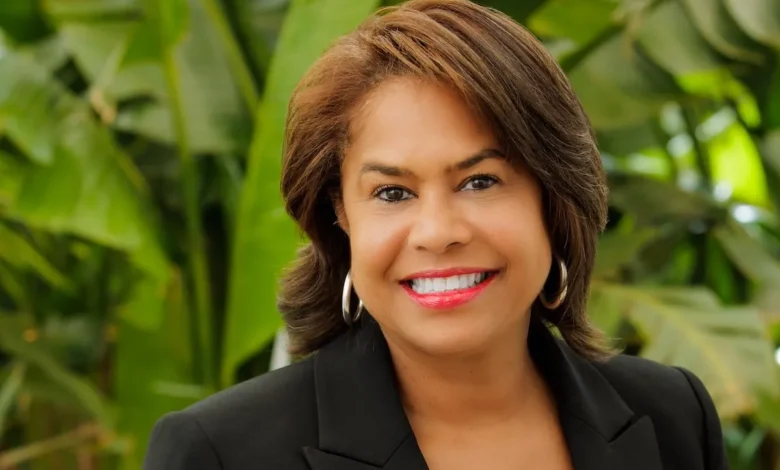
Visit California, the state’s primary destination marketing organization, has officially named Julie Coker as its next President and Chief Executive Officer, a move that signals a strategic shift for the nation’s largest state tourism economy as it prepares for a decade of high-profile international events. Coker, who currently serves as the President and CEO of NYC Tourism + Conventions, will transition to her new role effective October 1, succeeding Caroline Beteta, who has led the organization for over 25 years. The appointment comes at a pivotal juncture for the California travel industry, which is currently grappling with a bifurcated recovery characterized by strong domestic interest but a stubborn lag in lucrative international inbound travel.
Coker’s departure from New York City after less than two years in the top post has surprised many in the industry, yet her move to California is seen as a strategic acquisition of talent for a state facing complex headwinds. During her tenure in New York, Coker was credited with navigating the final stages of the city’s post-pandemic recovery and spearheading a comprehensive rebranding of the city’s tourism arm from "NYC & Company" to "NYC Tourism + Conventions." Her move to the West Coast places her at the helm of an organization responsible for marketing a state that generated $150.4 billion in travel spending in 2023, yet remains vulnerable to shifting global economic patterns and environmental challenges.
A Career Defined by Leadership in Major Markets
Julie Coker’s professional trajectory has made her one of the most prominent figures in American destination management. Before her high-profile stint in New York City, she served as the President and CEO of the Philadelphia Convention and Visitors Bureau (PHLCVB). In Philadelphia, she was lauded for her ability to secure major conventions and for her leadership during the 2016 Democratic National Convention. Her background in the hospitality sector is extensive, including more than 20 years with Hyatt Hotels Corporation, where she rose through the ranks in various management and operational roles.
This combination of corporate hospitality experience and public-sector destination marketing is what made her the primary candidate for Visit California. The search committee, tasked with finding a successor to Caroline Beteta—a titan in the industry who helped build the "Dream Big" brand—sought a leader capable of managing a massive budget and a diverse set of stakeholders ranging from rural wine country operators to major urban centers like Los Angeles and San Francisco.
The State of California Tourism: Growth Amidst Volatility
While California remains the leading travel destination in the United States, recent data suggests the state is facing significant pressure in its international segments. According to a May 2024 report from Tourism Economics prepared for Visit California, the state’s tourism volume is forecast to rise by a modest 1.5% this year. However, the underlying metrics reveal a more complicated picture.
In 2023, overseas visits to California fell by 5% compared to the previous year. Even more concerning for state officials was the data regarding North American neighbors; visits from Canada, historically one of California’s most reliable markets, plunged by 20% in the same period. These declines are attributed to several factors, including the high cost of the U.S. dollar, increased competition from European and Asian destinations, and lingering visa processing delays that have disproportionately affected emerging markets.
The sluggishness of the international recovery is a primary concern for the state’s economic health. International travelers typically stay longer and spend significantly more per trip than domestic visitors. For California to reach its full economic potential and surpass pre-2019 peak levels in real terms, the state must find a way to recapture its share of the global market, particularly from China, which was California’s top overseas market prior to the pandemic.
Environmental and Social Headwinds
Beyond economic data, Coker inherits a state whose global image has been tested by environmental and social challenges. The wildfires that swept through the Los Angeles area and Northern California earlier this year were not just local emergencies; they were global news stories that impacted travel bookings. For an international tourist planning a high-budget vacation, the perception of safety and air quality is paramount. Part of Coker’s mandate will be to refine the state’s crisis communication strategies and promote "regenerative tourism" that balances economic growth with environmental stewardship.
Furthermore, California’s major urban gateways—San Francisco and Los Angeles—have faced public relations challenges regarding homelessness and public safety. These issues have been amplified in international media, sometimes creating a "perception gap" that discourages tourism. Coker’s experience in New York City, a metropolis that has faced similar public perception battles, will be vital in crafting narratives that highlight the cultural vibrancy and safety of California’s urban hubs.
The "Golden Decade" and the Road to 2028
The timing of Coker’s appointment is strategically aligned with what industry insiders are calling California’s "Golden Decade." The state is preparing to host a series of global events that will place it under an unprecedented international spotlight. This includes matches for the 2026 FIFA World Cup, which will be held at venues in the San Francisco Bay Area and Los Angeles, and culminates with the 2028 Summer Olympic and Paralympic Games in Los Angeles.
These events represent more than just a temporary spike in visitor numbers; they are opportunities to showcase infrastructure improvements and rebrand California for a new generation of global travelers. The 2028 Olympics, in particular, requires a multi-year marketing runway. Coker will be responsible for ensuring that the benefits of these mega-events extend beyond the host cities to the rest of the state, encouraging "dispersal" tourism where visitors to the Olympics also spend time in the Central Valley, the High Sierra, and the North Coast.
Industry Reactions and Leadership Transition
The transition from Caroline Beteta to Julie Coker marks the end of an era for Visit California. Beteta is credited with transforming the organization into a global powerhouse and securing a stable funding model through the California Tourism Assessment. In a statement regarding the transition, the Visit California Board of Directors expressed confidence that Coker’s "proven track record and visionary leadership" would build upon the foundation laid over the last two decades.
Industry stakeholders in New York have expressed a mix of disappointment at her departure and respect for the opportunity she is taking. Under Coker’s brief but impactful leadership, NYC Tourism + Conventions successfully launched the "It’s Time for New York City" campaign and strengthened ties with international travel trade partners. Her ability to maintain stability during a period of leadership turnover in New York has been noted as one of her key strengths.
Chronology of Recent Leadership Shifts in Major DMOs
The move is part of a broader trend of leadership churn within major Destination Marketing Organizations (DMOs) across the United States. As the travel industry enters a post-recovery phase, many cities and states are seeking fresh perspectives to navigate new digital marketing landscapes and ESG (Environmental, Social, and Governance) requirements.
- Early 2023: New York City Tourism + Conventions rebrands under Coker’s leadership.
- Late 2023: Visit California begins a national search for a successor to Caroline Beteta.
- May 2024: Tourism Economics releases a report highlighting a 20% drop in Canadian visitation to California, sparking calls for new strategic interventions.
- August 2024: Official announcement of Julie Coker as the new President and CEO of Visit California.
- October 1, 2024: Coker officially assumes her role in California.
Broader Implications for the U.S. Tourism Sector
Coker’s appointment is a significant moment for the U.S. tourism industry at large. As the head of Visit California, she will hold one of the most influential positions in the sector, often serving as a de facto spokesperson for U.S. tourism interests on the global stage. Her leadership will likely focus on three core pillars:
- Market Diversification: Reducing reliance on traditional markets and aggressively pursuing growth in India, Southeast Asia, and a rebounding Chinese market.
- Sustainable Growth: Implementing strategies that protect California’s natural assets while still driving record-breaking visitor spending.
- Technological Integration: Utilizing data analytics to better understand traveler sentiment and personalizing marketing efforts to combat the rising cost of travel.
As Julie Coker prepares to move from the Atlantic coast to the Pacific, the expectations are high. She must balance the immediate need to reverse sluggish international trends with the long-term preparation for the 2028 Olympics. Her success will be measured not just by the number of arrivals at LAX or SFO, but by her ability to maintain California’s status as a premier global brand in an increasingly competitive and climate-conscious travel market. The transition signals that California is ready to play a more aggressive role in the global tourism arena, leveraging a veteran leader to navigate the complexities of a rapidly evolving industry.