Retired Staff Sergeant Wilmer Trujillo Fights Government He Served to Prevent Wife’s Deportation Amidst Intensified ICE Enforcement

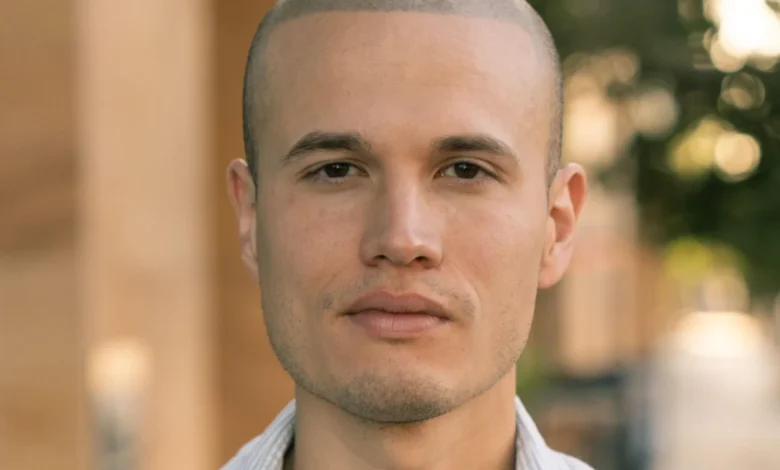
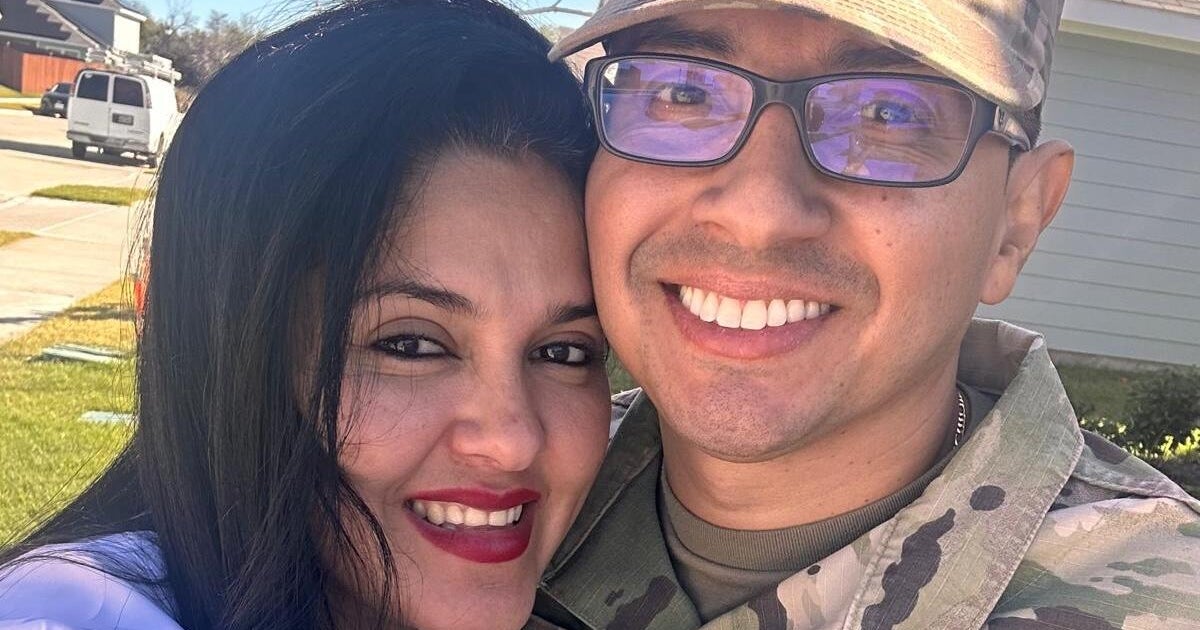
Princeton, Texas – Retired Staff Sergeant Wilmer Trujillo, a decorated veteran who dedicated two decades of his life to the U.S. Army and the Texas National Guard with deployments spanning Afghanistan, Iraq, and South Korea, is now engaged in what he describes as the most harrowing battle of his existence: imploring the very government he served to halt the deportation of his wife, Arelys Barahona-Martinez. The emotional toll on Trujillo, expressed from his home in the Dallas suburb of Princeton, is palpable as he articulates a profound sense of betrayal. "It breaks me because the country I worked my entire life for is ripping my family apart, and taking away my wife," Trujillo revealed to CBS News, his voice heavy with despair. "It makes me sick to my stomach. I’ve never thought I’d be in a situation where I’m begging my own country to let my wife go so we can do our thing the right way."
The veteran’s wife of six years, Arelys Barahona-Martinez, a native of Honduras, was abruptly arrested by Immigration and Customs Enforcement (ICE) last week during a routine check-in appointment in Dallas. For years, Barahona-Martinez had diligently complied with ICE’s requirements, attending scheduled appointments without incident. Her detention on June 10, 2026, therefore, came as a shock to her family, shattering their sense of precarious stability. Despite lacking any criminal record, immigration officials confirmed her arrest, citing two instances of illegal entry into the U.S. – first in 2005 and again in 2018. A statement from the Department of Homeland Security (DHS), which oversees ICE, further clarified that a deportation order had been issued against Barahona-Martinez over two decades ago, in 2005, following her initial entry. This case sadly positions Barahona-Martinez as the latest close relative of a U.S. service member or veteran to be arrested by ICE, an ongoing pattern reflecting the intensified enforcement under what has been widely characterized as the Trump administration’s mass deportation campaign.
A Family Torn Apart: The Voice from Detention
The grim reality of her situation was underscored when Barahona-Martinez made a video call to Trujillo from inside the ICE detention center in Alvarado, Texas, where she is currently being held. Her words, spoken in Spanish, conveyed profound anguish. "It is truly hell, to be judged as a criminal," Barahona-Martinez said, tears streaming down her face. "The only thing I’m asking them is for them to let me be with my family and to complete the process with them." Her plea highlights the immense psychological burden placed upon detainees, who often feel dehumanized and separated from their fundamental rights, especially when their only "crime" is a civil immigration violation. The image of a loving wife and mother, reduced to tears and pleading for the right to be with her family, resonates deeply with many who advocate for more compassionate immigration policies.
The couple, who met in 2019, has built a life together, blending their families. Trujillo’s daughters from a previous marriage have grown close to Barahona-Martinez and her son, Idben. Idben, now 20, lives with Trujillo and his daughters, and the absence of his mother has created an unbearable void. "She came to this country just to save my life," Idben told CBS News, referring to his mother’s return to the U.S. in 2018. His statement underscores the profound personal stakes involved, revealing a story of desperation and maternal sacrifice driven by life-threatening circumstances. The house, Idben lamented, now feels "empty" without his mother’s presence, a sentiment echoed by countless families separated by immigration enforcement actions.
Chronology of a Life Interrupted: Barahona-Martinez’s Journey
To understand the full scope of Barahona-Martinez’s situation, a chronological review of her interactions with the U.S. immigration system is essential:
- 2005: Arelys Barahona-Martinez first enters the U.S. without authorization. During this period, she is apprehended, and an order of deportation is issued against her. This initial encounter establishes a critical legal precedent that would shadow her future attempts to regularize her status.
- 2006: Following the deportation order, Barahona-Martinez departs the United States, adhering to the legal mandate, albeit involuntarily.
- 2018: Driven by urgent and compelling circumstances, Barahona-Martinez re-enters the U.S. illegally. Her decision was prompted by two critical factors: her U.S.-born son, Idben, was being actively recruited by gangs in Honduras, a pervasive and dangerous threat in many Central American nations, and he required urgent medical attention for neurofibromatosis, a genetic disorder that causes tumors to grow on nerve tissue throughout the body. The lack of adequate medical facilities and the rampant gang violence in Honduras created an untenable situation for a mother seeking to protect her child.
- 2019: Arelys Barahona-Martinez meets Wilmer Trujillo. Their relationship blossoms, leading to their marriage and the formation of their blended family. This marriage to a U.S. citizen would later become a crucial, albeit complicated, factor in her potential path to legal residency.
- Years Prior to Arrest: Barahona-Martinez regularly checked in with ICE officials, a common requirement for individuals with pending immigration cases or those under supervision. These check-ins were conducted without incident, fostering a false sense of security that her status, while irregular, was not an immediate priority for enforcement.
- June 10, 2026: During what was expected to be another routine check-in appointment at the Dallas ICE office, Barahona-Martinez is unexpectedly detained. This marked a significant shift in her situation, moving her from supervised release to immediate custody, signaling a more aggressive enforcement posture.
- June 13, 2026: From the ICE detention facility in Alvarado, Texas, Barahona-Martinez makes a video call to her husband, revealing the harsh conditions and her emotional distress.
- June 17, 2026: The news of her detention and her husband’s fight for her release is widely reported, drawing national attention to their plight.
Navigating the Complexities of U.S. Immigration Law: A Narrow Path
Barahona-Martinez’s case, while heartbreaking, is also legally complex. Her marriage to a U.S. citizen like Wilmer Trujillo generally offers a pathway to permanent U.S. residency, or a green card. However, the existing deportation order from 2005 and her subsequent illegal re-entry significantly complicate this process. To proceed with a marriage-based green card application, she would first need to convince an immigration judge to reopen her original deportation case. This is a formidable legal challenge, as reopening such cases often requires demonstrating exceptional circumstances or a material change in facts or law.
Furthermore, she would need the government to "cancel" her illegal entries. This is where a specific program designed to protect military families comes into play: "parole-in-place." Parole-in-place is a discretionary immigration benefit available to certain non-citizen spouses, children, and parents of active-duty U.S. military personnel, those in the Selected Reserve, or individuals who previously served in the U.S. armed forces. It essentially allows an eligible family member who entered the U.S. without inspection to be "paroled" into the U.S. for immigration purposes, thereby fulfilling the legal requirement of a lawful entry, which is a prerequisite for adjusting status to a lawful permanent resident from within the United States. Without parole-in-place, Barahona-Martinez would likely need to leave the U.S. to process her green card application at a U.S. consulate abroad, a process that could trigger a 10-year bar from re-entry due to her prior illegal presence and deportation order.
The critical question now is whether ICE will exercise its discretion to allow Barahona-Martinez to pursue this complex legal process outside of detention. Under the Trump administration, ICE has dramatically shifted its enforcement priorities, focusing heavily on the arrest and detention of individuals with standing deportation orders, irrespective of whether they have criminal records or deep community ties. This policy has made it significantly more challenging for detainees to be released on bond or through other discretionary measures, even when they have a potential legal pathway to status. The agency’s hardened stance means that even a veteran’s spouse with a clear path to legal residency through marriage and specific military family protections might remain detained, highlighting a tension between broad enforcement directives and individual humanitarian considerations.
ICE Enforcement Under Scrutiny: A Policy Shift
The "mass deportation campaign" referenced in the original article signifies a notable shift in U.S. immigration enforcement strategy, particularly under the Trump administration. Historically, while all undocumented immigrants were technically subject to deportation, enforcement priorities often focused on individuals with serious criminal convictions. However, the directive to prioritize anyone with a deportation order, regardless of their criminal history or family ties, broadened the scope of enforcement significantly. This shift has led to an increase in arrests during routine check-ins, such as Barahona-Martinez’s, where individuals who had been allowed to remain in the community while pursuing their cases suddenly found themselves detained.
Data from organizations tracking immigration enforcement indicate a rise in arrests of non-criminal immigrants and a decrease in the exercise of prosecutorial discretion in recent years. This change has put immense pressure on immigration courts and detention facilities, and perhaps more importantly, on families across the nation. Critics argue that this aggressive enforcement strategy, while adhering to the letter of the law in many cases, undermines the spirit of family unity and creates undue hardship, particularly for those with strong ties to U.S. citizens, including military personnel. The policy also raises questions about resource allocation, as detaining individuals without criminal records who have established community ties and legal avenues to pursue their cases can be costly and arguably less efficient than focusing on more serious threats.
Honduras: The Push Factors Behind a Mother’s Desperation
Arelys Barahona-Martinez’s decision to return to the U.S. in 2018 was not made lightly, especially given her prior deportation order. Her testimony points to severe "push factors" in Honduras that compelled her to seek safety and medical care for her son, Idben. Honduras, like many Central American nations, has long grappled with endemic gang violence, particularly from powerful groups like MS-13 and Barrio 18. These gangs often target young people for recruitment, and refusal can lead to severe repercussions, including violence or death. For a mother, the threat of her son being forcibly recruited into such a life is an unimaginable terror, prompting desperate measures.

Furthermore, Idben’s medical condition, neurofibromatosis, which causes tumors to grow on nerve tissue, requires specialized and ongoing medical care. The healthcare system in Honduras, particularly for complex genetic disorders, is often underfunded, understaffed, and lacking in advanced diagnostic and treatment capabilities. Access to quality healthcare can be prohibitively expensive or simply unavailable for large segments of the population. For Barahona-Martinez, the U.S., despite its immigration challenges, represented a beacon of hope for her son’s survival and well-being. Her decision to re-enter the country, knowing the risks, was a testament to a mother’s fierce determination to protect her child from both violence and illness.
Broader Implications: Military Families and Immigration Policy
The plight of Wilmer Trujillo and Arelys Barahona-Martinez is not an isolated incident. Their story highlights a broader, often contentious, national debate concerning immigration enforcement, the welfare of military families, and the application of discretionary powers within the immigration system. Cases involving spouses and family members of U.S. service members have long occupied a unique, sensitive space in immigration policy. The "parole-in-place" program itself was a recognition of the extraordinary sacrifices made by military personnel and their families, aiming to alleviate the additional burden of immigration complexities while they serve or have served the nation.
However, the current enforcement climate, prioritizing strict adherence to existing deportation orders, often overrides these special considerations. This creates a moral dilemma: how can a nation ask its citizens to serve and sacrifice, only to then dismantle their families through strict enforcement of immigration laws against non-criminal spouses? Immigration advocacy groups and legal experts frequently cite such cases as evidence of an overly rigid and inhumane immigration system that fails to account for individual circumstances and the deep human cost of family separation. They argue that a balanced approach is needed, one that upholds national security while also demonstrating compassion and supporting those who have served the country.
The outcome of Barahona-Martinez’s case could have significant implications. If she is denied release and deported, it would send a chilling message to other military families in similar situations, potentially eroding trust between the government and its service members. Conversely, a decision to grant her parole-in-place and allow her to pursue her green card application could serve as an affirmation of the principle that military families deserve special consideration. As the legal battle unfolds, it will continue to draw attention to the human face of immigration policy and the profound impact it has on the lives of ordinary people, including those who have dedicated their lives to defending the nation. The fight waged by Wilmer Trujillo is more than just a personal battle; it is a poignant testament to the enduring struggle for justice and family unity within the complex tapestry of American immigration law.
Related posts: