
Carbon Emissions Ukraine Energy
Ukraine’s Energy Sector: A Complex Landscape of Carbon Emissions and Decarbonization Challenges
Ukraine’s energy sector is a critical component of its economy, but it is also a significant contributor to the nation’s carbon emissions. Dominated by fossil fuels, particularly coal, natural gas, and oil, the sector faces immense pressure to decarbonize in line with global climate goals and to enhance its energy security. The ongoing conflict with Russia has profoundly impacted this landscape, disrupting supply chains, damaging infrastructure, and creating urgent needs for energy provision that often necessitate reliance on established, carbon-intensive sources. Understanding the current state of Ukraine’s energy mix, its emissions profile, the challenges to decarbonization, and the potential pathways forward is crucial for both domestic policy and international support.
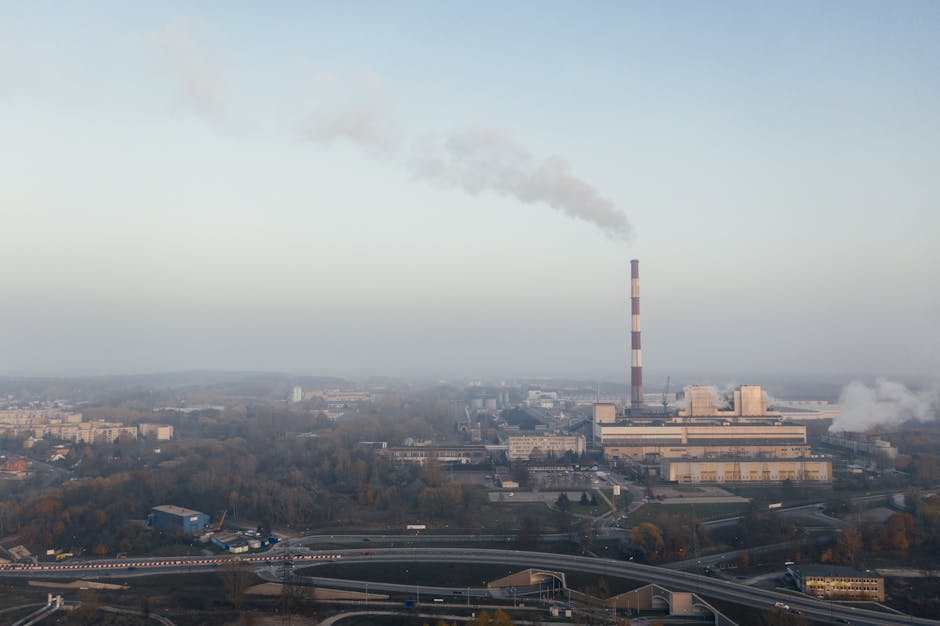
The historical backbone of Ukraine’s energy supply has been its substantial domestic coal reserves, alongside significant natural gas production and consumption. The coal mining industry, deeply ingrained in the Donbas region, has historically fueled a substantial portion of the country’s electricity generation. Thermal power plants, many of which are aging and inefficient, operate primarily on coal, releasing vast quantities of carbon dioxide (CO2) and other greenhouse gases (GHGs). Natural gas plays a dual role, serving as a primary fuel for industrial processes, heating, and also contributing to electricity generation, often through a mix of older and more modern gas-fired power plants. Ukraine’s reliance on imported natural gas, historically from Russia, has been a major geopolitical and economic vulnerability, further complicating its energy transition. Oil products, while less dominant in electricity generation, are essential for the transportation sector and have an associated carbon footprint. The legacy of Soviet-era industrial development has left Ukraine with an energy infrastructure that is largely dependent on fossil fuels, making the transition to cleaner alternatives a monumental undertaking.
The war in Ukraine has introduced unprecedented complexities to the nation’s energy sector and its emissions trajectory. The destruction of energy infrastructure, including power plants, transmission lines, and fuel storage facilities, has led to acute energy shortages and a heightened reliance on whatever energy sources are available. This often means reactivating or increasing output from older, less efficient, and more carbon-intensive facilities. For instance, damage to gas pipelines and import terminals has disrupted natural gas supplies, potentially leading to increased reliance on coal where available. The urgent need to maintain power for critical services, defense, and civilian populations can, in the short term, override environmental considerations. Furthermore, the economic devastation caused by the war has strained financial resources that would otherwise be allocated to energy transition initiatives, such as investments in renewable energy projects or the modernization of existing infrastructure. The ongoing hostilities also pose a significant security risk for the development and operation of new, cleaner energy facilities, particularly in frontline regions.
Ukraine’s energy sector is a significant source of greenhouse gas emissions, with CO2 from fossil fuel combustion being the primary contributor. The International Energy Agency (IEA) and other reputable sources consistently highlight the energy sector as the largest emitter in Ukraine. Specific data on emissions can fluctuate due to economic activity, weather patterns, and the impact of the war. However, the general trend points to a high carbon intensity in electricity generation, primarily driven by coal-fired power plants. These plants, often operating at lower efficiencies than modern facilities, release disproportionately high levels of CO2 per unit of energy produced. Natural gas combustion, while generally cleaner than coal, still releases significant amounts of CO2, and methane (CH4) emissions from gas extraction and transportation, though often underestimated, are also a potent greenhouse gas. The industrial sector, heavily reliant on fossil fuels for heat and power, is another major contributor. The transportation sector, predominantly using gasoline and diesel, adds to the overall GHG inventory. Quantifying the precise impact of the war on Ukraine’s total annual emissions is challenging due to the dynamic and destructive nature of the conflict, but it is clear that the immediate operational realities have likely led to a temporary increase in emissions intensity in some areas due to reliance on older, dirtier infrastructure.
The challenges to decarbonizing Ukraine’s energy sector are multifaceted and deeply entrenched. Firstly, the sheer scale of the existing fossil fuel infrastructure, including numerous coal mines and thermal power plants, represents a substantial legacy asset that requires massive investment and a long-term strategic plan for decommissioning or retrofitting. The economic viability of coal mining, while historically significant, is increasingly challenged by the global shift away from coal and the associated environmental costs. Secondly, the dependence on imported natural gas has been a persistent issue, creating vulnerabilities and influencing energy policy decisions. While Ukraine has sought to diversify its gas suppliers, the transition to indigenous renewable sources is a more sustainable long-term solution. Thirdly, Ukraine’s energy grid, largely a relic of the Soviet era, requires significant modernization to accommodate the variable nature of renewable energy sources like solar and wind. Grid stability, energy storage solutions, and smart grid technologies are essential for integrating a higher share of renewables. Fourthly, the economic impact of the war has severely limited domestic investment capacity for energy transition projects. This necessitates substantial international financial and technical support. Rebuilding a resilient and cleaner energy system post-conflict will be a colossal undertaking requiring significant capital inflows, advanced technologies, and long-term commitment from international partners. Finally, skilled labor and technical expertise in areas like renewable energy installation, grid management for renewables, and energy efficiency retrofitting need to be developed and expanded.
Despite the immense challenges, Ukraine has established national strategies and policy frameworks aimed at decarbonizing its energy sector and increasing the share of renewable energy sources. The "Energy Strategy of Ukraine until 2030" and its subsequent updates have outlined targets for reducing GHG emissions and increasing the contribution of renewable energy to the overall energy mix. The country has a significant renewable energy potential, particularly in solar and wind power, with vast expanses of land and favorable geographical conditions. Significant investments have been made in solar and wind farms in recent years, prior to the full-scale invasion, demonstrating a growing commitment to these cleaner sources. The government has also been exploring opportunities for nuclear energy, which, while generating no direct CO2 emissions during operation, presents its own set of challenges related to waste management and safety. The expansion of energy efficiency measures across industrial, residential, and public sectors is another crucial pillar of Ukraine’s decarbonization efforts. This includes improving building insulation, upgrading industrial equipment, and promoting energy-saving practices. The war has, however, disrupted the implementation of many of these plans. International partnerships and financial assistance are becoming increasingly critical to reviving and accelerating these decarbonization pathways.
The role of international support in Ukraine’s energy transition and decarbonization is indispensable. Financial aid, technical assistance, and technology transfer from international financial institutions, governments, and private sector partners are crucial to overcoming the economic and technical hurdles. Investments are needed for the reconstruction and modernization of damaged energy infrastructure, with a focus on building back cleaner and more resilient systems. This includes supporting the deployment of renewable energy technologies, upgrading the electricity grid to accommodate renewables, and investing in energy efficiency projects. Furthermore, international expertise in areas such as policy development, regulatory reform, and project implementation can significantly accelerate Ukraine’s decarbonization efforts. The European Union, in particular, has a vested interest in supporting Ukraine’s energy security and its transition towards a greener economy, aligning with the EU’s own climate objectives. Joint initiatives focusing on energy security, diversification of energy sources, and the development of green hydrogen infrastructure are increasingly being discussed and explored. This collaborative approach is not only vital for Ukraine’s recovery and long-term energy sustainability but also contributes to global climate change mitigation efforts.
The future trajectory of carbon emissions from Ukraine’s energy sector is inextricably linked to its post-war recovery and its commitment to a green transition. The immediate aftermath of the conflict will likely see a continued reliance on existing, more carbon-intensive infrastructure to meet urgent energy demands. However, the long-term vision must be one of a fundamental shift towards a cleaner, more sustainable energy system. This will require substantial and sustained investment in renewable energy sources, including solar, wind, and potentially biofuels. Modernizing and expanding the national grid to effectively integrate these variable renewable sources will be a critical undertaking, necessitating the development of smart grid technologies and energy storage solutions. Energy efficiency improvements across all sectors of the economy will play a vital role in reducing overall energy demand and, consequently, emissions. The potential role of nuclear energy, while controversial, will likely remain a subject of debate and consideration, given its low operational carbon footprint. The development of green hydrogen as a future energy carrier also presents a promising avenue for decarbonizing hard-to-abate sectors. Ultimately, Ukraine’s success in reducing its carbon emissions from the energy sector will depend on a confluence of strong political will, robust international cooperation, significant financial investment, and the adoption of innovative and sustainable energy technologies. The path ahead is challenging, but the imperative for a secure, resilient, and environmentally responsible energy future for Ukraine is undeniable.
