BWH Hotels Launches Backdrop by WorldHotels to Capture Growing Global Demand for Luxury Glamping and Outdoor Hospitality

BWH Hotels, the global parent organization of the Best Western brand, has officially announced the launch of Backdrop by WorldHotels, a new upscale outdoor brand designed to bridge the gap between high-end hotel services and experiential nature-based travel. The move represents a significant strategic pivot for the privately held hospitality giant as it seeks to revitalize its WorldHotels portfolio, which experienced a contraction during the global pandemic, and capitalize on the burgeoning "glamping" sector. According to executives at BWH Hotels, the new brand will cater to travelers who seek immersion in nature without sacrificing the comforts, loyalty benefits, and safety standards associated with established international hotel chains.
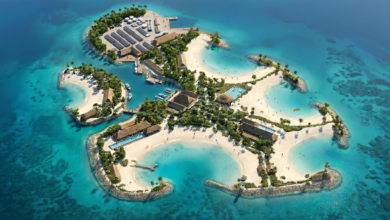
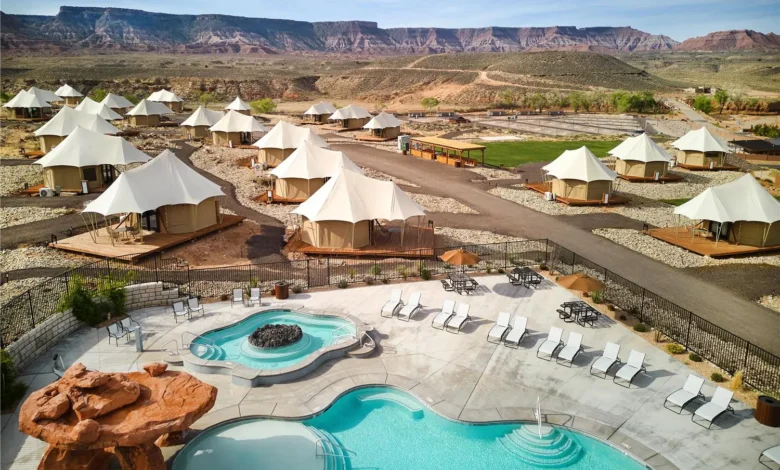
The debut of Backdrop by WorldHotels features a diverse inaugural collection of properties, including a resort located near the iconic Zion National Park in Utah, a series of river cabins in the artistic hub of Asheville, North Carolina, and an eco-lodge specializing in fine dining in Honduras. This geographic diversity underscores the brand’s intent to scale globally and appeal to various segments of the luxury outdoor market, from domestic American road-trippers to international eco-tourists.
The Strategic Evolution of WorldHotels
The launch of Backdrop is more than just a brand extension; it is a key component of a broader recovery and expansion strategy for WorldHotels. BWH Hotels acquired WorldHotels in early 2019, shortly before the COVID-19 pandemic severely disrupted the global travel industry. At the time of the acquisition, WorldHotels was positioned as a collection of independent, high-end hotels that allowed property owners to maintain their unique identities while leveraging the scale of a global parent company.
During the pandemic, the luxury and independent hotel sectors were particularly hard-hit due to their reliance on international business travel and high-end tourism. As a result, the WorldHotels portfolio saw a reduction in its total property count. Ron Pohl, President of WorldHotels and International Operations for BWH Hotels, indicated that the current market climate presents an ideal opportunity to rebuild the portfolio by tapping into the "soft-brand" structure.
A soft brand allows independent properties to retain their original names, aesthetics, and management styles while gaining access to BWH Hotels’ robust infrastructure. This includes a global reservation system, a massive purchasing power network that lowers operating costs, and the Best Western Rewards loyalty program, which boasts millions of active members worldwide. For owners of unique glamping sites and outdoor resorts, this partnership provides a level of visibility and operational support that is often difficult to achieve as a standalone entity.
Defining the "Backdrop" Philosophy
The naming of the brand—Backdrop—is intended to reflect the philosophy that the destination and the natural environment should be the primary focus of the guest experience, with the accommodations serving as the "backdrop" to those memories. Ron Pohl emphasized that the glamping segment is inherently resistant to the "cookie-cutter" approach common in traditional midscale and upscale hospitality.
"No one that’s running a glamping operation wants a cookie-cutter type approach, and neither do guests," Pohl stated. He noted that the flexibility of the WorldHotels framework is uniquely suited to the outdoor segment, where no two properties are alike. Whether a property consists of luxury tents, A-frame cabins, or sophisticated eco-lodges, the Backdrop brand allows for architectural diversity while ensuring that service standards remain consistently high.
This strategy aligns with current consumer trends. Post-pandemic travelers have shown a marked preference for "isolated luxury"—experiences that offer social distancing by design, fresh air, and access to outdoor recreation, provided those experiences are accompanied by high-quality linens, climate control, and gourmet culinary options.
The Global Glamping Market: Data and Trends
The decision by BWH Hotels to enter the outdoor space is supported by significant market data. According to various industry reports, the global glamping market was valued at approximately $3 billion in 2023 and is projected to grow at a compound annual growth rate (CAGR) of over 10% through 2030. This growth is driven by a shift in millennial and Gen Z travel preferences, as these cohorts increasingly prioritize "experiences" over material luxury.
In the United States alone, the 2023 North American Camping & Outdoor Hospitality Report noted that glamping saw a 10% increase in participation year-over-year. Furthermore, the report highlighted that nearly half of all campers expressed an interest in trying a glamping experience in the near future. By positioning Backdrop under the WorldHotels umbrella, BWH Hotels is targeting the "luxury" tier of this market, where guests are willing to pay daily rates comparable to or higher than traditional five-star urban hotels.
The integration of these properties into a global loyalty program is a particularly strong competitive advantage. Data from the American Hotel & Lodging Association (AHLA) suggests that loyalty members are more likely to book direct and spend more per stay than non-members. For an independent river cabin in Asheville or an eco-lodge in Honduras, being part of a system that allows guests to earn and redeem points provides a significant boost in customer acquisition.
Chronology of BWH Hotels’ Expansion
To understand the significance of Backdrop, one must look at the timeline of BWH Hotels’ transformation over the last decade. Historically known as a non-profit association of independent hotel owners, Best Western rebranded as BWH Hotel Group (now BWH Hotels) to reflect its evolution into a modern, multi-brand global enterprise.
- 2016: The launch of SureStay Hotel Group allowed the company to enter the economy segment with a white-label approach.
- 2017-2018: The introduction of lifestyle brands like Aiden and GLō targeted younger, design-conscious travelers.
- 2019: The acquisition of WorldHotels marked the company’s serious entry into the upper-upscale and luxury segments.
- 2020-2022: The company focused on supporting franchisees through the pandemic while streamlining its digital booking platforms.
- 2023: WorldHotels began a renewed push for global expansion, adding several high-profile properties in Europe and Asia.
- 2024: The launch of Backdrop by WorldHotels signals the company’s first major foray into the alternative accommodations and outdoor hospitality market.
Competitive Landscape and Industry Reactions
BWH Hotels is not the only major player eyeing the outdoors. The hospitality industry as a whole is currently undergoing a "great outdoors" expansion. Hilton recently announced a partnership with AutoCamp to offer luxury Airstream and cabin experiences through its booking channels. Similarly, Marriott has expanded its Tribute Portfolio to include more resort-style, nature-centric properties, and Hyatt has collaborated with Under Canvas to integrate outdoor stays into its World of Hyatt program.
However, industry analysts suggest that BWH’s approach with Backdrop may offer more flexibility for owners. Because WorldHotels is designed as a soft brand, it imposes fewer "brand standards" regarding physical construction than a traditional franchise would. This allows Backdrop to attract existing, high-performing independent glamping sites that would otherwise be reluctant to join a major chain for fear of losing their unique charm.
Initial reactions from the investment community have been cautiously optimistic. Analysts note that while the outdoor segment is lucrative, it also carries unique risks, including seasonal demand fluctuations and higher maintenance costs due to environmental exposure. By focusing on the "upscale" end of the market, BWH Hotels is betting that the higher margins associated with luxury glamping will offset these operational challenges.
Implications for the Future of Hospitality
The launch of Backdrop by WorldHotels is a clear indicator that the boundaries between traditional hospitality and alternative accommodations are blurring. As major hotel groups continue to diversify their portfolios, the "one-size-fits-all" hotel model is being replaced by a fragmented, niche-focused strategy.
For BWH Hotels, Backdrop serves two purposes: it fills a gap in their existing 19-brand portfolio and serves as a tool for international growth. The inclusion of a property in Honduras in the initial launch phase is particularly telling. It suggests that BWH sees Backdrop as a vehicle for expansion into emerging markets where traditional hotel development may be slow or ecologically sensitive, but where eco-tourism and glamping are thriving.
Furthermore, the emphasis on sustainability within the Backdrop brand—exemplified by the eco-lodge in Honduras—aligns with the growing demand for Environmental, Social, and Governance (ESG) compliance in the travel industry. Modern travelers are increasingly scrutinizing the environmental footprint of their stays, and Backdrop’s focus on low-impact, nature-integrated accommodations positions BWH Hotels to capture this "conscious traveler" demographic.
As Backdrop by WorldHotels begins its rollout, the industry will be watching closely to see how effectively BWH can scale a segment that thrives on individuality. If successful, Backdrop could set a new standard for how global hotel giants interact with the great outdoors, proving that luxury and nature are not mutually exclusive, but rather complementary components of the modern travel experience. For now, the debut of properties in Utah, North Carolina, and Honduras marks the beginning of a new chapter for one of the world’s most recognizable hotel families.