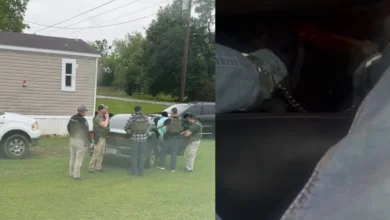
Federal Agents Face Multi-Million Dollar Tort Claims Following Alleged Brutality During Military-Style Raid on Chicago Apartment Complex

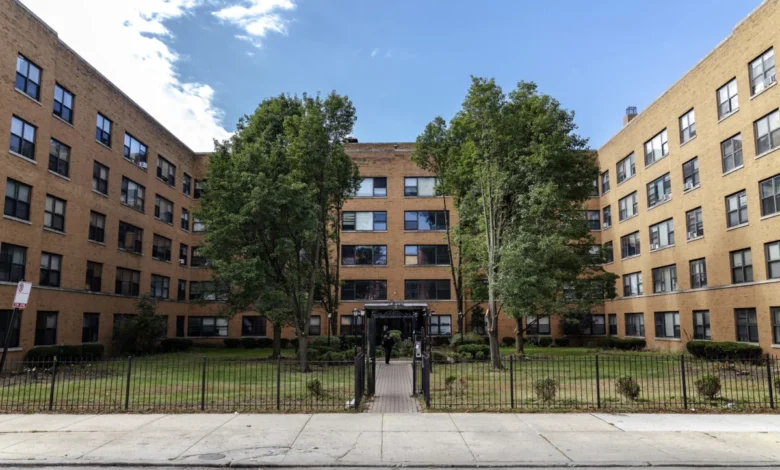
On a Tuesday that marks a significant escalation in a legal battle over federal law enforcement tactics, 17 residents of a Chicago apartment complex filed administrative claims against the U.S. Department of Homeland Security (DHS) and several other federal agencies. The claims, which seek approximately $5 million each in damages, provide a harrowing and detailed account of a September 30 military-style raid in the city’s South Shore neighborhood. The operation, characterized by the use of Black Hawk helicopters, flash grenades, and hundreds of heavily armed agents, was a centerpiece of the Trump administration’s intensified immigration enforcement efforts in Chicago. However, the new filings allege that the operation was defined not by criminal discovery, but by "brutal detention," physical assault, and systemic violations of constitutional rights.
The administrative claims serve as the first formal step under the Federal Tort Claims Act (FTCA) to hold the federal government accountable for the actions of its agents. The claimants—comprising 15 immigrants and two U.S. citizens—allege that federal agents entered their homes without warrants, utilized excessive force, and subjected families, including young children, to profound psychological trauma. Among the agencies named in the claims are DHS, U.S. Customs and Border Protection (CBP), U.S. Border Patrol, U.S. Immigration and Customs Enforcement (ICE), the Federal Bureau of Investigation (FBI), and the Bureau of Alcohol, Tobacco, Firearms and Explosives (ATF).
The Midnight Raid: A Portrait of Aggression
The events of September 30 began under the cover of darkness when approximately 300 federal agents descended upon a five-story, dilapidated apartment complex in South Shore. The operation was presented to the public as a high-stakes mission to dismantle the influence of the Venezuelan gang Tren de Aragua, which the government claimed had seized control of the building. Federal officials asserted at the time that the premises were a hub for illegal firearms, narcotics, and explosives.
However, the accounts from the residents tell a story of a chaotic and indiscriminate assault. Tolulope Akinsulie, a 42-year-old Nigerian national living in Unit 215, was jolted awake by a thunderous boom. Before he could orient himself, heavily armed agents stormed his bedroom. According to his claim, a large canine unit was released on him without provocation. The dog sank its teeth into Akinsulie’s right ankle, dragging him to the floor. As he screamed in agony, the animal continued to tear at his flesh, inflicting deep wounds on his thighs, hip, and wrist. Akinsulie, who has no criminal record and has lived in Chicago since 2007, now bears permanent scars and suffers from chronic pain that prevents him from playing soccer or standing for extended periods.
Elsewhere in the building, a Venezuelan mother and her 16-year-old son were forced from their apartment at gunpoint. They reported witnessing agents striking a man with a rifle butt and kicking another individual who was already restrained on the floor. The teenage boy, overwhelmed by the violence, began to hyperventilate. Despite DHS’s subsequent claims that no children were restrained, the boy’s claim asserts that both he and his mother were zip-tied and detained outside the building.
Justification vs. Reality: The Missing Criminal Charges
The Trump administration repeatedly defended the South Shore raid as a necessary measure to protect the public from "dangerous criminal illegal aliens." The narrative centered on the alleged presence of Tren de Aragua, a transnational criminal organization. Yet, in the months following the operation, the government’s justification has come under intense scrutiny.

ProPublica investigations and legal filings reveal a stark disparity between the government’s rhetoric and the results of the raid. To date, federal prosecutors have not filed a single criminal charge related to gangs, drugs, or weapons against any of the 37 individuals detained that night. Instead, the operation resulted in the administrative detention and deportation of residents who, like José Miguel Jiménez López, were working members of the community with no ties to organized crime.
Jiménez López, a 42-year-old welder from Mexico, lived on the fifth floor of the complex. During the raid, agents allegedly zip-tied his hands, mocked his presence in the United States, and destroyed his City of Chicago identification card in front of him. He was subsequently shuffled through detention centers in three states before being deported to Mexico in February. His claim highlights not only the initial trauma of the raid but also the "sub-human" treatment he received in federal custody, where he alleges he was denied adequate food, water, and medical care.
A Chronology of the South Shore Operation and Legal Aftermath
The timeline of the South Shore incident reflects a rapid escalation followed by a long, arduous legal struggle for the affected residents:
- Late September: Federal agencies coordinate on "intelligence" suggesting a gang takeover of the South Shore apartment complex.
- September 23: One week prior to the main raid, a resident is detained outside the building, marking the beginning of increased federal surveillance.
- September 30: The midnight raid occurs. 300 agents, helicopters, and tactical gear are deployed. Dozens are detained, and property is seized or destroyed.
- October – January: Detainees are processed through various ICE facilities. Families are separated, and several residents are deported without the opportunity to challenge the legality of their arrests.
- Late Autumn: A local judge orders the apartment building closed due to safety and code violations, forcing U.S. citizen residents, many on public housing assistance, into homelessness or emergency relocation.
- February – March: Several detainees, including Akinsulie, are released after the government concedes that their arrests were likely unlawful.
- The Following Tuesday: 18 total administrative claims (17 from the raid, one from the week prior) are filed against federal agencies, seeking $5 million each in damages.
Official Responses and the Defense of Law Enforcement
In response to the filing of these claims, a spokesperson for the Department of Homeland Security maintained that the operation was conducted in "full compliance of the law." The department’s stance is that the measures taken were constitutional and necessary to uphold the rule of law. DHS officials have characterized the allegations of misconduct, particularly the restraining of minors, as "abject lies."
Regarding the injuries sustained by Akinsulie, federal agents have previously claimed in unrelated court documents that they issued verbal warnings before entering his unit. They alleged that Akinsulie appeared to be attempting to evade arrest. Akinsulie denies this, stating he was in a deep sleep and heard neither warnings nor the barking of a dog before he was attacked.
The DHS spokesperson further emphasized that the safety and well-being of detainees are a priority, asserting that those in custody receive nutritious meals and medical care. This stands in direct contradiction to the claims filed by Jiménez López and others, who described "brutal" conditions and a lack of basic dignity.
Broad Implications and the Quest for Accountability
The legal challenge brought by the South Shore residents is being supported by a coalition of civil rights organizations, including the Mexican American Legal Defense and Educational Fund (MALDEF), the National Immigrant Justice Center (NIJC), the Immigrants’ Rights Clinic at the University of Chicago, and the MacArthur Justice Center. These organizations argue that the raid represents a dangerous overreach of federal power and a violation of the Fourth Amendment’s protection against unreasonable searches and seizures.

"There is no amount of damages that will compensate our clients for the trauma they experienced that night," said Susana Sandoval Vargas, Midwest regional counsel for MALDEF. "It is about holding the federal government accountable for their unlawful actions."
The use of the Federal Tort Claims Act is a strategic move. The act allows individuals to seek compensation for personal injury or property loss caused by the negligent or wrongful act of a federal employee. If the government agencies do not respond or settle the claims within six months, the claimants are then eligible to file formal lawsuits in federal court.
Legal experts suggest that this case could serve as a critical check on aggressive immigration enforcement tactics. Mark Fleming, an attorney with the NIJC, noted that these claims are part of a broader trend of holding the government accountable for "reckless" enforcement. Similar claims have emerged across the country, involving incidents such as the shackling of a pregnant woman in California and the tackling of a veteran in Oregon.
The Human Cost of High-Intensity Policing
Beyond the legal and political debates, the South Shore raid has left a lasting scar on the community. The displacement of families and the loss of personal property—ranging from smartphones and mattresses to thousands of dollars in cash—have left many residents in financial ruin. For those who remain in Chicago, the psychological toll is evident in the form of night terrors, panic attacks, and a profound distrust of law enforcement.
For Tolulope Akinsulie, the goal of the legal filing is simple: to ensure that the law applies to those who enforce it. "There was no reason to do me like that," he said, reflecting on the night his life was permanently altered. "Everybody can get a check and balance. People have to learn how to act right."
As the six-month window for the government’s response begins, the eyes of civil rights advocates and federal oversight bodies remain fixed on Chicago. The resolution of these claims will likely set a precedent for how much latitude federal agents are afforded in high-intensity urban operations and whether the "intelligence" used to justify such raids must meet a higher standard of evidence.