England Injury Crisis Deepens Ahead of Japan Clash as Key Players Ruled Out of Nations Championship Campaign

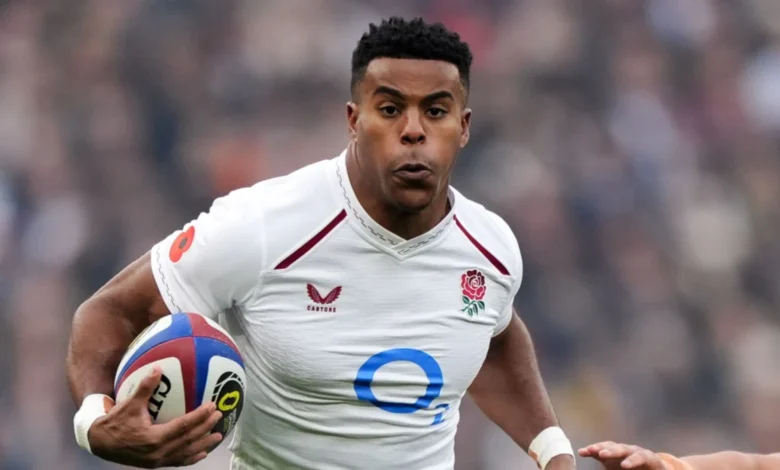
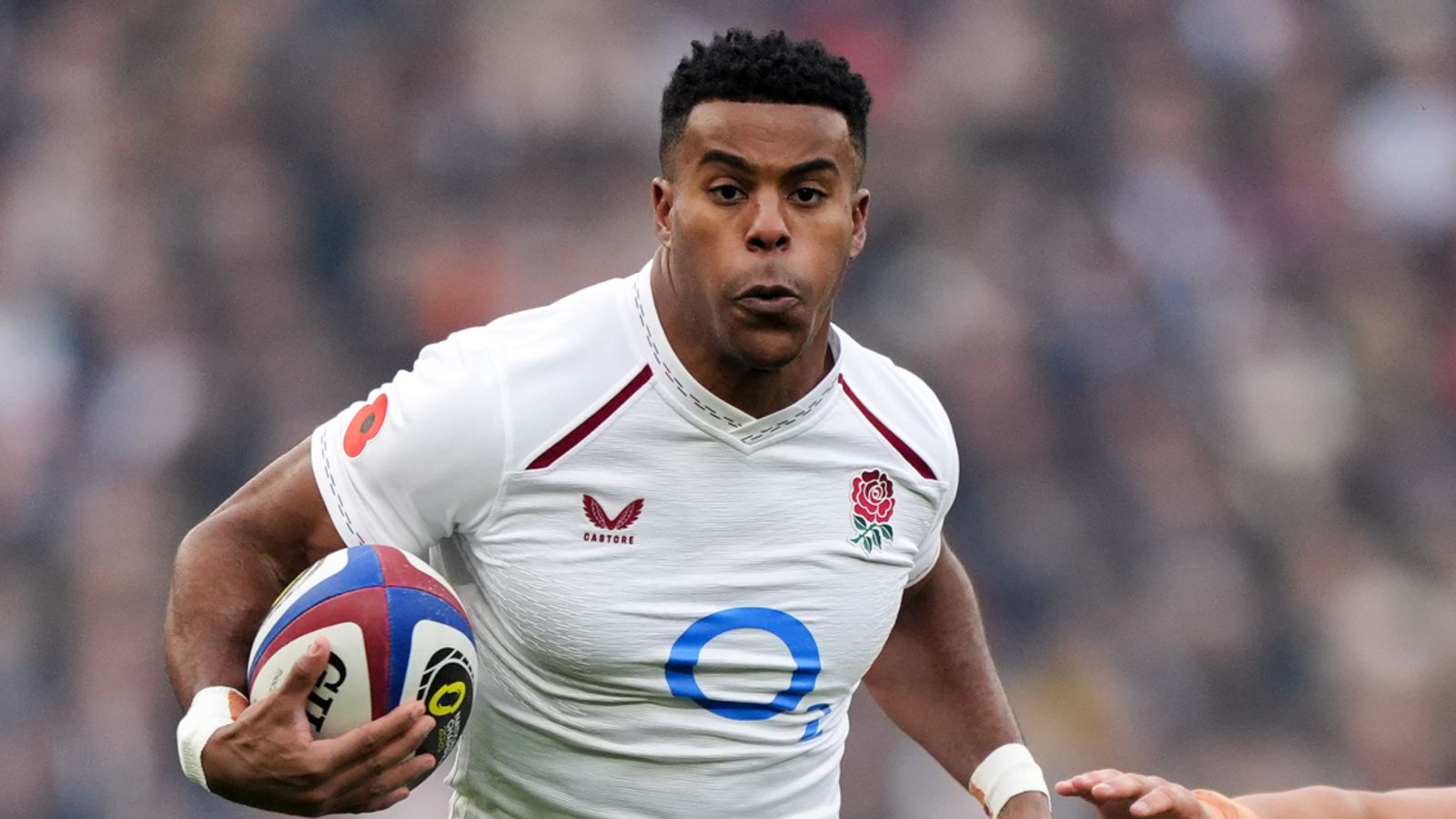
England’s preparations for their upcoming Nations Championship fixture against Japan have been significantly disrupted following confirmation that Immanuel Feyi-Waboso and Tom Curry have been ruled out for the remainder of the campaign. The medical bulletin, released at the team’s Pennyhill Park training base, paints a challenging picture for head coach Steve Borthwick, who must now navigate a depleted roster while maintaining the momentum gained from their recent victory over Australia.
The loss of Feyi-Waboso and Curry is compounded by a wave of further physical setbacks. Midfielder Seb Atkinson, who was forced off during the second half of the 45-22 triumph over the Wallabies at Twickenham, has been sidelined with a hip injury. He joins Ollie Chessum, struggling with a shoulder complaint, and George Furbank, currently nursing a groin issue, on the list of absentees for the Japanese encounter. While the England camp has expressed cautious optimism regarding the availability of the latter three for the marquee clash against New Zealand on November 21, the immediate focus remains on managing a squad stretched thin by the rigors of the current international window.
A Chronology of Physical Setbacks
The attrition rate within the England camp reached a critical juncture during the high-intensity clash with Australia. Immanuel Feyi-Waboso’s injury was the most concerning sight for the home crowd. The Exeter Chiefs winger suffered a significant right-ankle injury in the first half following a controversial "hip-drop" tackle by Wallabies prop Angus Bell. The incident, which necessitated an immediate substitution, resulted in Bell being sent to the sin bin. Henry Pollock, thrust into the fray as his replacement, delivered an inspired performance, crossing the line twice to secure a vital win for the hosts.
Tom Curry’s absence, while not occurring during the match, was equally disruptive. The Sale Sharks flanker sustained a hip injury during a training session last week. Despite his absence from the team sheet, the back row performed admirably, led by his brother, Ben Curry. However, Borthwick indicated that Ben is unlikely to start against Japan, necessitating further reshuffling of the forward pack. The arrival of Jack Kenningham and Max Hicks into the squad as cover for Ben Curry and Chessum signals the urgency with which the coaching staff is seeking to reinforce the pack’s depth.
Tactical Implications and Squad Depth
The personnel crisis forces Borthwick to reconsider his tactical blueprint for the Japan match. In the backline, the vacancy left by Feyi-Waboso on the wing creates a significant opening. Saracens flyers Noah Caluori and Tobias Elliott have emerged as the primary contenders to fill the void. Caluori, who earned his second cap during the July series against Fiji, is viewed as a high-potential asset, while Elliott provides a dynamic alternative on the flank.
Furthermore, the midfield presents a conundrum for the coaching staff. With Seb Atkinson sidelined, Fraser Dingwall and Max Ojomoh are the frontrunners for the No 12 jersey. Their ability to manage the defensive line and provide a link between the playmakers will be crucial against a Japanese side known for its high-tempo attacking style. At the back, the likely inclusion of Freddie Steward at full-back, should Furbank remain unavailable, provides an aerial safety net and a reliable kicking option, allowing Marcus Smith to potentially transition into a utility role from the bench.
Data-Driven Outlook and Performance Metrics
England’s 45-22 victory over Australia served as a powerful statement of intent, but the underlying data suggests the team remains in a state of evolution. The victory saw England dominate in the set-piece and capitalize on defensive lapses from the visitors, yet the high injury rate remains a persistent concern for the High Performance Department.
When examining the squad’s performance metrics across the Nations Championship, the reliance on core personnel has been evident. With the injury list growing, the reliance on the "next man up" philosophy has never been more pertinent. The addition of Archie McParland—who returns to the fold following a calf injury—is a timely boost, providing necessary competition for the scrum-half position and general back-line utility.
For Steve Borthwick, the challenge is not merely tactical but also psychological. Following the win at Twickenham, senior figures such as Maro Itoje have publicly backed the head coach, citing the resilience of the squad and the clarity of the game plan. Maintaining this internal harmony while integrating new or returning players is vital if England is to sustain its performance levels through to the New Zealand match.
Official Responses and Internal Sentiment
In the aftermath of the Australia game, Borthwick was effusive in his praise for the younger members of his squad. The impact of Henry Pollock, in particular, was highlighted as a beacon of the team’s depth. "The way the group responded to the adversity of the injury to Immanuel [Feyi-Waboso] was exemplary," a team spokesperson noted during Monday’s media briefing.
However, the tone remains measured. The internal focus is on the return-to-play protocols for the injured trio of Atkinson, Chessum, and Furbank. The medical staff is working in cycles, aiming to ensure that the three players are not rushed back, thereby avoiding potential long-term complications. The decision to rule out Feyi-Waboso and Curry for the remainder of the campaign suggests that the medical assessments have identified injuries requiring substantial recovery time, potentially ruling them out of the remainder of the calendar year’s competitive fixtures.
Broader Context: The Nations Championship Landscape
The Nations Championship serves as a critical proving ground for England as they refine their strategy ahead of future World Cup cycles. The intensity of these matches, characterized by high collision counts and rapid ball turnover, inherently carries a risk of injury. Japan, a team that has historically disrupted Tier 1 nations with their speed and technical precision, poses a distinct threat that requires a fully functional defensive system.
The absence of players like Tom Curry—a workhorse in the defensive breakdown—and Feyi-Waboso, who provides significant gain-line success, forces England to adapt their style. The coaching staff is expected to favor a more pragmatic approach, emphasizing territorial dominance and discipline at the breakdown to stifle the Japanese attack.
Looking Ahead to the New Zealand Fixture
While the immediate objective is to secure a victory over Japan, the long-term strategic planning remains tethered to the November 21 showdown with the All Blacks. The management of player minutes during the upcoming week will be critical. Borthwick is expected to rotate his bench effectively, ensuring that the starting XV for the New Zealand match is as close to full strength as possible.
The inclusion of players such as Fin Baxter, Alex Coles, and Luke Cowan-Dickie in the training squad for the forwards, alongside established names like Jamie George and Ellis Genge, illustrates the balance Borthwick is attempting to strike between experience and necessary rotation. In the backline, the versatility of players like Tommy Freeman and Henry Slade will be leveraged to provide tactical flexibility should further injuries occur.
Ultimately, the depth of the English rugby system is being tested in real-time. Whether this period of attrition serves as a catalyst for new talent to cement their place in the starting lineup or proves to be a significant obstacle to England’s success in the Nations Championship remains to be seen. What is certain is that the coaching staff has pivoted into a defensive-minded selection process, prioritizing reliability and tactical cohesion as they look to navigate the remainder of this demanding international window. The fans at Allianz Stadium will be watching closely to see if the reshuffled squad can maintain the high standards set at Twickenham, keeping England’s championship aspirations firmly on track despite the personnel setbacks.
Related posts: