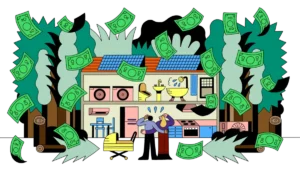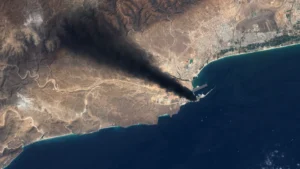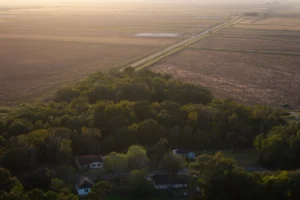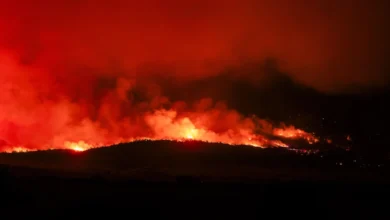
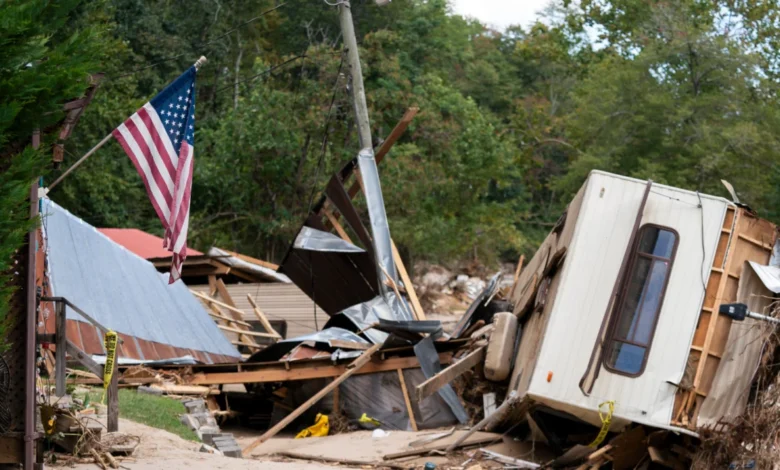
For generations, the American Dream has been anchored to a singular, tangible achievement: the acquisition of a single-family home. This vision, characterized by a white picket fence, a patch of lawn, and the promise of intergenerational wealth, has long served as the bedrock of the middle-class experience. However, a compounding series of environmental disasters, escalating insurance premiums, and shifting economic realities are forcing a fundamental reassessment of whether homeownership remains a viable vehicle for prosperity or if it has evolved into a precarious financial trap.
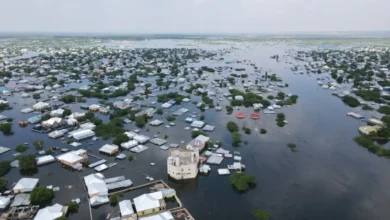
The experience of Sierra Isley, a 26-year-old resident of Asheville, North Carolina, serves as a poignant case study of this shifting landscape. Two years ago, Isley and her partner, Jamie, viewed the purchase of a home as a milestone of adulthood. They were set to close on a property before a legal complication regarding a lien intervened, forcing them into the rental market. One month later, the remnants of Hurricane Helene struck Western North Carolina. The storm, which delivered nearly 14 inches of rain to the region over three days in September 2024, transformed the area into a disaster zone. The home they nearly purchased sat in the path of the deluge, while their rental unit suffered significant flooding. For Isley, the near-miss was a realization that the traditional path to stability is increasingly vulnerable to forces beyond an individual’s control.
A Chronology of Declining Security
The intersection of climate risk and the housing market has accelerated rapidly over the last decade. Historically, the American housing market operated on the assumption of predictable weather patterns. That model began to fracture in the early 2010s as major events like Superstorm Sandy in 2012 exposed the fragility of coastal real estate.
By the mid-2020s, the "climate haven" narrative—the belief that certain inland or mountainous regions were immune to the impacts of a warming planet—was systematically dismantled. The 2024 Hurricane Helene event underscored this, causing over $9.5 billion in uninsured residential property losses in North Carolina alone. Data from the Richmond Federal Reserve indicates that home values in the hardest-hit counties of Western North Carolina have declined, bucking national trends. While the average national home price rose by 1.2 percent over the past year, Asheville saw a 5 percent contraction, illustrating the immediate economic impact of environmental degradation on local tax bases and individual net worth.

The Financial Architecture of Risk
The economic implications of these disasters extend far beyond immediate physical destruction. A 2023 study published in Nature Climate Change revealed that properties within high-risk flood zones are currently overvalued by between $121 billion and $237 billion. This disconnect between market price and actual environmental risk creates a "hidden" financial bubble. As awareness of these risks grows, a market correction appears inevitable. The firm First Street has projected that climate-related risks could strip nearly $1.5 trillion from the aggregate value of American homes by 2055.
This devaluation is occurring in tandem with a crisis in the insurance sector. Property insurance premiums have surged nearly 80 percent since 2020. This cost escalation is not merely a reflection of increased disaster frequency; experts argue it is also a result of "climate opportunism," where insurers use the instability of the climate to justify aggressive rate hikes and service withdrawals. In states like California, the insurance market has reached a state of near-dysfunction, with many providers exiting the market entirely, leaving homeowners with few options other than expensive, state-backed insurance pools.
The Role of Policy and Industry Narratives
The political discourse surrounding this issue remains heavily polarized. For decades, the fossil fuel industry and its political allies have framed environmental regulations as existential threats to the "American way of life." By tying fossil fuel consumption directly to the realization of the American Dream, these entities have successfully positioned climate action as an adversarial force against the average homeowner’s interests.
Recent federal actions, including the reversal of vehicle emissions standards and the curtailment of EPA regulatory authority, have been marketed by proponents as measures to "restore the American Dream." However, this narrative ignores the mounting costs of inaction. As greenhouse gas emissions continue to drive global temperatures upward, the frequency and intensity of extreme weather events are increasingly undermining the very assets these policies claim to protect. The contradiction is clear: by prioritizing short-term industrial deregulation, the long-term viability of the housing market is being sacrificed.
Redefining Success in the 21st Century
The sociological shift in how younger generations view homeownership suggests that the traditional model is losing its cultural cachet. Ipsos polling data from 2025 highlights a stark generational divide: while 46 percent of baby boomers view homeownership as the primary indicator of the American Dream, only 13 percent of Gen Zers share this sentiment. This is not necessarily a rejection of stability, but rather a pragmatic adaptation to a world where a single structure can no longer be relied upon as the primary store of family wealth.

For individuals like Isley, the response to this crisis has been a pivot toward community resilience and professional redirection. After surviving the aftermath of Hurricane Helene—characterized by a lack of basic infrastructure, limited communication, and a total reliance on neighbor-to-neighbor support—Isley is now pursuing a master’s degree in public health. Her experience reflects a growing trend: as the illusion of personal, independent security fades, there is a renewed emphasis on collective emergency preparedness and public-sector engagement.
The Outlook for Property Markets
The future of the American housing market hinges on whether the nation chooses to address the underlying causes of climate instability or continues to focus on mitigation after the fact. Sociologists like Rebecca Elliott have noted that the current trajectory risks creating "economically worthless" assets, where homes lose their market value long before they become physically uninhabitable.
If the American Dream is to persist, it may require a fundamental restructuring of how we value property. This could involve:
- Infrastructure Investment: Moving beyond individual home fortification toward community-scale climate resilience projects.
- Market Transparency: Ensuring that property values accurately reflect environmental risk, preventing the "trapping" of homeowners in high-risk areas.
- Social Safety Nets: Decoupling the concept of wealth-building from homeownership to protect citizens from localized climate disasters.
The transition is already underway, though it is currently marked by trauma rather than strategic planning. As communities like Asheville continue to recover, the conversation is shifting from "how do we rebuild what we lost" to "how do we live in a way that respects the new environmental reality." The era of the "oil-soaked" American Dream, characterized by unfettered expansion and the externalization of environmental costs, is closing. In its place, a more cautious, community-oriented, and climate-aware definition of prosperity is beginning to emerge, born out of the necessity to survive in an increasingly volatile world.