The act of gift-giving during the holiday season has evolved significantly in 2026, shifting away from generic mass-market items toward a curated focus on longevity, artisanal craftsmanship, and personal wellness. As consumer spending patterns shift, data from retail analysts indicates that shoppers are prioritizing high-utility goods that integrate seamlessly into daily routines. This year’s gift-giving landscape for sisters and close female friends reflects a synthesis of self-care, sustainable design, and the "quiet luxury" movement, which emphasizes quality over quantity.

The Shift Toward Intentional Gifting
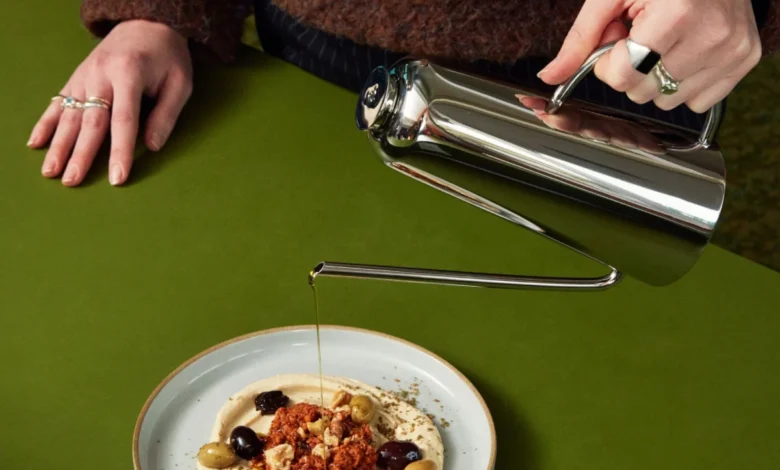
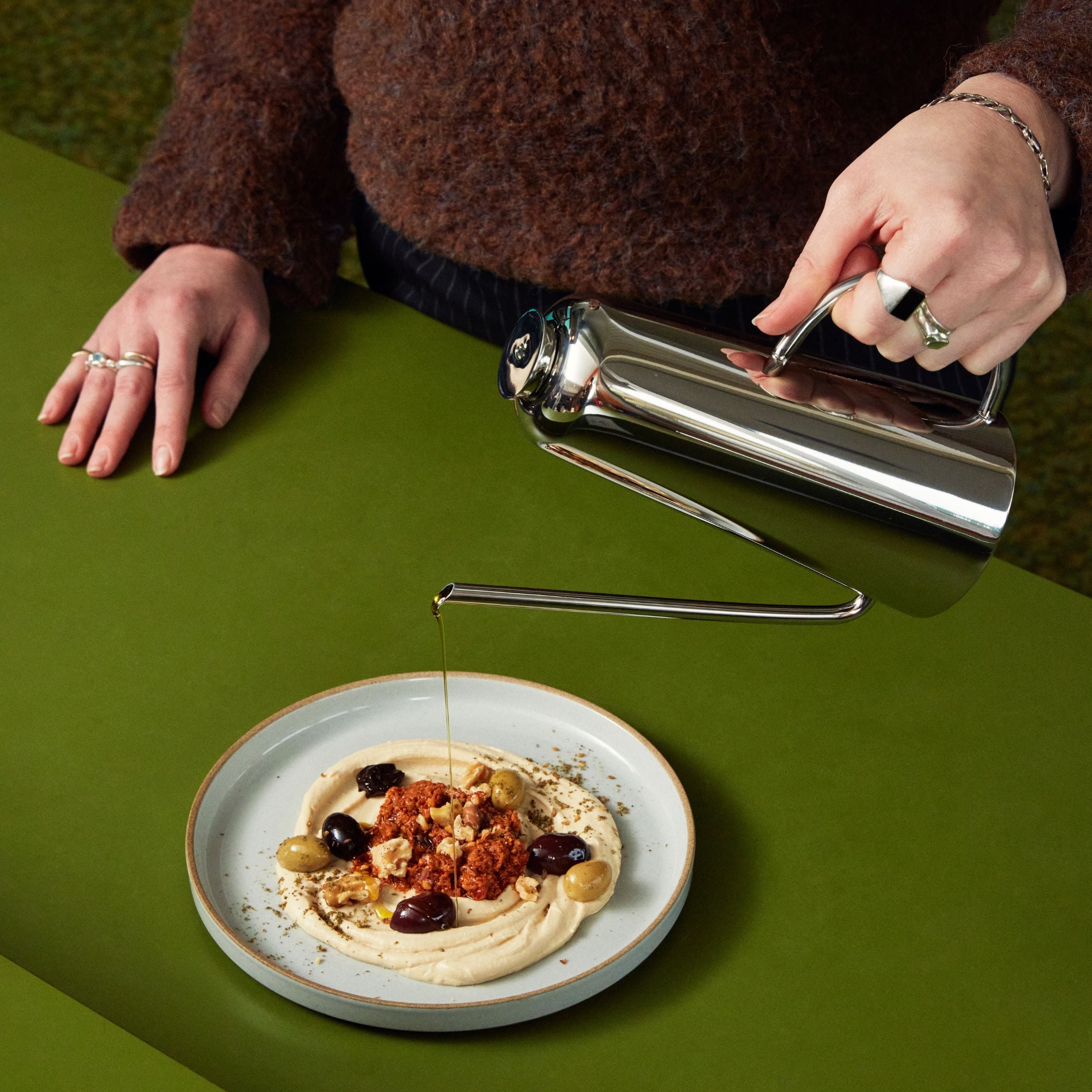
Market research conducted throughout the third and fourth quarters of 2026 suggests that the average consumer is increasingly wary of disposable goods. Instead, there is a clear trend toward products that serve a specific, long-term purpose. For instance, the demand for high-quality kitchenware—such as the artisanal, dripless olive oil cans produced by independent studios—has seen a measurable uptick. This aligns with broader economic shifts where consumers favor small-batch, family-owned manufacturers over multinational corporations. By investing in pieces that are both functional and aesthetic, gift-givers are choosing items that contribute to the domestic environment’s longevity.
Wellness and Recovery: The New Baseline
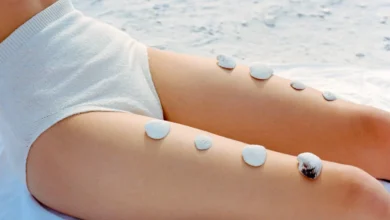
Physical recovery has become a cornerstone of the modern gift-giving ethos. With the rise in popularity of amateur endurance sports and high-intensity interval training, recovery-focused tools are no longer niche products. Massage balls and orthopedic accessories, such as yoga toes, are now staples in wellness-focused gift guides. These items represent a shift in social expectations, where the gift is not just the object itself, but an acknowledgment of the recipient’s physical exertion and the importance of restorative downtime.
Apparel: Focus on Material Integrity
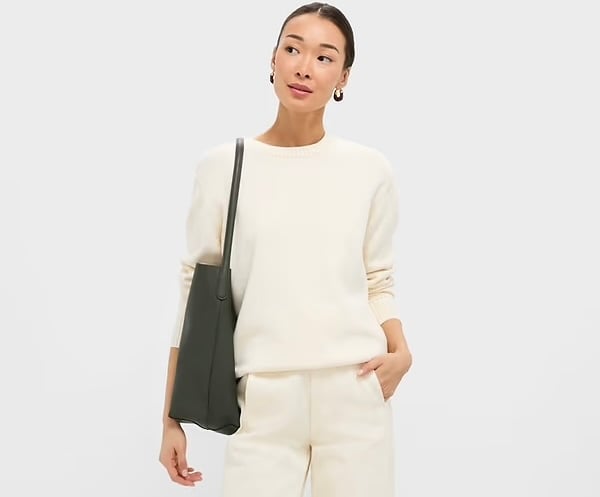
In the clothing sector, the focus for 2026 remains on natural fibers and year-round versatility. The "relaxed cotton sweater" has emerged as the definitive garment of the season, favored for its tactile comfort and its ability to be layered across various climates. Retailers report that consumers are prioritizing modular wardrobes, seeking items that can be styled in multiple ways. Furthermore, the inclusion of vibrant accents—such as high-quality wool scarves or specialized hosiery—allows for personal expression within a minimalist framework. This trend highlights a move away from fast-fashion cycles, encouraging the purchase of one or two foundational pieces rather than a large volume of seasonal attire.
Literary and Intellectual Engagement
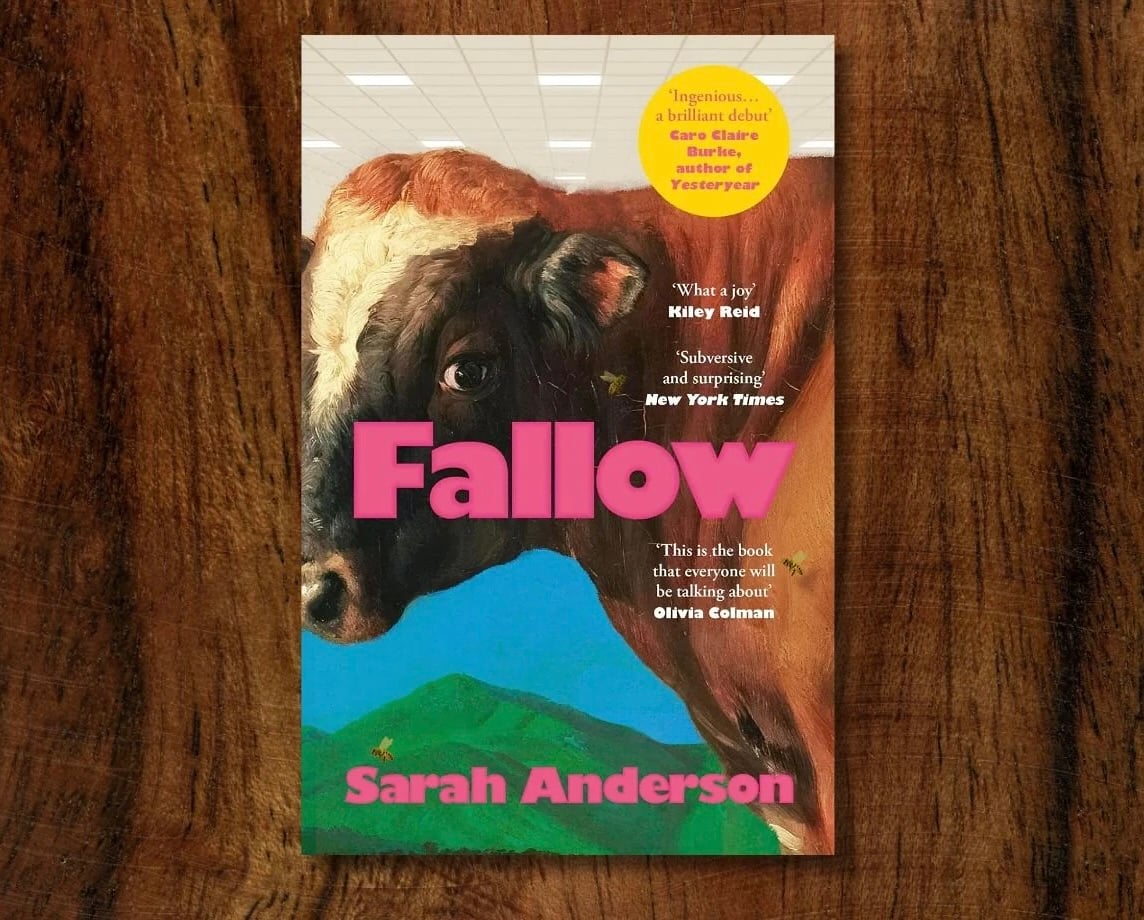
Despite the ubiquity of digital media, physical books remain a top-tier gift category. Titles released in 2026, such as the critically acclaimed Fallow, Mother Mary Comes to Me, and Land, reflect a broader cultural interest in complex, character-driven narratives. Publishers have noted that gifting a book is frequently perceived as an intimate gesture, symbolizing a shared intellectual journey. This year, the practice of subscribing to curated newsletters—such as the Big Salad series—has also gained traction as a gift, offering the recipient ongoing value in the form of design insights, cultural commentary, and long-form writing throughout the calendar year.
Artistic Design and Home Aesthetics
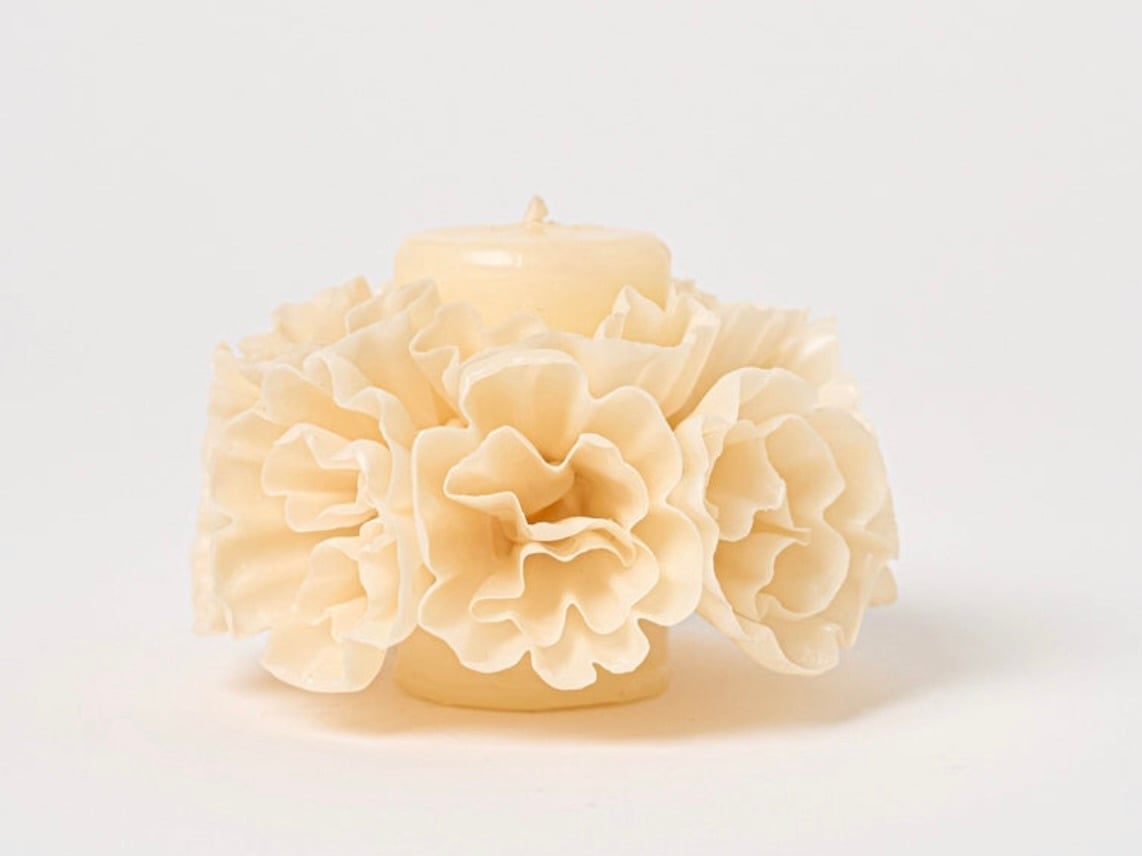
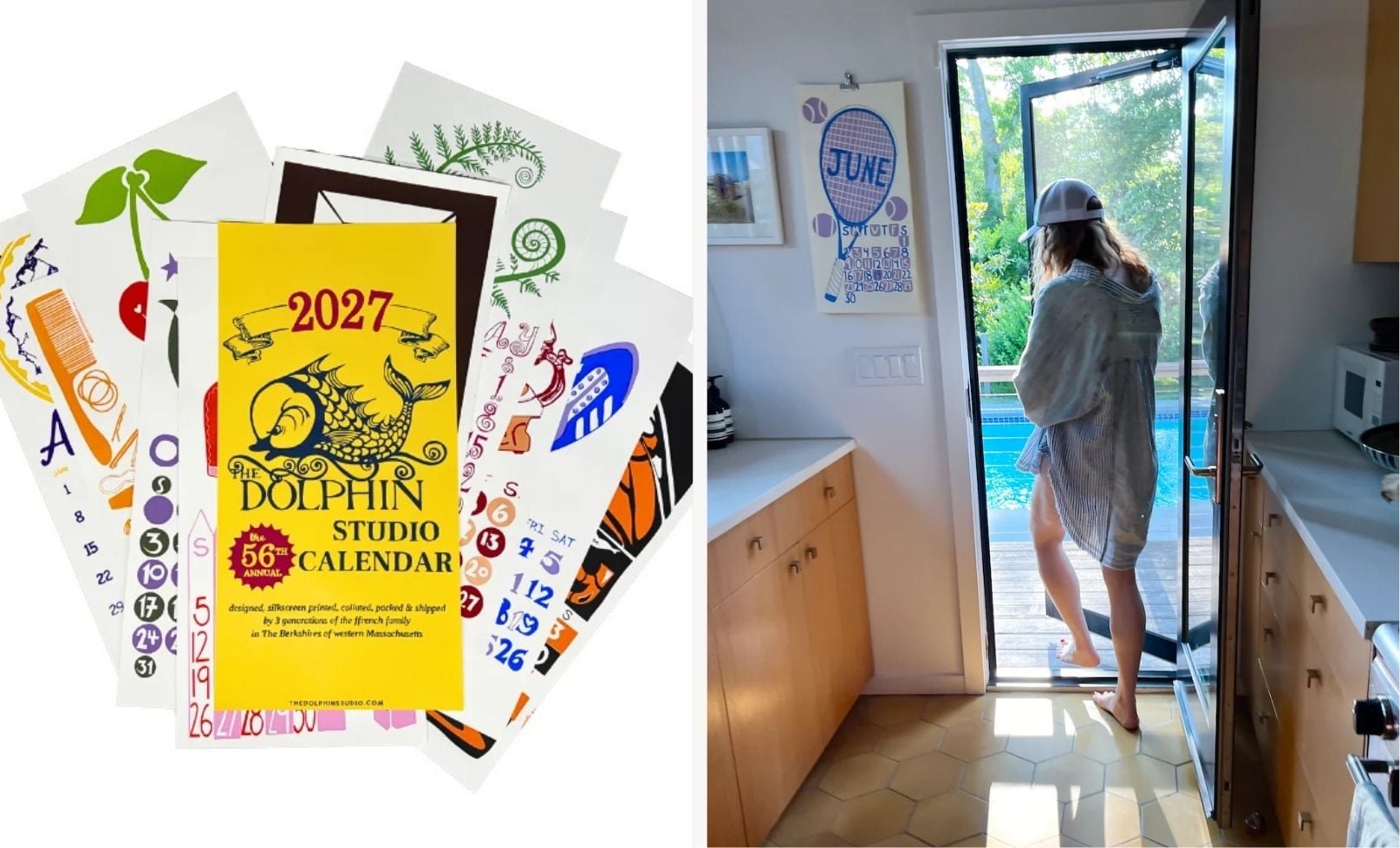
The home goods market has seen a resurgence in sculptural and artisanal lighting and décor. Sculptural beeswax candles, which serve as both functional items and artistic centerpieces, exemplify this trend. These items are frequently sourced from independent artists or small, specialized workshops. The appeal lies in the unique, non-industrial nature of the products, which provide a sense of authenticity that mass-produced home goods often lack. Additionally, the continued popularity of traditional items, such as high-quality silkscreened calendars, points to a desire for tactile organization in an increasingly digital world.
The Evolution of Beauty and Self-Care
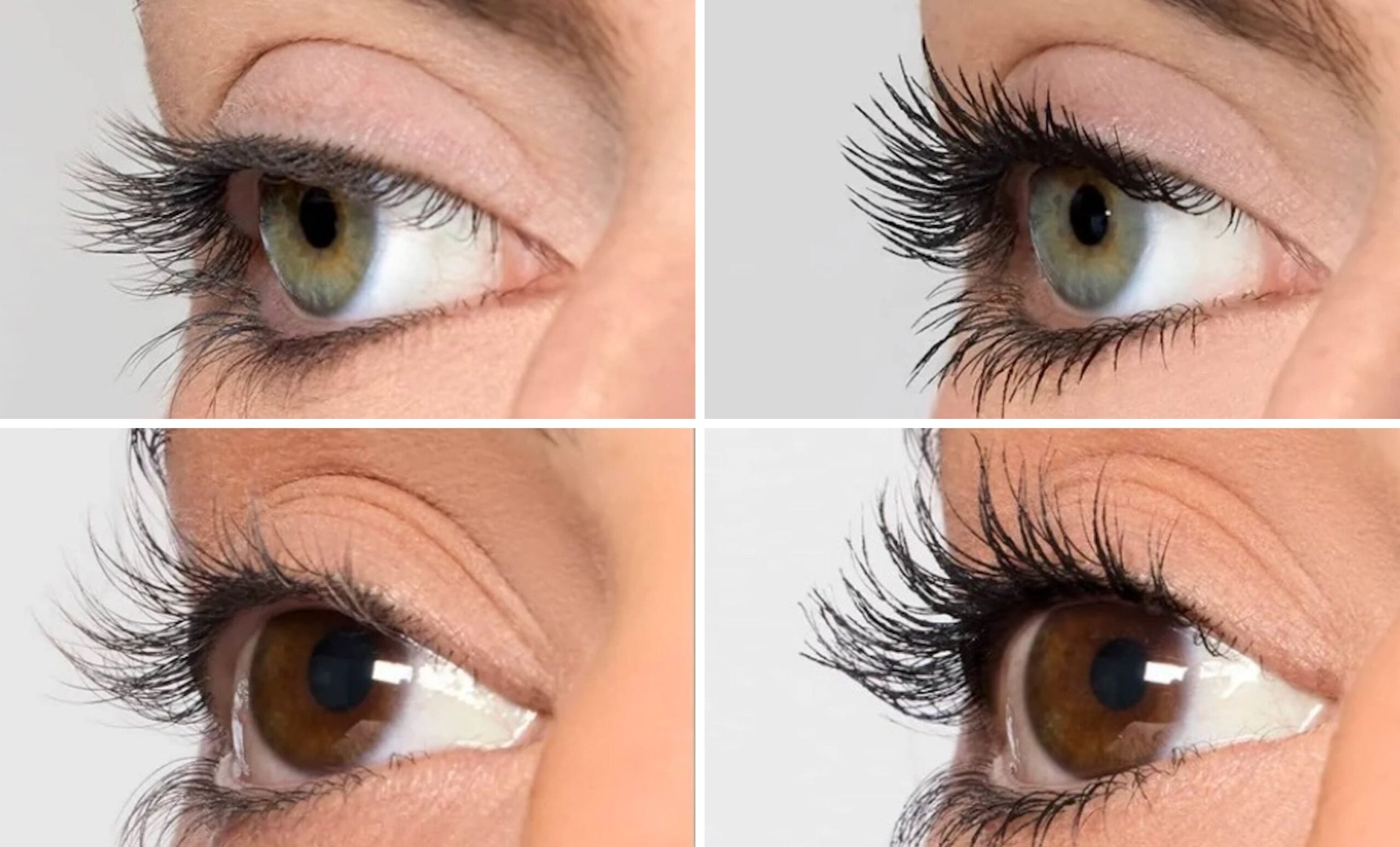
The beauty industry, particularly the high-performance segment, continues to dominate holiday sales. While high-end luxury brands remain popular, the current market shows a preference for "tried-and-true" staples. Mascara and essential daily grooming products are consistently top-sellers. Interestingly, major beauty retailers have pivoted their sales strategies toward massive end-of-year promotions, allowing consumers to access professional-grade products at significantly reduced price points. This accessibility has made luxury self-care more democratic, allowing a wider demographic to participate in high-quality beauty routines.
Charitable Giving as a Gift Form
One of the most notable developments in 2026 gifting is the rise of charitable donations as a primary or supplementary gift. Aligning a gift with the personal values of the recipient—such as a donation to the National Parks Foundation—demonstrates a deeper level of thoughtfulness than a material object alone. This form of "philanthropic gifting" is increasingly common among younger generations who prioritize social impact and environmental stewardship. It serves as a symbolic gesture that honors the recipient’s passions while contributing to the preservation of public assets.
Chronological Trends in Gift-Giving (2023–2026)
An analysis of gift guides from the past four years reveals a clear trajectory in consumer behavior:

- 2023: The focus was on "comfort and connection" following the post-pandemic recovery, with a heavy emphasis on loungewear and home-cooking kits.
- 2024: The market saw a pivot toward "digital-physical hybrids," where physical gifts were often paired with digital memberships or subscriptions.
- 2025: The "experience economy" took center stage, with gift-givers favoring tickets, classes, and shared activities over tangible goods.
- 2026: The current year represents a return to "material excellence," characterized by a synthesis of the previous three years: a focus on quality physical goods that provide long-term, sustainable, and intellectual value.
Broader Implications for Retail
The shift toward these specific categories—wellness, artisanal home goods, sustainable apparel, and charitable giving—has significant implications for retailers. Brands that can demonstrate transparency in their supply chain, a commitment to high-quality materials, and a clear narrative behind their products are outperforming competitors who rely on traditional volume-based marketing.

For the average consumer, the takeaway from the 2026 shopping season is clear: the most effective gifts are those that solve a genuine problem, offer an opportunity for rest, or align with the recipient’s core identity. Whether it is a pair of high-quality undergarments that prioritize comfort or a subscription to a thought-provoking newsletter, the emphasis remains on the "utility of care." As we move into the final weeks of the year, these trends suggest that the thoughtful, deliberate approach to gift-giving will continue to define the market for the foreseeable future.