Uber Expands Into Parking Reservations Across 15 Major U.S. Cities to Consolidate Urban Mobility Services

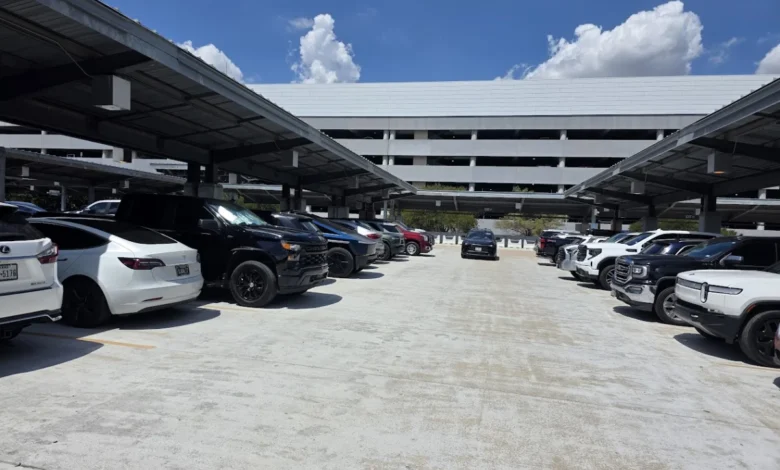
Uber has officially entered the parking reservation market, launching a new feature within its application that allows users to locate, compare, and reserve parking spaces across 15 major U.S. metropolitan areas. This strategic move, which integrates functionality previously associated with the parking aggregator SpotHero, represents a significant shift for the company as it attempts to capture a larger share of the "personal vehicle" travel ecosystem. By allowing users to manage parking directly through the Uber interface, the company is positioning itself as a comprehensive hub for urban transit, bridging the gap between its core ride-hailing services and the needs of drivers who choose to utilize their own vehicles.
The launch, which went live on November 9, includes availability in Atlanta, Austin, Boston, Chicago, Dallas, Denver, Los Angeles, Miami, Nashville, New York City, Philadelphia, San Diego, San Francisco, Seattle, and Washington, D.C. Uber intends to scale this service to additional markets throughout the United States in the coming months.
The Evolution of the Parking Strategy
The groundwork for this launch was established earlier this year when Uber announced its acquisition of SpotHero in February. SpotHero, a long-standing leader in the digital parking space, brought an extensive network of over 13,000 garages, lots, and valet locations across more than 400 cities in North America. While Uber’s initial rollout includes approximately 7,000 of these facilities, the integration allows for a seamless user experience that leverages Uber’s existing payment infrastructure.

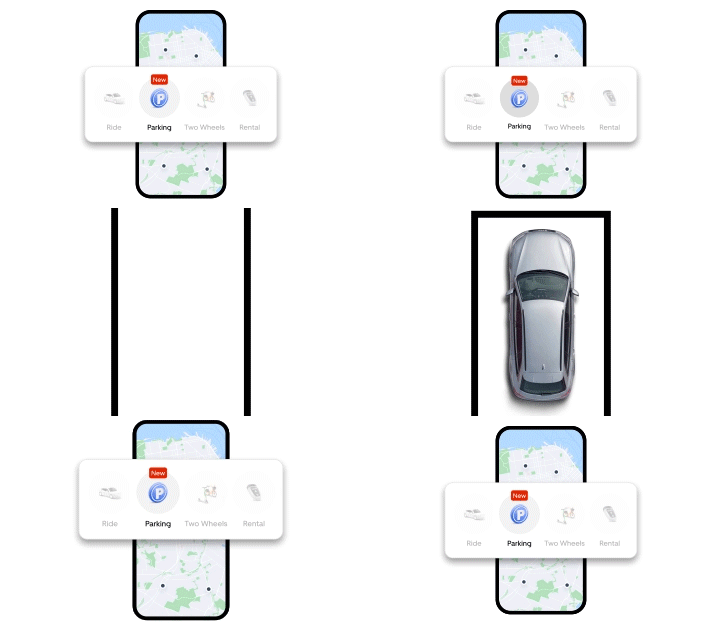
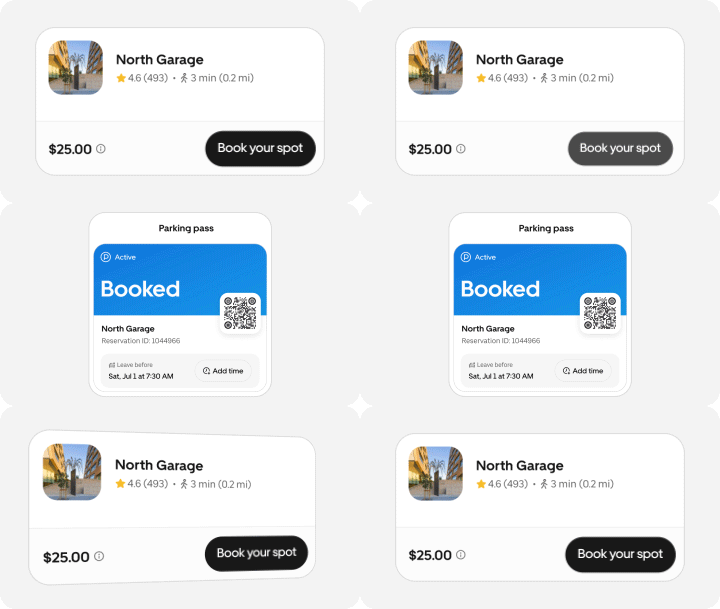
Historically, the process of finding and paying for parking in dense urban environments has been fragmented. Drivers have traditionally navigated a landscape of disparate apps, physical kiosks, and varying garage policies. By centralizing this into the Uber app, the company is betting that the convenience of a single interface will drive adoption. Users simply select the "Parking" option within the app, input their destination and arrival times, and are presented with a map view of available facilities. The platform allows for granular filtering based on preferences such as self-parking versus valet, and whether a facility offers on-site staff.
Financial Incentives and the Uber One Ecosystem
A core component of this rollout is the integration with Uber One, the company’s subscription service. Members are eligible for a 10% rebate in the form of credits on qualifying parking reservations, which applies to the total cost including taxes and fees. These credits are generally applied to the user’s account within 24 hours of the completed reservation.
From a financial planning perspective, the utility of this feature is most pronounced for users who are already entrenched in the Uber ecosystem. With an annual subscription price of $96 (or $9.99 per month), the 10% rebate acts as a loyalty mechanism. However, for the average commuter, the math suggests that this is a secondary benefit rather than a primary reason to subscribe. To recoup the annual membership fee through parking alone, a user would need to spend approximately $960 annually on parking reservations.
The integration also addresses the "Uber Cash" utility. According to official documentation, Uber Cash—including the monthly credits provided to American Express cardholders—can be applied to parking transactions at supported locations. This creates a new avenue for consumers to utilize the monthly $15 or $35 stipends provided by various premium credit card products. Notably, for cardholders using the American Express Platinum or similar products, maintaining the status of their Uber One membership as a direct charge to the card remains essential to qualify for statement credits, necessitating that users keep their "Uber Cash" toggle switched off during the payment process for the subscription itself.
Market Competition and Industry Alternatives
Uber’s entry into this space does not occur in a vacuum. The digital parking industry is highly competitive, featuring established players that have spent years building relationships with garage operators. Firms such as ParkWhiz, BestParking, ParkMobile, and PayByPhone remain dominant forces, particularly for event-based and hourly parking.
Furthermore, airport parking remains a distinct sub-sector where platforms like AirportParkingReservations.com and Way.com offer specialized services, including shuttle coordination and long-term storage solutions. Uber’s strategy of undercutting drive-up rates through advance bookings is a well-established industry tactic. By aggregating inventory, these platforms effectively create a dynamic pricing model that benefits both the facility operator—who gains predictability and revenue from previously empty spaces—and the consumer, who secures a guaranteed spot at a discount.
Logistical Realities and Consumer Considerations
Despite the technical convenience, the reality of urban parking remains complex. Uber’s terms of service clarify that a reservation does not guarantee a specific stall, but rather access to the facility’s inventory as managed by the operator. In instances where a garage is at capacity or access is denied, users are directed to contact the support channels linked within their digital parking pass.
Furthermore, there are notable limitations to the current rollout. The service does not yet support business profiles, nor does it allow for the synchronization of accounts between existing SpotHero profiles and Uber. This means that previous booking histories and loyalty preferences stored within the SpotHero ecosystem remain siloed from the Uber application.
The Strategic Vision for Future Mobility
Industry analysts have noted that the "parking problem" is a significant pain point for urban commuters. A 2017 study by INRIX suggested that the average American driver spends roughly 17 hours annually searching for parking, at a cost of approximately $345 per driver in wasted time, fuel, and emissions. While the variance across different cities is immense, the sheer scale of this inefficiency represents a massive addressable market for a technology firm.
Looking forward, Uber’s expansion into parking may be more than just a convenience feature; it could be a vital component of its long-term infrastructure strategy. There has been speculation regarding whether Uber intends to utilize these parking networks as staging grounds for future autonomous vehicle (AV) fleets. As the company navigates the changing landscape of its partnerships—such as the conclusion of its collaboration with Waymo—securing access to high-density real estate in city centers could provide a strategic advantage for managing autonomous vehicle dwell times, charging, and maintenance between trips.
The historical context of "valet-on-demand" services, such as the now-defunct Luxe or Zirx, serves as a cautionary tale. Those companies attempted to bridge the gap between parking and convenience by having agents physically retrieve and park vehicles. The logistical overhead of insurance, labor, and urban traffic proved prohibitive for that model. Uber’s current approach, which avoids the physical handling of vehicles and focuses solely on the digital brokerage of space, is a much lower-risk, higher-scalability model.
Ultimately, by folding parking into its "super-app" strategy, Uber is reinforcing its role as a gatekeeper of movement. Whether or not the service successfully converts drivers into more frequent Uber users remains to be seen. For now, the integration provides a streamlined option for urbanites, adding a layer of predictability to the increasingly difficult task of parking in the American city. As the company continues to refine the service and expand into new territories, the success of the initiative will likely hinge on the consistency of the user experience and the depth of its facility partnerships.
Related posts: