Norwegian Cruise Line Holdings Reports Strong Third-Quarter Results as Turnaround Strategy Gains Momentum Amid Activist Pressure

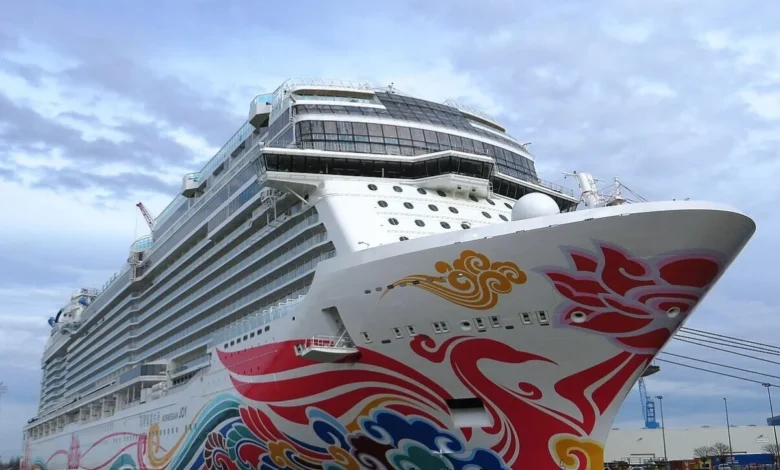
Norwegian Cruise Line Holdings has reported third-quarter financial results that exceeded initial corporate guidance, providing a tangible sign that its ongoing turnaround strategy is beginning to gain traction. However, financial analysts and market observers emphasize that the company’s broader recovery remains a work in progress as it continues to navigate post-pandemic economic shifts, competitive pressures, and the expectations of activist shareholders.
The cruise operator announced on Thursday that its performance for the quarter outperformed expectations across several key financial metrics. This positive variance was primarily driven by stronger-than-anticipated close-in booking demand and robust onboard spending by passengers. Additionally, disciplined cost management practices, combined with certain operational expenses shifting into the fourth quarter, contributed to lower-than-expected unit costs for the period.
Despite these encouraging quarterly figures, the company’s leadership and investor relations teams acknowledge that substantial operational and strategic challenges lie ahead. The latest financial update arrives during a period of significant corporate transition, marked by aggressive boardroom restructuring, leadership changes, and heightened scrutiny from institutional investors aiming to close the performance gap between Norwegian and its primary industry competitors.
Background Context and Activist Intervention
The current operational chapter for Norwegian Cruise Line Holdings is deeply intertwined with intense pressure from activist investors. In February, Elliott Investment Management—a prominent activist hedge fund known for taking large stakes in underperforming companies and demanding sweeping strategic overhauls—disclosed a position of more than 10% in Norwegian Cruise Line Holdings.
Upon disclosing its stake, Elliott Investment Management did not mince words regarding the cruise operator’s historical trajectory. The investment firm publicly accused Norwegian of falling severely behind its chief industry rivals, attributing this lag to what it characterized as "a decade of strategic misjudgments and poor execution." The activist campaign immediately rattled the company’s governance structure, setting off a rapid chain of events that reshaped the boardroom and executive suite.
Seeking to avoid a protracted and costly proxy battle, Norwegian’s leadership engaged constructively with Elliott Investment Management. This collaboration culminated in a swift board overhaul that introduced five new, highly experienced members to the governing body. The infusion of fresh perspectives was designed to instill stricter financial discipline, optimize fleet deployment, and modernize the passenger experience to better compete with industry heavyweights such as Royal Caribbean Group and Carnival Corporation.
Chronology of Leadership and Strategic Shifts
The turbulence in Norwegian’s executive suite reflects the urgency of the company’s rehabilitation efforts. The timeline of recent leadership changes highlights the pressure to reverse years of perceived underperformance:
- Late 2022 to Early 2023: Industry headwinds persist as cruise operators globally struggle to recover from the operational shutdowns and debt accumulation caused by the COVID-19 pandemic. Norwegian’s financial recovery noticeably lags behind its peers, drawing quiet concern from major institutional shareholders.
- February: Elliott Investment Management publicly reveals its stake of more than 10% in Norwegian Cruise Line Holdings, launching a sharp critique of the company’s past leadership and strategic execution.
- February: John Chidsey, the former chief executive officer of major fast-food chains Subway and Burger King, is appointed to lead Norwegian Cruise Line Holdings, replacing outgoing CEO Harry Sommer. The selection of Chidsey—an executive with extensive turnaround experience in consumer-facing industries, albeit outside the traditional cruise sector—signals a departure from convention.
- Spring: Following negotiations with Elliott Investment Management, Norwegian announces a comprehensive board overhaul, seating five new directors to oversee corporate strategy and restore investor confidence.
- Summer: The new leadership team initiates a thorough internal review of cost structures, marketing efficiency, and itinerary planning, aiming to eliminate operational inefficiencies.
- October: Norwegian reports its third-quarter financial results, demonstrating outperformance against internal guidance driven by close-in demand, high onboard spending, and delayed expense recognition.
Financial Performance and Operational Drivers
The third-quarter results offer a welcome respite for a company that has spent much of the post-pandemic era working to repair its balance sheet. During an earnings call with analysts and investors, executives detailed the specific catalysts behind the outperformance.
Close-in demand—referring to bookings made shortly before the departure date—proved resilient contrary to some macroeconomic fears of consumer spending fatigue. Cruise passengers continued to demonstrate a willingness to book late-stage inventory at favorable pricing levels. Furthermore, once onboard, guests maintained high spending habits on specialty dining, excursions, spa treatments, and beverage packages, contributing significantly to revenue generation.
On the expense side, the company maintained strict cost controls. While inflationary pressures continue to affect labor, food, and fuel expenses across the global cruise industry, Norwegian’s management successfully identified areas for efficiency. Additionally, the strategic timing of certain operational expenditures, which shifted from the third quarter into the final months of the year, temporarily lowered unit costs for the reported period.
CEO John Chidsey has been candid regarding the historical factors weighing on the company. In previous communications with stakeholders, Chidsey asserted that Norwegian’s lagging financial and stock market performance was largely the result of "self-inflicted" wounds. These internal missteps included suboptimal pricing strategies, inconsistent fleet utilization, and a failure to capitalize efficiently on market trends compared to aggressive competitors who managed the post-pandemic restart with greater agility.
Industry Comparison and Market Position
To fully understand Norwegian’s current standing, industry analysts frequently compare its recovery trajectory to those of its two main publicly traded competitors: Royal Caribbean Group and Carnival Corporation.
While Carnival has focused heavily on capacity management and debt reduction following massive pandemic-era borrowing, and Royal Caribbean has achieved record financial results driven by high-demand private destinations and innovative mega-ships, Norwegian has historically faced higher leverage and a more restricted capacity expansion schedule.
Norwegian Cruise Line Holdings operates three distinct brands: Norwegian Cruise Line, Oceania Cruises, and Regent Seven Seas Cruises. This multi-brand portfolio spans contemporary, premium, and luxury segments, offering diversification. However, critics note that complexity within the brand portfolio may have previously diluted operational focus. The new management team under Chidsey has been tasked with streamlining operations across all three brands to ensure each segment maximizes its return on invested capital.
Analyst Reactions and Fact-Based Implications
Financial institutions and Wall Street analysts have responded to Norwegian’s third-quarter report with a mixture of cautious optimism and persistent skepticism. While beating guidance is universally viewed as a positive indicator, analysts point out that structural issues—including elevated debt levels accumulated during the pandemic and ongoing macroeconomic uncertainty—require sustained multi-year execution to fully resolve.
Industry analysts highlight several critical implications moving forward:
- Debt and Leverage Management: Despite improved operational cash flow, Norwegian continues to carry a heavier debt burden relative to its earnings compared to some competitors. Accelerating debt paydown remains a primary mandate for the newly configured board.
- Execution of the Turnaround Plan: With John Chidsey at the helm and activist directors actively participating in governance, the margin for operational error is narrow. Investors will closely monitor upcoming quarterly reports to verify whether cost disciplines and revenue strategies are permanent structural improvements rather than temporary gains.
- Consumer Resilience: The sustainability of close-in demand and high onboard spending will serve as a bellwether for the broader travel sector. Any macroeconomic softening that impacts discretionary leisure spending could disproportionately affect cruise lines with higher debt profiles.
- Competitive Gap Closure: The ultimate measure of success for Norwegian’s current turnaround strategy will be its ability to narrow or eliminate the valuation and margin gap separating it from its top-tier industry peers.
As Norwegian Cruise Line Holdings enters the final quarter of the fiscal year, management faces the dual challenge of capitalizing on current booking momentum while executing long-term strategic adjustments demanded by its shareholders. The third-quarter beat demonstrates that the ship may be turning, but navigating to safe, highly profitable waters will require steady execution in the quarters ahead.
Related posts: