Cross-Border Tar Sands Pipeline Revives Economic Hopes and Environmental Anxieties Across Rural Montana and Wyoming

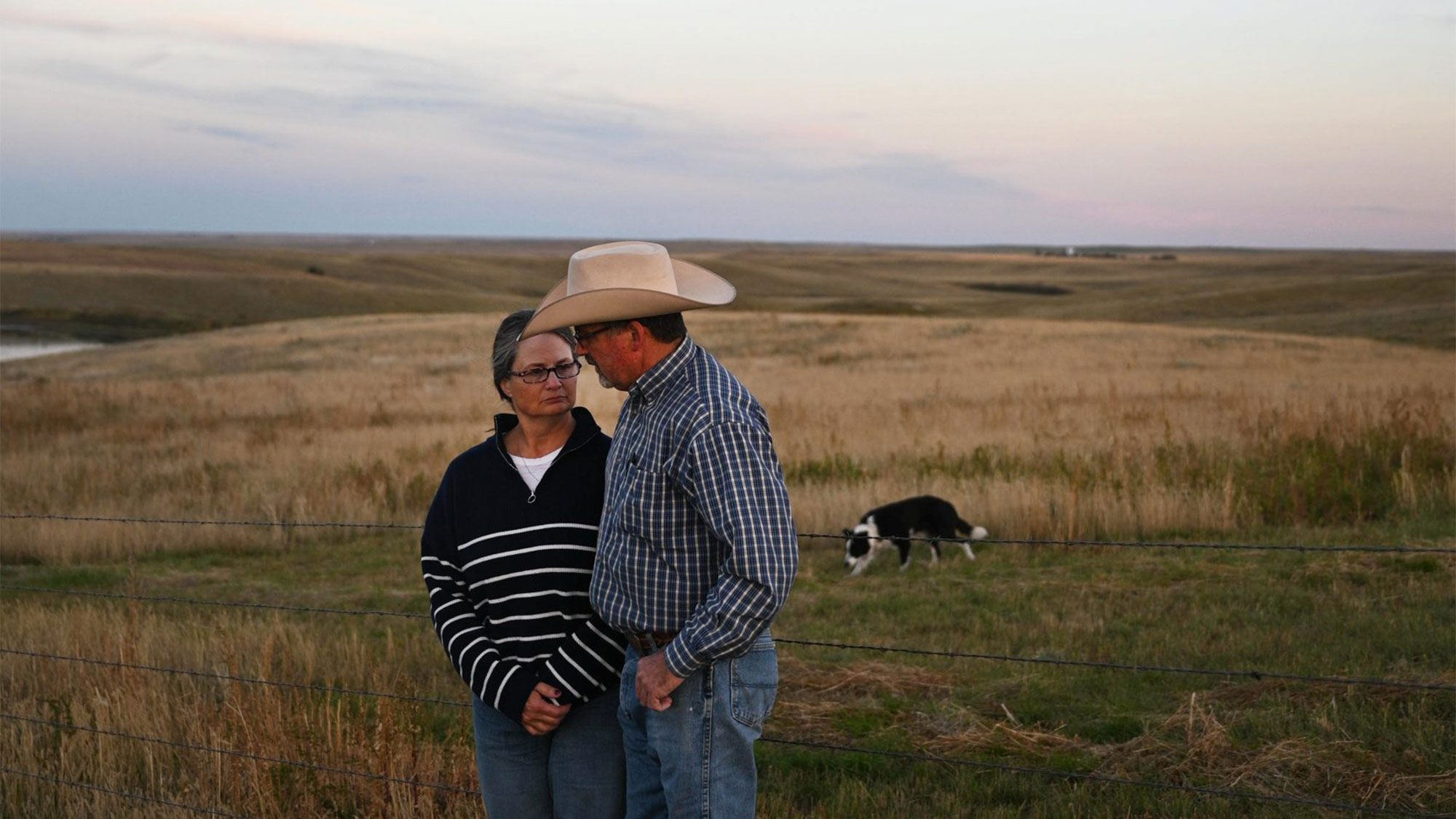
OPHEIM, Montana — Standing in a clearing with his combine idling behind him, Jerry Arnold surveys the rolling hills of eastern Montana, where the dry earth tells the story of consecutive years of agricultural strain. After decades of wrestling with multi-year droughts, volatile cattle markets, and skyrocketing diesel prices, the 72-year-old farmer near the Canadian border is looking toward a potential financial lifeline. Arnold is among nearly 300 landowners situated along the proposed path of a massive energy infrastructure project that promises to inject much-needed capital into an economically vulnerable region.
Yet, as Wyoming-based Bridger Pipeline LLC moves forward with its plans to construct a 650-mile pipeline transporting heavy tar sands crude from Canada to Wyoming, the project has exposed a sharp divide. While cash-strapped agricultural communities and local county commissioners embrace the economic windfall, neighboring Indigenous tribes and environmental advocates warn of ecological hazards, highlighting the persistent tension between rural economic survival and long-term ecological security in the American West.
The Proposed Project and Presidential Backing
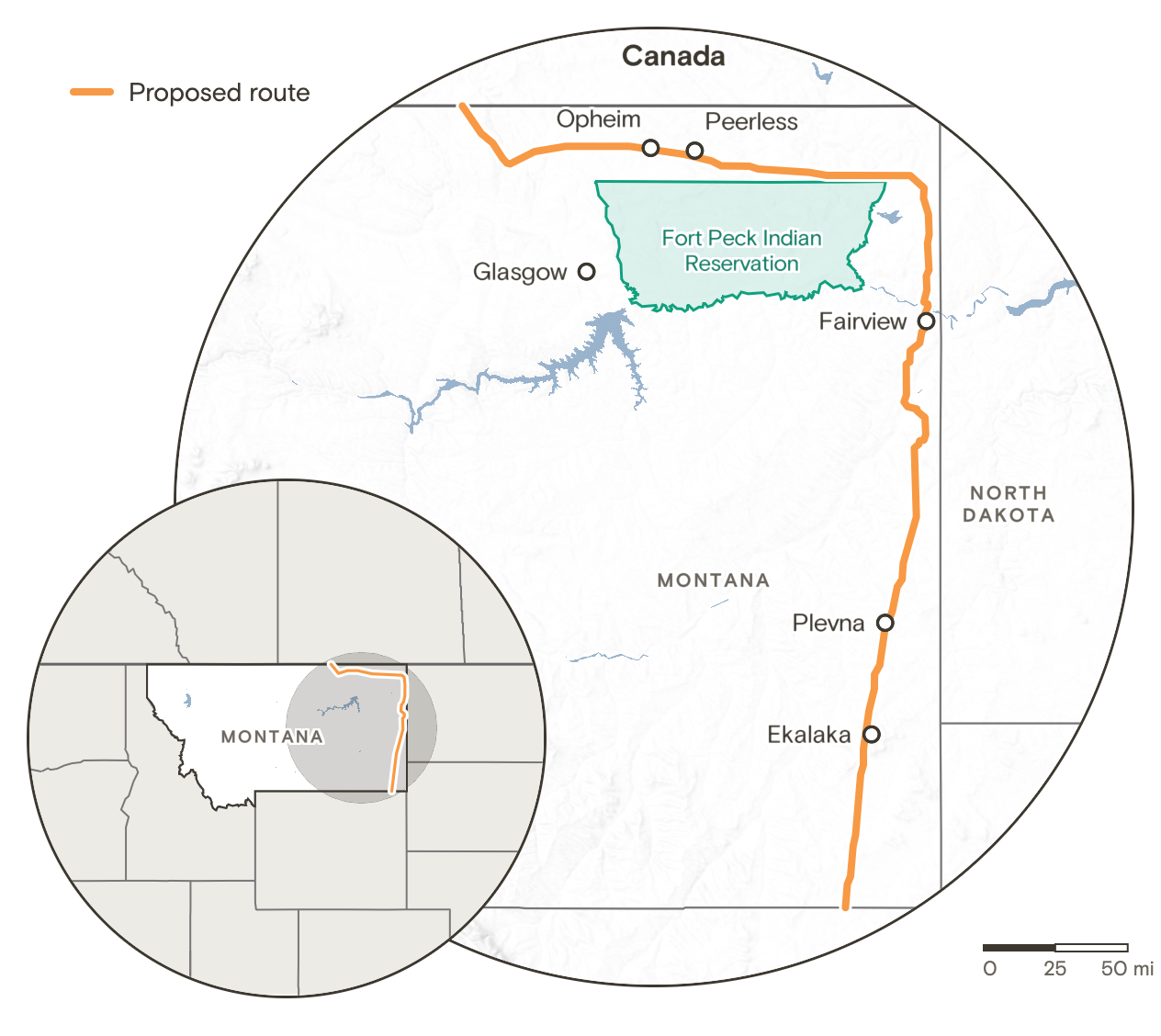
The proposed infrastructure initiative, spearheaded by Bridger Pipeline LLC, aims to establish a high-capacity conduit moving tar sands oil—a dense, viscous mixture of sand, clay, water, and heavy bitumen that generates roughly 20 percent more greenhouse gas emissions during production and refining than conventional crude oil. The route is designed to connect an existing Canadian pipeline network to a major oil refinery hub and trading center in Guernsey, Wyoming, traversing nine counties in eastern Montana and vast expanses of eastern Wyoming.
The project received a crucial federal endorsement this spring when President Donald Trump granted a presidential permit authorizing the pipeline to cross the international border in Phillips County, Montana. Bridger officials have stated their intention to break ground within the year, pending the completion of various regulatory milestones, including environmental reviews by the U.S. Bureau of Land Management (BLM) and the acquisition of state and federal compliance permits.
For landowners like Arnold, whose unirrigated farm was hit hard by a record-low snowpack and warm, dry winters, the financial compensation tied to the pipeline easement represents a rare opportunity to stay solvent. Arnold recalls the economic salvation provided in the 1980s by the Northern Border Pipeline, which moves natural gas from Canada to the American Midwest. The financial compensation he received back then enabled him to sustain his farming operation through a devastating combination of drought, heatwaves, and grasshopper infestations.
Decades later, when the now-defunct Keystone XL pipeline was proposed to move tar sands oil from Alberta to Gulf Coast refineries, Arnold and his neighbors hoped for a similar economic boost. That project ultimately collapsed after President Joe Biden terminated its permit in 2021. Now, with the Bridger initiative advancing, agricultural producers see a renewed chance to weather ongoing financial pressures.
Economic Realities in Rural Eastern Montana
The enthusiasm among eastern Montana landowners reflects a broader economic disparity across the state. The Continental Divide acts as a socioeconomic boundary, separating the thriving, tourism-driven population centers and tech-adjacent growth of western Montana from the resource-dependent, economically isolated communities of the east.
In Daniels County, where roughly 11 percent of the population lives in poverty, local leaders have been outspoken champions of the Bridger Pipeline. County Commissioner Tammi Fladager described the local economic landscape in stark terms, noting that eastern Montana communities often feel left behind while western hubs flourish.
"We’re kind of desperate," Fladager said. "Anybody that comes with a big check, it’s ‘Where do I sign?’ You don’t want the lottery ticket to walk out the door."
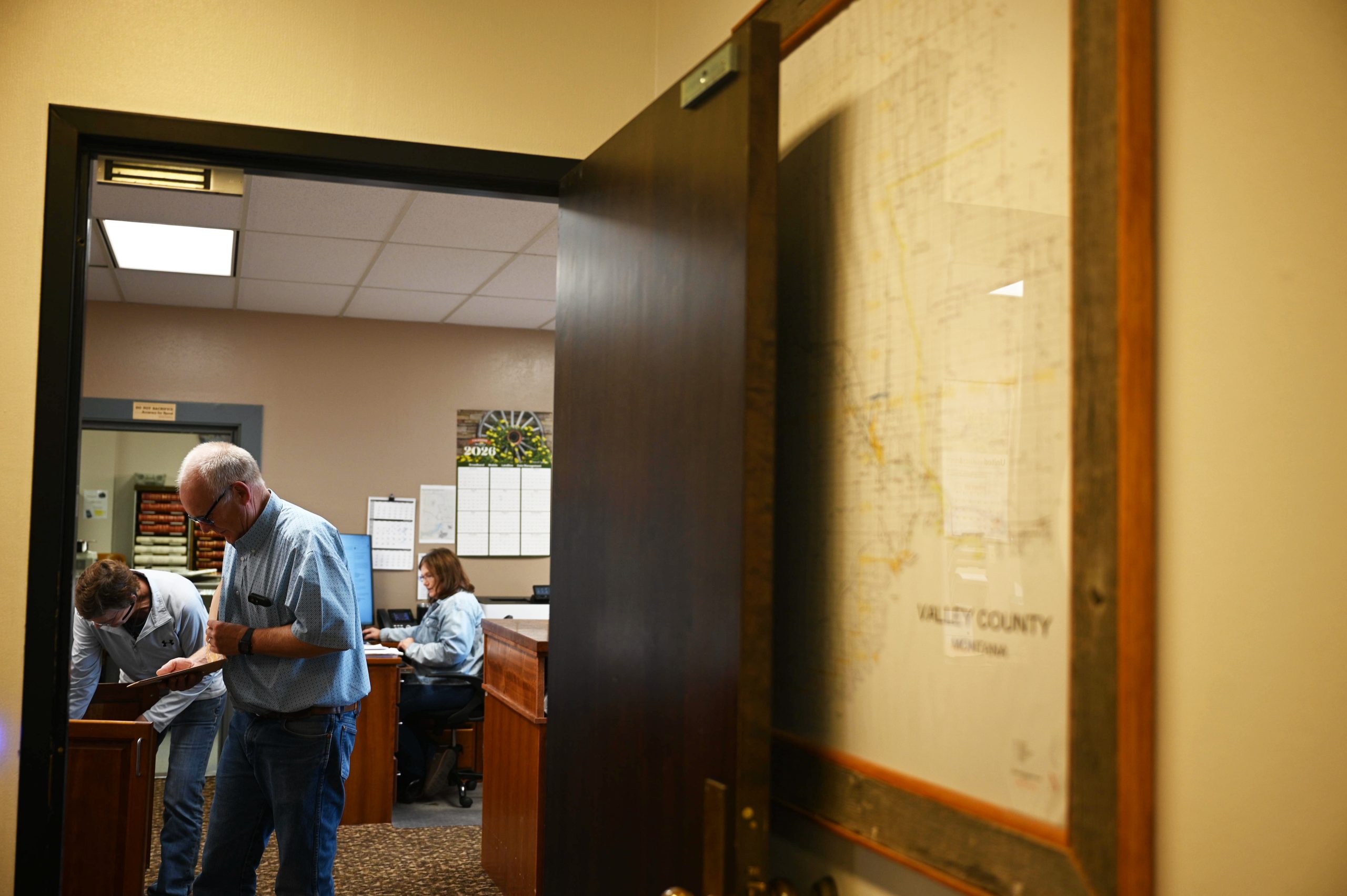
Daniels County is uniquely positioned to benefit because it currently lacks any existing pipelines contributing to its county tax base. In neighboring Valley County, centrally assessed properties—which encompass utilities, power lines, and pipelines—generate more tax revenue than any other category of real estate. When the Keystone XL project was initially announced, Valley County residents invested heavily in new local businesses, vehicle purchases, and an approved $16.8 million school bond, anticipating a steady stream of tax revenue. The abrupt cancellation of Keystone left local leaders grappling with a severe financial shortfall.
Bridger anticipates employing between 2,000 and 2,500 construction workers, housed in temporary company-operated facilities commonly referred to as "man camps," and expects to create 50 to 100 permanent maintenance jobs in Montana once operational. Company representatives project that the pipeline will initially transport 550,000 barrels of crude per day, eventually scaling upward, which executives argue will inject stability into volatile energy markets.
Environmental Concerns and the Shadow of Past Spills
Despite the economic enthusiasm from landowners and county commissioners, the pipeline’s path introduces significant environmental risks. Bridger Pipeline and its affiliates have a documented history of regulatory infractions and spills. Most notably, a 2015 pipeline rupture spilled at least 30,000 gallons of Bakken crude oil into the Yellowstone River, forcing roughly 6,000 residents in Glendive to rely on bottled water after their treatment plant was contaminated.
Bridger ultimately settled a civil lawsuit with the Montana Attorney General’s Office over the 2015 incident, paying a $2 million penalty in 2021. Furthermore, data from the U.S. Pipeline and Hazardous Materials Safety Administration indicates that Bridger pipelines have experienced 12 spills since 2012. In 2023, Bridger and sister company Belle Fourche agreed to pay a $12.5 million civil penalty under the Clean Water Act and federal pipeline safety laws following multiple spills across Montana and North Dakota.
Bill Salvin, a spokesperson for Bridger Pipeline, emphasized that the company has overhauled its safety protocols in the years following the Yellowstone River incident.
"We build the pipelines today better than they were built in the past," Salvin said. "They are designed for safety and 24/7 monitoring with multiple leak detection systems, including one that we invented using AI."
Proximity to Tribal Lands Raises Alarm
While private landowners along the route negotiate easement compensation, the pipeline’s preferred route skirts the northern boundary of the Fort Peck Indian Reservation, coming within two miles of tribal land at its closest point. The alignment crosses the Poplar River, a vital tributary of the Missouri River, and threatens regional water systems that serve thousands of Native and non-Native residents.
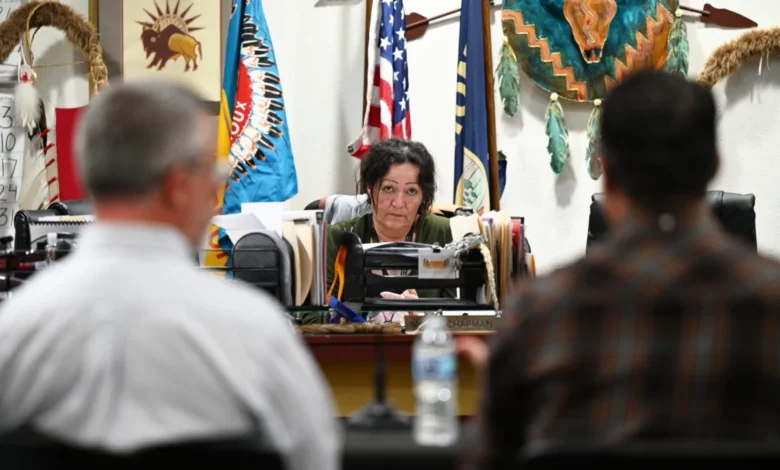
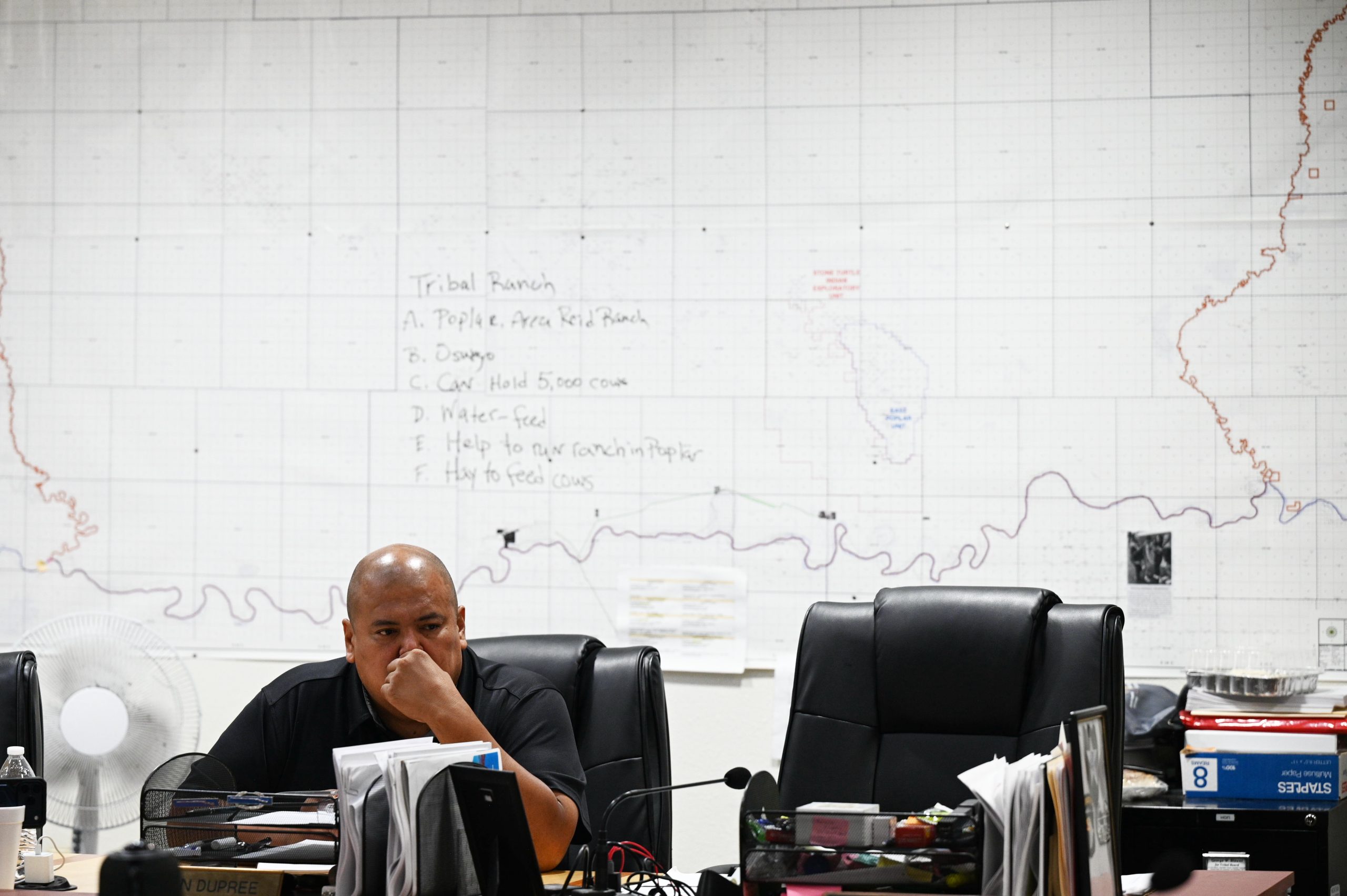
During a turbulent public meeting in Poplar, Montana, members of the Fort Peck Tribal Executive Board pressed BLM and company representatives regarding emergency preparedness, spill response scenarios, and the potential for increased social disruption stemming from temporary construction camps. Tribal leaders expressed deep frustration over what they characterize as a lack of substantive communication and transparency from federal agencies and corporate stakeholders.
Jestin Dupree, a member of the Fort Peck Tribal Executive Board, questioned federal officials on worst-case disaster scenarios and whether the BLM’s environmental impact statement would account for the lifetime greenhouse gas emissions generated by processing and burning tar sands crude.
Phillip Blundell, the pipeline project lead for the BLM, cited a recent U.S. Supreme Court decision narrowing the scope of federal environmental reviews under the National Environmental Policy Act (NEPA). Blundell informed tribal leaders that the agency’s environmental analysis would focus strictly on emissions generated during the construction phase, rather than downstream combustion.
Advocacy groups argue that routing infrastructure just outside reservation borders is a deliberate legal strategy to bypass tribal sovereignty and regulatory oversight. Krystal Two Bulls, executive director of Honor the Earth, pointed out similar routing tactics employed with the Dakota Access pipeline near the Standing Rock Indian Reservation and Enbridge’s Line 5 near the Bad River Reservation.
"It’s an extremely common practice," Two Bulls said. "It’s like, ‘We’ll put the pipeline just close enough where you don’t have rights. And you can’t say that it’s on the reservation, so, legally, you don’t have the same protections.’"
Bridger representatives defended the route selection, noting that the company consciously avoided crossing reservation land directly due to expressed tribal opposition. Salvin reiterated that the company prefers to work exclusively with landowners who are voluntarily amenable to hosting the infrastructure.
A Complex Path Forward
As the regulatory review process continues, the Bridger Pipeline project remains emblematic of the deep fractures running through contemporary American energy policy. For rural landowners facing generational economic vulnerability, the project offers a pragmatic tool for survival against the headwinds of modern agriculture. For Indigenous communities and environmental advocates, the pipeline represents an unacceptable gamble with critical water resources and a step backward in the global transition away from fossil fuels.
With the BLM preparing to release its formal environmental assessment for public comment, and Bridger attempting to schedule further consultations with tribal leadership, the future of the pipeline will depend heavily on its ability to navigate both federal compliance hurdles and the profound distrust of local populations who have borne the environmental costs of energy extraction in the past.
Related posts: