When Artificial Intelligence Meets Disaster Management: The High Stakes of AI-Generated Emergency Alerts

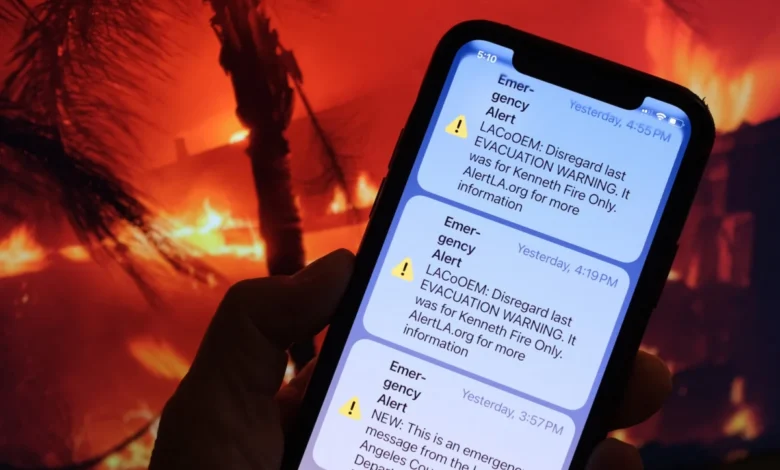
The intersection of artificial intelligence and public safety has entered a critical and contentious phase, as understaffed and overextended emergency management agencies increasingly turn to generative AI tools to draft urgent weather alerts, evacuation notices, and public safety graphics. While proponents argue that large language models can vastly outperform panicked human officials during high-stress crises by translating complex meteorological data into clear, actionable advice, safety experts warn of a dangerous downside. The unvetted adoption of AI chatbots risks introducing severe inaccuracies, such as fabricated weather phenomena and flawed graphics, while simultaneously eroding the public trust upon which effective disaster response ultimately depends.
The Frontline Struggle: Communication Failures in High-Stakes Disasters
At the state and local levels, emergency managers serve as the ultimate first line of defense during extreme weather events, outstripping federal agencies in immediate response coordination. Yet, these officials frequently struggle with a fundamental human limitation: effective public communication. During fast-moving crises, emergency personnel often resort to bureaucratic jargon, omit crucial spatial details, or clutter alerts with extraneous information that obscures actionable safety advice.
The consequences of flawed disaster communication have historically proven catastrophic. In 2016, conflicting evacuation orders issued by adjacent California counties during a rapidly spreading wildfire created widespread confusion among residents. Similarly, Australian officials faced heavy criticism after utilizing ambiguous terms like "Watch and Act" during the devastating 2019 bushfire season, a phrase a government commission later noted caused significant public bewilderment.
Perhaps the most tragic illustration of warning failure occurred in Montecito, California, in January 2017. Weeks after the destructive Thomas Fire, a severe rainstorm triggered a catastrophic mudslide. Santa Barbara County officials, attempting to navigate public "warning fatigue," issued alerts using language previously reserved for voluntary wildfire evacuations. Many residents interpreted the notice as optional or experienced evacuation fatigue, choosing to stay put. The resulting debris flow ultimately claimed 23 lives and injured more than 160 individuals.
The Promise and Peril of Generative AI in Crisis Communication
In theory, generative artificial intelligence offers a powerful antidote to human error during emergencies. Large language models possess the capability to ingest hundreds of thousands of historical alerts, digest decades of disaster communication research, and refine rough human drafts into polished, high-impact messages within seconds.
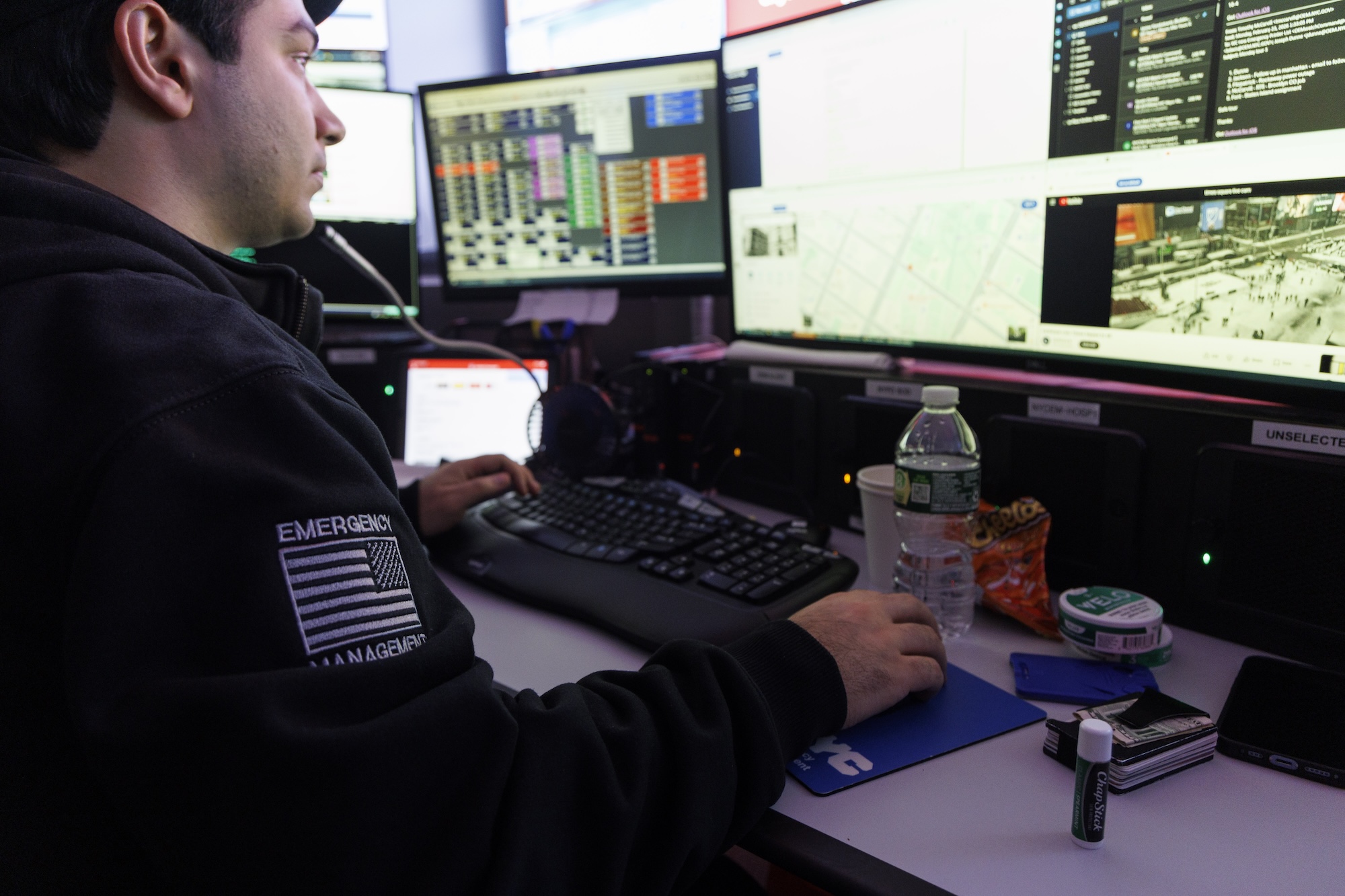
For an isolated emergency manager dealing with a blaring radio, ringing phones, and an incoming chemical plume or flash flood, an AI chatbot can synthesize information far more rapidly than a flustered human. Recognizing this potential, specialized tech startups and software firms have developed tailored models trained on empirical disaster research to help officials draft alerts.
To demonstrate this capability, disaster researchers point to real-world comparisons. When presented with a poorly phrased, error-ridden alert issued by a New Mexico county regarding rising floodwaters on the San Juan River—which read simply, "Breeched banks. The water is rising. EVACUATE NOW"—an emergency management AI model rapidly restructured the text. The AI-generated revision immediately identified the issuing authority, specified the exact geographic danger zone, provided explicit safety instructions to avoid walking or driving through floodwaters, directed evacuees to a designated shelter, and supplied a verified source for ongoing updates.
Unofficial Adoption and the Risk of "Sting Jet" Errors
Despite clear improvements in linguistic clarity, official institutional adoption of generative AI for live public safety messaging remains low. Most municipal and county emergency management agencies officially prohibit employees from deploying generative AI tools for public-facing communications.
However, behind closed doors, unauthorized usage is reportedly widespread. Instructors at national disaster training centers note that emergency managers routinely present pristine, highly effective alerts during workshops, openly admitting they drafted the text in seconds using consumer-grade chatbots like ChatGPT or Google Gemini.
This shadow adoption carries profound risks. Without rigorous oversight, artificial intelligence can hallucinate dangerous falsehoods. Earlier this month, following the landfall of a major Gulf Coast hurricane, a county emergency manager in Alabama utilized an AI chatbot to generate a graphic illustrating a predicted "sting jet"—a narrow channel of exceptionally destructive winds—threatening the local coast. The resulting graphic was entirely inaccurate from a meteorological standpoint, prompting emergency management specialists to sound the alarm over the proliferation of unverified AI-generated weather data.
The Authenticity Deficit and Warning Fatigue
Beyond factual inaccuracies, industry analysts point out a psychological barrier to AI-driven emergency communication: the authenticity deficit. Public compliance during a crisis relies heavily on the perception of care and human empathy. Members of the public who harbor inherent skepticism toward government institutions may completely reject safety alerts, social media posts, or graphics if they suspect the content was synthesized by a machine. Public resistance has already surfaced in other municipal sectors, evidenced by a public employees’ union lawsuit in Syracuse, New York, targeting the local government’s deployment of AI to field non-emergency 911 calls.
Furthermore, experts warn that the ease and speed with which artificial intelligence can generate text may lead to "alert inflation." If emergency departments begin broadcasting frequent, unvetted notifications, citizens may experience severe warning fatigue, ultimately tuning out critical safety instructions altogether.
Future Outlook and the Imperative of Human Oversight
As climate change accelerates the frequency and intensity of extreme weather events, the pressure on local emergency management departments will only intensify. While technology firms market AI software as a silver bullet for understaffed agencies, disaster researchers universally agree that artificial intelligence must remain subservient to human expertise.
A seasoned emergency manager can successfully leverage a chatbot to streamline administrative tasks and draft initial alert frameworks. Conversely, an inexperienced official under extreme pressure may lack the critical evaluation skills necessary to catch dangerous AI hallucinations before a catastrophic release. Until standardized guardrails, comprehensive regulatory frameworks, and rigorous testing protocols are firmly established, the ultimate success of emergency communication will continue to hinge not on the speed of a machine, but on the judgment of the human being holding the final switch.