Unearthing the Bronze Age: 3,700-Year-Old Canine Pawprint Discovered on Mudbrick Wall in Turkey Offers a Window into Ancient Daily Life

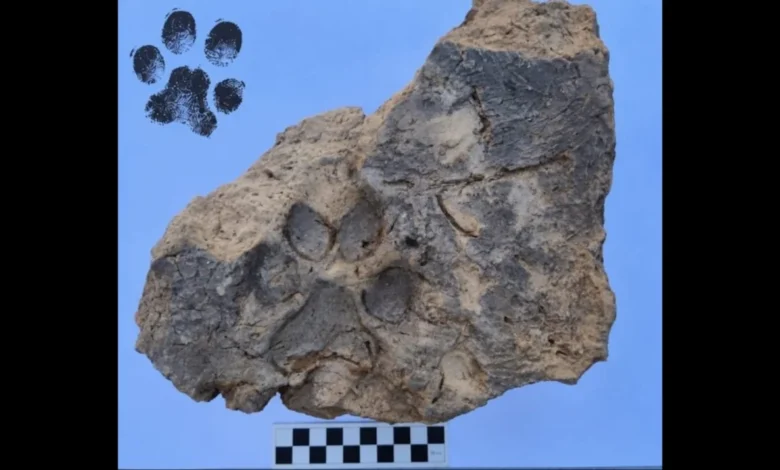
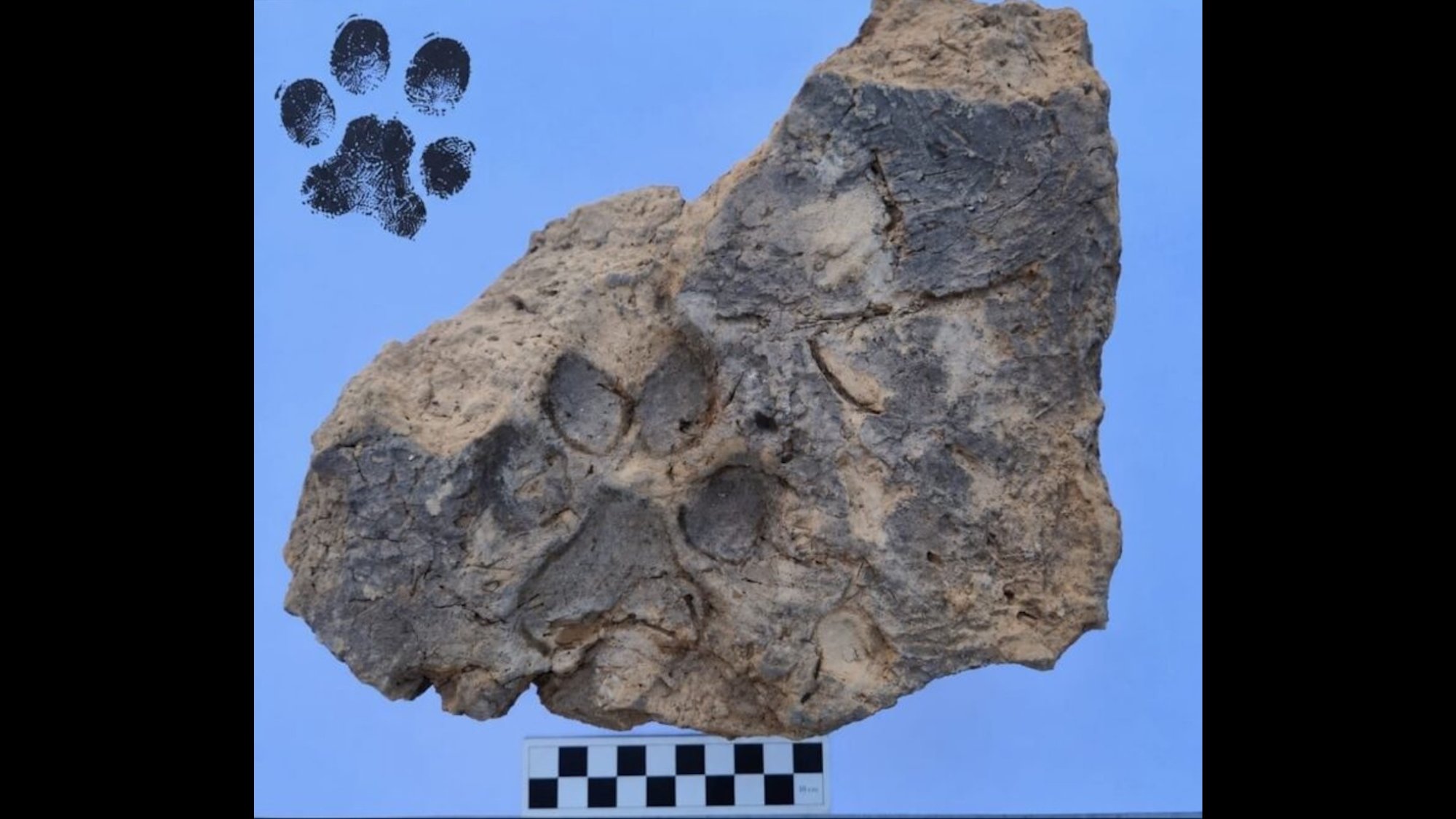
Archaeological excavations frequently illuminate the grand narratives of human history, tracking the rise and fall of civilizations through monumental architecture, royal tombs, and hoards of precious metal. Yet, the most enduring human connections are often forged not by grand political structures, but by the mundane, accidental intersections of daily life. Recently, researchers working at the sprawling archaeological site of Tavşanlı Höyük in western Turkey uncovered a remarkably preserved and poignant artifact: a pristine canine pawprint deeply embedded in a 3,700-year-old mudbrick. Shared widely by Turkish cultural officials, this tiny imprint has provided historians and archaeologists with a rare, visceral glimpse into the domestic realities of Bronze Age Anatolia, bridging a millennia-old gap between ancient laborers and modern observers.
Main Facts of the Discovery
The discovery was announced by Turkey’s Minister of Culture and Tourism, Mehmet Nuri Ersoy, via social media, drawing international attention to an ongoing excavation project that has steadily yielded profound historical insights. The artifact itself is a section of sun-dried mudbrick—a fundamental building block of ancient architecture produced by combining local soil, water, and straw.
While drying under the intense Anatolian sun thousands of years ago, the wet clay was traversed by a curious dog, leaving behind a crisp, four-toed indentation. Rather than discarding the marred building block, ancient construction workers incorporated the stamped brick into a structural wall.
The find originates from Tavşanlı Höyük, a massive, nearly 100-acre archaeological mound located approximately 100 miles south of Istanbul. Often referred to by local researchers as the "Heart of Tavşanlı," the site contains stratified remnants of human occupation dating back some 8,000 years, serving as a critical archive for understanding the evolution of early Bronze Age communities in the region.
Chronology and Excavation History
To fully understand the context of the canine pawprint, it is necessary to examine the timeline of the archaeological efforts at Tavşanlı Höyük:
- 8,000 Years Ago: The earliest human settlements are established at the Tavşanlı Höyük site, marking the beginning of long-term habitation in the fertile Anatolian plains.
- Circa 1700 BCE (Bronze Age): During a period of active construction and architectural expansion, builders manufacture mudbricks using soil, straw, and water. During the sun-drying process, a domestic dog walks across the wet clay, leaving an accidental pawprint. Workers subsequently use the brick in a building wall. Centuries later, a catastrophic fire engulfs the structure, trapping two human occupants inside while preserving the surrounding architectural debris, including the pawprint brick.
- 2020: Systematic, large-scale archaeological excavations commence at Tavşanlı Höyük under the direction of archaeologist Erkan Fidan from Bilecik Şeyh Edebali University.
- 2021: Fidan’s research team uncovers architectural debris dating back approximately 3,700 years to the Middle Bronze Age, initiating detailed documentation of the site’s structural remains.
- October 2026: Turkish Ministry of Culture and Tourism officially highlights the canine pawprint discovery, bringing global visibility to the fine details recovered from the Tavşanlı Höyük dig.
Archaeological Context and Methodology
The excavation at Tavşanlı Höyük is led by Dr. Erkan Fidan, whose team has spent more than five years systematically unearthing the complex layers of the sprawling mound. The site is recognized as one of the most significant Bronze Age settlements in western Anatolia, preserving layers of urban planning, defensive fortifications, and domestic spaces.
Mudbrick architecture was ubiquitous throughout the ancient Near East and Mediterranean. Because these bricks were manufactured en masse and dried outdoors, they frequently served as accidental canvases for the surrounding environment. Archaeologists occasionally find animal tracks—ranging from dogs and cats to birds and sheep—as well as human footprints and fingerprints embedded in ancient ceramics and construction materials. However, finding an impression so sharp, well-proportioned, and structurally intact after nearly four millennia is exceptionally rare.
Minister Mehmet Nuri Ersoy emphasized the profound philosophical value of such small finds in archaeological research. In a translated statement released alongside the announcement, Ersoy noted that excavations at Tavşanlı Höyük consistently reveal not only monumental structures and high-status artifacts, but also intimate, unexpected traces of daily life that humanize the archaeological record.
The Human-Animal Bond in the Bronze Age
The presence of the pawprint raises compelling questions about the relationship between humans and animals during the Middle Bronze Age. Dogs (Canis familiaris) were among the earliest animals to be domesticated by human societies, serving critical roles in ancient communities as working animals, herders, guards, and companions.
At Tavşanlı Höyük, the dog that walked across the drying brick was clearly unfettered enough to roam freely through a bustling construction zone. Whether the animal wandered across the wet clay inadvertently while workers were away, or whether it was guided across the surface by a playful or indifferent laborer, remains a mystery lost to time.
Significantly, the builders chose not to discard the brick. In an era where building material required significant manual labor—hauling earth, mixing straw, molding frames, and managing drying times—waste was minimized. However, the decision to incorporate a visibly marked brick into a wall may also reflect an unspoken acceptance, or even affection, for the animals that shared living and working spaces with ancient Anatolians.
Tragically, the building that housed the pawprint brick met a violent end. Subsequent archaeological analysis revealed that the structure ultimately succumbed to a massive fire. Excavators discovered the remains of two individuals still trapped inside the building at the time of the blaze. Fortunately, the absence of canine skeletal remains within the destruction layer suggests that the pawprint’s author had long since vacated the premises, escaping the disaster that would preserve its casual footprint for millennia.
Broader Impact and Implications
While golden jewelry, elaborate weapons, and royal seals dominate museum displays, discoveries like the Tavşanlı Höyük dog print play a vital role in modern public engagement with archaeology. By bridging the vast temporal distance between the Bronze Age and the modern era through a familiar, universally recognized symbol—a dog’s footprint—these artifacts demystify the past.
Furthermore, micro-artifacts and architectural impressions provide valuable data for paleozoologists and environmental historians. The size, depth, and morphological characteristics of the pawprint offer clues regarding the physical stature and breed characteristics of dogs living in western Anatolia 3,700 years ago, contributing to broader studies on animal domestication, evolution, and human-animal co-existence.
As excavations at Tavşanlı Höyük continue, researchers hope to uncover further details about the urban layout, economy, and social structure of the ancient Anatolian community. Yet, it is often these fleeting, accidental moments—frozen in mud and baked by the sun—that leave the most lasting impression on our understanding of history, proving that humanity’s oldest companion was leaving its mark long before history was ever written down.