Fifth Circuit Rules Detained Undocumented Immigrants Lack Constitutional Right to Bond Hearings as Supreme Court Prepares for Landmark Showdown


The legal battle over immigration enforcement and executive authority reached a critical juncture on Friday as the Fifth Circuit Court of Appeals delivered a decisive en banc victory to the administration. In the case of Ignacio Sosnava Rodriguez v. Sylvester M. Ortega, the full panel of the Fifth Circuit ruled that detained undocumented immigrants who were never formally admitted into the United States do not possess a constitutional entitlement to bond hearings while awaiting deportation proceedings.
The decision directly impacts individuals who have built lives within the United States over long periods, holding that years or even decades of residency, community ties, and family integration do not grant a constitutional right to contest detention through an ordinary bond hearing under the Due Process Clause of the Fifth Amendment.
This ruling intensifies a massive national debate over immigration detention statutes and sets the stage for a high-stakes confrontation before the Supreme Court of the United States. As the judiciary grapples with the interpretation of federal immigration law, the intersection of executive enforcement authority, statutory interpretation, and constitutional due process hangs in the balance, with profound implications for the federal government’s deportation agenda and thousands of detainees nationwide.
The Core Ruling and Judicial Reasoning
At the heart of the Fifth Circuit’s decision is a strict textualist interpretation of the Immigration and Nationality Act (INA). The court evaluated the status of three immigrant men who were detained under federal mandatory-detention provisions. Despite arguing that their extended physical presence in the United States—spanning multiple years—protected them from indefinite confinement without a hearing, the court rejected their due process claims.
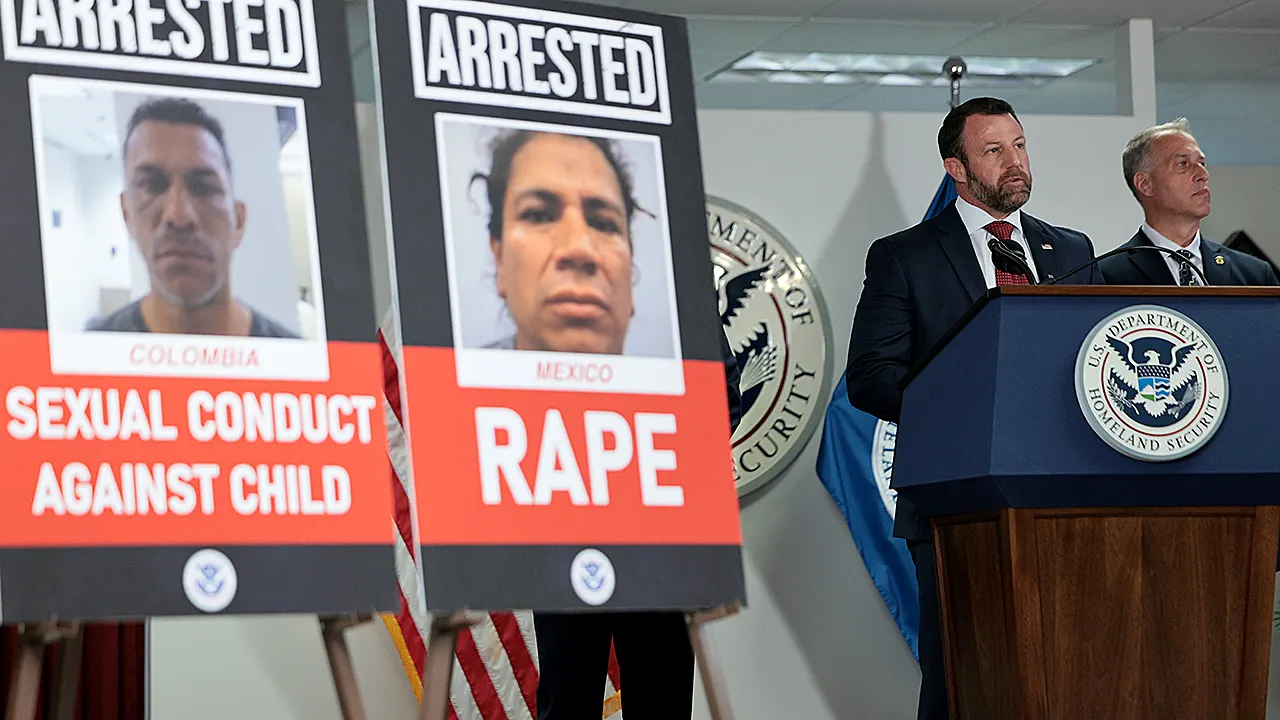
"The Constitution does not entitle them to a bond hearing," the court explicitly stated in its majority opinion.
The rationale rests on the foundational principle of immigration law that unadmitted aliens, regardless of how long they have remained inside the country after an initial unlawful entry, maintain the legal status of "applicants for admission." Under Section 1225 of the INA, such individuals are subject to mandatory detention while their removal proceedings play out, distinguishing them from immigrants who entered lawfully or were formally inspected and paroled into the country.
However, the ruling was not unanimous, reflecting deep divisions within the federal judiciary over the constitutional limits of civil immigration detention. Circuit Judge Leslie Southwick highlighted the precarious nature of the court’s constitutional holding in a dissenting opinion, noting that the broader legal landscape is about to shift dramatically.
The Looming Supreme Court Showdown: Rhoney v. Barbosa da Cunha
Friday’s Fifth Circuit ruling arrives as the Supreme Court prepares to hear a closely related and potentially decisive case this term: Rhoney v. Barbosa da Cunha. Originating out of the Second Circuit, Rhoney addresses the foundational question of whether the federal mandatory-detention statute applies at all to longtime undocumented immigrants who were arrested inside the United States interior rather than at the border.
The case centers on a sharp 9-2 circuit split across the federal appellate courts regarding the interplay between two distinct provisions of the INA:

- Section 1225: Governs applicants for admission and mandates detention without an ordinary bond hearing. The Fifth and Eighth Circuits have held that this section applies to unadmitted aliens, even those living in the country for years.
- Section 1226: Governs aliens already present in the United States who were formally admitted or whose status allows for standard removal proceedings, providing a statutory path to seek release on bond. Nine other federal appeals courts have ruled that this section applies to longtime interior residents, affording them bond hearings.
At the center of Rhoney is Barbosa da Cunha, a Brazilian national who entered the country illegally approximately two decades ago and was subsequently detained by Immigration and Customs Enforcement (ICE) personnel. If the Supreme Court sides with the Second Circuit in Rhoney, Barbosa da Cunha—and by extension, the detainees in the Rodriguez case—would be granted a statutory path to seek release on bond. Such a ruling would effectively render the Fifth Circuit’s constitutional due process analysis moot, as the statutory interpretation alone would resolve the disputes.
Legal Analysis and Broader Implications
Legal scholars and constitutional experts are sharply divided on how the Fifth Circuit’s en banc decision will influence the Supreme Court’s deliberations in Rhoney.
Conservative legal analysts argue that Rodriguez significantly strengthens the federal government’s position. One of the primary arguments advanced by challengers of the administration’s detention policy is the "constitutional avoidance canon"—the judicial principle that courts should interpret federal statutes in a way that avoids serious constitutional doubts. Critics of mandatory detention have long argued that applying Section 1225 to individuals with deep community ties and decades of residency violates the Due Process Clause of the Fifth Amendment.
By ruling that such detention does not violate the Due Process Clause, the Fifth Circuit has removed that specific constitutional hurdle. Michael Morley, a constitutional law professor at Florida State University, noted that the en banc decision could directly shape the Supreme Court’s reasoning.
"The Fifth Circuit’s en banc ruling in Rodriguez today takes the next step by holding that such detention would not violate the U.S. Constitution’s Due Process Clause," Morley explained. "This holding may impact the Supreme Court’s reasoning, because an important consideration in disputes over federal laws is whether a particular interpretation would be unconstitutional. If the Court agrees with the Fifth Circuit’s analysis that the Due Process Clause allows such detention, it may be more likely to conclude that federal law permits it, as well."
Hans von Spakovsky, a senior legal fellow at Advancing American Freedom, echoed this sentiment, expressing confidence that the high court will ultimately validate the government’s approach.
"I actually think this ruling will help the government in the Rhoney case," von Spakovsky said. "There was already a split in the circuit courts on this issue, but the Fifth Circuit has consistently held that the applicable immigration statute does not require bond hearings for aliens who were never admitted to the United States. I will be surprised if a majority of the Supreme Court disagrees when they ultimately issue a decision in the Rhoney case."
Conversely, immigrant advocacy organizations and civil rights groups contend that denying bond hearings to individuals who have lived peacefully in American communities for decades inflicts severe humanitarian and procedural harms. Critics argue that prolonged, mandatory confinement without individualized assessments of flight risk or danger to the community strains the detention infrastructure and strips individuals of fundamental due process protections historically recognized under American jurisprudence.
Chronology of Events and Legal Milestones
- Early Immigration Entry: Over the past two decades, individuals such as the respondents in Rodriguez and Rhoney entered the United States without inspection and established long-term residences, families, and employment within the country interior.
- The Circuit Split Deepens: Over successive years, federal appellate courts diverge sharply on whether unadmitted interior residents fall under Section 1225 (mandatory detention) or Section 1226 (discretionary bond eligibility), resulting in a 9-2 split against the government’s preferred interpretation in most jurisdictions.
- Intensified Enforcement Actions: Federal immigration authorities increasingly execute interior enforcement operations, detaining undocumented immigrants during routine check-ins, court appearances, and workplace sweeps.
- Supreme Court Grants Certiorari: Earlier this month, the Supreme Court of the United States agreed to hear Rhoney v. Barbosa da Cunha, setting up a definitive resolution to the circuit split.
- The Fifth Circuit En Banc Decision: On Friday, the full panel of the Fifth Circuit Court of Appeals hands down its ruling in Ignacio Sosnava Rodriguez v. Sylvester M. Ortega, concluding that unadmitted detainees have no constitutional right to bond hearings.
- Upcoming Supreme Court Term: The justices prepare to hear oral arguments in Rhoney, which will determine the statutory boundaries of federal immigration detention and decide the fate of thousands of detainees across the United States.
Outlook for Federal Immigration Policy
As the legal community awaits oral arguments and a final ruling in Rhoney, the Fifth Circuit’s decision stands as a formidable pillar for executive branch enforcement powers. The ruling affirms that within the geographic jurisdiction of the Fifth Circuit—encompassing Texas, Louisiana, and Mississippi—the federal government possesses broad authority to maintain mandatory custody over unadmitted aliens throughout the duration of removal proceedings.
Whether the Supreme Court will validate this expansive view of executive detention authority or establish a uniform national standard requiring individualized bond hearings for long-term interior residents remains one of the most consequential unresolved questions in contemporary American jurisprudence.
Related posts: