Busting the Grid Myth: How Heat Pumps Are Set to Lower Utility Bills and Power America’s Clean Energy Future

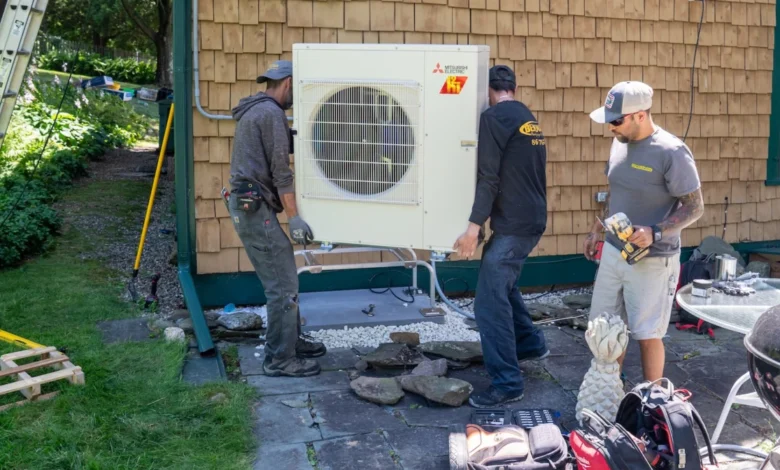
The modern transition toward clean residential energy infrastructure has long faced persistent hurdles rooted in skepticism and outdated engineering assumptions. Chief among these concerns is the widespread public misconception regarding heat pumps—efficient climate-control devices that transfer ambient thermal energy rather than generating it via combustion. For years, critics and cautious homeowners alike maintained that these appliances were useless during severe winter freezes. However, modern technological advancements and real-world implementations have thoroughly debunked this myth, proving that cold-climate heat pumps can maintain optimal indoor temperatures even in sub-zero conditions.
Now, a new comprehensive report from the prominent energy think tank RMI challenges yet another foundational fear surrounding the mass adoption of these devices: the looming threat of an overwhelmed and collapsing electrical grid. Contrary to popular belief, transitioning millions of American households to electric heat pumps will not destabilize local power systems. Instead, the country possesses a vast, underutilized seasonal cushion—known as grid headroom—capable of supporting tens of millions of new heat pumps without requiring a massive, costly buildout of new fossil-fuel power plants.
The findings arrive at a critical juncture for U.S. energy policy, as affordability dominates national political discourse and policymakers search for pragmatic ways to lower household expenses while simultaneously meeting aggressive carbon reduction targets. By capitalizing on existing electrical capacity, the large-scale integration of heat pumps stands to modernize the American power grid, slash greenhouse gas emissions, and offer long-term financial relief to utility ratepayers across the country.
Unlocking the Hidden Potential of Winter Grid Headroom
To understand why a massive influx of electric heat pumps will not trigger catastrophic blackouts, one must examine seasonal variations in power consumption. Across most of the United States, peak electricity demand traditionally occurs during the scorching summer months. Millions of air conditioning units running simultaneously place a tremendous burden on local utilities, requiring substantial generation capacity to prevent brownouts.
Conversely, winter energy demands historically exhibit a different profile. While millions of citizens rely on natural gas furnaces or localized electric resistance space heaters to warm their homes during colder months, overall electrical loads on the broader grid tend to dip. This discrepancy creates a significant operational buffer, or "headroom," representing the untapped difference between maximum generation capacity and actual winter demand.
According to RMI’s research, this seasonal cushion is robust enough to absorb the adoption of heat pumps in approximately three-quarters of all U.S. homes—representing an estimated 109 million properties. Ryan Shea, a buildings team manager at RMI, emphasizes that this transition represents an opportunity to optimize infrastructure that is already in place.
"A substantial number of homes can upgrade to heat pumps within the headroom today," Shea explains. "We’d be better utilizing the grid capacity that’s already there, that essentially spreads those costs across more kilowatt-hours, and everyone benefits with a lower electricity rate."
By absorbing additional electrical loads during a period when the grid is traditionally under-stressed, utilities can distribute fixed operational and maintenance costs over a larger volume of consumed energy. This dynamic creates downward pressure on electricity prices, translating to tangible savings for consumers. In some states, widespread adoption could reduce electric bills by more than 20 percent.
Overcoming the Cold-Climate Fallacy: Global and Domestic Precedents
The lingering skepticism regarding the viability of heat pumps in freezing temperatures has historical roots in older technology, which lost efficiency and failed to extract sufficient warmth from outdoor air once the thermometer plunged well below freezing. However, engineering milestones over the past decade have revolutionized the industry. Modern cold-climate heat pump models utilize advanced variable-speed compressors and enhanced refrigerants capable of capturing ambient heat even when external temperatures drop to sub-zero levels.
The most compelling evidence of this technological triumph lies not in theoretical laboratory models, but in real-world deployments across harsh northern latitudes. Nordic countries, renowned for their punishingly long and bitterly cold winters, have aggressively committed to heat pump infrastructure as a primary heating solution. Norway, for example, boasts some of the highest per capita heat pump penetration rates in the world, proving that the technology performs exceptionally well in sub-arctic environments.
Domestic success stories mirror these international achievements. In Maine—a state hardly known for mild winters—state officials set an ambitious goal to install 100,000 heat pumps ahead of schedule. Driven by aggressive state rebates and consumer demand, Maine surpassed this milestone a full two years ahead of projections, prompting Governor Janet Mills to establish even higher targets. Similar trends are emerging in cold-weather states from Vermont to Alaska, where residents increasingly rely on heat pumps to heat and cool their spaces efficiently.
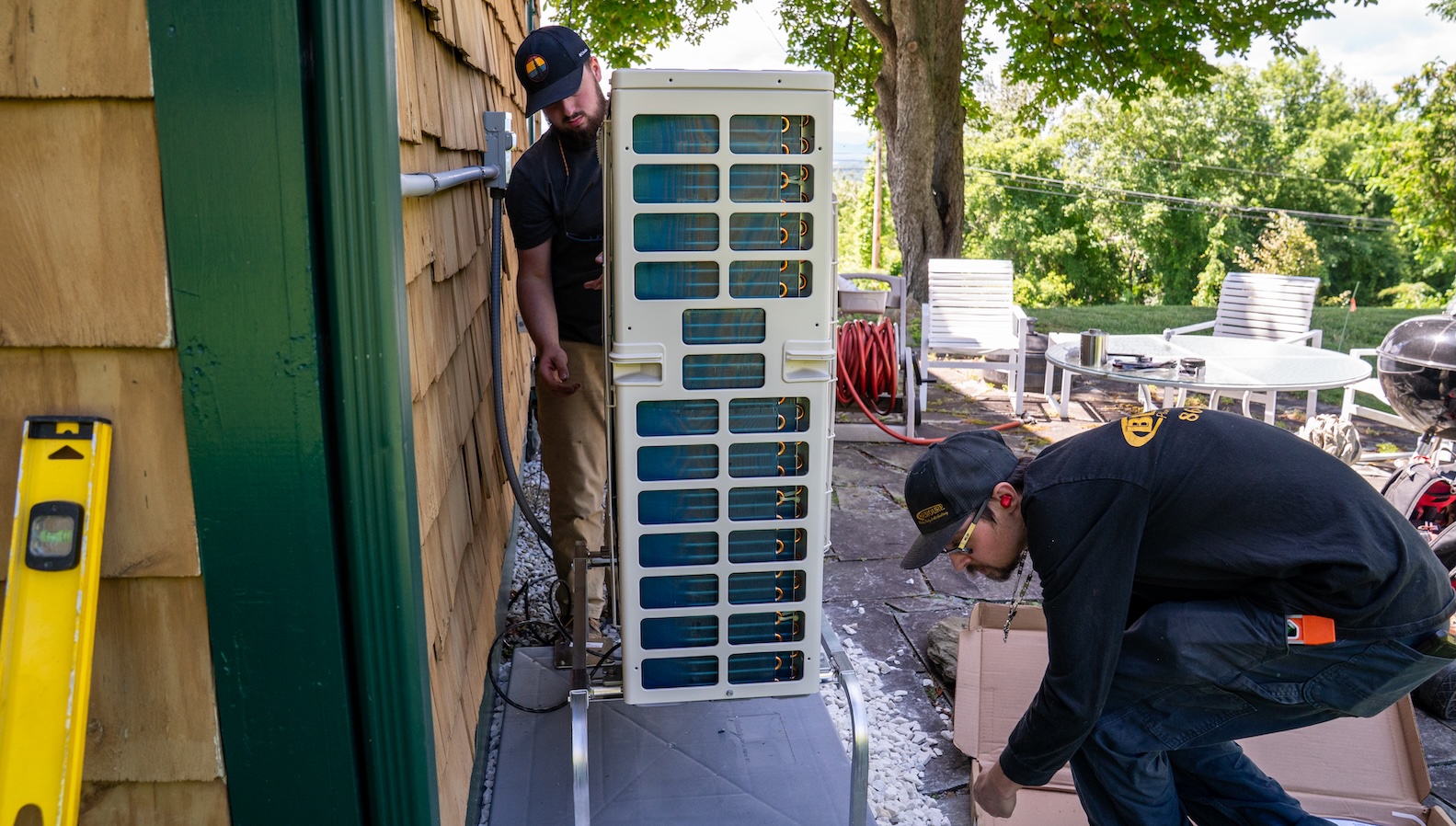
A Multifaceted Grid: Renewables, Storage, and Efficiency
While winter grid headroom provides an immediate runway for the initial wave of heat pump deployment, the broader evolution of the American power grid is also enhancing system reliability. As utilities transition away from fossil-fuel generation toward intermittent renewable sources like wind and solar, grid operators are actively deploying advanced balancing tools.
Because solar generation dips during shorter winter days, regional grid operators are investing heavily in sprawling utility-scale battery storage farms. Furthermore, innovative programs are exploring vehicle-to-grid (V2G) technology, turning fleets of parked electric vehicles into a decentralized network of emergency backup power. In some regions, researchers are even experimenting with long-duration thermal and geological storage systems that utilize the Earth itself as a giant battery.
These complementary technologies are transforming the power grid into a flexible, highly adaptable ecosystem. Whether managing summer cooling loads in Phoenix or winter heating loads in Boston, modern grid infrastructure is increasingly equipped to handle shifts in electricity demand without compromising stability.
Replacing Inefficient Technologies and Slashing Household Costs
The ultimate objective of the clean energy transition is twofold: phasing out direct fossil fuel combustion in residential buildings and eliminating inefficient electric resistance heating. While natural gas furnaces release toxic air pollutants and greenhouse gases directly into the atmosphere, electric space heaters and baseboard units—common in regions with milder winters like the Pacific Northwest and the Southeast—suffer from poor efficiency metrics.
Though electric resistance heaters are cleaner than gas-burning furnaces because they do not emit indoor air pollutants, they function essentially like giant toasters, consuming vast amounts of electricity to produce modest warmth. Heat pumps, by contrast, are roughly three to four times more energy-efficient because they move thermal energy rather than generating it through brute-force electrical resistance.
Transitioning from inefficient electric resistance heating to modern heat pumps can yield staggering economic benefits for individual households. Previous research by RMI indicates that families making this switch could save an average of $1,530 annually on their utility bills. When multiplied across millions of homes, these savings represent a massive injection of disposable income back into local economies.
Policy Roadmaps and Practical Implementation Strategies
Accelerating the deployment of heat pumps across the United States requires targeted policy interventions at both the state and federal levels. Energy analysts point to several practical pathways to encourage widespread consumer adoption:
- Natural Replacement Cycles: The most seamless entry point for heat pump adoption occurs when existing, conventional air conditioning units fail or reach the end of their operational lifespans. Homeowners replacing a standard AC unit can upgrade to a reversible heat pump for minimal incremental cost, securing both heating and cooling capabilities.
- Financial Incentives and Rebates: State and federal programs offering upfront point-of-sale rebates can drastically lower the initial capital barrier for homeowners, making heat pumps competitive with traditional HVAC replacements.
- Housing and Urban Development Integration: Interestingly, broader socioeconomic policies can inadvertently drive climate solutions. Efforts to tackle the national housing shortage by constructing new multi-family apartment buildings—an area of rare bipartisan consensus—provide an ideal mechanism for outfitting large numbers of residential units with highly efficient heat pump systems from the ground up.
Economic Affordability as a Driver for Climate Action
As affordability remains a central concern for American voters and politicians alike, clean energy technologies are increasingly evaluated through an economic lens. The narrative that climate action requires immense economic sacrifice is being actively dismantled by data showing that green infrastructure can actively reduce household expenditures.
By reframing heat pumps not merely as environmental mandates, but as essential tools for consumer cost-reduction and grid optimization, advocates hope to secure bipartisan backing for long-term installation goals. As Ryan Shea and other energy experts emphasize, integrating heat pumps into national affordability agendas offers a rare win-win scenario: lowering electricity rates for all ratepayers, shrinking national carbon footprints, and fortifying the reliability of the nation’s energy grid for decades to come.