Rising Waters and Fragile Lives: Why America’s Nursing Homes Face an Unprecedented Flood Crisis

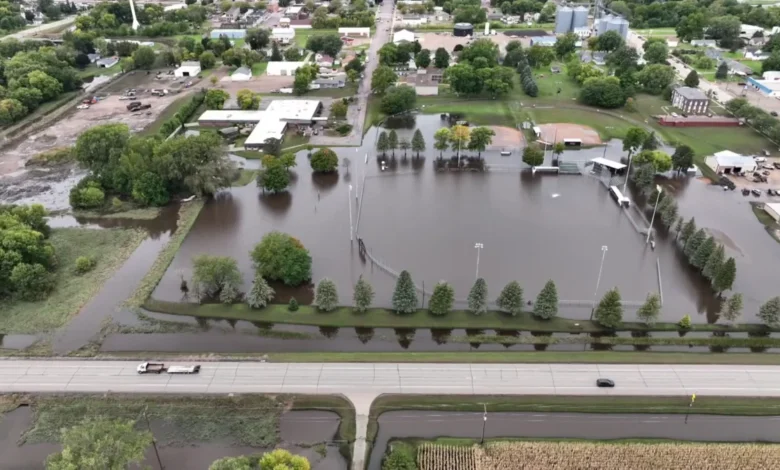
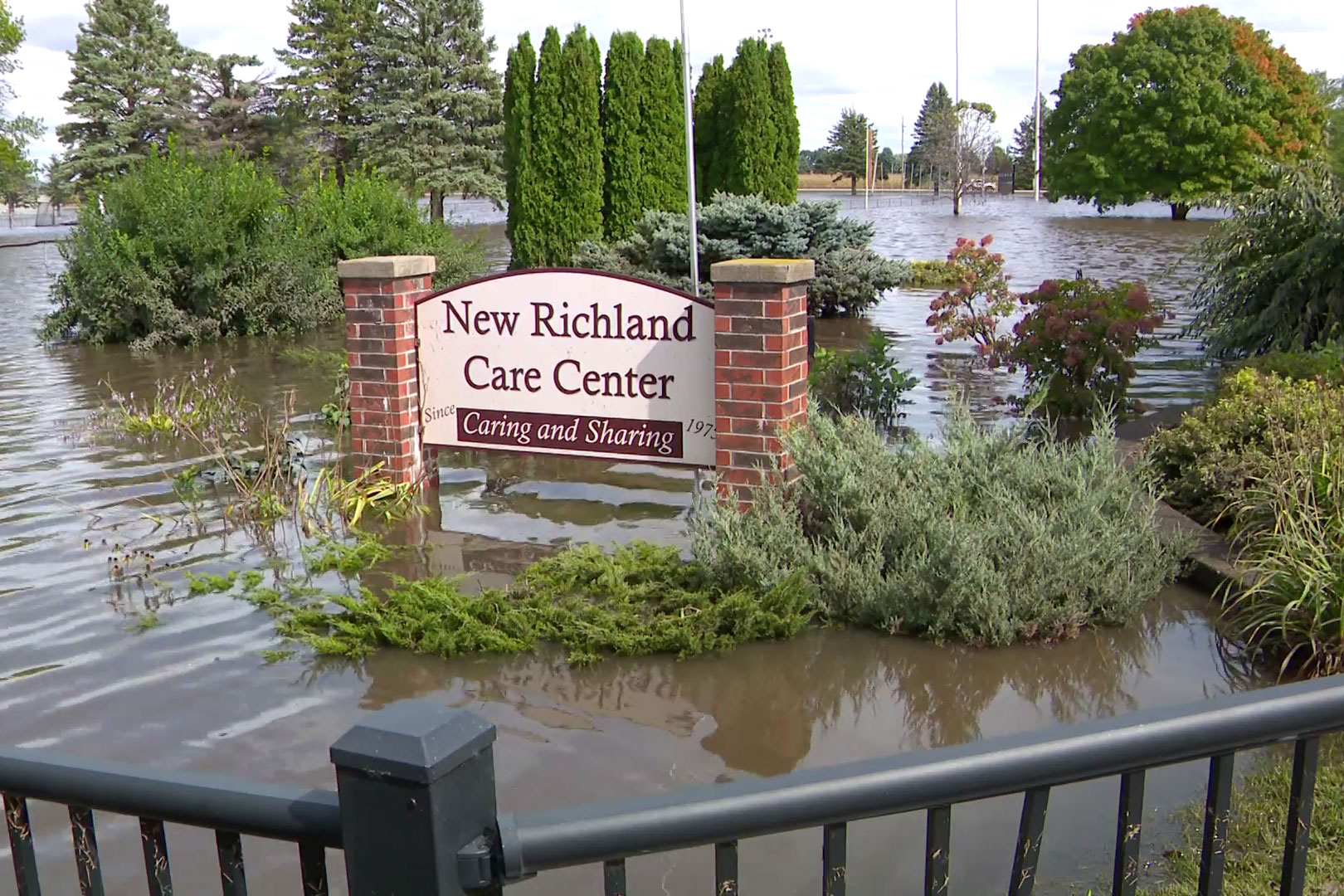
NEW RICHLAND, Minn. — Just before sunrise on Sept. 19, floodwater began seeping beneath the front doors of the New Richland Care Center, marking the beginning of a frantic, life-or-death evacuation for 36 vulnerable residents.
Inside the small-town, government-run facility located in southern Minnesota, staff members moved with urgency. Knowing they had only minutes before the situation deteriorated completely, workers pushed elderly residents in wheelchairs through four inches of murky water toward buses waiting in the parking lot.
As the minutes ticked by, the situation worsened rapidly. Inches of water quickly turned to feet. When the final three residents had to be evacuated, staff members were forced to place them on hospital beds, elevating them as high as the mechanisms would allow to escape the rapidly advancing water. Ultimately, local firefighters and volunteers from a high school football team waded into the building, pushing the beds across the street to safety.
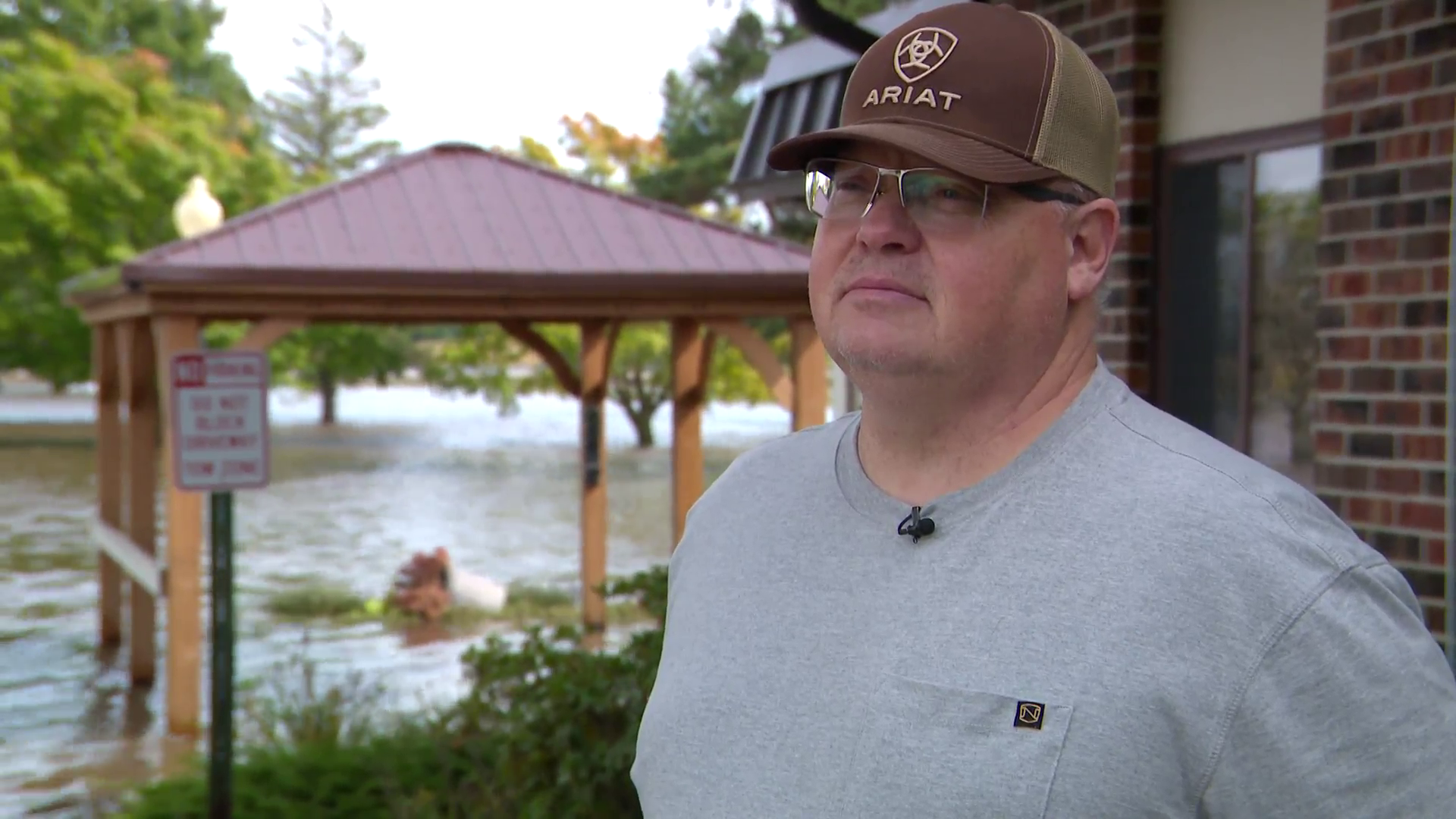
"It’s pretty devastating," said Robert Johannsen, the nursing home administrator, reflecting on the now-shuttered facility. "There was at least 2½ feet of water flowing down the hallways."
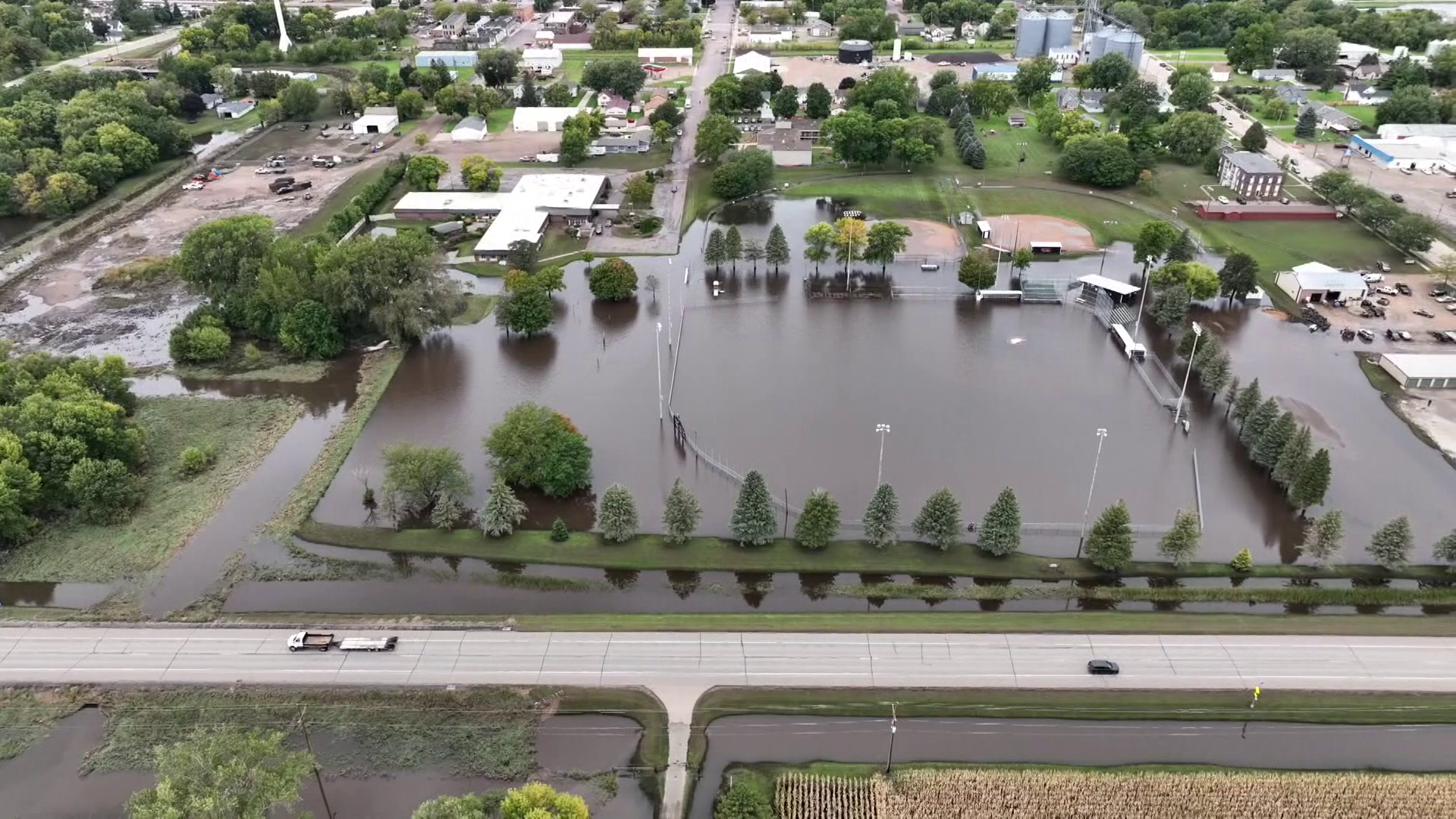
The disaster in New Richland is far from an isolated incident. Situated roughly 100 yards from a local drainage ditch, the care facility has now flooded three times in 16 years, including during the September storm. While the storm was notably heavy, dumping between 4 and 8 inches of rain across southeastern Minnesota, meteorologists noted it was hardly a historic weather event. Yet, its localized impact laid bare a terrifying vulnerability that threatens dozens of care facilities across the United States.
A Crisis Hidden in Plain Sight
A comprehensive analysis conducted by KFF Health News, utilizing peer-reviewed flood hazard mapping provided by the United Kingdom-based flood simulation firm Fathom, reveals that New Richland is far from alone. Across the United States, approximately 100 nursing homes face some of the nation’s most severe flood risks. In a major storm scenario, these facilities are projected to experience at least 2 feet of standing water—enough to severely endanger residents, disrupt critical medical infrastructure, and mandate emergency evacuations.
The KFF Health News analysis expands upon a broader 2025 investigative project that utilized Fathom’s high-resolution mapping to identify at least 170 U.S. hospitals at high risk of significant flooding. Fathom’s predictive models are widely regarded by climate scientists and disaster planners as vastly superior to official flood maps published by the Federal Emergency Management Agency (FEMA). FEMA maps are frequently criticized for being outdated and failing to account for accelerating climate change, shifting weather patterns, and localized urban runoff.
"Every community across the United States carries some level of flood risk," said Oliver Wing, chief scientific officer at Fathom. "There is this idea that unless you can either see the ocean or the Mississippi from your front room, then you’re not at risk of flooding—when the reality is that anywhere rain can fall, it can flood."
The Vulnerability of America’s Aging Population
The United States currently houses roughly 1.2 million individuals across nearly 15,000 nursing homes. During natural disasters, these populations face disproportionate risks. Many residents are medically frail, cognitively impaired, or entirely immobile. They rely heavily on uninterrupted daily care—ranging from specialized medication schedules to continuous oxygen therapy—that becomes exceedingly difficult, if not impossible, to maintain during a major flood event.
At the same time, these individuals are so physically fragile that the act of emergency relocation itself carries catastrophic health risks. Forcing a frail senior out of their bed and onto a bus or into a temporary shelter can easily trigger emergency room visits, severe trauma, and increased mortality rates.
Compounding this demographic challenge is a historical pattern of facility siting. Many of the nation’s nursing homes were constructed during the 1970s, long before modern climate change projections entered urban planning considerations. Facilities were frequently built near coastlines, rivers, and waterways to provide residents with scenic views, cooler ambient temperatures, and a peaceful environment.
"It’s a lot more comfortable than being in an urban jungle," explained Dr. David Dosa, head of geriatrics at the UMass Chan Medical School. "Obviously, now you’re in places that are a little more at risk."
Dosa has studied nursing home evacuations extensively, beginning with the catastrophic aftermath of Hurricane Katrina in 2005, when floodwaters breached the levees in New Orleans and dozens of residents perished in facilities that attempted to shelter in place.
The "Russian Roulette" of Evacuations
While Katrina and subsequent disasters drove the nursing home industry toward a mandatory evacuation philosophy, research shows that fleeing a storm presents its own deadly paradox.
In a 2011 peer-reviewed study co-authored by Dosa, researchers examined nursing home evacuations preceding three Gulf Coast hurricanes. They found that within the 30 days following each storm, the affected regions recorded a cumulative total of 277 more nursing home deaths than statistically expected. The data suggested a significant correlation between emergency evacuations and increased post-disaster mortality and morbidity among frail seniors.
"It’s Russian roulette. You’re damned if you do. You are damned if you don’t," Dosa said, summarizing the impossible choices facility administrators face. "Older adults and disasters don’t mix."
These findings are further supported by a 2024 study led by Cassandra Hua, an assistant professor at UMass Lowell. Examining Florida assisted living facilities evacuated ahead of Hurricane Irma in 2017, Hua’s team discovered a 16% increase in emergency room visits among evacuated residents. Because assisted living residents are generally healthier than those in traditional nursing homes, experts warn that the health tolls in a skilled nursing facility evacuation are likely even higher.
"Assisted living residents are quite frail in their own right," Hua noted. "But nursing home residents are usually at higher risk. So anything you see in assisted living might be multiplied in a nursing home setting."
A Chronology of Disasters: From New York to Minnesota
The threat of catastrophic flooding is not restricted to any single region. Facilities along the coasts, in the Midwest, and throughout the South have repeatedly fallen victim to rising waters:
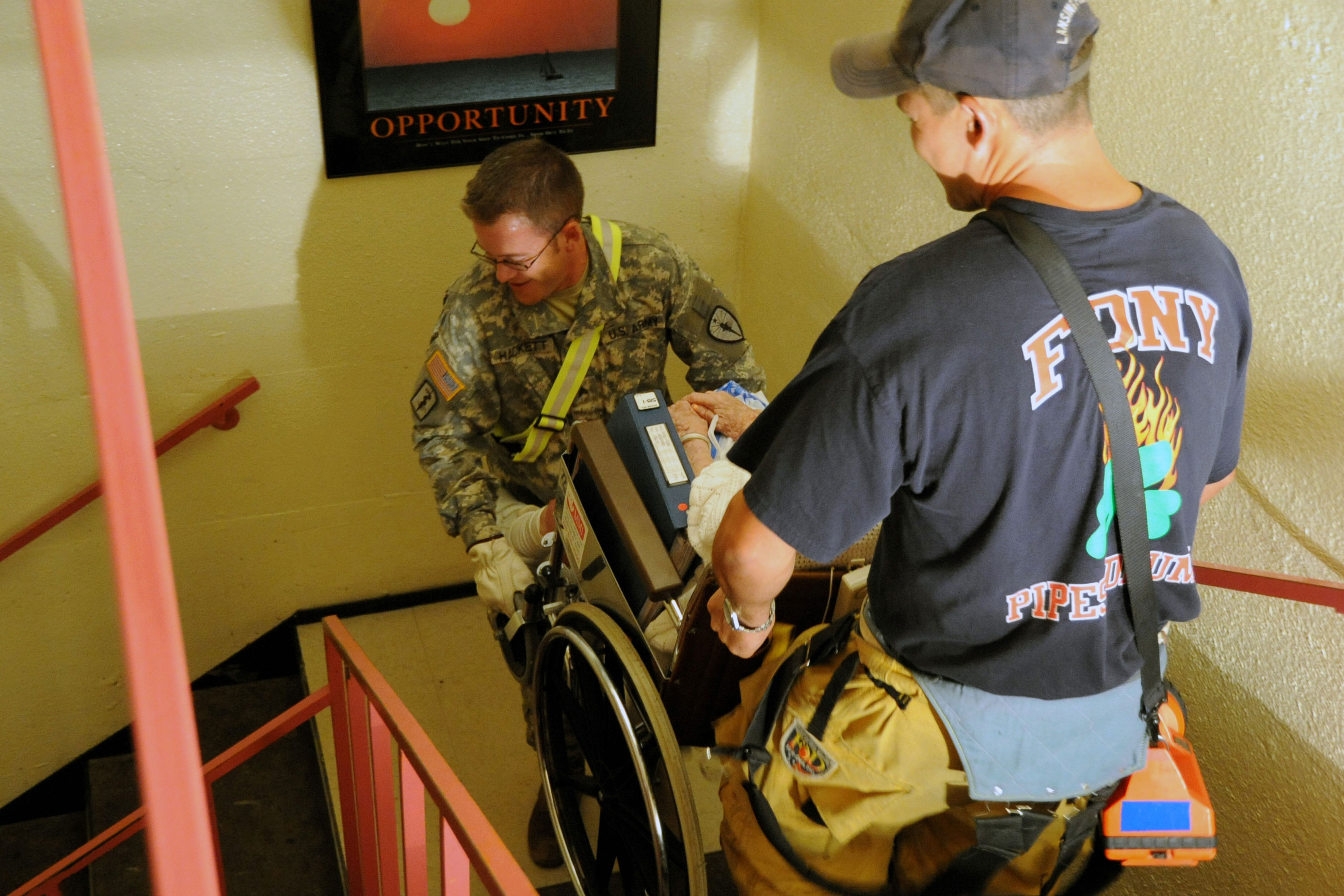
- September 2008 (Hurricane Ike): More than 150 residents of the five-story Munster Med Inn in Indiana were forced to evacuate. National Guard troops and local firefighters carried frail residents down darkened stairwells as floodwaters surrounded the building.
- August 2010 and September 2016: Local media archives indicate that the New Richland Care Center in Minnesota was forced to evacuate due to severe flooding on multiple occasions prior to the 2023 near-miss and the devastating Sept. 19 flood.
- October 2012 (Superstorm Sandy): At least five New York nursing homes were severely flooded as storm surges battered the coastline, causing widespread power failures and trapping residents, while others narrowly avoided disaster through elevated architecture.
- September 2023: The New Richland Care Center was partially surrounded by floodwaters, serving as a warning sign that went unmitigated.
- September 2025: Heavy storms dumped 4 to 8 inches of rain on southeastern Minnesota. Storm runoff from surrounding agricultural fields funneled directly into the low-lying basin housing New Richland, overwhelming the local drainage infrastructure and inundating the care center with 2.5 feet of indoor water.
The Political and Environmental Choices of Water Management
According to Fathom’s Oliver Wing, the disaster in New Richland was an environmental accident waiting to happen, driven by local land-use decisions.
While the natural landscape of southern Minnesota historically absorbed heavy precipitation, decades of agricultural alterations—such as draining wetlands and channeling runoff through ditches and creeks—now funnel massive volumes of water directly toward low-lying municipal bowls. The New Richland Care Center sits squarely inside one such topographic trap.
"The choice has been made that we don’t want water in our crop fields. We want it in the nursing homes of vulnerable people," Wing asserted. "That’s the choice that has been made, politically, in that part of Minnesota."
Climate scientists warn that these vulnerabilities will only intensify. Drew Gronewold, a climate scientist at the University of Michigan, explains that as global temperatures rise, the atmosphere’s capacity to hold moisture increases, leading to unprecedented precipitation events. Storm tracks are shifting unpredictably, dropping massive volumes of rain on regions historically considered low-risk for major flooding.
"These types of, in air quotes, ‘unanticipated events’ are going to be part of our future," Gronewold said.
The Human Toll and Broader Implications
For the residents and staff of the New Richland Care Center, the immediate crisis has subsided, but the long-term fallout is profound. Receding floodwaters left behind knee-high watermarks, mud-smeared corridors, and ruined personal property, including treasured photo albums stored in low-lying cabinetry.
The facility—which employs roughly 85 people, making it one of the largest economic anchors in the small town—is expected to remain closed for repairs for anywhere from five months to a full year. In the immediate aftermath, residents were temporarily housed in a local school gymnasium before being dispersed across nine different nursing homes throughout the region.
"It was an awful experience that I hope nobody ever has to go through. Because these people lost homes," Johannsen said, visibly shaken by the ordeal. "My staff is losing their jobs. And I don’t know what to do."
As climate change continues to drive extreme weather anomalies across the United States, public health experts and disaster planners face an urgent imperative: reevaluating where the nation houses its most medically vulnerable citizens. Without aggressive infrastructure upgrades, stricter zoning laws, and proactive climate adaptation strategies, facilities like the New Richland Care Center will remain on the front lines of an escalating national crisis—where every heavy rainfall threatens a catastrophic community emergency.
Related posts: