The Human Toll: How Aggressive Immigration Enforcement and Policy Shifts Are Fracturing the Lives of America’s Children

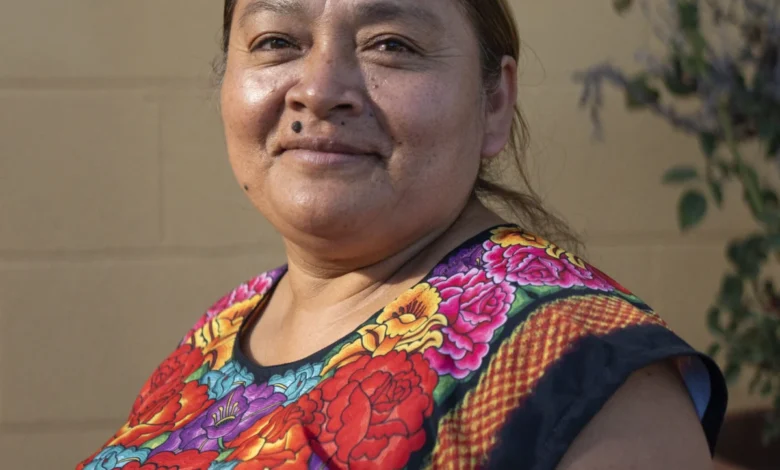
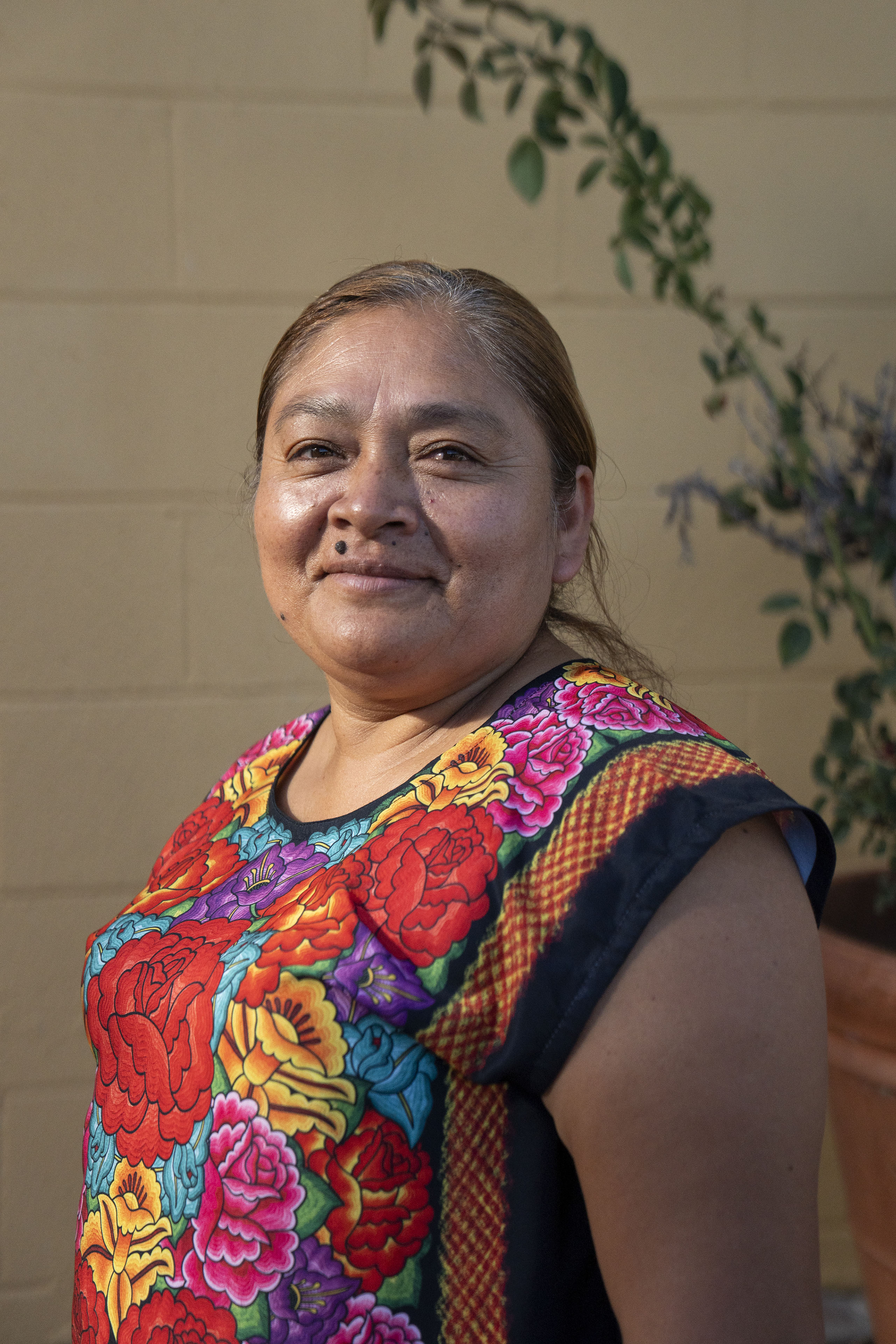
On a cold December morning in Oxnard, California, a six-year-old girl stared up from a neighbor’s doorway at Norma Gómez with brown eyes suddenly illuminated by fragile hope.
“Are you the person who’s going to bring my mom back?” she asked.
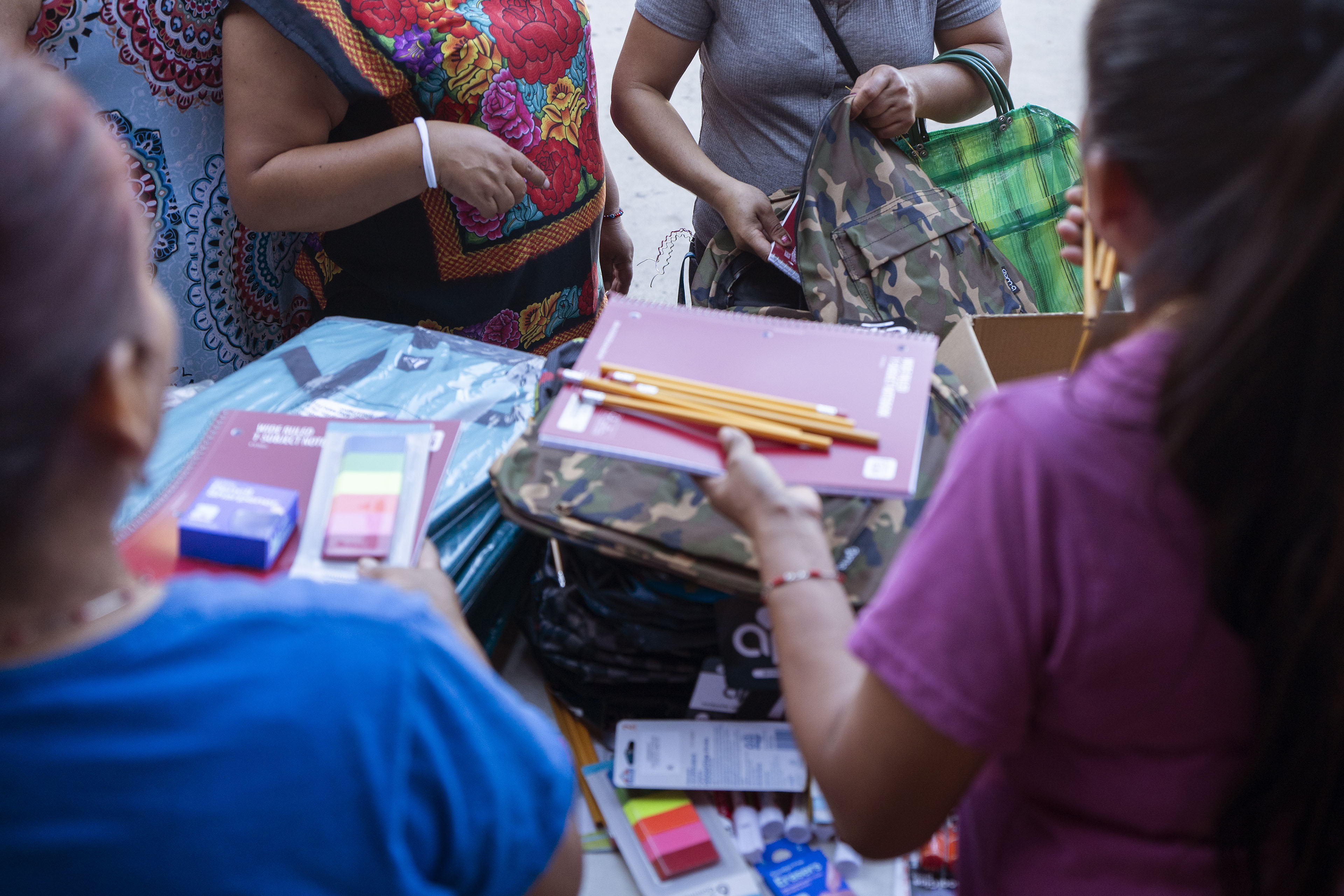
Gómez, a project manager for the Mixteco Indigena Community Organizing Project, stood frozen. She had arrived bearing emergency provisions—food, diapers, baby wipes, and warm clothing—designed to sustain the young girl, her infant brother, and the neighbor who had unexpectedly stepped in to care for them. Just hours earlier, federal immigration agents had arrested the children’s parents outside their apartment in this coastal agricultural community. Gómez had no legal power, no administrative leverage, and no easy answers.
“We’re working on that,” Gómez eventually replied, shielding the child from a harsher truth she was unequipped to process.
That heartbreaking encounter captures a widespread, escalating humanitarian and public health crisis across the United States. Since President Donald Trump returned to the White House for his second term, aggressive immigration enforcement, sweeping workplace raids, and systematic policy rollbacks have unleashed profound trauma on millions of families. While the political debate surrounding immigration focuses heavily on borders, economics, and national security, a silent casualty has emerged: a generation of children, the vast majority of them United States citizens, bearing the psychological, developmental, and financial scars of a fractured immigration system.
The Scope of the Crisis: Numbers and Disruption
The modern U.S. unauthorized immigrant population reached a historic high of roughly 14 million in 2023, setting the stage for the large-scale enforcement operations that followed. According to data from advocacy organizations and policy institutes, the federal government has detained the parents of an estimated 205,000 children through April of the enforcement campaign. Simultaneously, analysis by independent newsrooms reveals that over 6,200 children have experienced direct detention by Immigration and Customs Enforcement (ICE) facilities or associated apparatuses.
The impact extends far beyond the children whose parents are physically detained. Roughly 1 in every 4 children born in the United States lives with at least one foreign-born parent, translating to approximately 4.6 million U.S.-citizen children who live with a parent lacking legal status.
When federal and state governments curtail access to public benefits, healthcare, and safety-net programs, the collateral damage is borne overwhelmingly by American citizens. Legislative changes enacted during recent budget reconciliations have systematically restricted immigrant eligibility for federal food assistance, health coverage, and tax credits. Furthermore, updated "public charge" guidelines have given immigration officials discretionary authority to deny green cards to lawfully present immigrants if they or their family members have utilized public support programs. Consequently, public health experts project that well over 1 million U.S.-citizen children will be disenrolled or discouraged from participating in essential safety-net healthcare programs like Medicaid and the Children’s Health Insurance Program (CHIP).
Chronology of Policy Shifts and Enforcement Escalation
The current enforcement environment is the culmination of a multi-year administrative and legislative strategy aimed at restricting immigration pathways and expanding domestic removal operations.
The strategy began on Inauguration Day, when the administration issued an executive order attempting to end birthright citizenship for children born to parents without legal status or residing in the country on temporary visas—a move ultimately halted by the Supreme Court. Throughout the subsequent months, the administration, backed by congressional majorities, directed billions of additional dollars toward ICE and Customs and Border Protection.
Simultaneously, the administration targeted temporary protected statuses (TPS), moving to rescind protections for over 1 million immigrants, tens of thousands of whom are parents to American-born children. Administrative backlogs and policy freezes have similarly stalled renewals for the Deferred Action for Childhood Arrivals (DACA) program, placing families of an estimated 300,000 U.S.-citizen children in legal limbo.
By mid-summer, legislative updates curtailed nutritional and medical assistance, culminating in public charge rules that accelerated a chilling effect throughout immigrant communities. Parents, terrified of exposing their legal vulnerabilities, began pulling children from classrooms, avoiding routine medical appointments, and steering clear of public parks.
Official Responses and Justifications
Proponents of the administration’s agenda argue that aggressive enforcement is necessary to restore the rule of law, protect national security, and alleviate pressures on domestic infrastructure.
White House officials maintain that mass deportations and stricter eligibility guidelines ultimately benefit American citizens by freeing up housing, expanding employment opportunities for native-born workers, and curbing public expenditures. Administration leaders have frequently argued that lenient immigration policies encourage unauthorized entry and exploit humanitarian frameworks.
Addressing the long-term well-being of affected children, White House spokesperson Lauren Bis directed attention toward the legacy of prior administrations. In an email statement, she emphasized the psychological impact on children brought across the border unlawfully, stating, “The real story is the psychiatric impact on the tens of thousands of children who were smuggled across the border — many by human and sex traffickers.”
Stephen Miller, a primary architect of the administration’s immigration strategy, defended the sweeping measures on social media and in policy briefs. Miller asserted that the children of immigrants can perpetuate socio-economic challenges from their parents’ countries of origin, writing on social platform X that importing migrants equates to importing foreign societal structures and conditions.
In contrast, mainstream economic and sociological research consistently disputes the premise that immigrants are a net drain on public resources. Studies published by academic institutions and federal agencies indicate that immigrants utilize welfare at rates significantly lower than native-born Americans, assimilate rapidly over time, and contribute substantially to long-term economic growth and tax revenues.
The Psychological Toll and Public Health Implications
The disruption of family units carries severe, documented psychological consequences. Developmental psychologists and pediatricians have drawn direct lines between parental detention, deportation threats, and chronic toxic stress in children.
The American Academy of Pediatrics has repeatedly warned that family separation and immigration-related fear act as adverse childhood experiences (ACEs), triggering long-term risks for anxiety, depression, post-traumatic stress disorder, cardiovascular disease, and academic failure. A 2024 study by federal researchers estimated that health conditions stemming from childhood trauma accounted for $292 billion in healthcare spending in a single year, highlighting the broader economic footprint of psychological distress.
In local communities, the climate of fear has materialized in harrowing ways. Pediatric clinics report a surge in anxiety-related referrals. Daycare providers note young children arriving with packed belongings, fearing their parents will not return from work. In extreme cases, the distress has proven fatal; in June, a 19-year-old named Eliel José died by suicide in Georgia following the deportation of his father, mirroring tragedies in other states where youth overwhelmed by the threat of family dissolution took their own lives.
Rosie Harrison, executive director of Grow Initiative GA, expressed deep concern over the scarcity of accessible mental health services for low-income immigrant families, many of whom have lost employer-sponsored health insurance due to worksite raids or administrative job displacement. “I’m concerned about the families that are going to be burying their child,” Harrison said. “I’m concerned that we are going to miss out on having an amazing person do amazing things for our community, for our country, because they took their life.”
Community Resilience and Grassroots Resistance
Despite the institutional pressures, children and local communities have demonstrated remarkable resilience. In neighborhoods across Southern California and beyond, children have taken on protective roles, accompanying younger siblings to school or managing grocery trips to shield their parents from exposure to law enforcement.
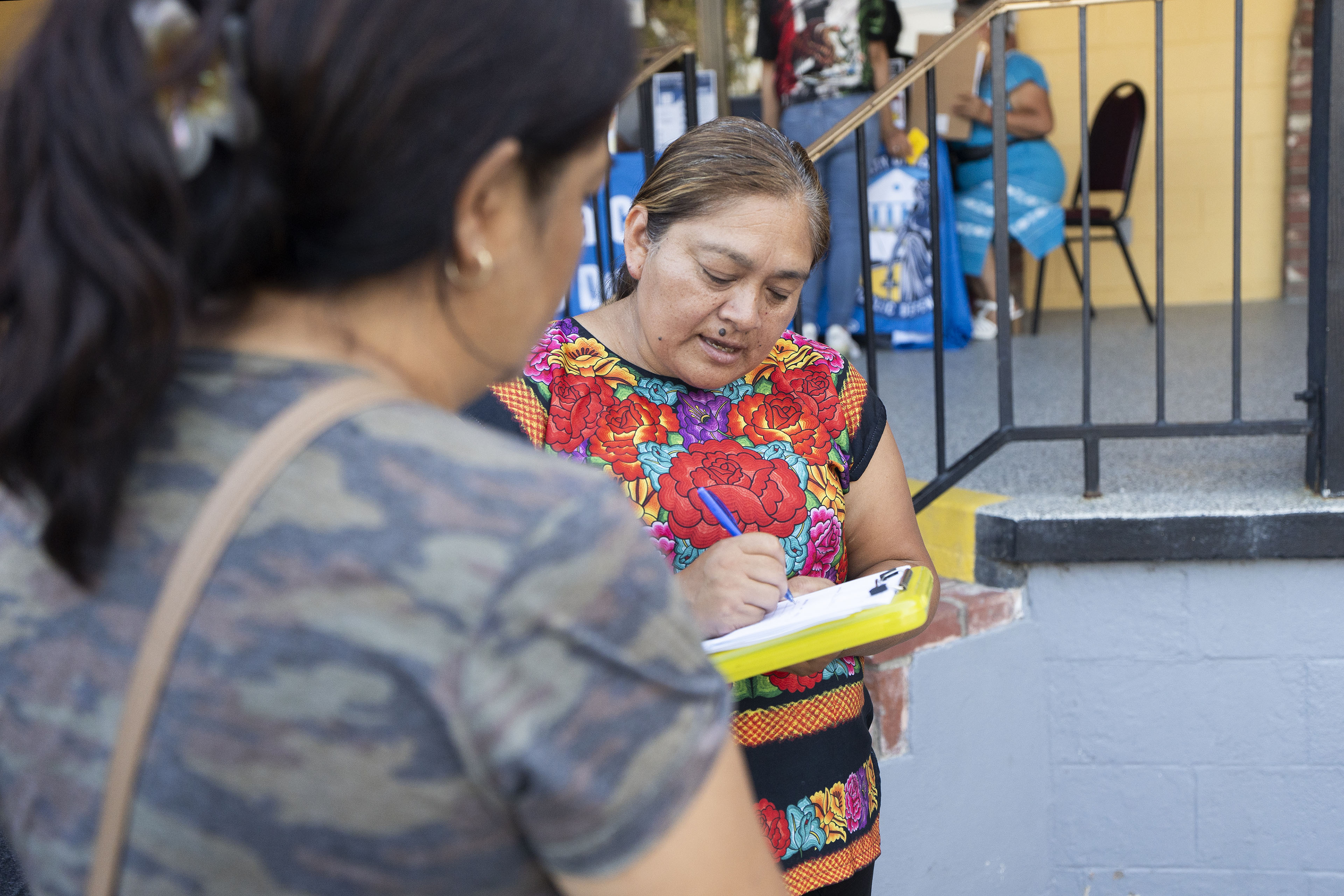
Grassroots networks have mobilized to counter the isolating effects of enforcement operations. In Thousand Oaks, California, community defense volunteers and student groups monitor enforcement activity, while local mutual aid organizations deliver groceries, provide pro bono legal assistance, and offer free mental health counseling. Medical professionals, such as those at the Venice Family Clinic in Los Angeles, actively assist families in drafting emergency childcare and legal guardianship plans in the event of sudden detentions.
Policy Analysis and Alternative Frameworks
Public policy experts argue that mitigating the long-term damage inflicted on this generation of children will require a fundamental reassessment of immigration enforcement tactics.
Wendy Cervantes, director of immigration and immigrant families at the Center for Law and Social Policy, voiced deep concern over the multi-generational fallout. “I’m really concerned about how long it’s going to take for us as a country to address all of the harm that’s happening to this generation of kids,” Cervantes noted. “This type of stress can have long-term developmental harm and can really inhibit their ability to do well in school, to have good health outcomes, and to grow into thriving, stable adults.”
Researchers point to past administrative models as viable alternatives to family-separating enforcement strategies. The Family Case Management Program, launched in January 2016 under the Obama administration, allowed asylum-seeking families to remain within communities while utilizing case managers to ensure compliance with immigration proceedings. Evaluations proved the program to be both cost-effective and successful in maintaining court appearance rates without resorting to mass detention—though the framework was ultimately dismantled by prior administration directives.
As legal battles continue in federal courts and public opinion remains deeply divided—with polling showing only 39% of Americans approving of the administration’s handling of immigration—frontline workers like Mabel Alavez continue navigating the human wreckage in community health centers.
Reflecting on the mounting pressures faced by first-generation American children growing up under the shadow of enforcement, Alavez captured the pervasive uncertainty. “It’s hard for me to imagine how they could possibly do that in addition to what’s going on now,” she said. “I do feel like there will be a big impact on them. What that might look like, I’m not exactly sure.”