Rescued Eastern Box Turtle in Kentucky Undergoes Delicate Rehabilitation After Being Subjected to Multiple Layers of Toxic Paint

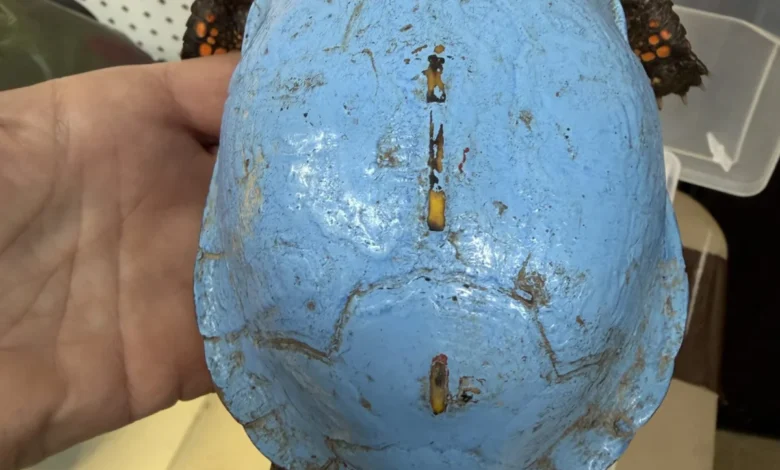
The discovery of an Eastern box turtle coated in vibrant layers of blue and red paint at a newly purchased residential property in Campbellsville, Kentucky, has reignited wildlife advocacy discussions regarding the mistreatment and improper handling of native fauna. The adult female turtle, belonging to the species Terrapene carolina carolina, was brought to the attention of licensed wildlife rehabilitators after a homeowner realized the animal shared the property with her. Transferred into the care of the Wilderness Trail Wildlife Center in London, Kentucky, the turtle has become the focal point of a meticulous, multi-week restoration process designed to reverse the damage inflicted by human intervention.
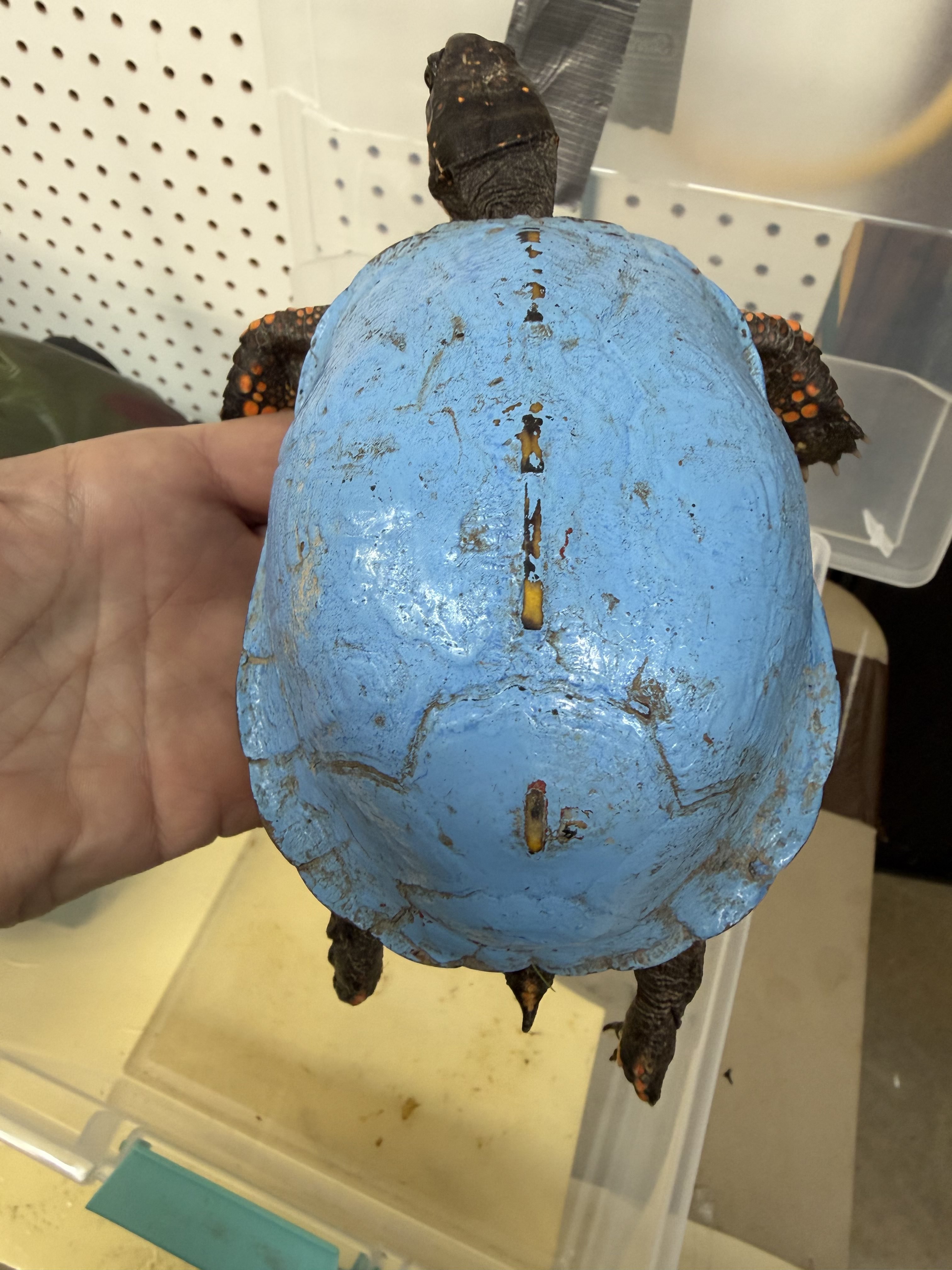
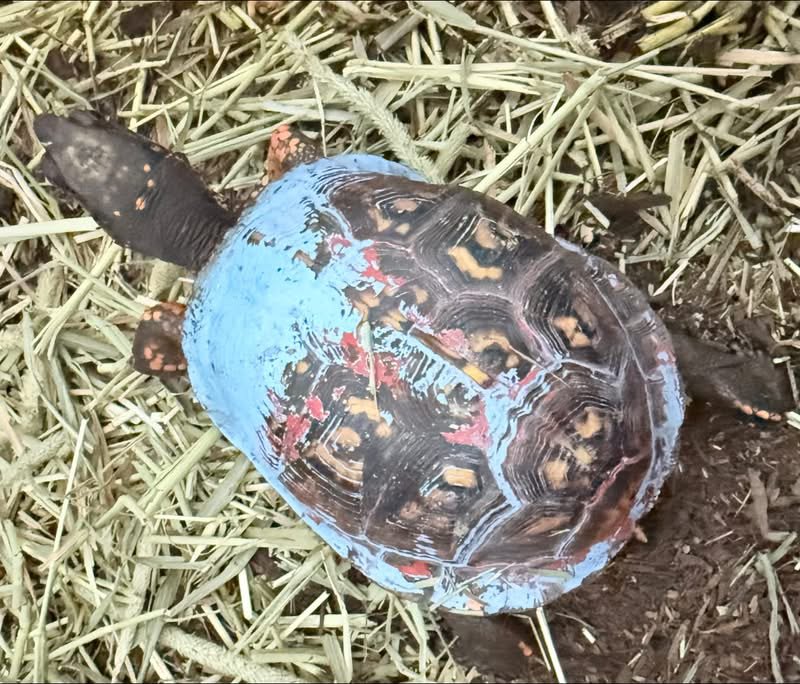
This incident underscores a persistent challenge faced by wildlife sanctuaries across North America: the casual, often misguided modification of wild animals by humans. According to Tonya Poindexter, a licensed wildlife rehabilitator and director at the Wilderness Trail Wildlife Center, the turtle was subjected to at least two distinct layers of heavy-duty paint, with a stark blue exterior masking an older red coat beneath. Experts believe the substance is oil-based, posing severe physiological risks to the reptile. As wildlife agencies continue to field reports of painted, marked, or otherwise altered animals, this case serves as an urgent reminder of the biological vulnerabilities wildlife face when subjected to human domestic habits.
Chronology of the Discovery and Rescue Operation
The timeline of the turtle’s rescue began when a property buyer took possession of a home in Campbellsville, Kentucky. While inspecting the grounds, the new resident encountered the brightly colored reptile moving through the yard. Recognizing that the striking hue was entirely unnatural for a native woodland species, the homeowner engaged in a conversation with a local neighbor. The neighbor revealed that a previous occupant of the residence had a history of capturing and painting turtles residing on or near the property, a practice allegedly viewed locally as a quirky form of pet identification or backyard art.
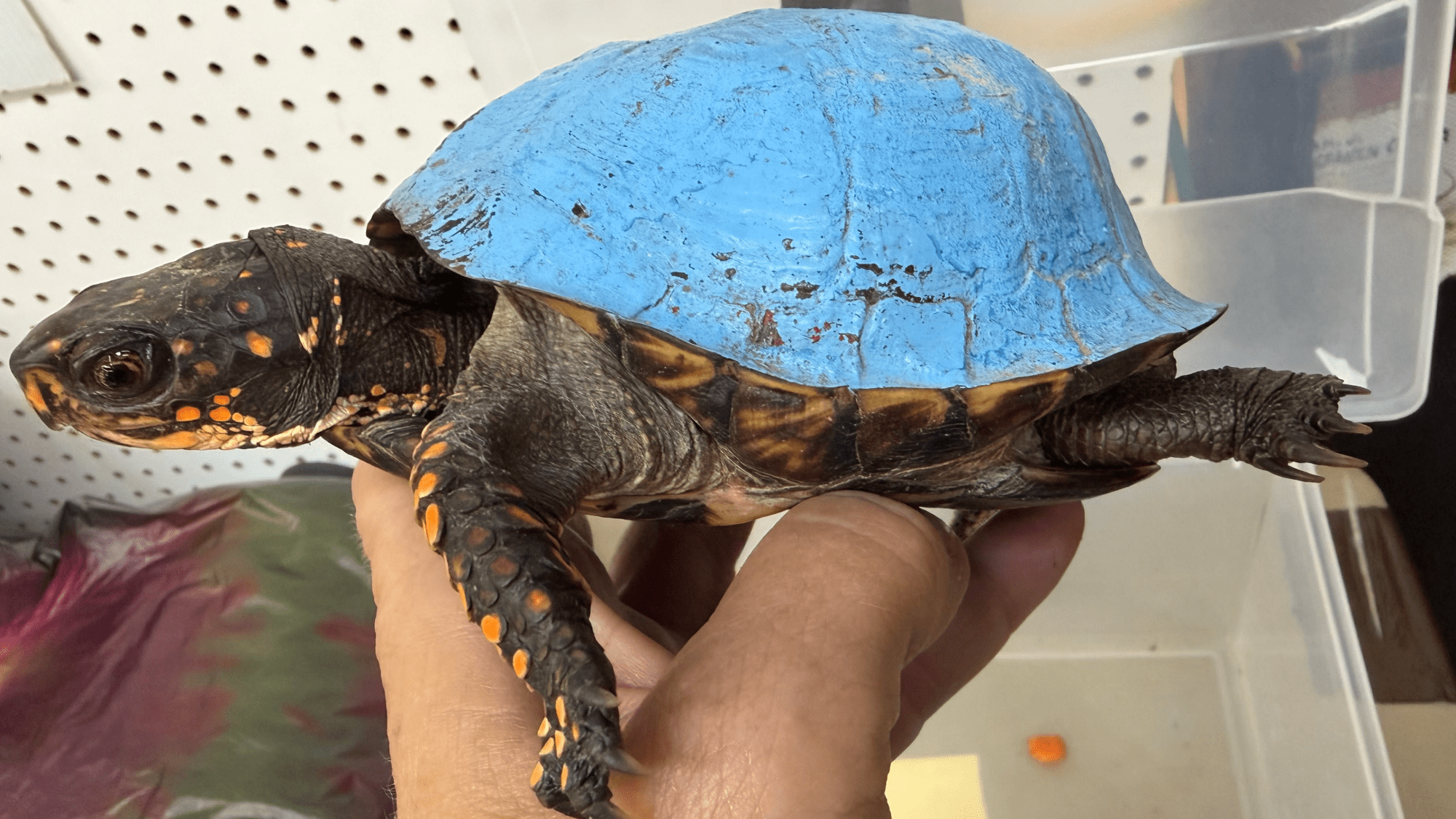
Realizing the potential harm the paint could cause, the homeowner contacted the Wilderness Trail Wildlife Center. Staff members arranged for the reptile to be transported approximately two hours southeast to the center’s facility in London, Kentucky, for a comprehensive medical evaluation. Upon arrival, veterinary and rehabilitation staff confirmed that the animal was physically healthy aside from the chemical encrustation on her carapace.
The rescue team immediately initiated a slow, cautious decontamination process. Because the paint layers were thick and chemically resilient, technicians could not remove the substance in a single session. Instead, they established a careful protocol: soaking the turtle in warm water to soften the compounds, followed by gentle scrubbing with a soft-bristled toothbrush and mild dish soap. For stubborn patches of oil-based pigment, handlers applied minute quantities of mineral spirits to break down the bond, taking rigorous precautions to shield the animal’s head and ensure adequate ventilation to prevent fume inhalation. Once the paint is fully eradicated, the homeowner who facilitated the rescue has agreed to return the turtle to her native habitat in Campbellsville.
Biological Implications of Carapace Alteration
To the untrained eye, a turtle’s shell may resemble a detached, inanimate exterior armor—akin to a hermit crab’s shell or a bird’s abandoned nest. However, zoological science dictates a vastly different reality. The carapace and plastron of an Eastern box turtle are integral components of the animal’s skeletal and nervous systems. The shell is composed of bone plates fused with the animal’s ribs and spine, covered by tough, keratinous scales known as scutes.
Because the shell is living tissue, it grows, responds to metabolic changes, and mends itself when injured. Applying synthetic chemicals, heavy enamels, or oil-based paints introduces potent toxins directly onto a living bone structure. Solvents and chemical compounds can seep through the porous keratin, potentially leading to systemic toxicity, chemical burns, or chronic dermatological issues. Furthermore, the weight and structural rigidity of thick paint layers can impede the natural micro-flexibility of the shell, which plays a role in respiration and growth.
Beyond physiological toxicity, the application of bright pigments severely compromises an Eastern box turtle’s primary defense mechanism: camouflage. Native to the deciduous forests of the eastern United States, T. carolina carolina relies heavily on cryptic coloration. Their natural pigmentation—a complex mosaic of dark brown, black, olive, bright yellow, orange, and red blotches—allows them to blend seamlessly into the dappled light of forest floors, leaf litter, and underbrush.
When a turtle is coated in industrial shades of blue or red, its ability to evade predators such as raccoons, foxes, coyotes, and birds of prey is virtually neutralized. In a natural ecosystem, a bright blue box turtle functions as an illuminated target, drastically reducing its long-term survival probability. It was precisely this threat to her survivability that led rehabilitation specialists to decide against an immediate release upon intake, opting instead for intensive intervention.
Expert Guidance and the Broader Threat to Native Herpetofauna
The Campbellsville incident is not an isolated event. Wildlife rescue organizations across the United States frequently encounter turtles marked with nail polish, spray paint, enamel, or even carved initials by individuals attempting to track pets, entertain children, or identify specific garden visitors. Conservationists emphasize that while marking animals for research or population monitoring is common in professional herpetology, it is strictly regulated, using non-toxic, temporary, or specialized wildlife-safe tags that do not impair camouflage or health.
Poindexter and her colleagues strongly caution members of the public against attempting DIY removal methods when encountering altered wildlife. Home remedies such as industrial paint strippers, acetone, gasoline, or aggressive scraping tools can inflict catastrophic damage on a turtle’s sensitive skin and underlying bone structure.
"Solvents can be irritating and potentially harmful," Poindexter noted. "If someone finds a wild turtle covered in paint, glue, tar, or another chemical, I would recommend contacting an experienced licensed wildlife rehabilitator or veterinarian rather than experimenting with chemicals or trying to scrape it off."
Public Education and Conservation Outlook
As urban and suburban developments continue to encroach upon the natural habitats of Eastern box turtles, human-wildlife encounters are increasingly frequent. The Eastern box turtle is currently classified as a species of concern across multiple states due to habitat fragmentation, vehicular mortality, and the illegal pet trade. Incidents driven by human carelessness—such as painting shells—add an entirely preventable vector of mortality to populations already under environmental stress.
The rehabilitation of the Campbellsville turtle highlights the dedication of regional wildlife networks and underscores the need for broader public awareness campaigns. Environmental agencies continue to advocate for passive observation over active physical interference when citizens encounter native wildlife. As the rehabilitators at the Wilderness Trail Wildlife Center work toward the final stages of the turtle’s recovery, their core message remains simple: wild animals require no artificial embellishment to thrive in their natural ecosystems.
"Eastern box turtles are already beautifully painted—by nature," Poindexter concluded.