U.S. Diesel Prices Hit Record Highs, Sparking Heated Debate Over Export Bans and Economic Fallout

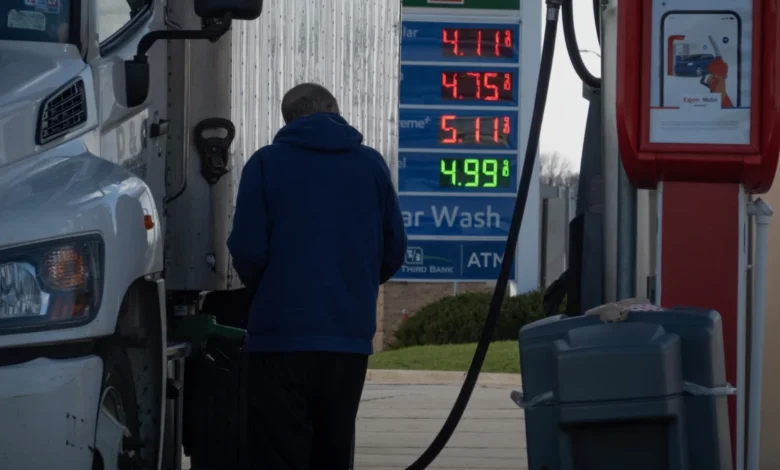
The United States is facing an unprecedented economic and logistical crisis as diesel fuel prices shatter historic records day after day. According to data from the American Automobile Association (AAA), the national average for a gallon of diesel reached a staggering $6.52, driven by supply chain pressures, escalating geopolitical conflict, and intense domestic political friction. The relentless surge—amounting to an increase of roughly 80 percent since the outbreak of war between the United States and Iran earlier this year, with an almost $1 spike recorded in September alone—has ignited a fierce debate in Washington over whether the federal government should implement an emergency ban on diesel exports to protect American consumers, farmers, and transport operators.
While passenger vehicles rarely utilize diesel, the fuel serves as the lifeblood of the broader American economy. It powers the massive fleet of freight trucks, transcontinental cargo trains, and maritime shipping vessels responsible for moving goods across the nation. Furthermore, the agricultural sector relies heavily on diesel-powered machinery to plant, harvest, and transport crops. Consequently, the relentless price climb is rippling across every tier of the supply chain, amplifying inflation and escalating the cost of everyday consumer goods.
The political pressure to intervene has intensified dramatically. President Donald Trump, speaking from the sidelines of the United Nations General Assembly in New York, endorsed the idea of restricting foreign shipments. “I’ve said let’s not send out the diesel,” Trump remarked regarding a potential export ban. “I’ve called for it. I’ve called for it within my people.”
A Growing Political Divide and Legislative Reactions
The proposal has found vocal champions among lawmakers representing agricultural and industrial heartlands. Republican lawmakers, pointing to existing trade restrictions, argue that extraordinary circumstances warrant extraordinary market interventions. Senator Chuck Grassley of Iowa took to social media to draw a comparison to federal policy regarding advanced technology. “If our govt can embargo chips to China it can embargo diesel to help American farmers & truckers,” Grassley wrote on X.
His sentiment was echoed by fellow Iowa Republican Representative Ashley Hinson, as well as Senate Majority Leader John Thune of South Dakota. Expressing a willingness to consider disruptive policy options to relieve mounting financial pressure on constituents, Thune noted, “If that would take pressure off of prices, I’m open to exploring it.”
However, the proposal faces substantial pushback from lawmakers representing major energy-producing states and free-market advocates. Senator John Cornyn of Texas, representing the nation’s top oil-producing state, dismissed the concept during an interview with The Hill, characterizing an export ban as a mere “gimmick.” Similarly, Interior Secretary Doug Burgum argued during a CNBC appearance that such measures could backfire and “actually hurt Americans.”
Democrats, meanwhile, have largely adopted a cautious posture regarding the diesel debate, despite having historically advocated for export restrictions on domestic petroleum products during previous price surges in 2021 and earlier under the Biden administration. Senator Peter Welch of Vermont criticized the administration’s rhetoric, telling reporters, “Trump is all smoke and mirrors. If he’s serious about lowering prices of oil, gas, and home heating oil, he needs to end his illegal war with Iran.”
Economic Toll and Macroeconomic Implications
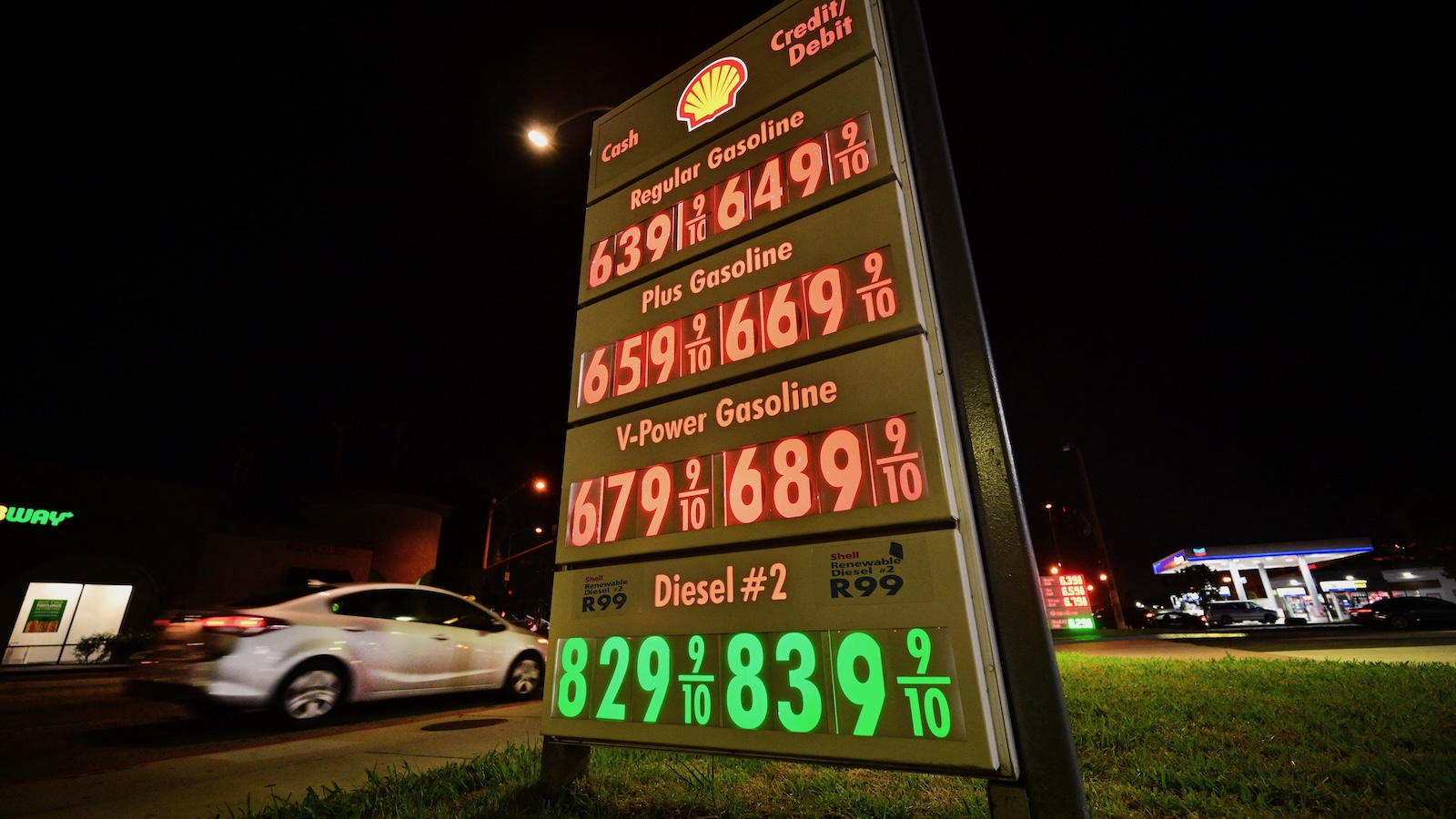
The quantifiable fallout of the ongoing energy crisis has been severe. An online tracking dashboard developed by researchers at Brown University—specifically designed to monitor the local economic impacts of the U.S.-Iran conflict—indicates that elevated diesel prices have cost the average American household nearly $400, accumulating to more than $51 billion in aggregate economic damage nationwide.
Jeff Colgan, a Brown University political scientist who helped construct the tracker, argues that restricting fuel exports would artificially increase domestic supply, subsequently driving down prices for domestic consumers. “It could make a huge difference,” Colgan stated.
Conversely, petroleum industry analysts and trade organizations strongly reject this economic rationale. Patrick De Haan, head of petroleum analysis for GasBuddy, argued on social media that domestic prices are inextricably linked to international commodity markets rather than localized supply balances alone. “U.S. diesel prices are determined not by a U.S. supply and demand balance, but a global one,” De Haan wrote. “Keeping distillates and diesel home does not change the world price.”
The American Fuel & Petrochemical Manufacturers (AFPM) echoed these warnings in a formal press release, asserting that export prohibitions would yield counterproductive results. “Export bans do not create more fuel for Americans,” the organization stated. “They reduce U.S. fuel production, put upward pressure on prices, weaken energy security and hand market share to foreign competitors.”
Historical Precedents and Policy Alternatives
The concept of restricting energy exports is not entirely novel within American legislative history. In 1975, in the wake of the OPEC oil embargo that crippled domestic fuel availability, Congress enacted the Energy Policy and Conservation Act. This legislation instituted an effective ban on crude oil exports that remained codified for four decades until it was formally repealed during the Obama administration in 2015. Since the lifting of the ban, major domestic oil and gas corporations have reaped billions of dollars through international trade, generating fierce corporate resistance against any renewed regulatory intervention.
Prior to President Trump’s public remarks endorsing export restrictions, senior White House officials indicated that the administration was not actively formulating an export ban. It remains unclear whether the president’s statements will translate into formalized executive action or if Congress possesses the bipartisan momentum required to advance legislative remedies.
Amid the polarized debate between total free-market non-intervention and outright protectionism, consumer advocacy groups are calling for a more measured approach. Tyson Slocum, energy program director for the non-profit consumer advocacy organization Public Citizen, criticized the prevailing political discourse for lacking nuance.
“The debate is so absurdly simplistic. People are like either total unfettered, unregulated exports or zero exports,” Slocum observed. He noted that policymakers have access to numerous intermediate policy levers, such as adjusting export quotas rather than implementing a total embargo. According to Slocum, even partial regulatory adjustments could yield immediate relief: “It could be very significant. You would absolutely see a significant short-term drop in diesel prices.”
As the national average hovers near record highs, policymakers, industry stakeholders, and consumers remain locked in a tense standoff. With the macroeconomic costs climbing past the tens of billions of dollars and supply chains heavily strained, the path forward will depend heavily on whether the administration and Congress can forge a viable strategy to reconcile domestic economic relief with global energy market realities.
Related posts: