As the Research Gap Widens in Trenton the Fight Against Lead Contamination Faces a Critical Turning Point

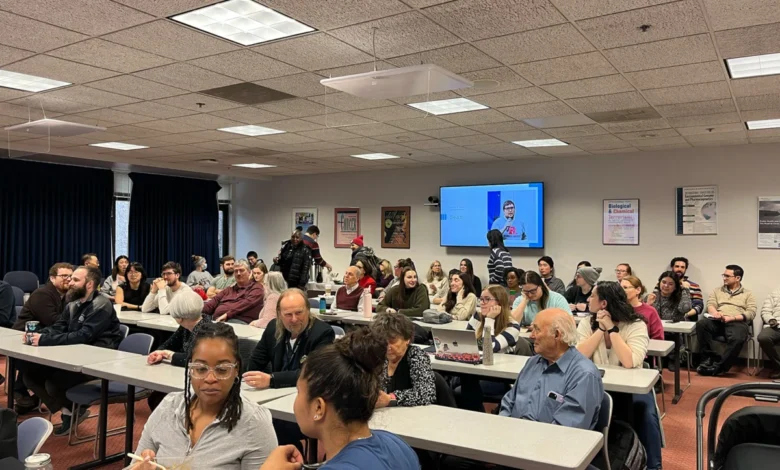
For nearly three decades, Kim Booker lived in Trenton, New Jersey, largely unaware of the silent threat permeating the walls of her home and the soil of her yard. Born and raised in a city once defined by its industrial prowess, Booker only began to connect the dots of her family’s health history—including the Alzheimer’s diagnoses of her late grandmother and sister—after attending community meetings organized by the East Trenton Collaborative. It was there she learned that the very infrastructure of her life, from the chipping paint in her three-bedroom house to the legacy pipes beneath the streets, was likely laced with lead, a potent neurotoxin with no safe level of exposure.
Booker’s story is not an isolated incident of personal concern but a microcosm of a systemic public health crisis in New Jersey’s capital. As a doctoral student at Rutgers University, Sean Stratton, prepares to graduate this May, the comprehensive, free testing he provided to more than 140 Trenton homes is coming to an abrupt end. His departure leaves a void in a community where government resources remain fragmented, leaving residents to navigate a labyrinth of "siloed" agencies that often only respond after a child has already been poisoned.
The Industrial Legacy of the "Pottery City"
To understand the lead crisis in Trenton is to understand the city’s history. During the 19th and early 20th centuries, Trenton was a global leader in ceramics and rubber manufacturing, famously encapsulated by the slogan, "Trenton Makes, the World Takes." However, this industrial success left behind a toxic footprint. Lead was a primary component in ceramic glazes and industrial processes, and over decades, it settled into the soil of residential neighborhoods.
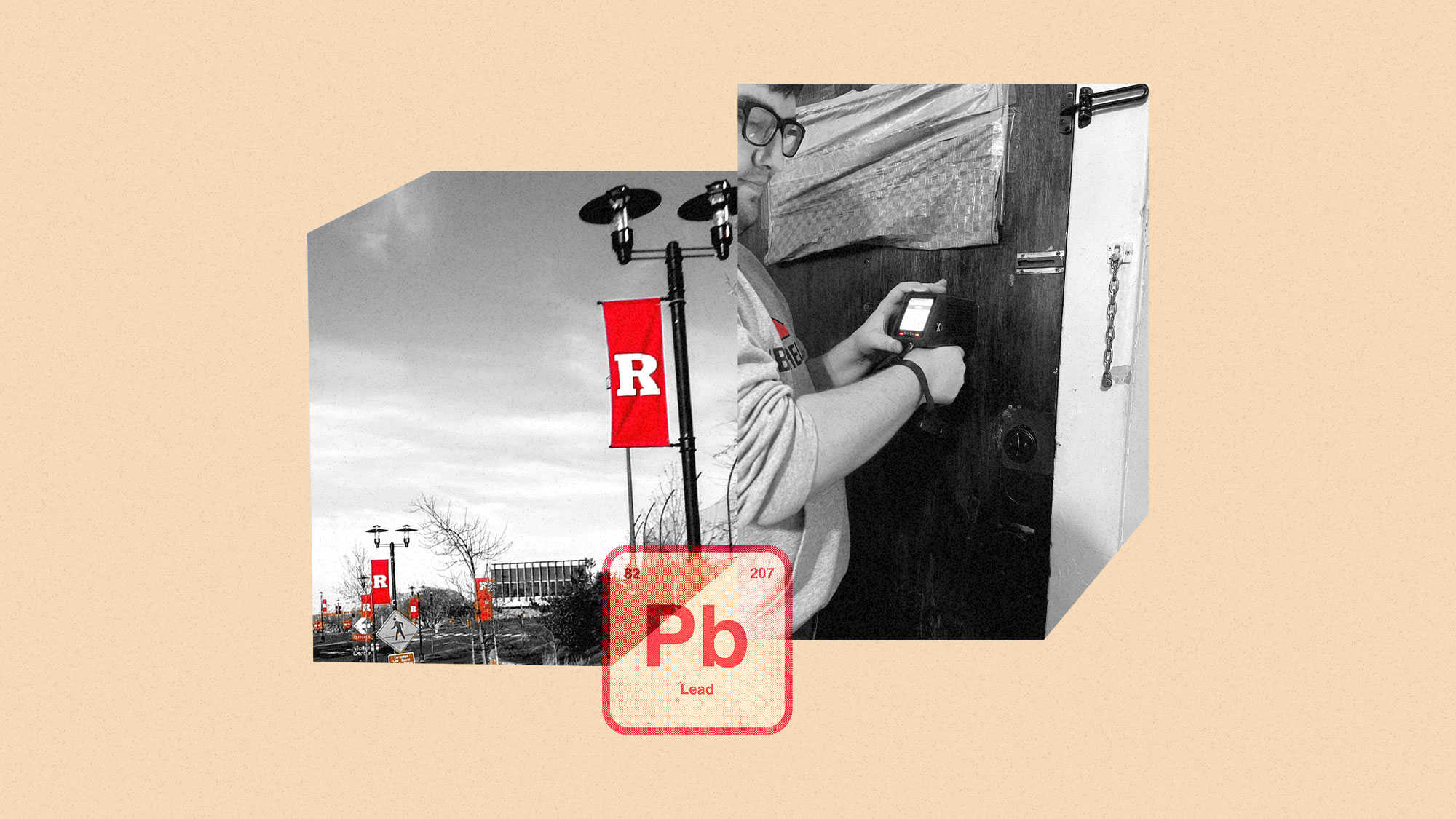
In July 2023, the Environmental Protection Agency (EPA) officially added the East Trenton neighborhood to the Superfund National Priorities List. The designation followed extensive testing that revealed widespread soil contamination in private yards, public parks, and school grounds. While the Superfund status promises federal oversight and eventually remediation, the process is notoriously slow. In a state like New Jersey, which has more Superfund sites than any other state in the nation, residents are well aware that "priority" listing can still mean decades of waiting for actual cleanup.
The contamination in Trenton is multifaceted, comprising "legacy lead" from three primary sources: interior lead-based paint in aging housing stock, lead service lines in the water system, and lead-contaminated soil and dust from historical industrial emissions and leaded gasoline.
A Fragmented Regulatory Landscape
Despite the clear dangers, New Jersey’s approach to lead mitigation remains a patchwork of reactive measures rather than proactive prevention. The state currently faces one of the highest lead burdens in the United States, with an estimated 350,000 lead service lines still in operation, placing it in the top ten most affected states alongside Illinois and Texas.
While New Jersey has received over $100 million in federal funding specifically for lead pipe replacement, these funds do not address the broader environmental hazards. Stratton’s research highlights a critical failure in the current system: it is almost entirely reactive.
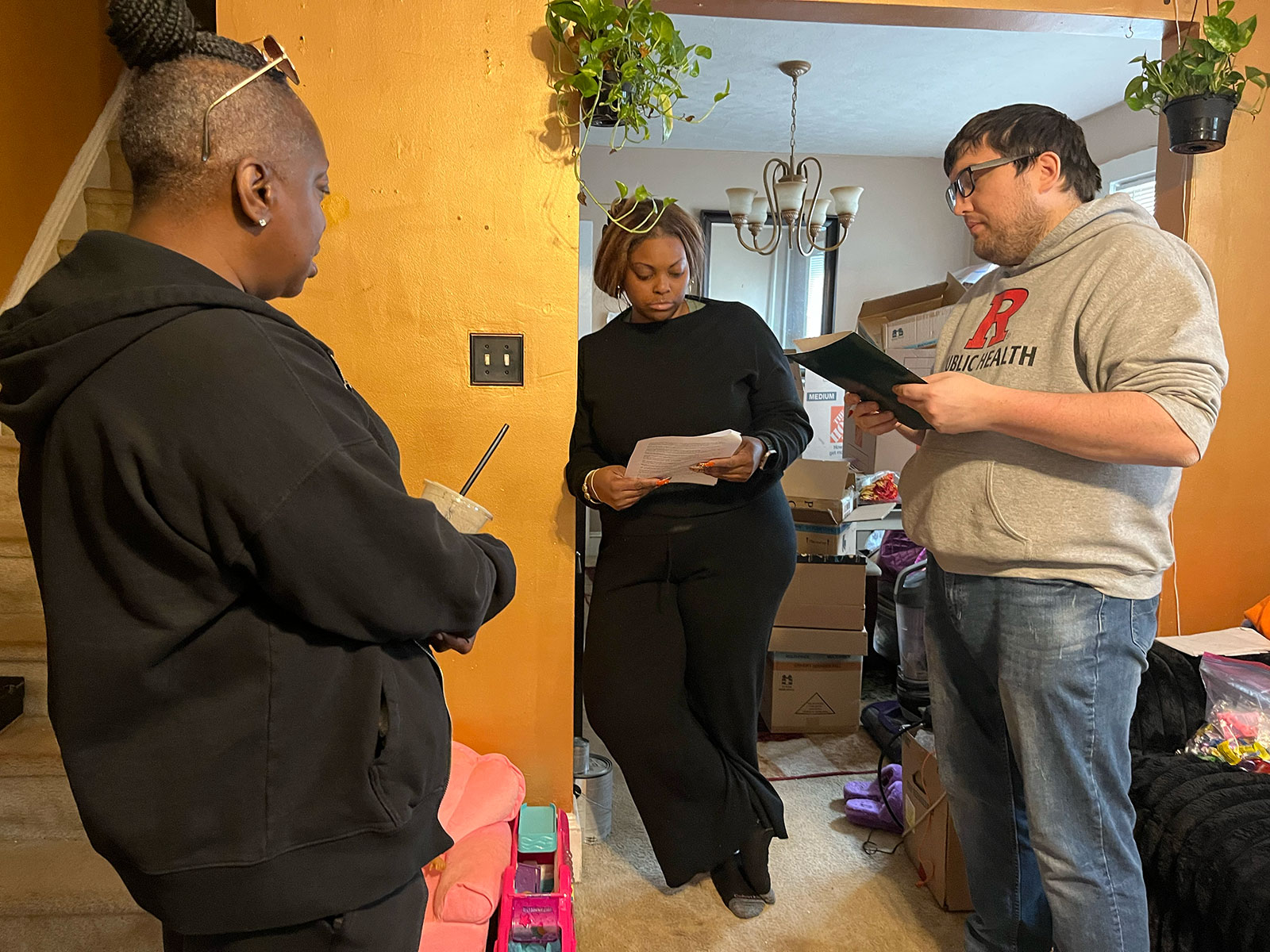
Under current New Jersey law, children are required to undergo lead screening at ages one and two. If a child’s blood lead level exceeds the state’s action threshold, the local health department is mandated to conduct an inspection of the home’s paint surfaces. However, critics argue this uses children as "lead detectors," only identifying hazards after biological damage has occurred. Furthermore, this protection does not extend to adults or older children, who must pay for their own testing—a significant barrier in a city where the poverty rate is nearly double the national average.
Water testing presents another hurdle. While Trenton Water Works provides test kits for homes built before 1986, the responsibility for coordinating with a private lab and paying for analysis—which can cost up to $100—falls on the resident. Soil testing is even rarer, typically only occurring during large-scale EPA investigations rather than routine household screenings.
The Stratton Research Findings: A Stark Reality
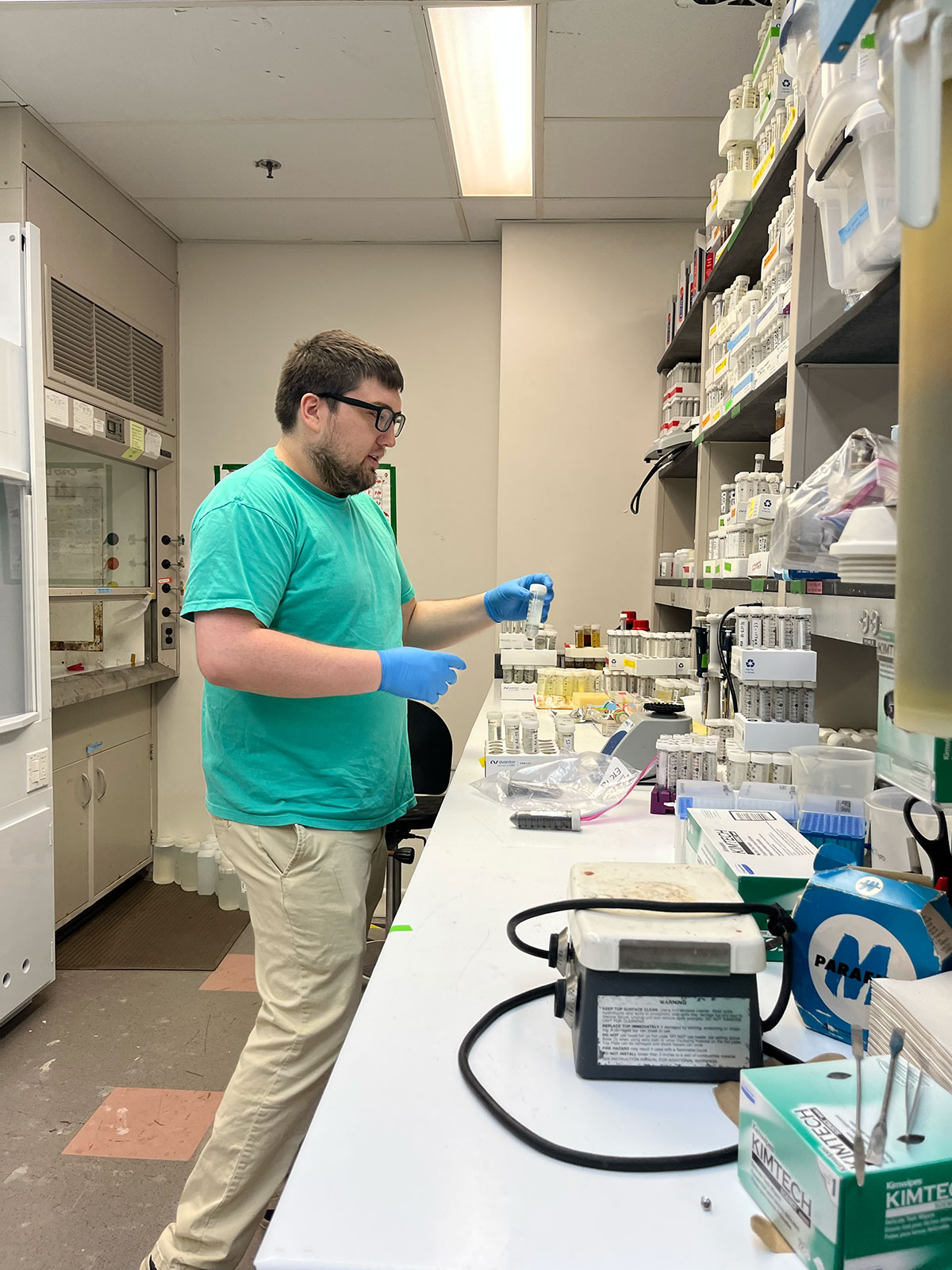
Sean Stratton’s dissertation work provided the most cohesive picture of Trenton’s lead crisis to date. His methodology was rigorous: using an X-ray fluorescence (XRF) gun to scan interior walls, collecting first-draw water samples from kitchen taps, and analyzing soil samples from residential yards.
The results, presented during his dissertation defense in February 2024, were alarming. Every single home tested for floor dust contained detectable levels of lead, with 86 percent of those homes exceeding the EPA’s action levels. Stratton’s data also challenged common public health advice. For years, residents have been told to "flush" their taps for several minutes to clear lead. Stratton found that even five minutes of flushing was often insufficient to remove all traces of the metal, suggesting that safety guidelines must shift toward more robust solutions, such as high-quality water filtration systems.
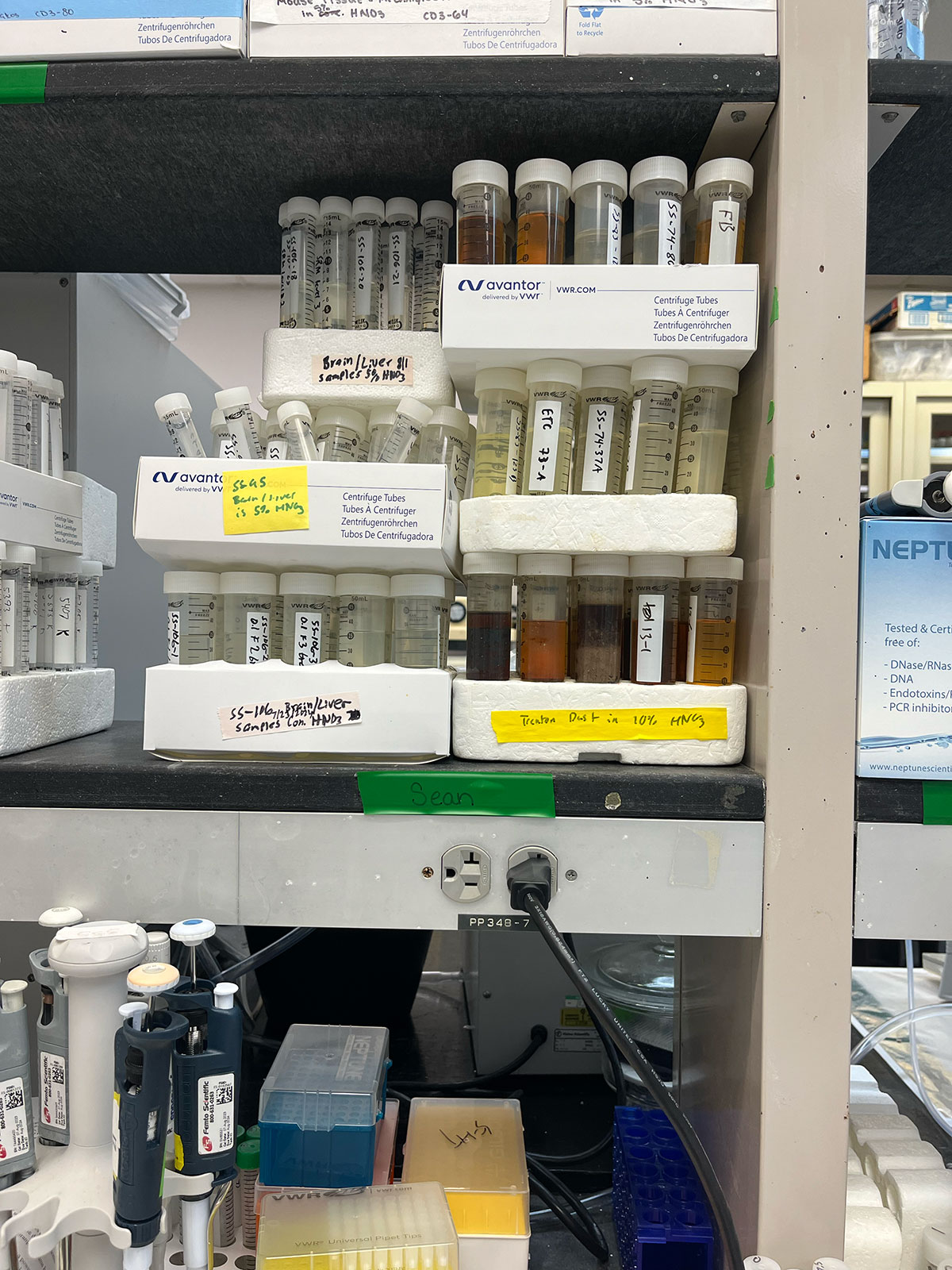
Moreover, Stratton’s research demonstrated the persistence of "legacy dust." Even in homes where lead paint had been remediated or was never present, lead-laden dust from the outside environment—a mix of historical factory emissions and old gasoline exhaust—continually re-contaminated living spaces.
For Kim Booker, Stratton’s visit was life-changing. He discovered that her yard contained lead levels exceeding 450 parts per million (ppm), surpassing the EPA’s hazard threshold of 400 ppm for residential soil. He also found low but detectable levels of lead in her bloodstream. Without this academic intervention, Booker would have remained unaware of the specific hazards in her immediate environment.
The Precarious Future of Environmental Justice Funding
The end of Stratton’s project highlights a precarious trend in American environmental health: the reliance on "transient" academic research to fill gaps left by government inaction. Similar projects in Atlanta and Los Angeles have successfully uncovered toxic hotspots, but these initiatives are often tied to specific grants or the tenure of a single graduate student.
The financial outlook for continuing this work is grim. Brian Buckley, Executive Director of the Rutgers Environmental and Occupational Health Sciences Institute, noted that the institute has been "playing dodge the bullet" regarding federal funding. While Stratton’s work was supported by the National Institute of Environmental Health Sciences, broader federal budget cuts have seen many environmental justice grants rescinded or left in limbo.

The political climate adds another layer of uncertainty. Recent administrative shifts have seen a deprioritization of environmental justice initiatives, threatening the very programs designed to protect vulnerable populations in "fenceline" communities like East Trenton.
Chronology of the Trenton Lead Crisis and Response
- Late 1800s – Mid-1900s: Trenton emerges as a hub for the pottery and rubber industries; lead is widely used in manufacturing.
- 1978: The federal government bans the sale of lead-based paint for residential use, but Trenton’s older housing stock remains heavily contaminated.
- 2015: The Flint, Michigan water crisis begins, sparking national concern over lead service lines. Sean Stratton, then an environmental consultant, begins questioning New Jersey’s water testing protocols.
- 2017: Stratton runs for the New Jersey State Assembly on a platform of water safety; though he loses, the experience drives him toward a master’s and then a doctorate in public health.
- 2021: New Jersey enacts the Lead Service Line Replacement Act, requiring utilities to replace all lead lines by 2031.
- 2023 (July): The EPA adds East Trenton to the Superfund National Priorities List due to widespread soil contamination.
- 2023 (Late): Stratton completes the bulk of his household testing in Trenton, providing results to residents like Kim Booker.
- 2024 (February/March): Stratton defends his dissertation and presents findings to the community; the East Trenton Collaborative expresses concern over the loss of testing resources.
- 2024 (May): Stratton graduates, officially ending the Rutgers-led household testing program.
Implications and the Path Forward
The departure of Sean Stratton leaves the residents of East Trenton at a crossroads. While the Superfund designation ensures that the federal government is now watching, the immediate, door-to-door advocacy that characterized Stratton’s work is gone. Community leaders like Shereyl Snider of the East Trenton Collaborative are now calling for a more permanent, well-funded testing infrastructure that does not rely on the temporary presence of doctoral students.
The implications of the Trenton data extend beyond the city limits. It serves as a warning for other post-industrial cities across the Northeast and Midwest that share similar histories. The "siloed" nature of public health—where one agency handles water, another handles paint, and another handles soil—fails to account for the cumulative exposure residents face.
For Kim Booker, knowledge has brought a sense of cautious empowerment. She now uses a HEPA-filter vacuum to avoid stirring up dust, enforces a "no shoes" policy in her home to prevent tracking in contaminated soil, and ensures her nieces wash their hands immediately after playing outside.
However, as Booker herself noted, "Knowledge is only powerful and beneficial if its effects change." Without a systemic shift from reactive to proactive testing, and without sustained funding for community-led environmental monitoring, the residents of Trenton remain in a state of perpetual risk, waiting for a cleanup that may not arrive for a generation. The "problem simply remains" until the city and state move beyond patchwork solutions and address the legacy of lead as a unified public health emergency.