Senate Majority Control in Jeopardy as Democratic Caucus Fractures Over Chuck Schumer Leadership Bid

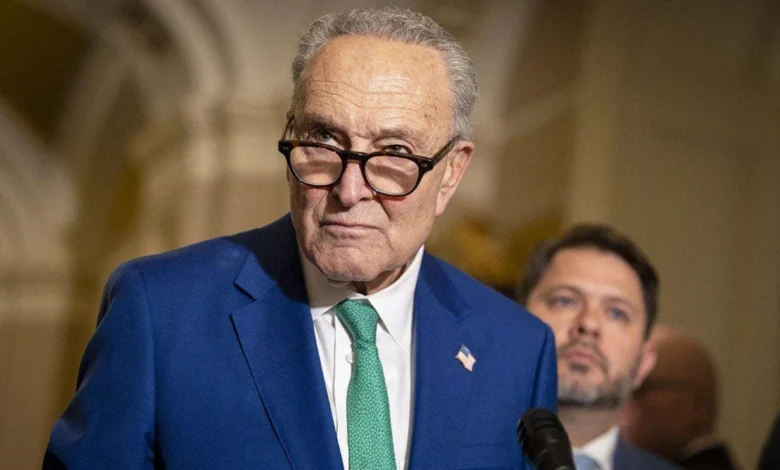
The political tremors that reshaped the United States Senate on Election Night have swiftly traveled inward, igniting a high-stakes leadership battle within the Democratic caucus. As the party prepares to assume majority control of the upper chamber next year, Senate Minority Leader Chuck Schumer of New York is facing an unprecedented internal revolt. While Schumer has formally announced his intention to seek another term as the party’s leader, a coalition of progressive lawmakers, newly elected senators, and outside advocacy groups are actively working to block his coronation.
The fracture within the Democratic caucus highlights deep ideological fissures over the party’s future direction, campaign finance, and foreign policy. With potential challengers weighing bids and prominent figures openly withholding their support, Schumer’s decades-long grip on power is facing its most severe internal challenge to date.
Anatomy of a Caucus Mutiny
The rebellion against Schumer’s leadership is rooted in tensions that simmered throughout the midterm election cycle, particularly regarding candidate recruitment, primary interference by party committees, and the influence of outside spending.
For months, progressive wings of the party expressed frustration with the Democratic Senatorial Campaign Committee (DSCC)—then led by Senator Kirstin Gillibrand—for allegedly tipping the scales in competitive primaries against grassroots-backed candidates. When a blue wave ultimately crashed into deep-red territory and secured unexpected Senate pick-ups, newly elected progressive members arrived in Washington, D.C., determined to alter the internal power dynamics of the chamber.
Among the most high-profile defectors is Senator Bernie Sanders of Vermont, a longtime progressive ally of the leadership who announced this week that he would not back Schumer for another term. Sanders has intensified his criticism of the party’s establishment, demanding a ban on Super PACs in primaries and launching sharp attacks against organizations like the American Israel Public Affairs Committee (AIPAC) for allegedly corrupting the democratic process.
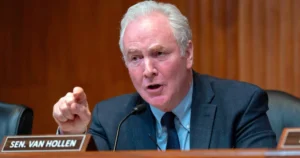
Similarly, newly elected Senator Elissa Slotkin of Michigan declared her opposition to Schumer’s leadership bid, signaling that the resistance spans multiple factions of the caucus. The growing anti-Schumer sentiment has coalesced around Senator Chris Van Hollen of Maryland, who has openly acknowledged that he is "kicking the tires" on a potential challenge to Schumer and consulting with colleagues about a leadership run.
Van Hollen’s Potential Challenge and Policy Flashpoints
Senator Van Hollen has emerged as the focal point for disgruntled Democrats seeking a clean break from the status quo. Speaking at the Popular Mandate conference, Van Hollen framed a potential leadership challenge as a necessary step toward democratizing the upper chamber.
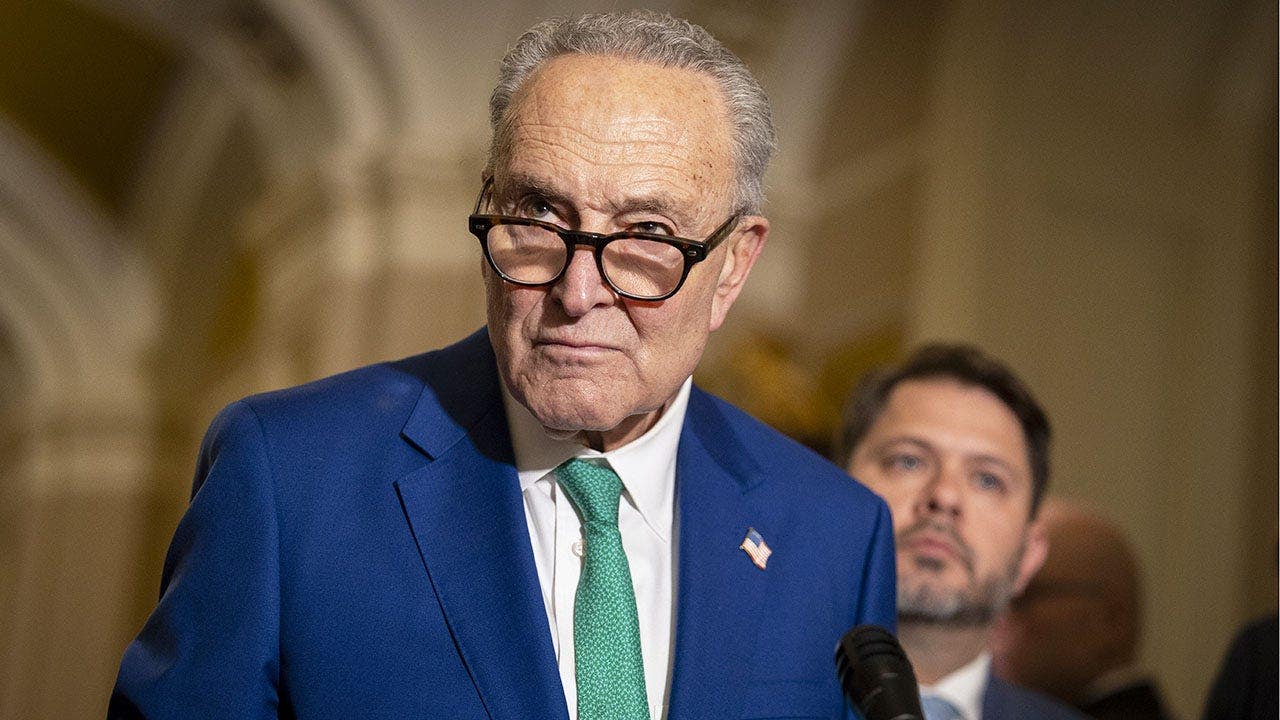
"We just saw democracy in America in action. We should bring a little more democracy to the United States Senate," Van Hollen told attendees. "We have two newly-elected senators who would not be there if Schumer and the DSCC had their way."
Van Hollen’s platform and critiques of Schumer center heavily on policy and campaign strategy. He has taken direct aim at the outgoing minority leader for aligning, in his view, too closely with the cryptocurrency industry and mainstream lobbying groups like AIPAC at the expense of grassroots progressive movements. Furthermore, Van Hollen’s foreign policy stances—particularly regarding the Middle East—have created deep division within the party.
Outside the Capitol, the populist energy surrounding Van Hollen has manifested in visible displays of support. Supporters plastered sticky notes bearing messages of encouragement on the plaque outside his office, while protesters gathered outside Schumer’s personal office chanting, "Hey, hey, ho, ho, Chuck Schumer has got to go."
Progressive external organizations have also amplified the pressure. Indivisible, a prominent grassroots progressive group, launched the "Tell Democrats: NO Schumer Coronation" campaign, urging constituents to pressure their senators to reject Schumer’s leadership bid.
The Defense: Schumer’s Allies and Institutional Arguments
Despite the mounting pressure, Schumer retains a formidable network of defenders within the Senate caucus who argue that his strategic decisions were directly responsible for the party’s historic electoral gains.
Senator Kirstin Gillibrand forcefully defended Schumer during a press briefing, crediting his long-term vision and early investment strategies for the party’s success in expanding its footprint, including competitive races in states like Mississippi.
"And that is why you will see, despite all the grumblings, enormous gratitude for the hard work he has done to get us to this position," Gillibrand stated. "We are about to win nine Senate seats. That has never happened in my political history."
Schumer himself has maintained a diplomatic posture regarding the brewing mutiny. When pressed by reporters about Van Hollen’s prospective challenge, Schumer minimized any personal animosity.
"Chris Van Hollen and I are friends," Schumer said. "We talk frequently, and we’re united, united in lowering costs and united in ending this damn war," referencing ongoing conflicts in the Middle East.

Other members of the caucus have rallied strongly to Schumer’s defense, pushing back aggressively against the challengers. Senator John Fetterman of Pennsylvania dismissed Van Hollen’s potential bid and questioned his legislative record.
"Well, what’s his record, other than yelling about anti-Israel stuff, or last year when he visited that wife-beating guy in prison," Fetterman said, referencing a controversial visit Van Hollen made to Kilmar Abrego Garcia, a constituent who had been mistakenly deported by the federal government.
Freshman Voices and the Battleground Impact
The leadership dispute has placed incoming freshman senators in a delicate position as they prepare to take their oaths of office. Several newly elected lawmakers who secured victories in battleground states—including Adam Hamilton, Peggy Flanagan, Scott Colom, and Abdul El-Sayed—have publicly stated they will not support Schumer for leader, citing a mandate from voters for systemic change.
Speaking to reporters, El-Sayed noted that the ultimate outcome of the leadership race remains uncertain as discussions continue behind closed doors.
"I think we’ll see how things play out," El-Sayed said. "This is a unique moment, and it’s our job to make sure we honor our mandate."
Broader Implications for the Democratic Party
The internal struggle over Senate leadership carries significant implications for the legislative branch as the party prepares to transition from the minority to the majority. A contested leadership election in the Senate is a rare occurrence, typically avoided to maintain party unity ahead of legislative battles against a unified opposition.
If Van Hollen formalizes his challenge, it would force every Democratic senator to publicly choose between the established party leadership and a insurgent progressive alternative. This vote could establish the baseline power balance within the caucus for the remainder of the decade, shaping committee assignments, legislative priorities, and the party’s approach to executive nominations.
As closed-door negotiations continue and both factions lobby undecided members, the outcome of the leadership vote will serve as a defining test of whether the grassroots energy that drove the party’s electoral victories can successfully translate into structural control at the highest levels of federal governance.