Sen. Rand Paul Breaks with President Trump Over Proposed $5,000 Midterm Dividend as National Debt Surpasses $40 Trillion

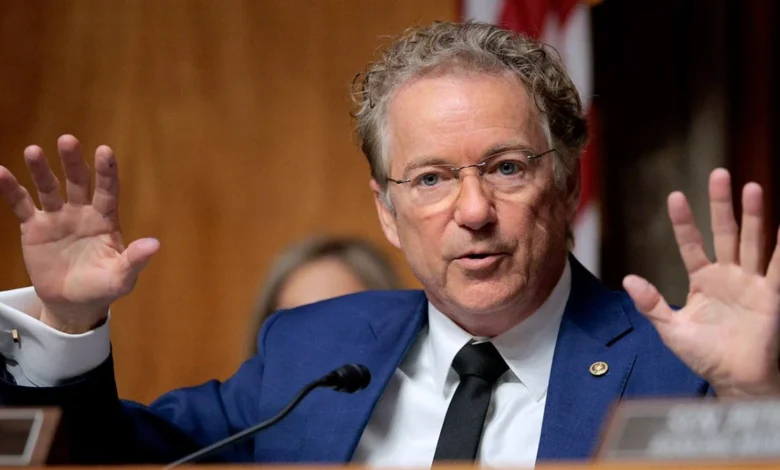
WASHINGTON — In a stark display of fiscal conservatism clashing with populist political strategy, Senator Rand Paul, R-Ky., has publicly rejected President Donald Trump’s proposal to distribute $5,000 checks to every American adult. The policy, dubbed the "Trump dividend" by the administration, was initially floated during a keynote address at the Republican midterm convention in Dallas, Texas. Trump conditioned the payout on Republicans successfully capturing and holding majorities in both chambers of Congress during the upcoming midterm elections.
However, Senator Paul, a noted fiscal hawk who serves as the Chairman of the Senate Homeland Security and Governmental Affairs Committee, voiced immediate opposition to the plan. Citing the unprecedented milestone of the U.S. national debt crossing the $40 trillion threshold and an annual federal deficit running approximately $2 trillion short, Paul argued that the government cannot responsibly hand out funds it does not possess.
The ideological friction between the administration’s populist economic measures and traditional free-market conservatism highlights a deepening philosophical divide within the Republican Party. While proponents of the dividend argue it would provide immediate economic relief to working-class families and stimulate consumer spending, fiscal conservatives like Paul warn that such measures exacerbate inflation, accelerate the national debt crisis, and undermine the long-term stability of the United States economy.
The Genesis of the "Trump Dividend" and Immediate Pushback
The proposal for the $5,000 payout emerged as a centerpiece of the Republican Party’s strategic messaging for the midterms. Designed to energize the conservative base and appeal to independent voters facing persistent cost-of-living pressures, the "Trump dividend" was framed as a direct way to return surplus value or economic wins to the American public.
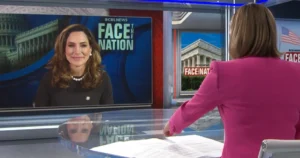
Yet, the concept drew immediate skepticism from Capitol Hill economists and fiscal traditionalists. During an interview addressing the proposal, Paul minced no words regarding the feasibility and prudence of the plan.
"We’re running $2 trillion dollars short," Paul told reporters, expressing utter disbelief at the prospect of issuing widespread cash disbursements under current fiscal conditions. "I can’t imagine giving out money when you’re running a deficit."
Paul’s resistance is indicative of a broader, if often quiet, anxiety among congressional budget hawks regarding the trajectory of federal spending. Even as both political parties frequently champion popular spending initiatives or tax rebates, lawmakers committed to deficit reduction find themselves increasingly marginalized in an era dominated by populist economic policies.
A Grim Fiscal Reality: The $40 Trillion Debt Crisis
The debate over the proposed dividend occurs against the backdrop of a rapidly worsening national debt trajectory. The U.S. national debt officially surpassed $40 trillion earlier this year, driven by decades of bipartisan deficit spending, emergency appropriations during major crises, and structural imbalances between federal revenues and mandatory outlays.
Paul emphasized that the consequences of this colossal debt burden extend far beyond theoretical future crises or the distant threat of national bankruptcy. According to the Kentucky senator, the devaluation of currency and the compounding interest on the debt inflict daily harm on everyday citizens.
"The debt is very important. So it’s not just important that it might bankrupt us or overwhelm us in some kinda crisis in the future," Paul explained. "Every day you’re being hurt by it because it’s stealing the value" of people’s earnings through inflation and reduced purchasing power.
Paul laid the blame for the fiscal crisis squarely at the feet of both major political parties, arguing that neither Democrats nor Republicans have displayed the political courage necessary to confront the structural drivers of the debt.
"It is literally out of control," Paul said. "And really both parties have failed us because both parties are afraid to tell the American public that some things they like from government would have to be reduced when we cut costs."
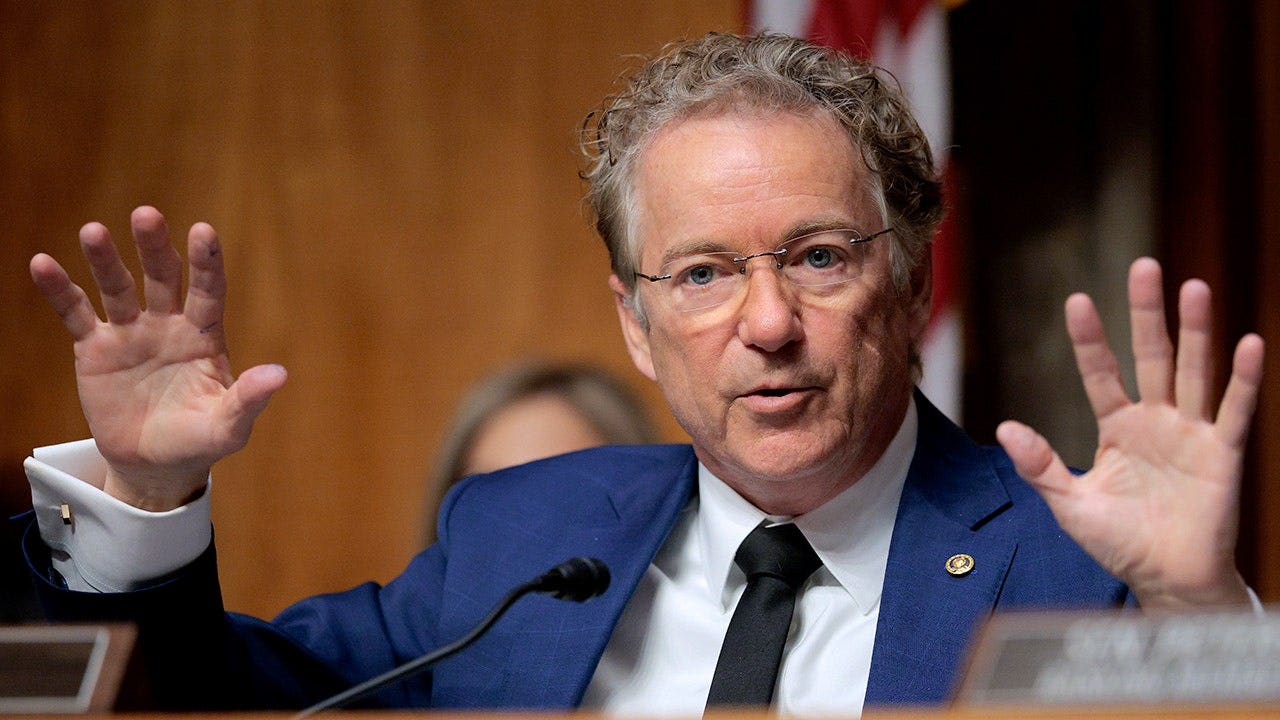
Paul’s Proposed Solution: The Six-Penny Plan
To reverse the trend of mounting deficits, Paul has long advocated for a systematic approach to federal spending restraint. Originally introduced years ago as the "one-penny plan," his legislative framework aimed to achieve a balanced federal budget over a five-year period by cutting overall federal spending by 1% each year.
However, the unprecedented fiscal expansion seen during the COVID-19 pandemic—characterized by trillions of dollars in bipartisan economic stimulus and emergency relief legislation—fundamentally altered the federal ledger. Paul noted that because both parties enthusiastically "passed out money like drunken sailors," the baseline deficit expanded dramatically.
As a result of that expanded baseline, Paul’s proposed remedy has had to scale up. It is now known as the "six-penny plan," which requires a 6% annual reduction in federal spending over five years to achieve a balanced budget. Paul maintains that such a plan is entirely achievable without causing catastrophic harm to essential government functions, provided there is the political will to target waste and inefficiency.
Under the framework of the six-penny plan, Social Security would be shielded from cuts. However, Paul indicated that major entitlement programs like Medicare would need to be addressed. He argued that Medicare spending could be successfully reduced by 6% without slashing actual patient health benefits, pointing to what he describes as extensive waste, fraud, and abuse within the system. Additionally, Paul suggested that implementing stricter means-testing for affluent beneficiaries could help achieve the necessary savings.
Political Implications and the 2028 Presidential Consideration
Beyond his immediate legislative battles in the Senate, Paul’s outspoken stance on fiscal policy comes at a time of personal political reflection. A former candidate for the Republican presidential nomination in the 2016 cycle—where he placed fifth in the Iowa caucuses before suspending his campaign—Paul revealed that he is actively considering another White House run for the 2028 election cycle.
When asked about the likelihood of a future presidential bid, Paul described his decision-making process as "50-50," noting that he is seriously "thinking about it" and will make a final determination following the conclusion of the midterm elections.
Should he enter the race, Paul envisions positioning himself as a distinct voice for traditional conservatism within a party that has shifted heavily toward populist economics. He expressed a desire to prevent the primary field from becoming an ideological monolith dominated solely by populist figures.
"I do think that there should be a candidate on the Republican side, at least, who believes that international trade is good for our country and good for the economy, that believes in free markets, that isn’t a big believer in big government coming in and managing contracts and owning parts of countries, that isn’t a believer in giving out money we don’t have," Paul said.
He emphasized his wish to provide voters with a genuine alternative rather than a homogenous choice of populist contenders. "I don’t want there to be a choice of four populists running for president," he stated. "I want there to be at least one free-market candidate. I could be that, or maybe somebody else could be."
Broader Economic Analysis and Future Outlook
The clash between President Trump’s proposed dividend and Senator Paul’s stringent fiscal austerity underscores a fundamental tension in modern American politics: the conflict between immediate populist appeal and long-term macroeconomic sustainability.
Economists note that large-scale cash transfers, while politically popular, carry significant risks of reigniting inflationary pressures, particularly if the disbursements are not offset by corresponding spending cuts or tax increases elsewhere in the federal budget. With inflation remaining a sensitive issue for American households, policies that inject fresh liquidity into the economy without addressing the underlying $40 trillion debt trajectory continue to draw intense scrutiny from monetary watchdogs and fiscal conservatives alike.
As the midterm elections approach, the debate over the "Trump dividend" is expected to remain a flashpoint within the Republican coalition. While populist candidates embrace the promise of direct financial relief to galvanize voters, figures like Senator Paul are determined to keep the spotlight on the sobering realities of deficit spending, ensuring that the debate over the nation’s financial future remains central to the political discourse.