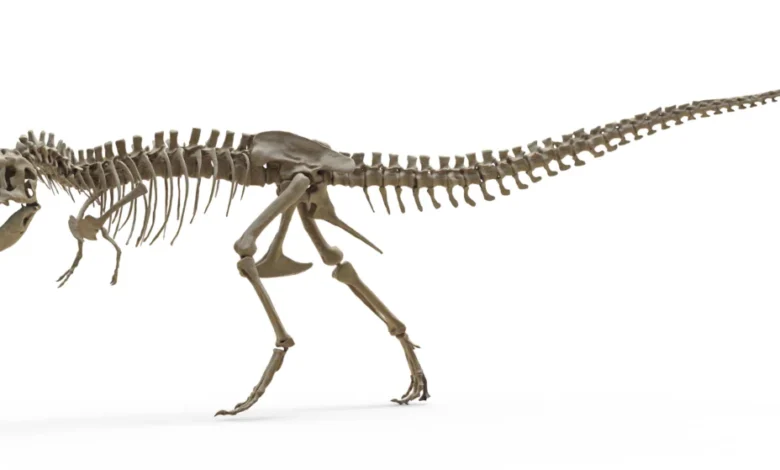
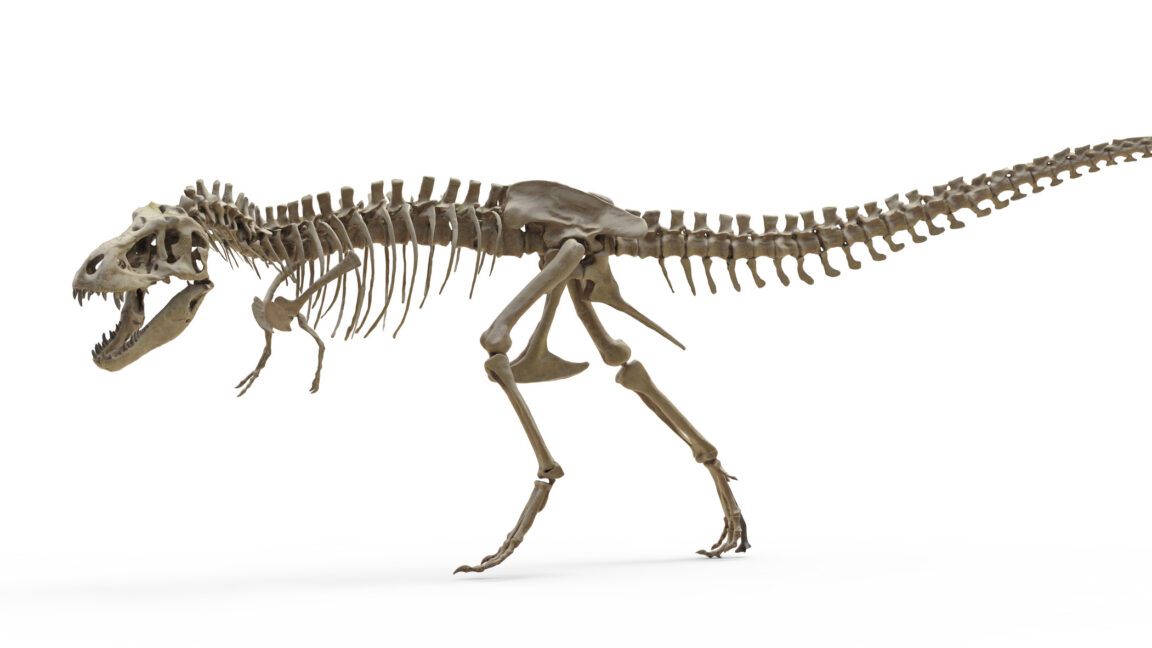
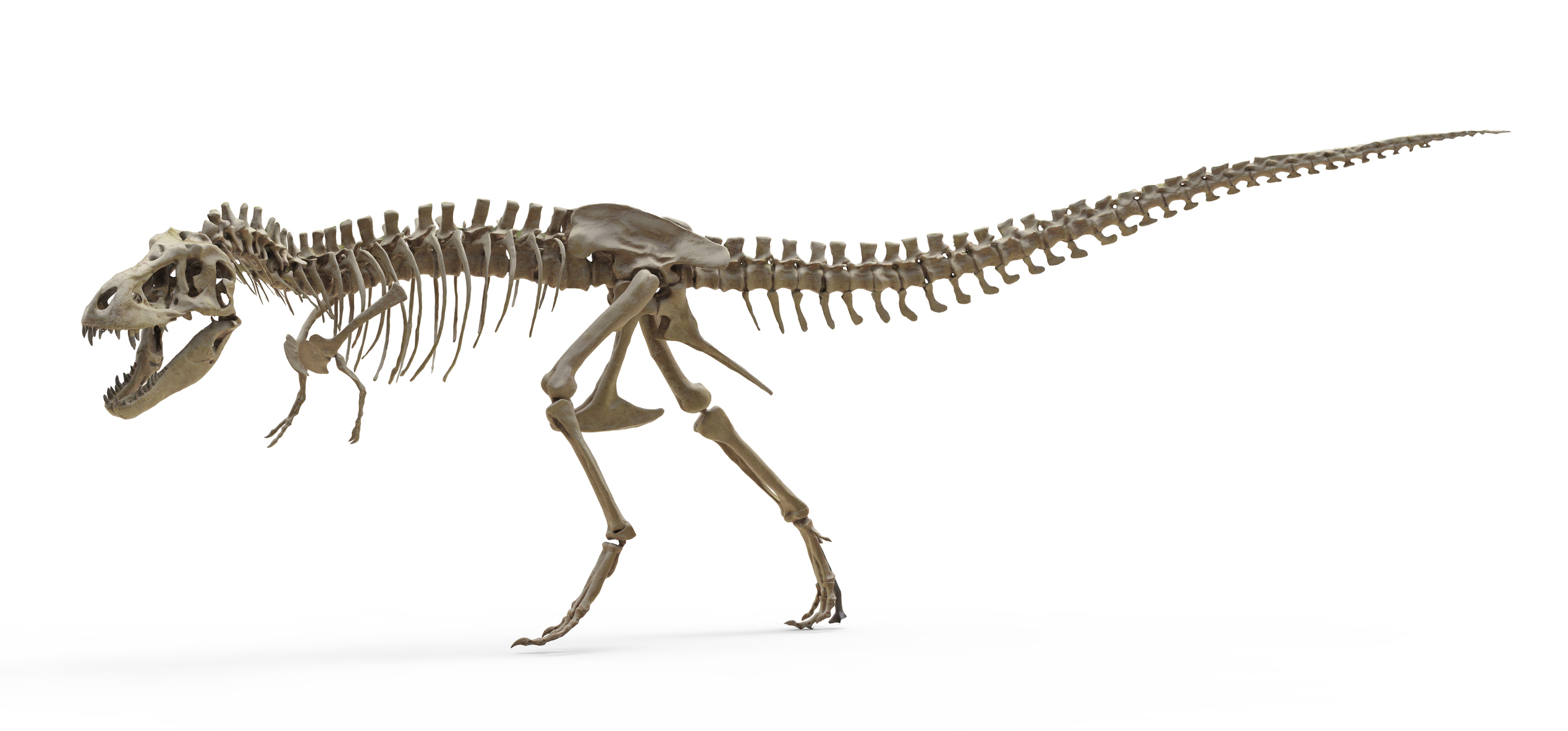
For over a century, the scientific community’s perception of the Tyrannosaurus rex has undergone a profound metamorphosis. Once depicted as a lethargic, cold-blooded scavenger that dragged its heavy tail across the prehistoric landscape, the "King of the Dinosaurs" has since been reimagined as an active, agile, and bird-like predator. Despite this transition in popular culture and academic consensus, the exact nature of the creature’s internal physiology—specifically whether it possessed an endothermic metabolism—remained a subject of intense debate. New evidence, derived from a cutting-edge geochemical analysis of fossilized teeth, suggests that these massive carnivores maintained a stable, elevated body temperature, placing them in a physiological category similar to modern mega-herbivores like elephants.
A research team led by geochemists Randon J. Flores and Robert A. Eagle from the University of California, Los Angeles, has successfully utilized a sophisticated analytical technique known as clumped isotope thermometry to bypass the traditional limitations of paleontology. By examining the chemical composition of T. rex teeth recovered from the Hell Creek Formation in Montana, the researchers determined that these apex predators operated at an average body temperature of approximately 36 degrees Celsius. This finding offers a vital clue into the metabolic strategies that allowed such gargantuan creatures to dominate the North American landscape during the final stages of the Cretaceous period.
The Evolution of Paleophysiology
The debate regarding dinosaur metabolism has persisted for decades, hindered primarily by the lack of direct physiological evidence. Early theories often relied on indirect proxies, such as bone microstructure, which reveals how quickly an animal grew. High growth rates, common in many dinosaurs, were often cited as evidence of an endothermic metabolism, implying that these animals could regulate their own body temperature. However, critics argued that large body sizes alone could lead to "gigantothermy," a state where massive volume causes an animal to retain heat simply because it loses surface area relative to its total mass, regardless of whether it actually possesses an internal furnace.
Historically, researchers attempted to gauge dinosaur temperatures by analyzing the oxygen isotope ratios found in bone and enamel. These ratios are sensitive to temperature, but they are also heavily influenced by the isotopic composition of the water an animal consumes. Because the environment of the Cretaceous is inherently difficult to reconstruct with total precision, this method was often prone to significant error. The development of clumped isotope thermometry—a technique championed by Robert A. Eagle—has provided a way to circumvent this ambiguity. By measuring how frequently rare, heavy isotopes of carbon and oxygen (carbon-13 and oxygen-18) bond with one another within carbonate minerals, scientists can calculate the temperature at which the mineral formed with remarkable accuracy, independent of the surrounding water’s chemistry.
Methodology and Material Integrity
To ensure the reliability of their findings, the research team secured three T. rex teeth from the Natural History Museum of Los Angeles County. These specimens were sourced from the Hell Creek Formation, a site renowned for preserving the final moments of the dinosaur age. The sample set included two teeth from a juvenile T. rex, estimated to weigh over three tons, and an isolated partial tooth from another individual. To provide a comparative baseline, the researchers also analyzed five teeth from crocodilians that inhabited the same riverine ecosystems 66 million years ago.
A critical hurdle in any study of fossilized material is determining whether the chemical signatures have been altered by millions of years of burial. To mitigate this, the team performed a battery of tests to confirm the integrity of the enamel. Infrared spectroscopy confirmed that the fossilized enamel retained a composition analogous to that of modern alligator enamel, and the carbonate levels were consistent with modern reptilian physiology. Furthermore, the researchers noted distinct isotopic signatures between the enamel and the underlying dentin within the same teeth; had the fossils been altered by environmental contamination, these signatures would likely have homogenized, suggesting that the original biological signals remained intact.
Comparative Thermal Data
The data revealed that the two teeth from the juvenile T. rex consistently indicated temperatures of 37.3 degrees and 35.9 degrees Celsius, while the third tooth measured 34.7 degrees. Averaging these values yielded a mean body temperature of 36.3 degrees Celsius, with a margin of error of approximately 2.5 degrees. This thermal profile is strikingly similar to that of modern African and Indian elephants, which maintain body temperatures around 36 degrees Celsius. It also aligns with the thermal ranges observed in large, flightless ratites such as ostriches and emus, though it remains notably cooler than the 41-degree average observed in smaller, active flying birds.
In contrast, the contemporary crocodilians analyzed in the study displayed an average body temperature of 30.9 degrees Celsius. This result is consistent with the behavior of modern crocodilians, which utilize behavioral thermoregulation—shuttling between sun-drenched riverbanks and cooling water—to maintain their internal temperature within a range of 30 to 35 degrees Celsius. The observed gap between the T. rex and the crocodilians mirrors the thermal divergence seen today between large mammals and modern cold-blooded reptiles, providing strong circumstantial evidence that T. rex employed a more complex metabolic strategy.
The Challenge of Environmental Factors
To address the possibility that T. rex was merely mirroring its environment, the team modeled the climate of the Late Cretaceous. By analyzing clumped isotopes in freshwater mussels found in the same geological strata—which largely reflect summer water temperatures—they established that the ambient temperature in the Hell Creek region was approximately 26 degrees Celsius. Additionally, a high-resolution climate model simulating the Cretaceous environment suggested that even during the warmest months, temperatures would have peaked at roughly 33 degrees Celsius, with a mean annual temperature of 21 degrees Celsius.
These figures demonstrate that T. rex consistently maintained a body temperature significantly higher than the ambient environment. While this proves the animal was warmer than its surroundings, the authors of the study are careful to note that temperature alone does not definitively confirm a specific metabolic strategy. It remains possible that the sheer bulk of the T. rex allowed it to retain heat efficiently, a phenomenon known as inertial homeothermy. However, the juvenile T. rex’s body temperature exceeded what standard scaling models predict for a cold-blooded animal of its size, leading the research team to lean toward the conclusion that T. rex was a homeothermic endotherm.
Broader Implications and Future Research
To visualize the ecological reach of the T. rex, the researchers developed a "virtual species" model. By inputting thermal tolerance data from 465 modern bird and mammal species, they projected the suitability of various North American habitats based on the T. rex’s inferred body temperature and seasonal climate data. The resulting maps indicated that T. rex possessed the physiological flexibility to inhabit nearly every corner of the North American continent, from the humid southern regions to the polar north.

This model helps explain the presence of tyrannosaurid fossils in Alaska and potentially the Trans-Pecos region of Texas. It also aligns with paleontological theories suggesting that the lineage migrated from Asia across the Bering Land Bridge. The study suggests that heat and humidity, which act as limiting factors for many modern species, would not have posed a significant barrier to the T. rex in the Cretaceous environment.
Despite these compelling findings, the researchers acknowledge that the study is limited by the sample size of only three teeth. Because each tooth represents only a small portion of growth, there is a possibility that the data reflects a seasonal bias. However, the consistency of the results across multiple teeth and multiple individuals lends weight to the findings. Future research, employing the same clumped isotope thermometry, is expected to focus on other dinosaur species to determine how widespread endothermy was within the dinosaur lineage and at what point in the evolutionary timeline it first emerged. As technology continues to refine our ability to probe the chemical records of the past, the mystery of the dinosaur’s inner life is slowly, but surely, coming into focus.